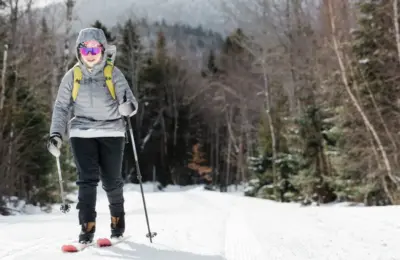


Being an intermediate skier has long carried an unfair connotation of mediocrity, but modern ski manufacturers understand that skill development requires cultivation. To help skiers transition from hesitant cruisers to confident mountain explorers, designers engineer specific characteristics into intermediate skis, offering stable platforms and easy turn initiation paired with reliable edge hold.
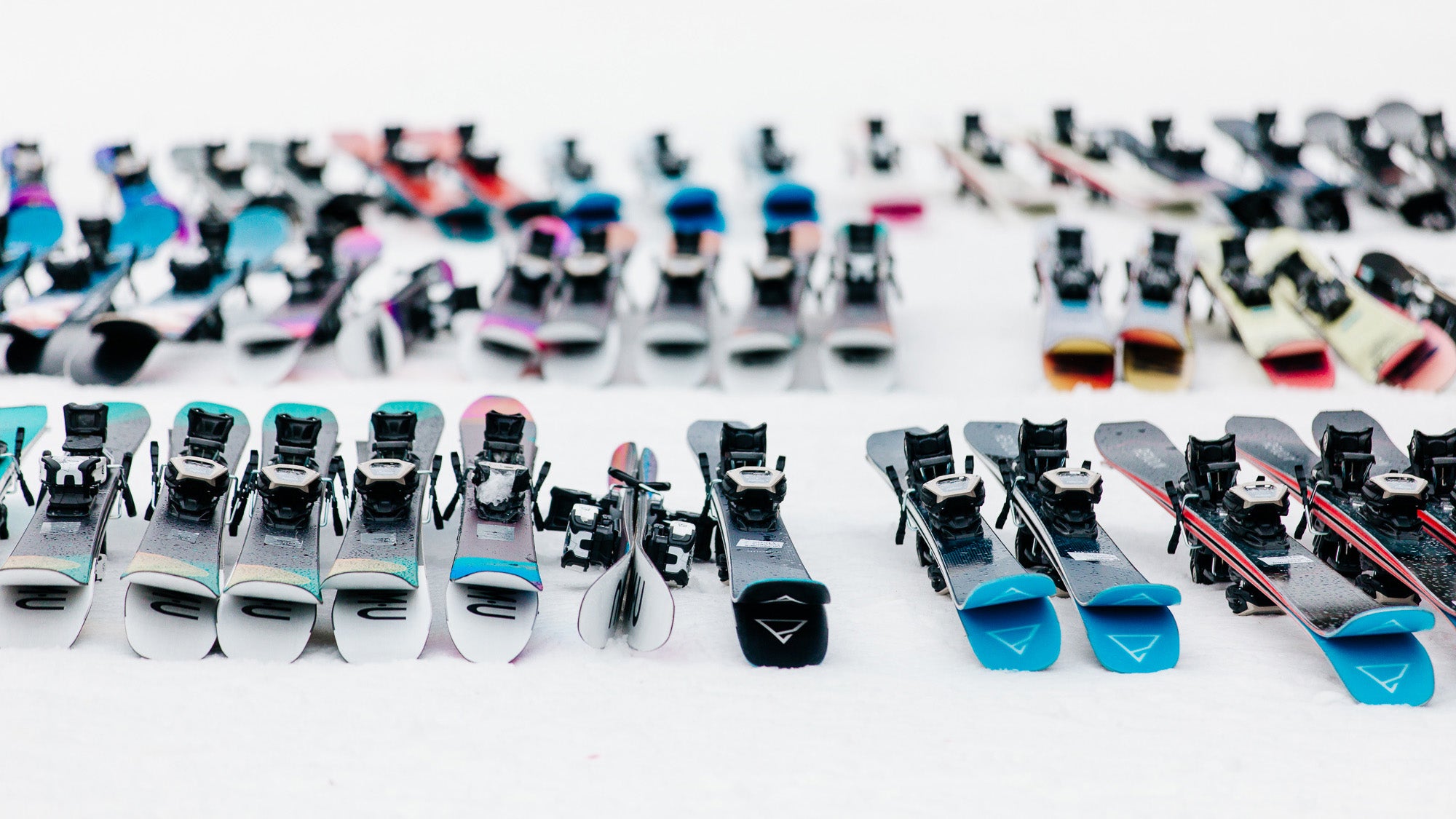
Following a comprehensive gear test conducted by a panel of ten ski instructors, patrollers, and shop professionals at Eldora Mountain, Colorado, industry experts have released their definitive findings for the top intermediate skis. Testing 13 different models priced under $650, the evaluators identified standout performers that bridge the gap between affordability and accessibility, ensuring that budget constraints or intimidating equipment barriers do not hinder progression.
The best skis for intermediate skiers typically feature waist widths between 75 and 85 millimeters, leaning heavily toward frontside performance and narrow all-mountain versatility. Although models in this category are designed to spend the vast majority of their time on groomed runs, testers were consistently impressed by how many options successfully help intermediates venture into new terrain, including trees and moguls. Furthermore, these skis offer stability at speed, responsiveness, and versatility without breaking the bank, with several options sold as complete systems including bindings.
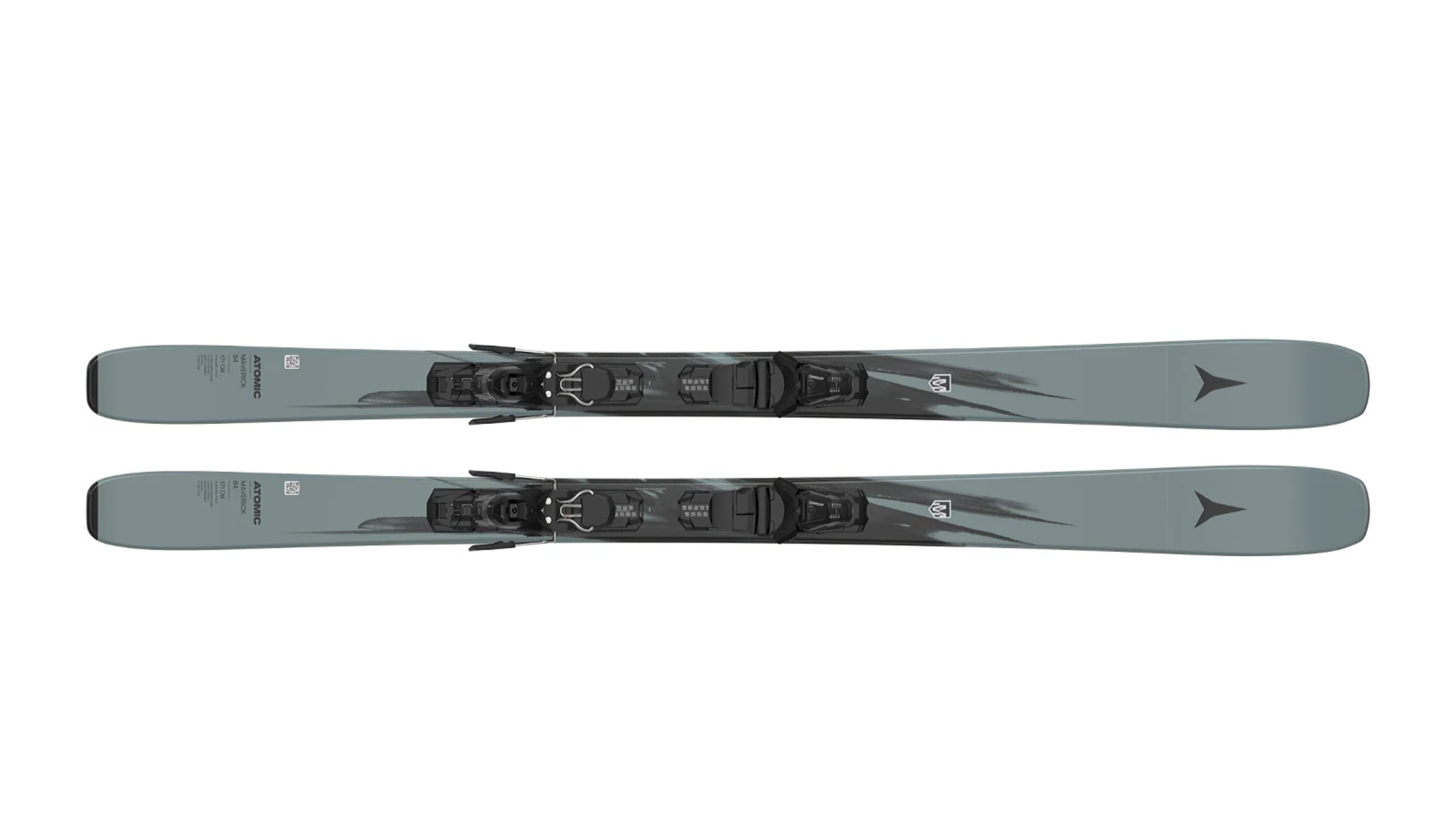
At the top of the list, the Atomic Maverick 84 emerged as the Editors’ Choice for all-around versatility. Priced at $550, the Maverick 84 impressed testers not through a single standout skill, but through a harmonious combination of attributes. Featuring lengths from 153 to 180 centimeters and dimensions of 121-84-105 millimeters, it offers easy turn initiation and the ability to execute short-, medium-, or long-radius turns with reliable edge hold. Testers praised its performance as a true quiver killer that carves well in long GS-style turns while remaining stable in variable conditions. Its lightweight wood core with a Titanal stabilizer cuts weight and absorbs vibrations without softening the ski excessively, though it can lose stability at high speeds when pushed by aggressive skiers.
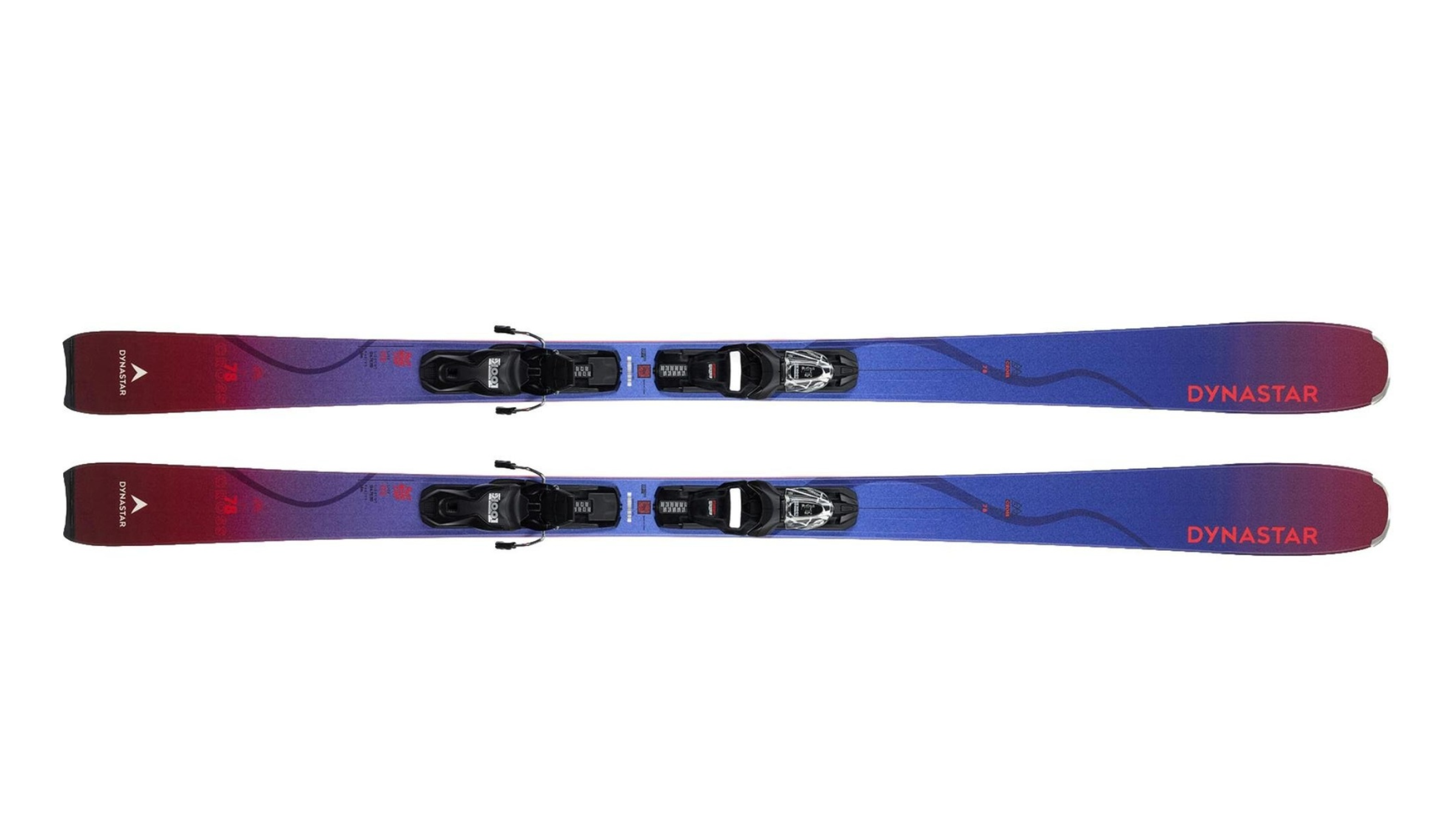
For skiers prioritizing an intuitive feel, the Dynastar M-Cross 78 claimed the title of most intuitive, also priced at $550. Available in lengths ranging from 148 to 178 centimeters with a 124-78-110 millimeter geometry, the M-Cross 78 earned the highest scores in its category for forgiveness. Utilizing Dynastar’s Hybrid Core 2.0 construction with wood layered in three directions, the ski provides a nimble, light ride with a big sweet spot. While its wide shovel and tip-and-tail rocker make turn initiation effortless, expert testers noted that it sacrifices some stability at higher speeds due to a shorter effective edge contacting the snow.
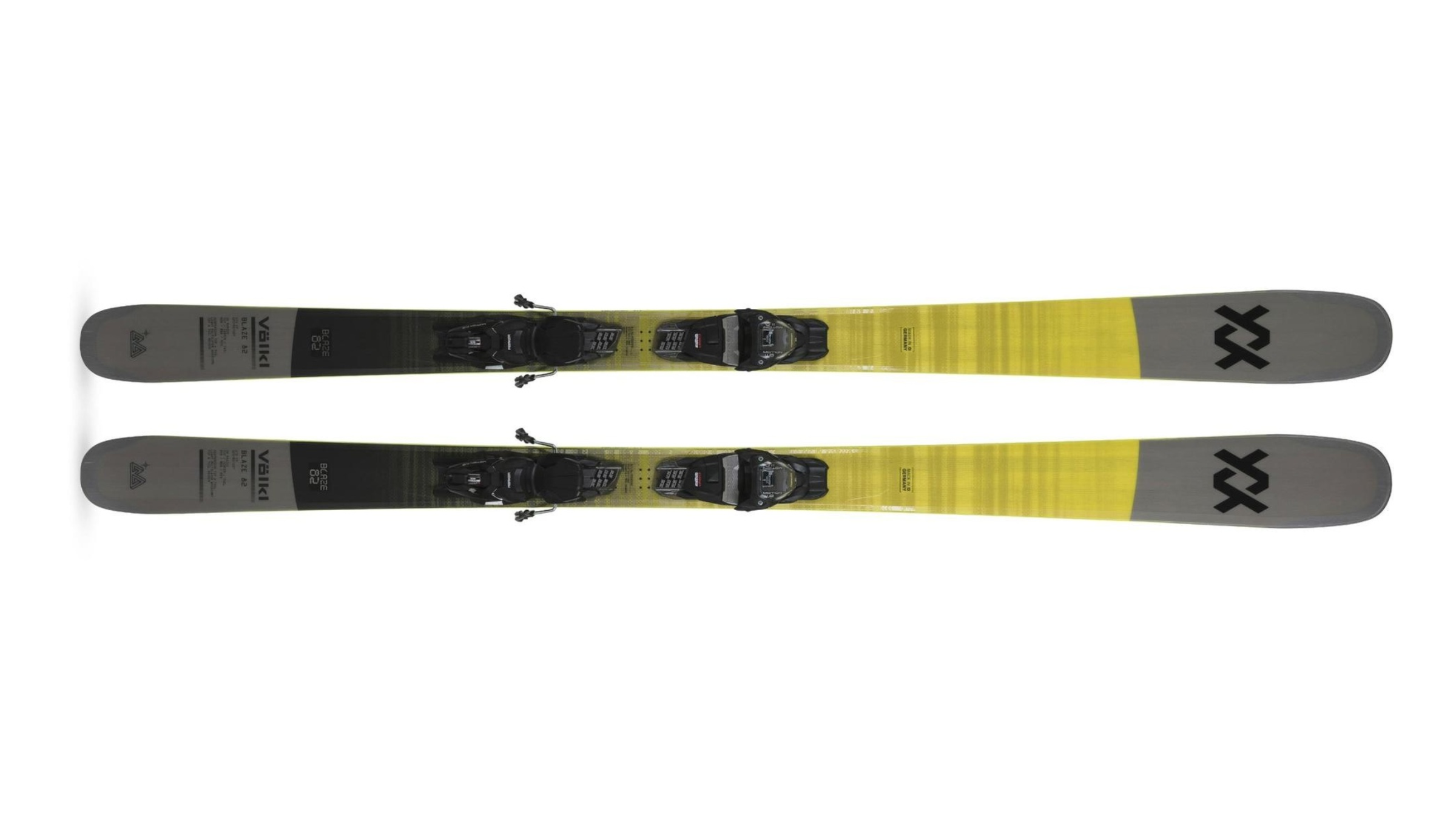
Strong intermediates seeking a dependable charge found their match in the Völkl Blaze 82, priced at $650. Spanning lengths from 146 to 180 centimeters with 125-82-107 millimeter dimensions, the Blaze 82 functions as a narrow all-mountain freeride ski. It features a multilayer wood core and a 3D radius sidecut that creates a shorter turn radius underfoot and a longer radius in the rockered tips and tails. Testers highlighted its strong, dependable performance in medium- to long-radius turns on groomers, though its stiffer build makes it less suitable for novices and less stable in mixed, variable snow conditions.
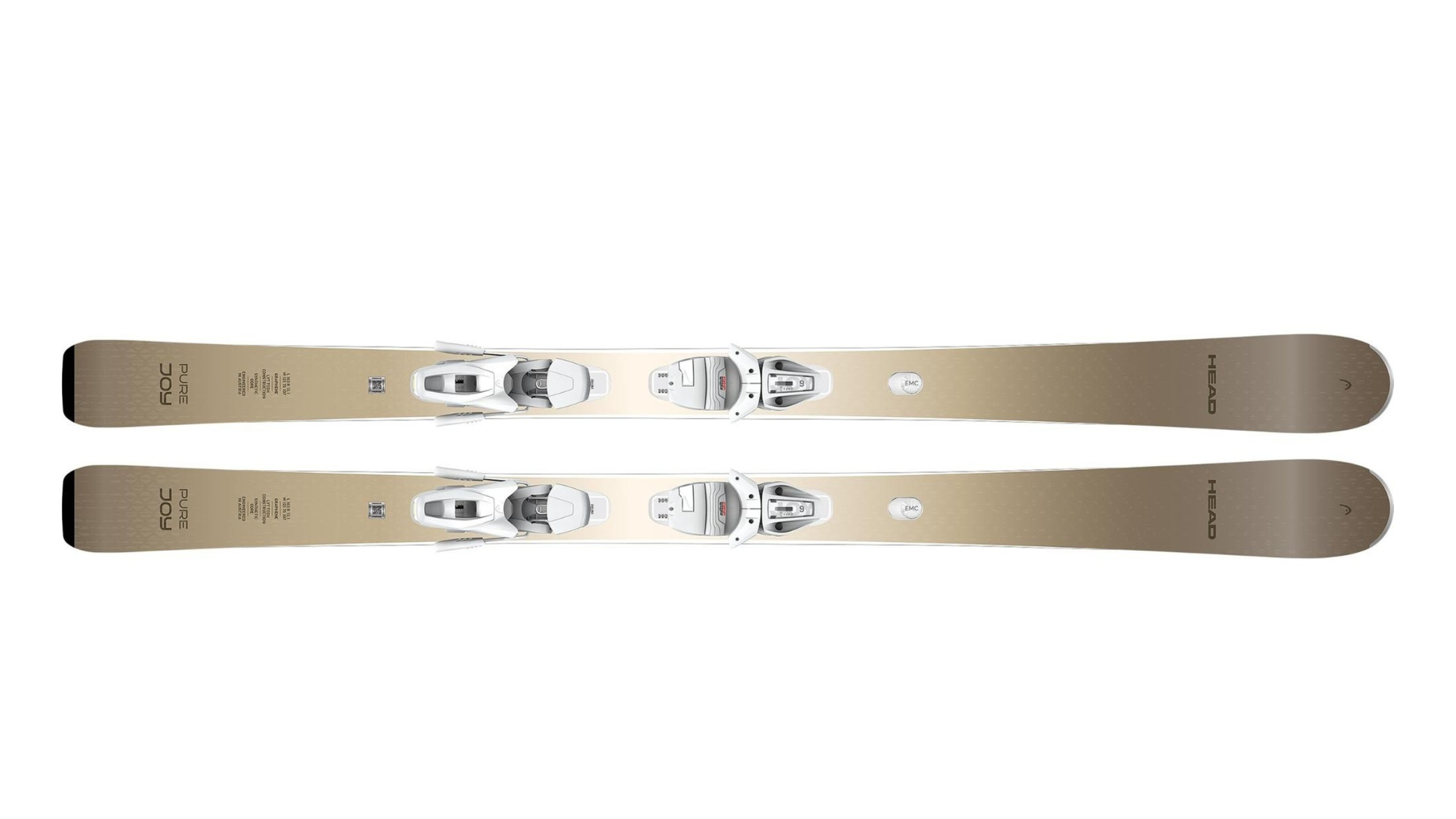
Among women-specific equipment, the Head Pure Joy earned the top women’s pick as a complete ski-and-binding system priced at $599. Offered in lengths from 143 to 163 centimeters with a 121-75-107 millimeter profile, the Pure Joy utilizes LYT Tech construction and a constant ramp angle tailored to shorter boot sizes. Testers lauded its ability to effortlessly pull skiers into a carve with minimal input, making it an exceptional teaching tool that shines in short- to medium-radius turns. However, it tends to lose edge grip and stability when pushed into larger radius turns at higher speeds.
For skiers valuing absolute stability, the Fischer Ranger 84, priced at $500, delivered impressive hardsnow integrity. Ranging from 167 to 181 centimeters with a 119-85-109 millimeter build, it represents the narrowest model in Fischer’s freeride-oriented Ranger line. Its poplar wood core and sandwich sidewall construction provide progressive edge grip and reliable performance in medium-to-long turns, though short turns require more effort and it is not designed for aggressive carving.
The Salomon Stance 80, retailing between $580 and $600, earned recognition as the most dependable option for advanced beginners and intermediates. Available in lengths from 141 to 185 centimeters with 125-80-107 dimensions, the Stance 80 incorporates a sheet of Titanal underfoot to increase power and control during carved turns. Providing a stable, balanced platform that helps aspiring carvers gain confidence, it handles variable snow capably, though its stiffer feel requires some muscle and it lacks a deeply playful personality.
Finally, the Rossignol Arcade 80 secured the top spot for carving, priced at $650. Spanning lengths from 142 to 182 centimeters with a wide 130-80-118 millimeter geometry and a tight 13-meter turn radius, the Arcade 80 functions as an approachable slalom ski. Driven by Rossignol’s Vibration Absorber System and a central power rail, it excels in short- to medium-radius turns on groomers, offering smooth edge-to-edge transitions that reduce leg fatigue, though its lightweight build compromises stability in chunky snow or at very high speeds.
The annual gear test at Eldora Mountain continues to provide vital guidance for consumers navigating the equipment market. By subjecting these value-focused models to rigorous evaluations by industry professionals, testers ensure that intermediate skiers can find reliable, confidence-building equipment tailored to their specific progression goals across the slopes.