


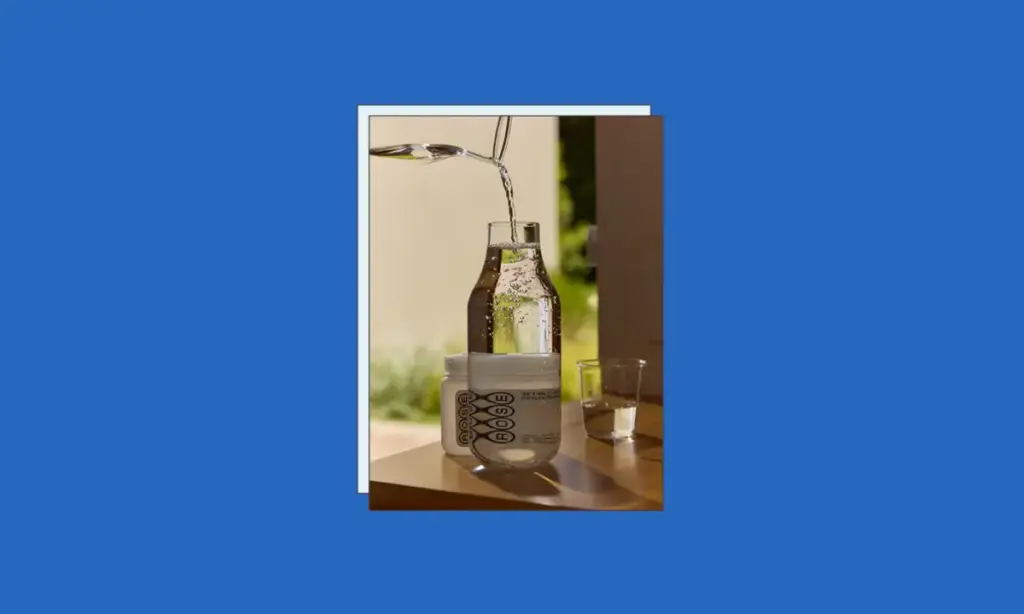
You turn on the kitchen tap, fill a glass or run water through a countertop pitcher, and assume the job is done. The chlorine smell is gone, the floating particles have vanished, and you trust that microplastics and heavy metals have been left behind. Millions of households rely on this daily routine, placing complete faith in their filtration systems to safeguard their health. However, recent developments in environmental health and consumer testing suggest that reality may be far more complicated. Not all water filters are created equal, and depending on the specific model in your home, potentially hazardous contaminants could still be slipping straight into your glass.
This invisible gap in home safety is the driving force behind ROSE Water, a newly launched at-home testing kit designed to uncover the true composition of drinking water, even after it has passed through a filtration system. Co-founded by Eli Bronner and Henry Ellis, ROSE positions itself as an exposure health company, backed by an advisory board comprising specialists in environmental health, toxicology, epidemiology, and chemistry. Their $399 testing kit arrives at a time when growing numbers of consumers are beginning to question whether standard household pitchers and under-sink units are providing the comprehensive protection they advertise.

Why Having a Filter Doesn’t Mean You’re Covered
The misunderstanding often begins with what water filters are actually certified to do. According to NSF, an independent organization that develops rigorous testing standards for filtration systems, different certifications mean entirely different things. For instance, an NSF/ANSI 42 certification focuses strictly on aesthetic qualities—improving the taste, odor, and appearance of municipal water by reducing chlorine and particulate matter. It does not certify that a system reduces contaminants that pose genuine health risks.
To address substances with potential health implications, consumers must look for filters certified under NSF/ANSI 53 or NSF/ANSI 58, the latter of which specifically applies to reverse osmosis systems. Even under these standards, the range of specific substances a filter is certified to reduce can vary widely from one model to another. Consequently, water that tastes pristine and crystal clear may still contain microscopic traces of lead, arsenic, or synthetic chemicals. Unless homeowners actively verify what their specific filter model is rated to remove, they may be operating under a false sense of security.

What’s Actually at Stake
The stakes for household water safety are underscored by federal data and independent scientific research. The Environmental Protection Agency maintains that there is no safe level of lead exposure, establishing a health-based goal of zero for lead in public drinking water systems. Despite this regulatory stance, a prominent study revealed that 25% of tested tap water sources exceeded 1 part per billion of lead, which is the stricter reference level recommended by the American Academy of Pediatrics. Lead contamination typically stems from aging municipal infrastructure and household plumbing components, meaning even treated water can pick up toxic metals on its final journey to the tap.
At the same time, public health concerns have increasingly centered on per- and polyfluoroalkyl substances, widely known as PFAS or "forever chemicals." These resilient synthetic compounds have been linked to elevated cholesterol levels, liver damage, thyroid disease, and various reproductive health complications. Their prevalence is staggering; one recent scientific study estimated that between 71 million and 95 million Americans may rely on groundwater sources containing detectable levels of PFAS. Because these chemicals do not break down easily in the environment or the human body, detecting and eliminating them at the point of use has become a major priority for environmental scientists.

Introducing ROSE, the Exposure Health Startup
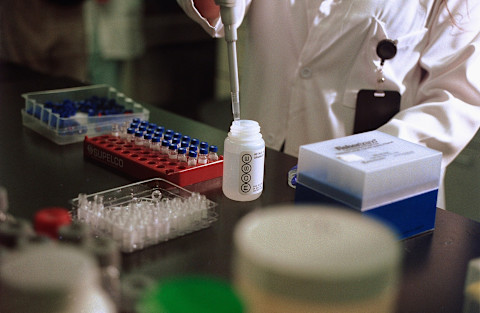
To help consumers navigate these hidden hazards, the newly launched startup ROSE has introduced a comprehensive testing protocol. Priced at $399 for a single-tap kit, with options for a two-tap bundle to evaluate water from multiple sources around the home, the service analyzes a single tap water sample for more than 100 distinct contaminants. The test screens for heavy metals, volatile organic compounds, pesticides, and a wide array of PFAS compounds. Rather than relying on standard municipal reports, which provide broad averages for an entire utility district rather than specific household plumbing conditions, ROSE processes samples in an ISO-certified laboratory using advanced methodologies that the company reports exceed standard EPA performance criteria.
The philosophy guiding the startup centers on a straightforward methodology: "Test. Treat. Track." Instead of guessing which filtration technology is required for a specific household, consumers can identify the exact contaminants present in their water, select an appropriate treatment method, and subsequently retest the water to verify whether the intervention was successful.

How the Test Actually Works
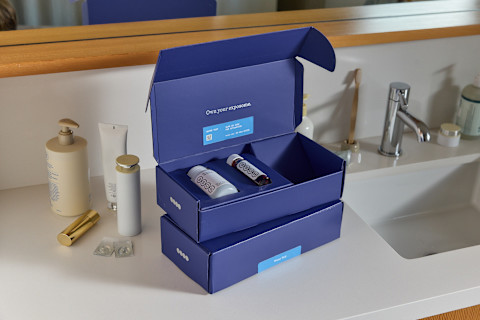
While the laboratory analysis involves sophisticated analytical chemistry, the consumer experience is designed to be straightforward. The process begins the night before sample collection by freezing an included ice pack. The following morning, ideally after the household tap has gone completely unused for approximately eight hours to capture standing water in the pipes, the user collects the sample using the provided vessels. The entire collection procedure takes about seven minutes.
Once collected, the sample is dropped off at a shipping carrier the same day, with early-week shipping recommended to prevent samples from sitting in transit over the weekend and potentially degrading. Results are delivered digitally via email, accompanied by customer support from the ROSE team to help interpret the scientific findings and answer questions regarding the data.
Turning Your Results Into an Actual Plan
Armed with detailed data about specific local contaminants, homeowners can finally make targeted decisions regarding filtration. If laboratory results detect elevated levels of lead or specific PFAS compounds, residents know precisely which certification standards—such as NSF/ANSI 53 or 58—their replacement filters must meet.
Furthermore, regular retesting offers a reliable method for evaluating the lifespan of existing filtration media. Most manufacturers base their filter replacement schedules on generalized averages rather than the unique chemical load of a specific municipal or well water source. By retesting periodically, households can determine if their replacement cycle is adequate or if heavy contamination requires more frequent filter changes.
The rollout of the water testing kit represents only the initial phase for the startup. The enterprise has outlined plans to expand into biomarker-based exposure testing in early 2027, with longer-term initiatives focused on evaluating air quality, mold, and internal body burdens as part of a comprehensive exposure-health platform.
Ultimately, the launch of the ROSE Water Test highlights a vital reality for modern households: visual clarity and pleasant taste are not reliable indicators of purity. By providing a clear, laboratory-backed assessment of what is actually emerging from household taps, the new testing platform aims to remove the guesswork from water safety and empower consumers to verify that their protective measures are truly doing their job.