


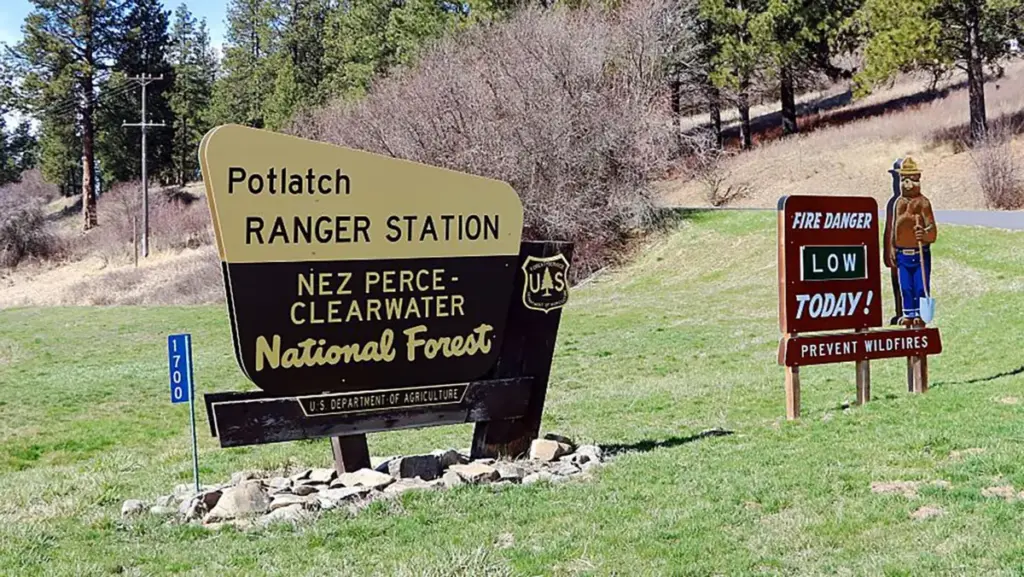
A federal judge has temporarily blocked the Trump administration’s sweeping plans to relocate the U.S. Forest Service headquarters to Utah and shutter its nine regional offices, halting a massive reorganization that has ignited fierce debate over the future stewardship of 193 million acres of public land.
On October 13, U.S. District Judge Vince Chhabria issued a ruling determining that the Department of Agriculture cannot proceed with the proposed office closures or force federal employees to relocate while an ongoing lawsuit challenging the agency-wide overhaul moves through the courts. The preliminary injunction also places a temporary freeze on similar administrative changes slated for several other divisions within the Department of Agriculture.
The legal challenge was brought forward by a coalition of labor unions, local governments, and environmental organizations that argue the restructuring violates federal law and congressional spending restrictions. Erik Molvar, executive director of the Western Watersheds Project, which serves as one of the plaintiffs in the lawsuit, praised the judge’s decision, telling reporters that the aggressive overhaul threatens the foundational oversight necessary to protect public lands.
"You can’t have responsible public lands management and enforcement of environmental regulations without staff inside the federal agencies," Molvar said, emphasizing the critical role that boots-on-the-ground personnel play in maintaining the ecological health of federally managed wilderness and forests.
The controversial restructuring was initially announced by the Forest Service in March. Under the administration’s proposal, the agency’s primary headquarters would be uprooted from Washington, D.C., and re-established in Salt Lake City, Utah. Furthermore, the plan sought to eliminate the agency’s nine long-standing regional offices, replacing them instead with 15 state-level offices. The restructuring would also see the closure of 23 distinct research facilities, consolidating the agency’s scientific operations into a single hub located in Fort Collins, Colorado.
Proponents of the plan, including top federal forestry officials and political leaders in Utah, have defended the reorganization as a necessary step to streamline operations and bring decision-makers closer to the landscapes they govern. Forest Service Chief Tom Schultz argued when the plan was unveiled in March that the adjustments would successfully reduce bureaucratic red tape and align administrative priorities with the practical realities of managing Western ecosystems.
Utah state officials have strongly advocated for the relocation. In a joint statement issued following the court’s decision, Utah Governor Spencer Cox, House Speaker Mike Schultz, and Senate President Stuart Adams sharply criticized the judicial intervention, calling the ruling a setback for common sense and responsible public lands management. They asserted that policies and decisions directly impacting Western forests are best formulated by communities and leadership structures geographically proximate to the affected regions.
However, critics and legal challengers contend that the administration bypassed vital legislative guardrails to push the reorganization through. In his detailed 40-page opinion, Judge Chhabria found that the Department of Agriculture was likely violating congressional restrictions by utilizing appropriated funds to finance the closure of regional offices and the forced relocation of personnel. The judge’s decision rested primarily on these budgetary and administrative compliance questions, rather than a broad evaluation of whether the restructuring constitutes sound environmental or public policy.
What Does This Mean for People Who Use National Forests?
For everyday visitors, the preliminary injunction does not immediately alter access to the nation’s sprawling network of public lands, which includes 154 national forests and 20 national grasslands. Millions of Americans rely on these federal areas annually for recreation, including hiking, camping, climbing, skiing, and hunting.
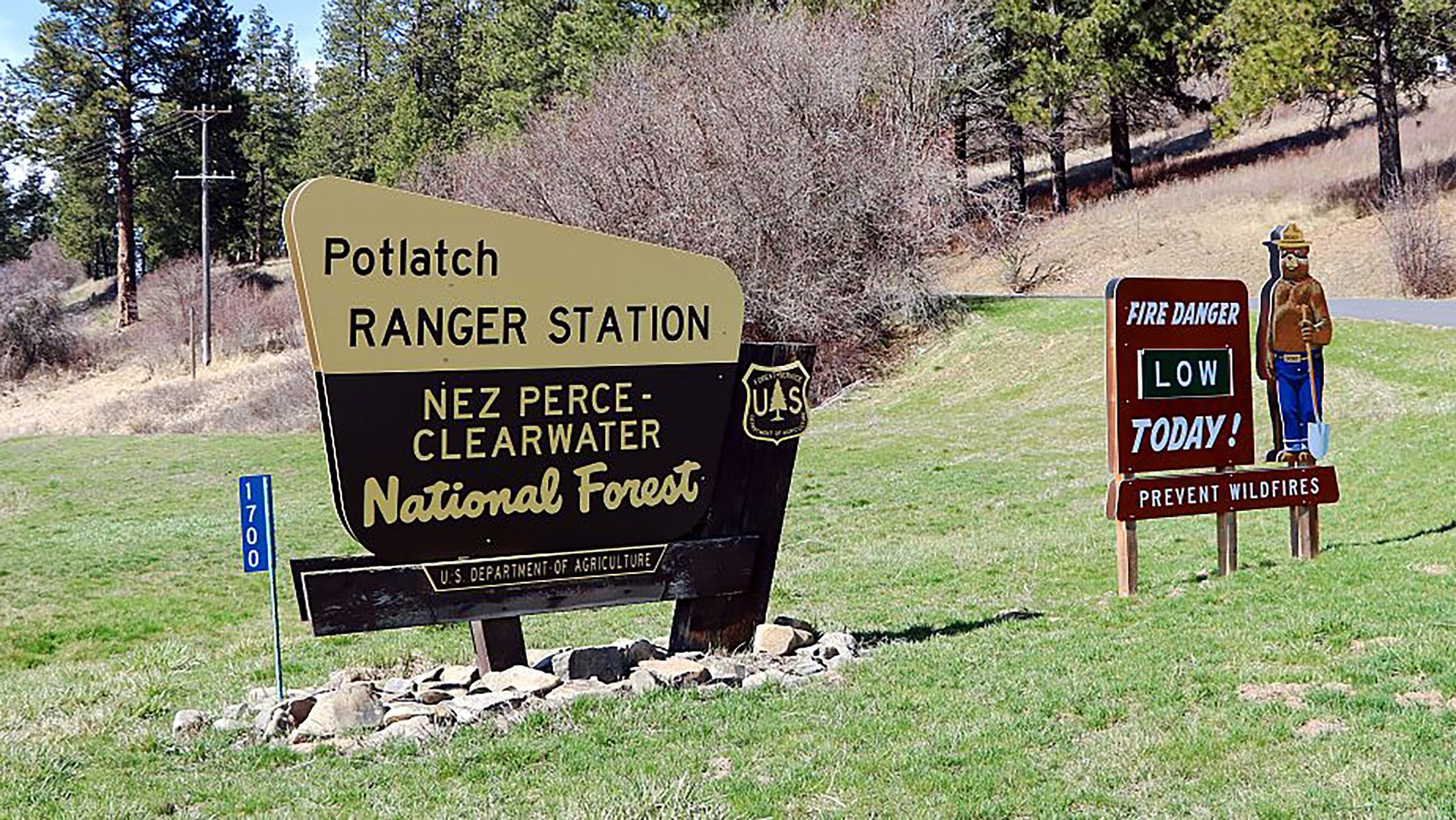
Nevertheless, conservation groups warn that the long-term implications of the restructuring could fundamentally alter the balance of power in public land management. Molvar and other critics argue that transitioning away from multi-state regional offices in favor of smaller, state-based leadership structures could disproportionately increase the influence of individual state governments—many of which have historically pushed for greater state control or commercial exploitation of federal acreage.
"Overall, I think this is part of a broader move to remove regulations that protect our public lands from industrial and commercial uses," Molvar cautioned, noting that the structural shift could pave the way for increased commercial logging, clear-cutting, expanded livestock overgrazing, and a subsequent decline in recreational quality and native wildlife habitats.
What Happens Next?
In response to the preliminary injunction, a spokesperson for the Department of Agriculture stated that the agency is currently reviewing Judge Chhabria’s decision and intends to file a formal legal response with the court.
Despite the temporary relief provided by the ruling, the reprieve may be short-lived. The specific congressional spending restrictions underpinning the judge’s legal rationale are currently scheduled to expire on December 11. When that deadline arrives, Congress could choose to extend the restrictions, modify the underlying language, or allow the provisions to lapse entirely—a scenario that could potentially clear a path for the administration to revive its relocation and restructuring plans. In the meantime, the underlying lawsuit remains active and unresolved.
Plaintiffs involved in the litigation have expressed cautious optimism regarding the court’s temporary block, while acknowledging that the broader legal and political battle is far from over.
"This ruling is an important reprieve, but the fight continues as the case moves forward," the Coalition to Protect America’s National Parks said in a written statement. The coalition is one of several nonprofit advocacy organizations participating as a plaintiff in the lawsuit.
Labor representatives echoed these sentiments, emphasizing the human and operational toll that the forced relocations would have inflicted on the federal workforce. Everett Kelley, president of the American Federation of Government Employees—a union participating in the lawsuit—argued that the ruling reinforces the principle that executive agencies cannot bypass Congress when undertaking massive organizational overhauls.
"Today’s ruling keeps those workers on the job serving the American people, and AFGE and our allies will keep fighting for as long as it takes to make sure this administration follows the law," Kelley said.
With the legal proceedings set to continue, organizations like the Western Watersheds Project have made clear their intention to pursue a permanent resolution.
"We’ll be continuing to litigate the case on the merits to kill this ill-conceived notion once and for all," Molvar said.