

Consumers are increasingly turning to affordable, highly specialized products designed to solve minor yet persistent household inconveniences, according to recent market observations highlighting a wave of low-cost, high-functionality innovations. While these items often carry minimal price tags, their engineering focuses on maximizing utility, simplifying everyday routines ranging from cooking to personal organization, and providing practical solutions for domestic tasks without requiring a substantial financial investment.
Among the domestic maintenance tools catching consumer attention is an extendable ceiling fan duster designed to wrap completely around individual fan blades. Traditional cleaning methods often require precarious positioning on ladders or fail to clean the entire blade surface efficiently. This tool adjusts to nearly 50 inches in length, allowing users to reach high fixtures safely from the floor. Its microfiber cleaning head is fully removable and machine washable, combining ergonomic safety with practical maintenance.
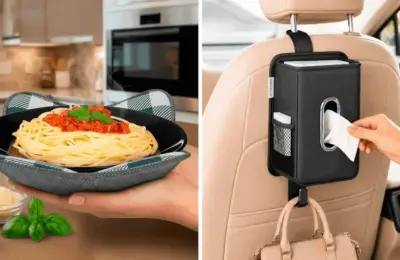
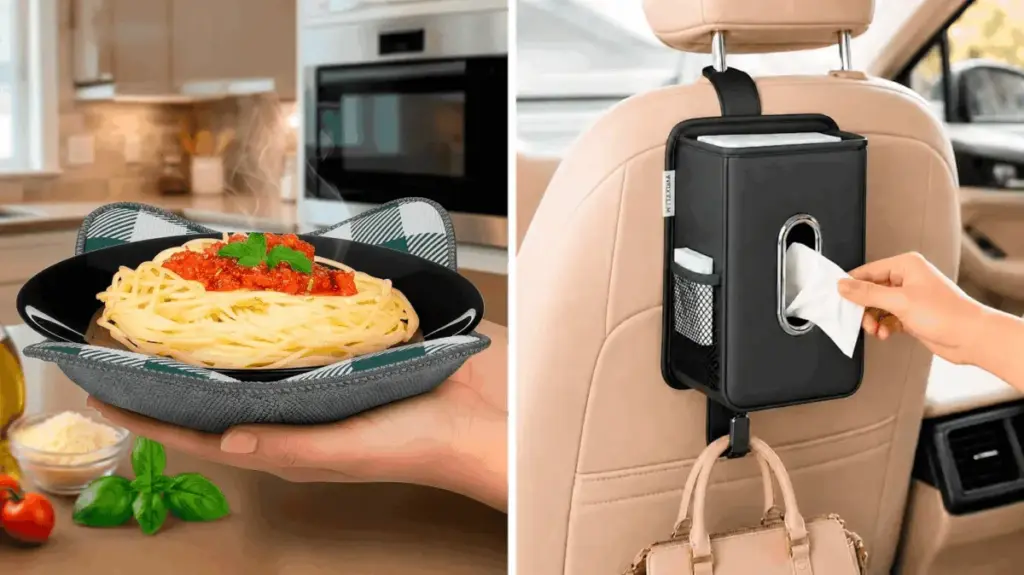
Automotive organization has similarly benefited from functional design updates. A newly popular car organizer hangs securely on the back of vehicle seats while occupying minimal interior space. It incorporates multiple specialized compartments, including a dedicated tissue holder, hanging hooks suitable for purses or grocery bags, a compact built-in garbage can, and mesh pockets designed to secure loose odds and ends.
In the realm of personal carry items, a best-selling multi-tool pen has gained traction for its dense packing of utility features into a standard writing instrument footprint. Alongside traditional ink-writing capabilities, the device integrates an LED light, a precision ruler, a bubble level, a bottle opener, a stylus, and a two-head screwdriver. Its compact size ensures it can be carried continuously, addressing unexpected minor repair and measurement needs on the go.
Personal accessories have also seen targeted redesigns to resolve common ergonomic conflicts. A notable example includes specialized hair claw clips engineered with a distinct central gap. This structural modification allows individuals to wear claw clips comfortably while simultaneously wearing a baseball hat—a combination that traditional hair accessories typically render uncomfortable. Users have noted that the central opening accommodates the hat brim and band seamlessly while maintaining a secure hold on the hair.
Kitchen efficiencies remain a major focus for functional product development, particularly regarding time-saving culinary tools. A microwavable potato cooking bag, for instance, significantly reduces preparation times that traditionally require extended oven baking down to mere minutes, depending on microwave wattage and potato quantity. The washable and reusable bag offers an expedited cooking alternative for home cooks seeking efficiency.
Storage and preservation innovations are also addressing common kitchen frustrations. An airtight glass honey jar features a built-in wooden dipper integrated directly into the lid, allowing users to dispense precise amounts of honey while maintaining an airtight seal to preserve freshness. The 16-ounce clear container lets users monitor remaining supplies at a glance. Similarly, terracotta spoons designed for brown sugar storage slowly release moisture to prevent the sugar from hardening, fitting compactly inside storage containers without taking up excessive space.
For digital and analog organization, consumers are utilizing specialized recording mediums. A faux leather password book provides a dedicated, offline repository for digital credentials, featuring 144 pages with capacity for nearly 1,800 passwords and alphabetical side tabs for rapid navigation. For reading materials, a marble-inspired flat bookmark doubles as a slim pen, allowing readers to jot notes in margins without creating bulk or obstruction within the book.
Footwear management has also seen practical adaptations. No-tie elastic shoelaces serve as a streamlined replacement for traditional laces, utilizing built-in buckles to convert standard sneakers into slip-on shoes. Reviewers have noted that the design eliminates bulky knots and dangling ends, offering a cleaner aesthetic suitable for both children and adults.
Emergency preparedness and household lighting have advanced through compact, multi-functional devices. A keychain light featuring a magnetic, adjustable base offers multiple operational modes, including high, low, and emergency flashing, powered by a rechargeable battery. Similarly, plug-in LED flashlights remain stored in standard wall outlets, automatically activating during electrical blackouts to provide up to three hours of continuous portable illumination.
Kitchen accessories continue to evolve with targeted safety and organizational aids. Silicone bowl holders protect hands from burns when retrieving hot soups or leftovers from microwaves, utilizing multiple padded layers of insulation. Double-sided silicone baking spatulas combine a curved scraper on one end with a spoon on the reverse, offering nonstick, dishwasher-safe utility for mixing and jar-scraping. Additionally, stainless steel soap bars utilize metal chemistry to neutralize persistent food odors from ingredients like garlic, onions, and fish on human skin.
Travel and commuting accessories round out the market offerings with space-saving and security innovations. Compression packing cubes utilize water-resistant polyester and breathable mesh to maximize suitcase capacity, accompanied by specialized shoe bags and hanging organizers. Meanwhile, passport holders incorporate RFID-blocking materials, water-resistant faux leather, and integrated slots for tracking devices like AirTags to prevent loss during international transit.