The Apple iPhone 18 Pro and iPhone 18 Pro Max have officially arrived, presenting an exterior design that largely mirrors their predecessors. However, beneath this familiar outward appearance lies a profound and transformative engineering overhaul centered entirely on the main camera system. For the first time in the history of the smartphone lineup, an iPhone features a true variable aperture. PetaPixel recently spoke directly with representatives from Apple in a rare, unscripted conversation to understand the driving forces behind this new feature, the intricate mechanics of how it functions, and what it ultimately means for photographers and videographers utilizing Apple’s latest flagship devices.
This rare window into Apple’s internal operations provided valuable insight into how the company approaches complex engineering and design decisions for one of its most critical and high-value product lines. Balancing the demands of everyday consumers who want a reliable point-and-shoot camera with the advanced expectations of professionals has always been a central challenge for the iPhone Pro series.
Why Is Now the Right Time for a Variable Aperture on iPhone?
Perhaps the most pressing question surrounding the iPhone 18 Pro series’ new variable-aperture main camera is simply why Apple chose this moment to introduce it. Apple has had numerous opportunities to implement a variable aperture in past generations, and several of its competitors in the mobile industry have explored similar technology over the years.
According to Jeremy Hendricks of Apple’s iPhone Product Marketing team, the Pro line must continually evolve to serve two distinct audiences simultaneously. The goal is to make capturing the best possible shot as simple as possible for anyone, while simultaneously delivering technically advanced capabilities for experienced photographers and videographers. Hendricks notes that the Pro line has always had to balance these two sides carefully.
As it turned out, the introduction of the variable aperture was less about ticking a box for a specific feature and much more about fundamentally improving image quality. The variable aperture mechanism was initially pursued as a necessary means to an end. Matt Waldon, Senior Director of Camera and Depth Hardware at Apple, explained that the engineering team started by focusing heavily on sensitivity. Because Apple is always striving to elevate camera performance and deliver superior image quality to its customers, increasing light sensitivity was a primary objective. Waldon noted that there are several distinct ways to achieve this improvement.
One traditional method is to physically increase the size of the image sensor. A larger sensor is a reliable way to boost sensitivity, but it comes with notable trade-offs. Bigger sensors demand significantly more physical space inside the chassis, require larger lenses, and necessitate additional processing power to handle the data load. For Apple, a more efficient solution was to design a faster lens aperture. In the case of the iPhone 18 Pro and Pro Max, this meant widening the lens from the previous generation’s f/1.8 aperture down to a much faster f/1.48 setting.
However, moving to an f/1.48 lens introduced new optical challenges. Waldon explained that if they had implemented that faster aperture without a variable mechanism, users would encounter severe limitations in everyday shooting scenarios. For example, when photographing a subject up close with background elements that the user also wants to capture sharply, a wide-open f/1.48 aperture would result in a loss of overall sharpness and depth, preventing the user from capturing the specific image they intended.
Consequently, developing a variable aperture became an essential engineering challenge to overcome. Apple wanted to harness the low-light benefits of a faster lens without sacrificing image sharpness and flexibility in situations where a wide-open aperture is neither needed nor desired.
Giving Photographers More Creative Control
Beyond the technical improvements to raw image and video quality, the inclusion of a variable aperture opens up a broader array of creative possibilities for serious content creators, aligning perfectly with the ethos of the Pro brand. Hendricks explained that expanding the overall creative range for users made aperture control the next logical step to introduce to the Pro camera system.
Waldon expressed considerable enthusiasm for the creative flexibility the variable aperture system affords creators. By allowing the camera to shorten the depth of field even further than the previous f/1.8 limit, or conversely, by allowing the aperture to close down, creators gain unprecedented control over their visual output. Closing down the aperture provides greater flexibility over shutter speeds for both video and still photography, while also enabling a distinct, aesthetically pleasing starburst effect around point light sources when desired.
Six Aperture Blades Struck the Right Balance
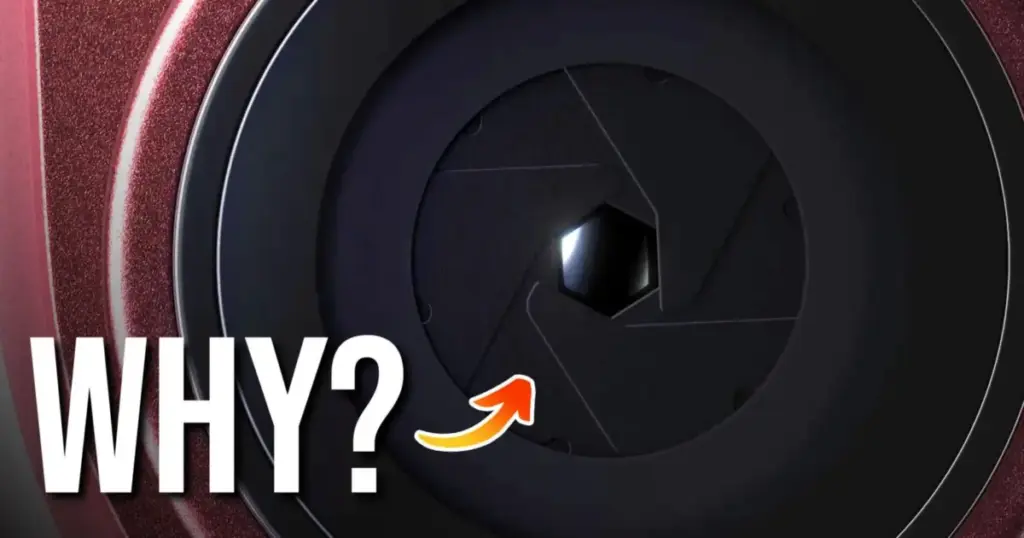
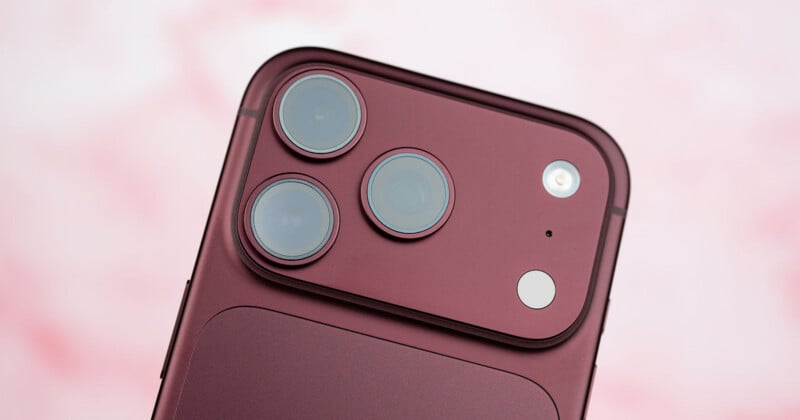
The stepless variable aperture mechanism engineered by Apple incorporates six precisely designed and rigorously tested blades. When discussing the rationale behind choosing a six-blade configuration, Waldon pointed to physical dimensions and mechanical constraints. As more blades are added to an aperture mechanism within the tight physical confines of a smartphone module, fitting them all together becomes exceptionally difficult.
At the same time, Apple wanted to ensure there were enough blades to maintain a smooth, circular opening at every setting. The team conducted extensive optimization regarding the shape of the blades across all available aperture settings because the blade geometry directly impacts how out-of-focus areas, bokeh, and starburst effects appear. For this specific physical and optical design, six blades proved to be the ideal sweet spot.
Each of the six laser-cut aperture blades is constructed from a specialized polymer composite developed specifically by Apple to strike the precise balance between mass, flexibility, and durability. Measuring thinner than a single human hair, these blades operate in tandem with a newly developed compact rotor mechanism. Hendricks highlighted the remarkable nature of packing such a complex mechanical camera module—complete with a rotor mechanism and variable aperture capabilities—into a device that users carry in their pockets every day.
While Apple is known for using enthusiastic terminology to describe its hardware advancements, the level of meticulous detail applied to the iPhone 18 Pro camera is evident. Every millimeter of interior space is precious, and conflicting engineering priorities frequently clash. Integrating a stepless variable aperture into a compact smartphone camera housing is a formidable task, as demonstrated by the fact that many competing manufacturers who experimented with variable apertures in the past eventually abandoned them in subsequent iterations.

Each Aperture Value Has Its Place
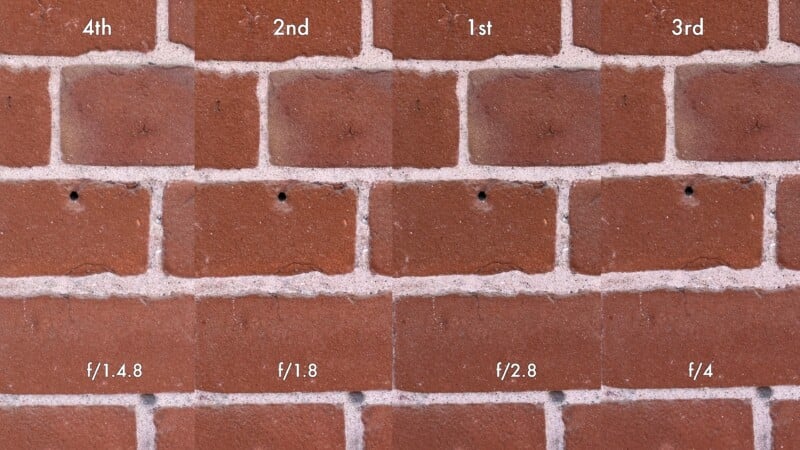
Although the aperture mechanism features a stepless design capable of continuous adjustment, users are currently given direct access to four distinct settings within the interface. Mobile photographers and videographers can manually switch between f/1.48, f/1.8, f/2.8, and f/4, with f/1.8 serving as the default setting.
Apple maintains that f/1.8 remains the optimal overall choice for general shooting because it delivers exceptional sharpness, provides a pleasing amount of background blur when subjects are close to the camera, and offers a familiar shooting experience. It represents a carefully calibrated middle ground between lens speed and sharpness. Waldon noted that as users push toward the extremes of the aperture range, minor trade-offs occur: slight compromises in sharpness appear at f/1.48 due to optical aberrations, while diffraction affects image fidelity at the narrowest end of the scale at f/4.
Even though f/1.8 is ideal for many common scenarios, Apple remains dedicated to providing users with choices. Hendricks and Waldon expressed particular interest in observing how videographers utilize the expanded aperture range to dial in precise shutter speeds and achieve their desired cinematic look.

Pro Controls
For Apple, the combination of the new variable aperture and the introduction of native Pro Controls on the iPhone 18 Pro and Pro Max creates a powerful synergy for creative expression. Historically, iPhone owners wishing to access granular, manual camera settings had to rely on third-party applications. While those external applications retain robust feature sets and remain valuable for specific users, Apple believes its native Pro Controls will introduce a broader audience to the fundamentals of manual photography while simultaneously satisfying advanced users who have requested these capabilities directly inside the default Camera app for years.
Hendricks noted that Pro Controls naturally invite people to learn about and experiment with manual settings, even if they lack an extensive photography background. Waldon added that because the Camera app and Pro Controls default to fully automatic operation by design, users are never required to master manual adjustments just to take a snapshot; they can simply open the app, press the shutter, and let the hardware and software handle the process. However, once users begin exploring the interface, the depth of the adjustable settings offers an engaging and rewarding experience.
Hendricks emphasized that having full manual control while still taking advantage of the device’s advanced computational photography pipeline allows users to benefit from consistent image quality, custom Photographic Styles, and sophisticated audio-video mixing tools. Providing greater flexibility upfront directly translates to a wider creative range for the end user.

A Cascading Series of Events That Changed the iPhone 18 Pro’s Camera System
Although Apple is far from the first manufacturer to experiment with variable apertures in mobile devices, the company has approached the technology with deliberate caution. Waldon noted that Apple went into the project intentionally to ensure that the feature creates a tangible, noticeable difference in real-world shooting scenarios, such as when a photographer needs greater depth of field to capture both near and distant subjects within the same frame. He acknowledged that past industry implementations often failed to deliver a meaningful difference, whereas Apple waited until its optical format and f-number alignment could support both pristine image quality and expanded creative freedom.
Unlike competitors who previously introduced and subsequently dropped variable aperture technology, Waldon confirmed that Apple views the feature as a foundational element for its Pro camera systems moving forward.
It is notable that every major advancement in the iPhone 18 Pro camera system ultimately originated from a single, straightforward objective: improving low-light image quality. With multiple paths available to achieve that goal, Apple settled on utilizing a faster aperture lens. Because a fast aperture is not always desirable in bright conditions, the aperture needed to be variable. And once the hardware included a variable aperture, providing users with the means to control it became the logical next step, leading directly to the development of native Pro Controls.

While individual changes viewed in isolation might appear modest, real-world usage demonstrates that these combined hardware and software refinements accumulate into a substantially elevated photography and videography experience.