

Published October 6, 2026
The physical fatigue should have put an immediate end to the day as 3 A.M. arrived on night six of an intensive Alaska aurora hunt. Having experienced a rare string of crystal-clear skies and unusually strong northern lights activity, the reporter had barely slept a wink over nearly a week. Yet, there was zero intention of slipping into a traditional slumber. Instead, it was time to settle in for phase two of the night’s celestial performance: admiring vibrant lime and purple streamers directly from the comfort of a warm bed.
This autumn trip diverged sharply from many conventional aurora pursuits, which typically demand grueling guided tours or long, freezing hours standing exposed in the wilderness. On this particular excursion, the focus shifted entirely to overnighting in specialized accommodations engineered specifically for sky-watching. For anyone who pursues nocturnal wonders professionally, this approach to astrotourism represents a game-changing shift in how travelers experience remote nightscapes.
Over years of reporting and photography across the globe, nightscapes have been experienced through myriad lenses, ranging from independent DIY stargazing outings and formal guided observatory tours to spontaneous roadside stops. However, one of the most rewarding ways to experience the cosmos is from an accommodation explicitly designed around the stars. Whether located deep within a protected dark-sky park or outfitted with transparent architecture for northern lights viewing, these properties bridge the gap between rugged outdoor exploration and comfortable hospitality.
Below are seven of the most remarkable places to stay in the United States for stargazing, evaluated through firsthand visits that highlight the unique dark-sky conditions and amenities each destination offers.
1. Borealis Basecamp: Fairbanks, Alaska
For dedicated aurora hunters, the geographical positioning of Borealis Basecamp is exceptionally difficult to surpass. Situated a quick 45-minute drive from Fairbanks—a major hub connected to the lower 48 states via direct commercial flights—the camp sits far enough away from municipal light pollution to preserve the integrity of the night sky. The property lies squarely within the northern hemisphere’s primary auroral zone, making it a premier destination for high-latitude light displays.
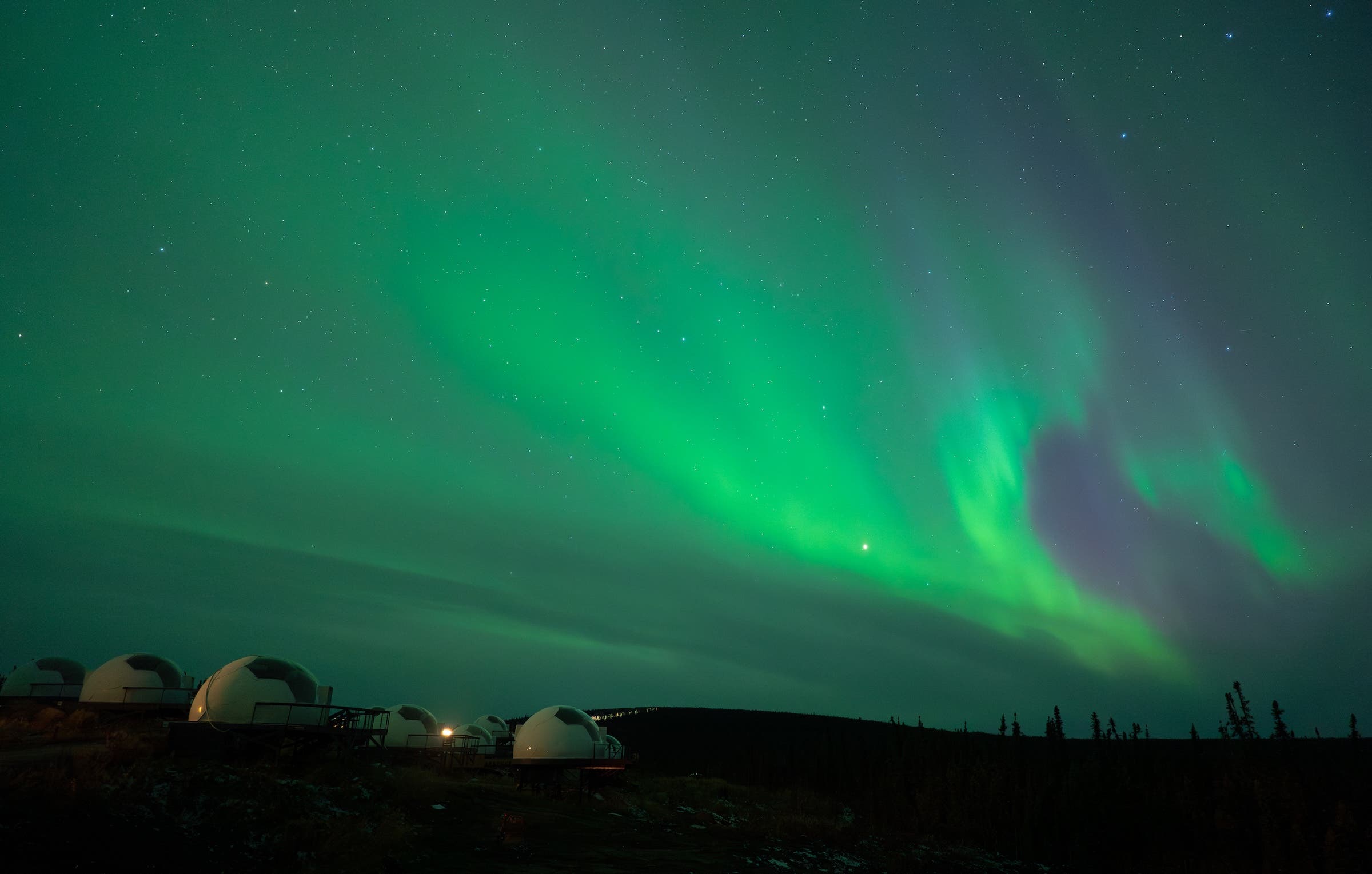
Borealis Basecamp caters directly to sky-watchers by offering expert lectures on lights chasing alongside specialized accommodations featuring unobstructed architectural views of the heavens. Guests can choose between fiberglass igloos and glass-walled cubes. During a September stay, one traveler observed a powerful light show starting just after dinner, watching for hours from a private patio before continuing the viewing session from bed. Securing a front-row igloo, such as room 401, maximizes privacy by placing guests right at the edge of a dense, spruce-stuffed Alaskan forest with nothing between the room and the open sky.
2. Skyview Hotel: Torrey, Utah
Venturing into Torrey, Utah, provides an immediate introduction to the renowned nightscapes of Capitol Reef National Park. This remote red-rocks destination has earned DarkSky International’s most prestigious gold-tier status, a designation that becomes instantly apparent upon spending a single night under its protected canopy. Staring deep into the glowing core of the Milky Way while watching shooting stars trace paths overhead reveals the true value of rigorous light-pollution regulations.
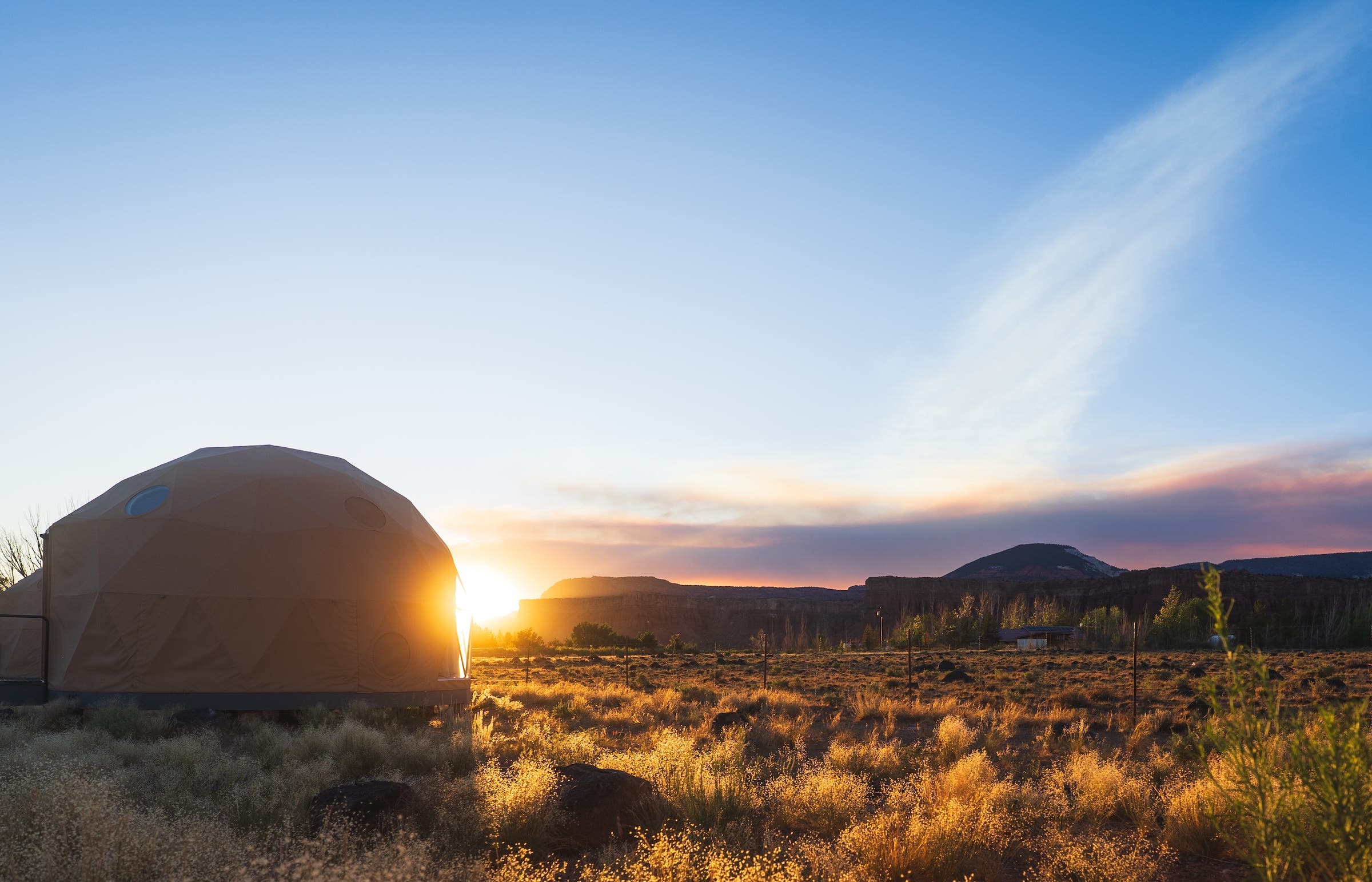
Located just six miles from the park entrance within the DarkSky-certified town of Torrey, the Skyview Hotel offers diverse lodging choices designed to maximize celestial visibility. Accommodations range from cozy geodesic domes featuring overhead skylights to premium king rooms in the main lodge. A standout feature of the lodge rooms is the private hot tub, which offers an ideal vantage point for tracking meteor showers like the Perseids. Pairing a late-night stargazing session on the private patio with takeaway pie from the nearby historic Gifford Homestead creates an unforgettable regional experience.
3. The Summit at Big Bend: Terlingua, Texas
Finding a stellar vantage point across the sprawling 15,000-square-mile Greater Big Bend International Dark Sky Reserve is rarely a challenge. While the national park itself offers breathtaking nighttime scenery accessible from the Chisos Mountain Lodge, travelers can find an equally impressive perch 17 miles west of the entrance at the Summit at Big Bend.
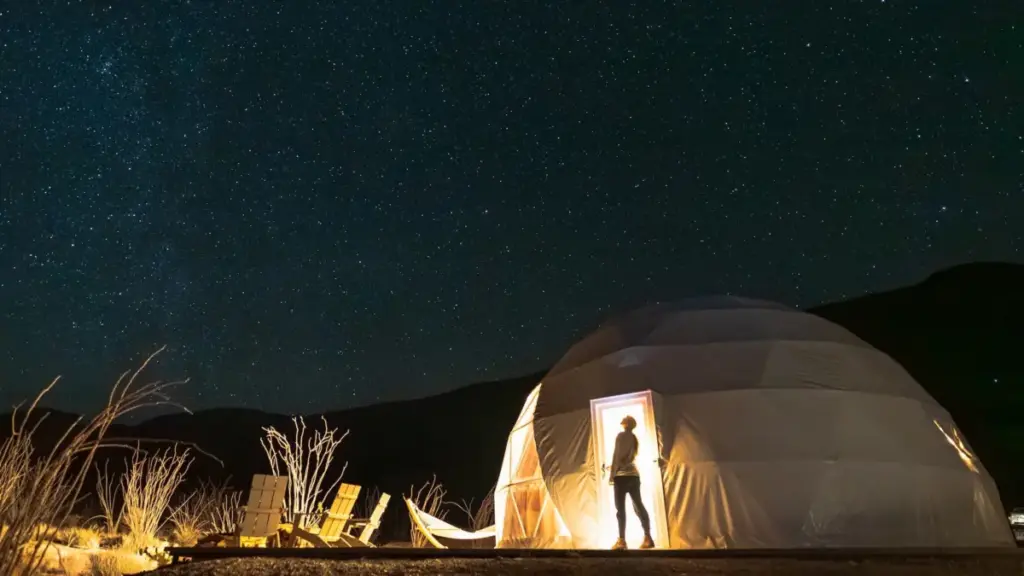
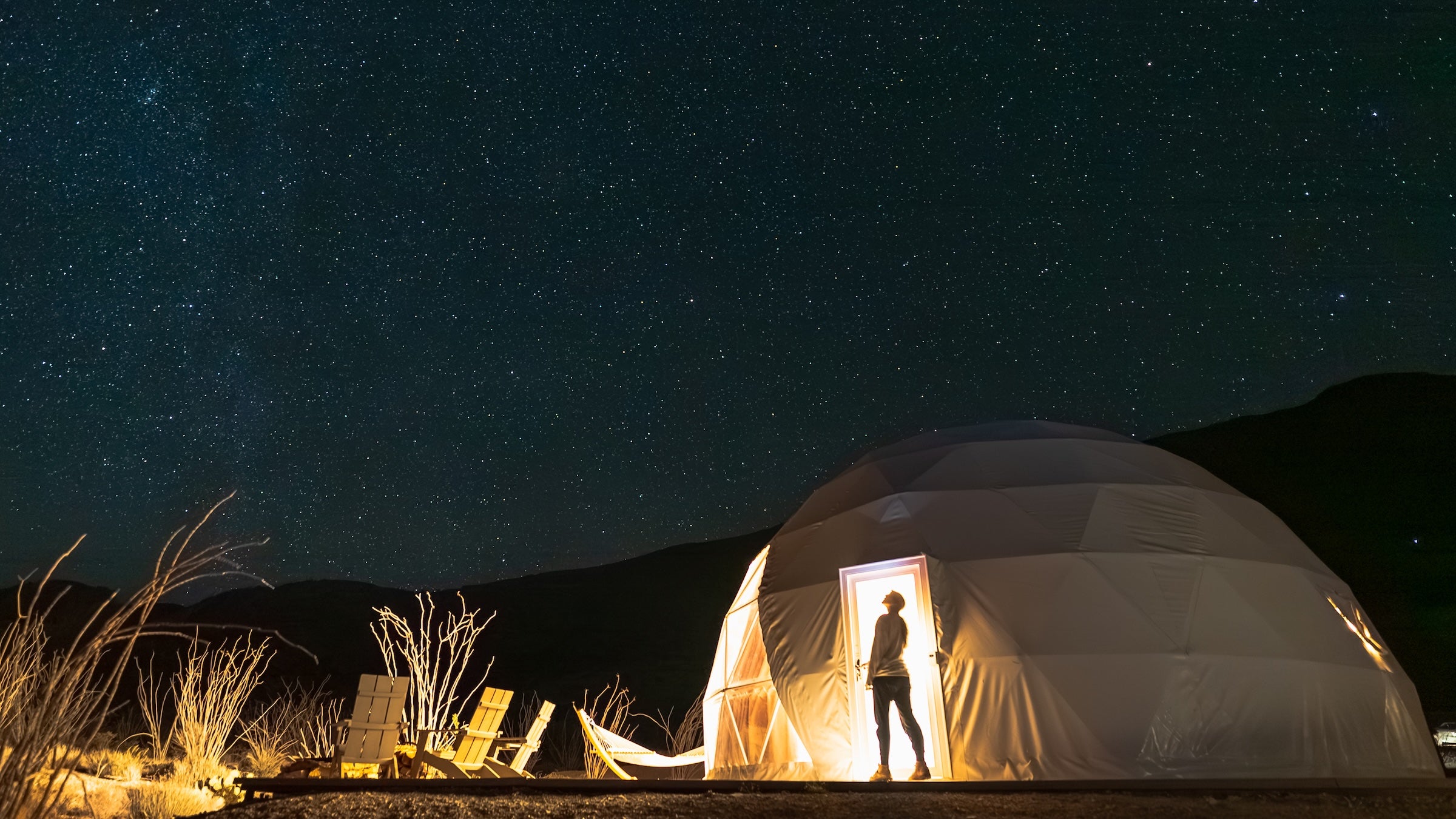
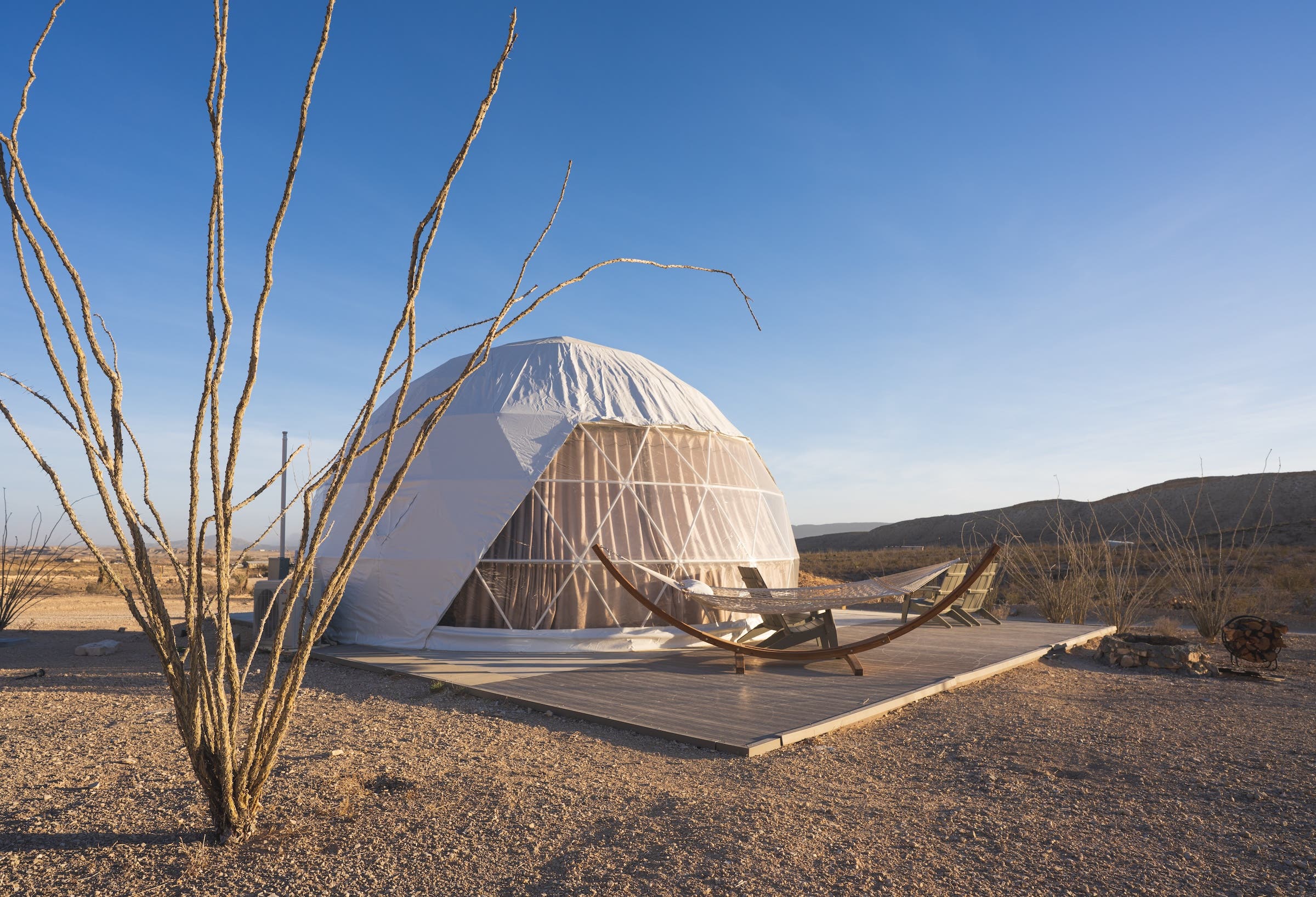
Overlooking the rugged desert scrub just outside the historic ghost town of Terlingua, this property features a collection of stargazing domes equipped with expansive walls that double as sky-watching windows. Guests staying in options like the Stargazer Deluxe Suite enjoy sweeping views and private outdoor patios, alternating between photographing the cosmos above native cacti and relaxing in a hammock beneath the stars. For those seeking an even higher perspective, the property maintains on-site trails leading to a hilltop Summit Viewpoint that surveys the vast expanse of the Big Bend region.
4. Fresh Coast Cabins: Copper Harbor, Michigan
When discussing optimal locations for chasing the northern lights within the contiguous United States, Fresh Coast Cabins in Michigan’s remote Keweenaw Peninsula consistently ranks among the top recommendations. Because auroral activity in lower latitudes typically appears closer to the northern horizon, these cabins provide a strategic advantage with their unobstructed, north-facing vistas across the open waters of Lake Superior.
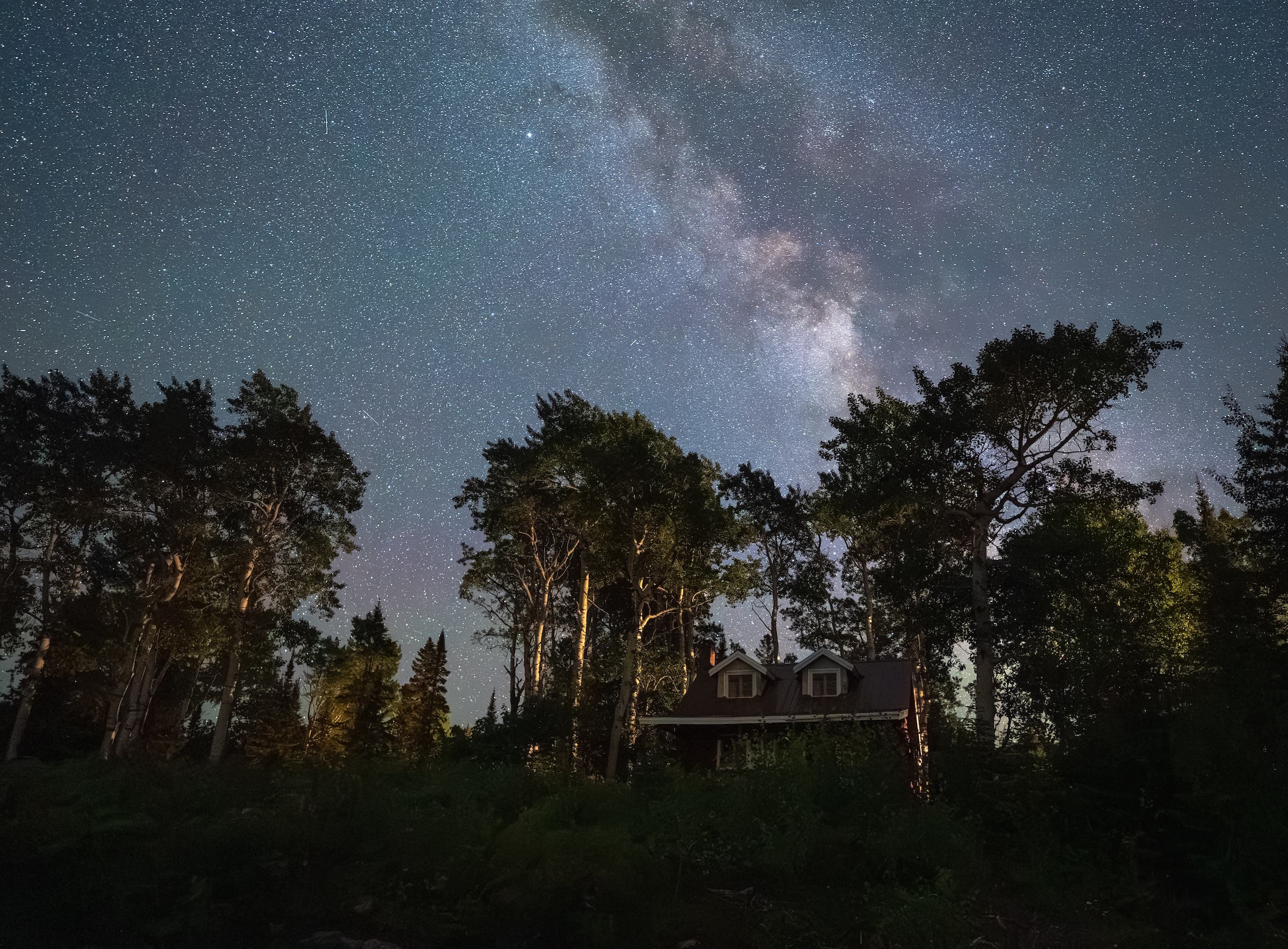
Successful light hunting also requires absolute darkness, a commodity delivered in abundance by the Keweenaw Peninsula. Situated three miles from Copper Harbor—a primary gateway to Isle Royale National Park—Fresh Coast Cabins benefits from deep rural darkness. The Aurora Major Suite on the lodge’s second floor offers an elevated bird’s-eye perspective of Lake Superior from a private balcony and kitchen, while cabin nine places guests directly on the water’s edge for an immersive northward-facing viewing experience.
5. Coopers Rock State Forest Stargazing Cabins: Bruceton Mills, West Virginia
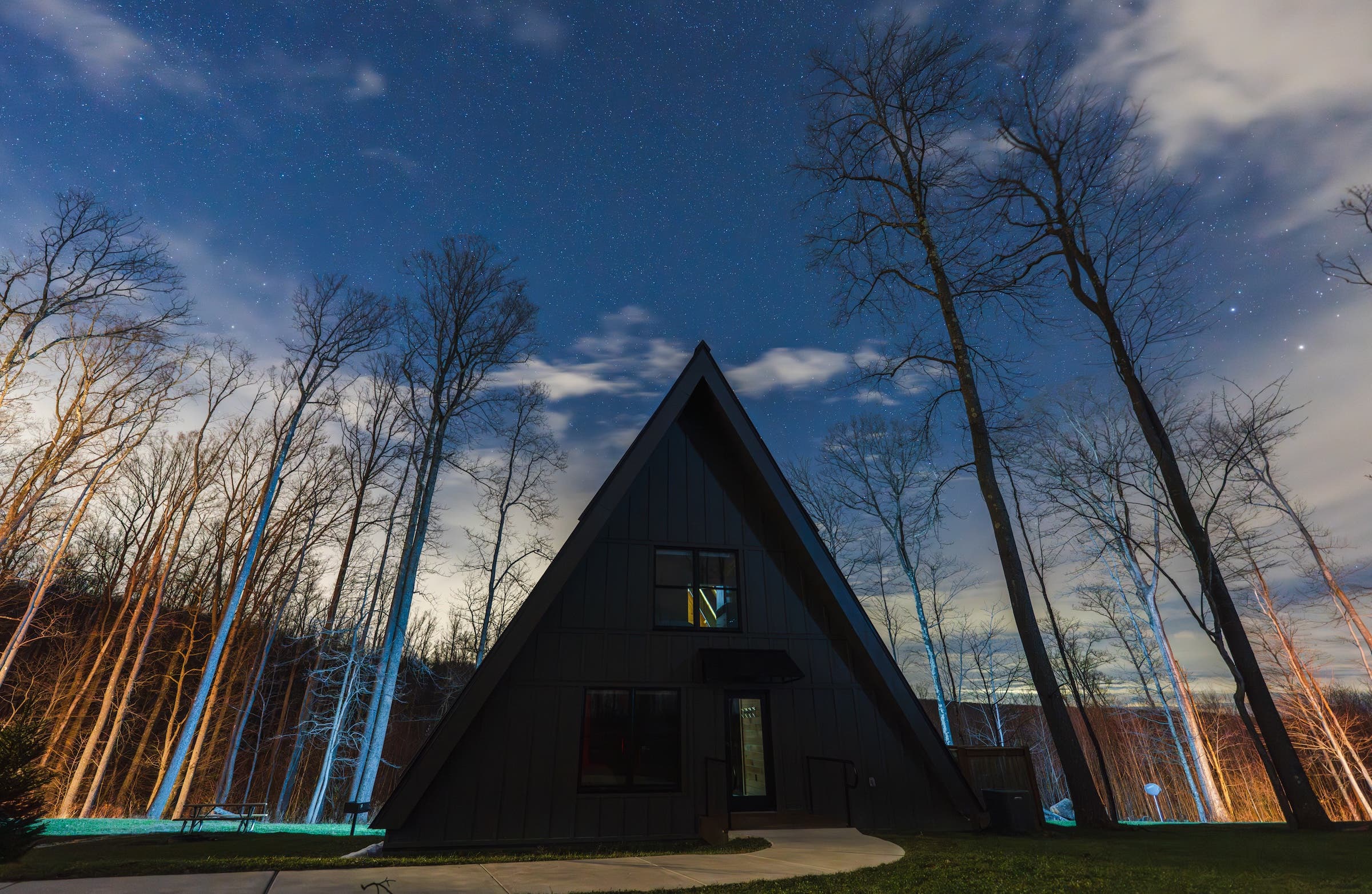
West Virginia expanded its outdoor recreation offerings with the introduction of its first official stargazing cabins within Coopers Rock State Forest. Designed specifically with astronomy enthusiasts in mind, these A-frame structures incorporate oversized windows and private patios that facilitate seamless stargazing from both the interior and exterior. Additionally, each dwelling comes equipped with dedicated telescopes to enhance lunar and planetary observation.
The surrounding Coopers Rock State Forest offers a dramatic natural backdrop, situated roughly 12 miles from Morgantown. The property grants immediate access to extensive trail networks winding through mature oak and maple forests, alongside world-class bouldering opportunities featuring numerous established climbing routes that remain active throughout the seasons.
6. Volcano House: Hawaiʻi Volcanoes National Park, Hawaii
Celestial bodies are not the only phenomena that reveal themselves more clearly under the cover of darkness. Natural events like flowing lava become significantly more distinct when ambient light is removed, a reality demonstrated during a stay at Volcano House within Hawaiʻi Volcanoes National Park. Perched on the edge of the active Kīlauea caldera along the Crater Rim Trail, the historic lodge prioritizes proximity to unique geological wonders rather than specialized astrotourism architecture.
Even without custom stargazing skylights, the location places travelers within immediate reach of nocturnal spectacles. On clear nights, the cobalt sky frames silvery stars while the glowing orange reflections of volcanic activity illuminate passing clouds. Setting an early-morning alarm allows visitors to step out onto the adjacent Crater Rim Trail, capturing photographs of the distant geological glow while simultaneously admiring the clarity of the tropical night sky.
7. ULUM: Moab, Utah
The upscale glamping brand Under Canvas has established a significant presence within the astrotourism community through its ongoing collaboration with DarkSky International. Following the introduction of the world’s first DarkSky-certified accommodation at Lake Powell, the brand has implemented strict light-pollution-prevention measures across multiple properties, including ULUM Moab.
Positioned among the soaring sandstone crags near Moab, this luxury resort features 50 canvas tents that serve as a comfortable basecamp for night photography excursions into nearby Arches National Park. Beyond the exceptionally dark skies and private tent patios, properties of this caliber allow travelers to experience the wellness dimensions of night-sky viewing, blending traditional astronomy with guided starlit sound baths led by local practitioners.