

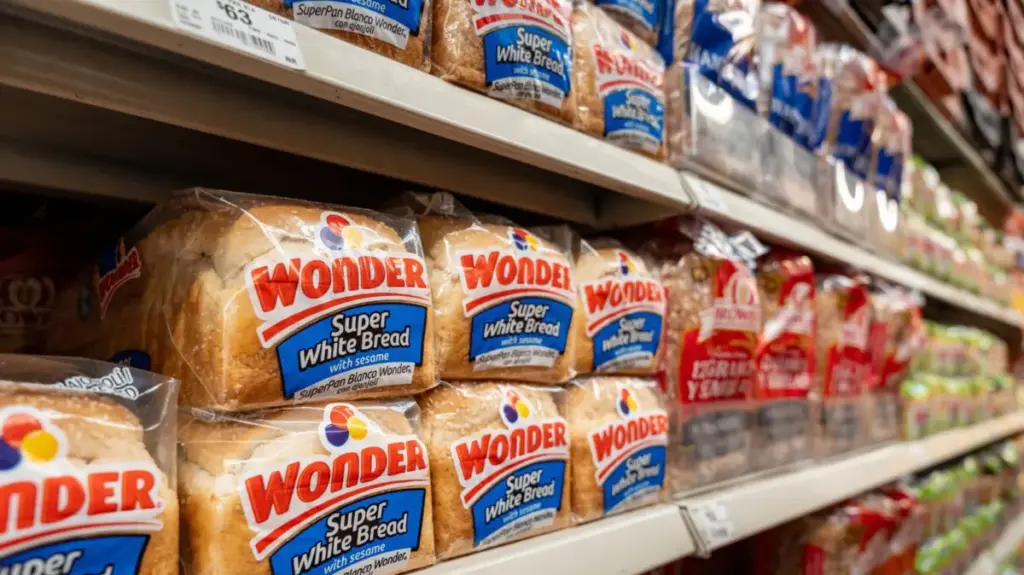
For most home cooks, the idea of baking bread from scratch—maintaining sourdough starters, managing proofing baskets, and timing delicate rises—sounds wonderful in theory. However, unless another pandemic-like societal lockdown forces everyone back indoors, daily life’s time constraints and bandwidth limitations mean that baking homemade loaves on a regular basis is simply out of reach for the vast majority of people. Consequently, bread must be procured the traditional way: from the inventory of the local grocery store.
The real challenge, of course, is navigating the overwhelming expanse of the supermarket bread aisle to find something that comes close to elevated, or at least doesn’t fall flat in terms of flavor and texture. While consumer advocacy groups frequently publish lists of preferred brands based on broad testing, food experts often look at the grocery store landscape through a different lens. Professional chefs may work in high-end kitchens, but away from the line, they are regular shoppers who frequent standard supermarkets just like everyone else.
To find out which commercial, mass-market loaves actually make the cut in professional kitchens, Tasting Table caught up with several renowned culinary stars at the Food Network New York City Wine & Food Festival. From checking live Instacart shopping lists to discussing the peculiar branding of commercial loaves and yielding to the strict culinary demands of picky children, these chefs revealed the mainstream store-bought breads they keep stocked in their own pantries.
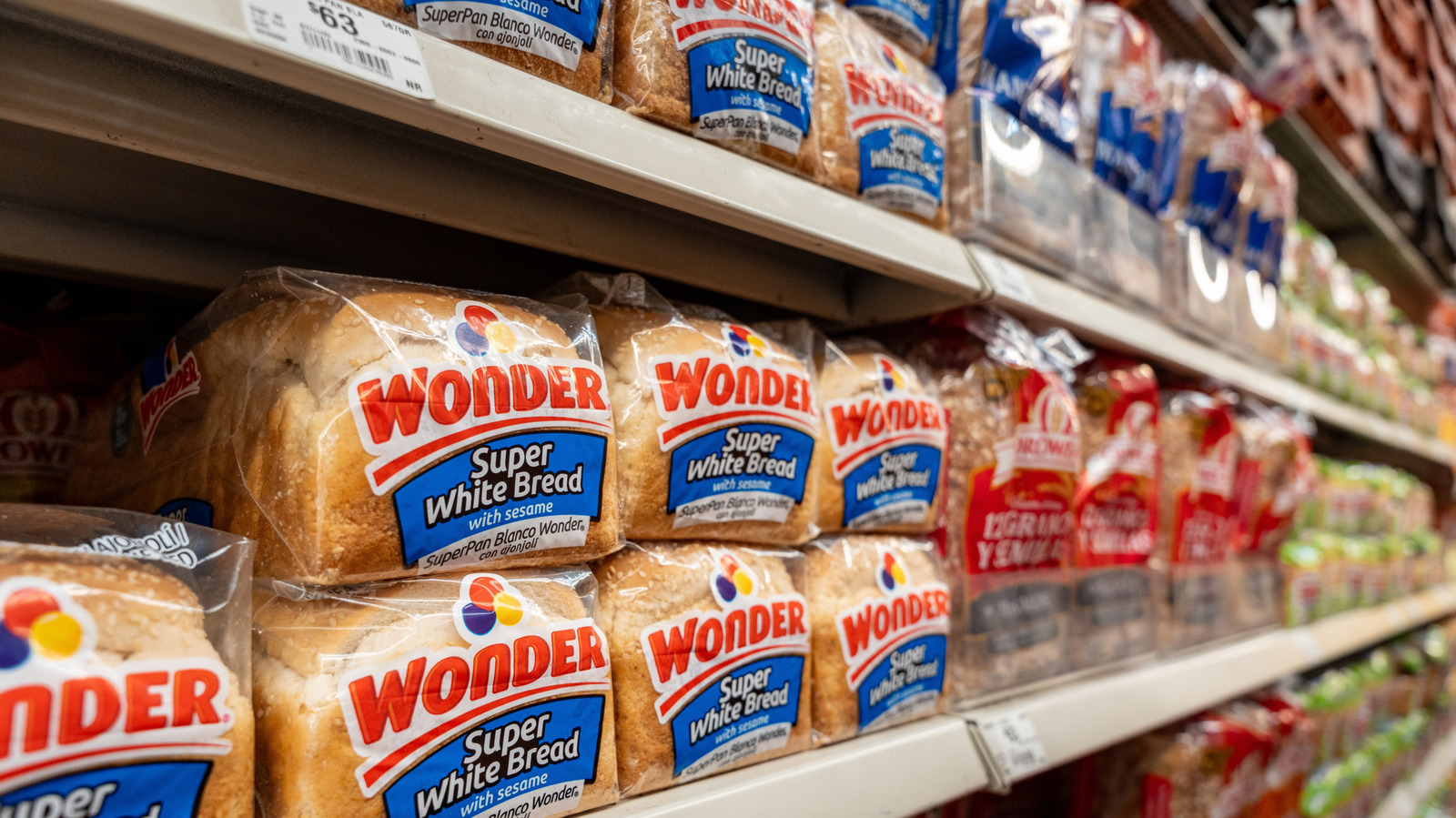
The Bible for Store-Bought Bread Seems to Be, Well, The Bible
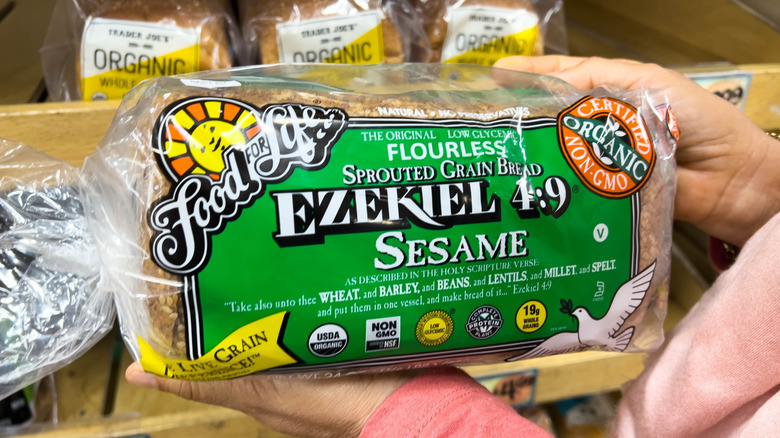
Walking down the commercial bread aisle often reveals a peculiar marketing trend: an abundance of scriptural or spiritual naming conventions. Andrew Rea, the culinary personality behind The Babish Culinary Universe, pointed out this curious branding phenomenon during the festival.
"I don’t know why most bread brands are very, like, Bible-focused," Rea remarked. "Like there’s Ezekiel and there’s Bread Alone. I don’t know what’s going on there, but I tend to opt for Bread Alone."
Rea acknowledges that living in a major culinary hub like New York City spoils shoppers with artisanal choices, noting that local grocery stores frequently stock specialty items from renowned bakeries like Bien Cuit and Balthazar. Yet, when it comes to readily available commercial brands found in standard supermarkets across the country, he stands by his initial choice. "It’s pretty safe to go Bread Alone. That’s a really nice, high-quality brand," he noted.
At the same time, Rea understands that different culinary tasks require different tools. When the menu calls for a simple, classic application rather than an artisanal loaf, his preferences shift. "If I’m making just a straight-up sliced bread sandwich, I love Arnold’s. Arnold’s makes a really great country white loaf," he explained.
Selecting the right bread requires matching the product to its intended purpose, a philosophy echoed by Chef JJ Johnson. For simple, everyday comfort foods, functionality and texture take precedence over everything else.
"The honey wheat bread for peanut butter and jelly sandwiches by, I want to say, Newman’s," Chef Johnson suggested, highlighting how specific loaves elevate humble ingredients. "That’s amazing on a peanut butter and jelly sandwich." Johnson also expanded his grocery store repertoire with another prominent recommendation, praising the convenience and quality of a popular supermarket chain’s bakery section. "Trader Joe’s brioche bread is amazing," he added.
Jet Tila Showed Us His Instacart, Aarón Sánchez His Rolls
When culinary figures achieve prestigious industry recognition, such as James Beard awards or television Emmy nominations, public scrutiny can sometimes extend to their private habits, including what they choose to buy online. However, Chef Jet Tila approaches his household grocery shopping with a refreshing sense of transparency, proudly sharing the contents of his virtual shopping cart without hesitation.
"Oh my gosh. I’m going to get in trouble. There’s a sourdough that I really like, and I’ll tell you exactly what it is because I’m doing my shopping right now for home on Instacart," Tila admitted with a laugh.
Moments later, the mystery was solved. "Here’s my most frequent ordered sourdough bread. It’s Rustik. Rustik Oven Bold California Sourdough … it’s a great store-bought brand, and it’s nationally available." For sourdough enthusiasts scattered across the United States who lack access to a high-end local bakery, the widespread availability of a quality mass-market sourdough offers a welcome convenience.
Fellow television chef and restaurateur Aarón Sánchez took a more direct and succinct approach when discussing his favorite commercial bread product, naming an iconic staple that has anchored family gatherings and cookouts for generations.
"I love Hawaiian rolls," Sánchez said. When pressed for his preferred label, his answer was immediate. "King’s Hawaiian, yeah, absolutely." Sánchez’s choice underscores the immense culinary utility of these sweet, soft rolls, which can be adapted, toasted, and baked into numerous savory dishes to instantly elevate a casual backyard cookout or weeknight dinner.
Sometimes It’s the Kids Who Decide
Even professional chefs who possess the skill and equipment to bake artisan-quality bread at home often find their culinary choices overruled by the most unyielding critics in their household: their children.

Catherine Willhoit, co-owner of The Hive, noted that under ideal circumstances, grocery store bread would have no place in her kitchen. "I’d be baking my own bread. I do an overnight loaf that I got into during COVID," she explained. Anyone familiar with the quality of food associated with her establishment knows those homemade loaves would be exceptional. However, domestic reality often interferes with professional ideals.
"I always use Dave’s Killer White Bread, not because that is my first choice, but it is my children’s first choice. They decide it all," Willhoit admitted. Her experience resonates with parents everywhere who must balance personal culinary standards with the unwavering preferences of young palates.
Willhoit’s concession is not a knock against the brand itself, as Dave’s Killer Bread has built a strong reputation for offering nutrient-dense, organic options that appeal to health-conscious shoppers. Rather, it highlights how children’s straightforward preferences often dictate supermarket purchases. Even if she dedicated the time and effort required to bake a fresh overnight loaf from scratch, Willhoit conceded that her kids "would take Dave’s Bread over mine."
Ultimately, these professional insights demonstrate that store-bought bread generally serves two distinct roles in everyday cooking. On one hand, bread functions pragmatically as the foundation for daily workhorse sandwiches, quick toast, school lunches, and family-friendly meals where consistency and convenience matter most. On the other hand, bread can be approached as an elevated centerpiece, prompting trips to specialized bakeries or dedicated home-baking projects. When home cooks manage to successfully marry the everyday pragmatism of commercial loaves with thoughtful preparation, domestic mealtime bliss becomes entirely attainable.