

By Ellyn Kail
Published October 7, 2026
The grim reality of the North American horse slaughter pipeline was brought into sharp focus following recent undercover investigations and law enforcement actions that reveal the brutal journey thousands of American equines endure. From retired racehorses to federally protected wild mustangs, a hidden network continues to funnel vulnerable animals across international borders into unregulated cruelty and eventual slaughter.
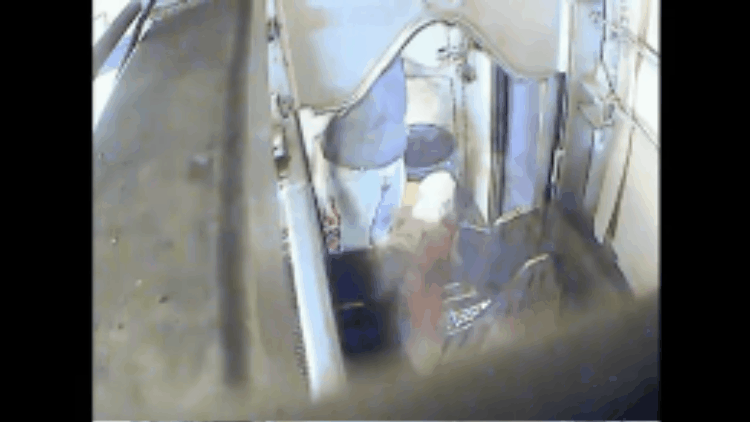
The horrific nature of this trade was starkly illustrated inside a Canadian slaughterhouse, where an incompetent worker forced a horse into a kill box. As the worker repeatedly shot the horse in the head with a captive bolt gun—striking the animal eleven times—the terrified creature writhed in agony. Finally, the dying horse collapsed, its head slamming violently against the wall with the full force of the fall. Workers then butchered the body, processing the remains for potential human consumption.
Animal welfare organizations emphasize that this extreme cruelty is not an isolated anomaly. Instead, it represents the systemic endpoint of a thriving underground industry. American horses, ranging from discarded Thoroughbreds retired from the racetrack to wild mustangs that once roamed freely across public lands, routinely end up at facilities where they are killed for human consumption or rendered into pet food.
To expose the mechanics of this operation, investigators traveled inside a livestock truck carrying American horses 1,100 miles over thirty-six harrowing hours through sub-freezing temperatures to a processing facility in Canada. Throughout the grueling journey, transport operators routinely denied the horses food, water, and adequate rest, showing complete disregard for animals that were sick, injured, or slowly dying.
What Happens to American Horses Sent to Slaughter?
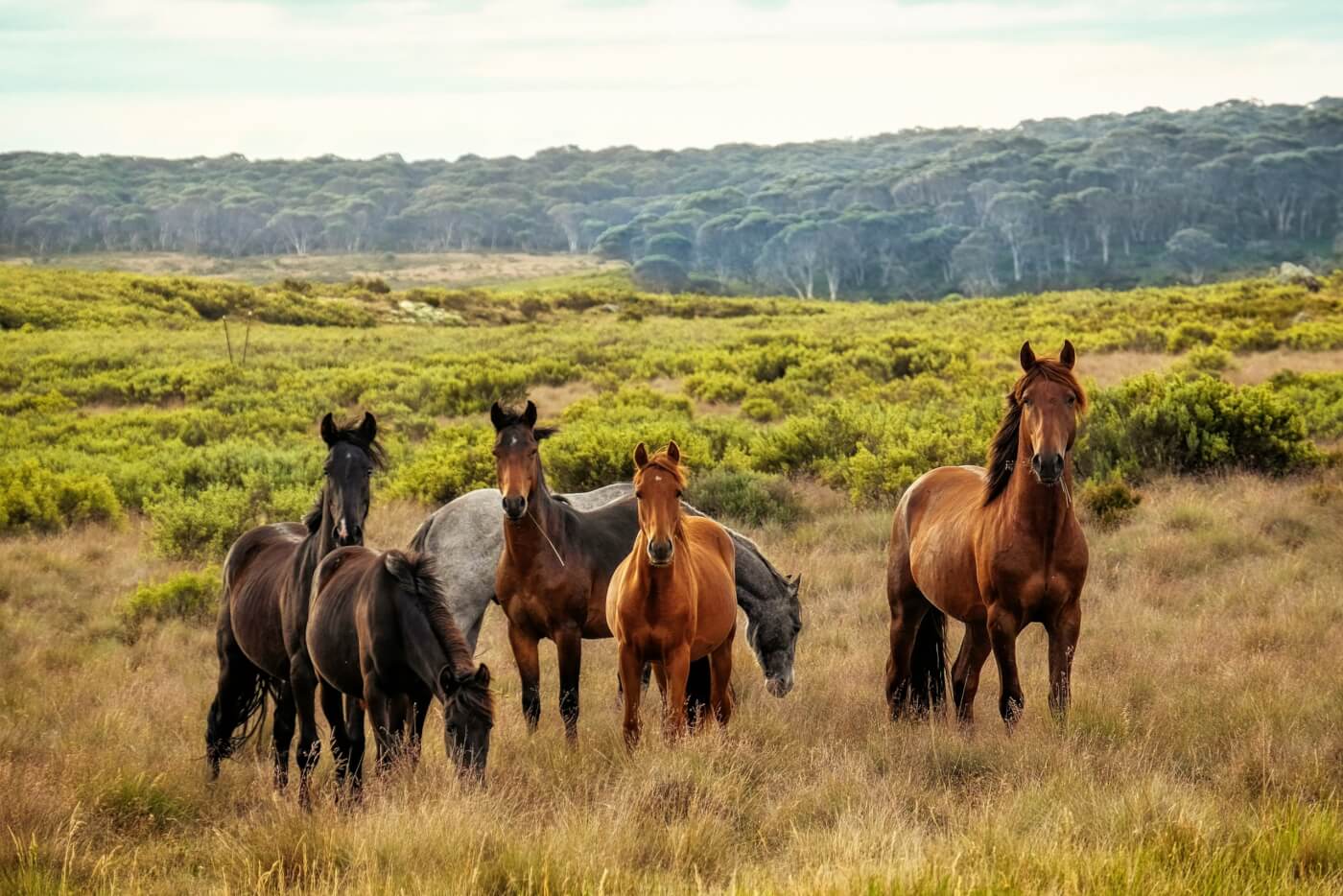
The trade encompasses a broad spectrum of breeds, including high-profile racing stock. A bombshell investigative report published by The New York Times revealed that federally protected wild horses are also infiltrating the Canadian slaughter pipeline. Although federal law strictly prohibits U.S. officials from selling wild horses directly to slaughter, loopholes and indirect sales have allowed intermediaries to acquire mustangs and subsequently transport them across the northern border.
According to the report, mustangs have increasingly appeared at public livestock auctions frequently frequented by "kill buyers"—speculators who purchase equines specifically for meat processing. At some auctions, healthy young horses have reportedly sold for as little as twenty-five dollars.
Clare Staples of the Skydog Ranch Sanctuary addressed the alarming trend following a recent auction where she managed to intervene and save three young mustangs. She noted that sanctuaries are witnessing a massive influx of young horses, many aged only two or three years old, but rescue organizations can only save a fraction of those put up for auction. The vast majority inevitably fall into the hands of kill buyers.
The pipeline faced immediate scrutiny from law enforcement when New York State police arrested a Pennsylvania man who was allegedly transporting twenty-5 slaughter-bound horses illegally through New York State. The animals were successfully seized and placed in protective custody. Commenting on the operation, John Scheib of the New York State Humane Association issued a stark warning to animal traders, stating that the era of operating in the shadows has officially come to an end.
Although commercial horse slaughterhouses remain banned from operating within the United States, and the transport of horses for meat is explicitly prohibited under state laws in places like New York and California, American equines continue to be exported abroad for slaughter. This regulatory gap has intensified calls for federal intervention, specifically through the bipartisan passage of the Save America’s Forgotten Equines (SAFE) Act. The proposed legislation, introduced as H.R. 1661 and S. 775, aims to permanently ban horse slaughter nationwide and prohibit the export of equines for human consumption.
How PETA Helped Save One Horse From Slaughter
Animal advocacy organizations have spent years documenting and attempting to dismantle the slaughter pipeline. During an undercover investigation into a major livestock auction where horses are frequently acquired by meat buyers, investigators documented workers beating and prodding terrified animals. Amid the chaotic and abusive environment, investigators spotted a neglected gray horse that had just been sold to a buyer for three hundred and fifty dollars. Moving swiftly, they intervened and secured his release before he could be loaded onto a transport truck bound for slaughter.
The rescued animal was later identified as Royale With Speed, a Thoroughbred and a grandson of legendary Triple Crown winner Secretariat. He had initially found success on the track, winning his first race at Keeneland in Kentucky and competing at Churchill Downs. Over the course of his career, humans forced him to run twenty-three grueling races, generating more than $127,000 in winnings before he was discarded when his racing utility waned.
Footage compiled by groups such as the Canadian Horse Defence Coalition has documented the severe violence and botched killings that characterize the final moments inside the facilities these horses are meant to avoid. Following his eleventh-hour rescue, Royale With Speed underwent extensive rehabilitation to recover from his physical and psychological trauma. Rescuers eventually placed him in a permanent, loving home where he continues to live. He recently reached the milestone of turning twenty-two years old—an age that once seemed entirely out of reach given his initial destination.
Advocates argue that for countless horses facing a similar fate, the passage of the SAFE Act represents the critical difference between enduring a brutal death inside a slaughterhouse kill box and living out their natural lives safely. With public awareness of the horse slaughter crisis at an all-time high, animal welfare groups continue to urge the public to maintain pressure on federal legislators to secure passage of the bill.