


For decades, the stock market has maintained a persistent ability to surprise observers, moving from steep corrections to unprecedented valuations that frequently spark widespread anxiety. Whenever equities reach record highs, a chorus of cautious voices inevitably warns that a severe downturn is imminent, driven by current market frenzies. Today, that anxiety is predominantly centered around the explosive growth of Artificial Intelligence. While millions of people remain tuned out of financial media to enjoy their daily lives, investors and retirees are increasingly asking whether the current AI boom represents an over-inflated bubble destined to trigger a modern equivalent of the early 2000s dot-com crash or the 2008 financial crisis.

Veterans of the early internet era remember those previous cycles vividly. For many early retirees and long-term investors, the late-1990s boom launched careers and accelerated wealth accumulation, only for the subsequent crash to threaten livelihoods and immigration statuses. As questions mount regarding the sustainability of current technology valuations, financial commentators and long-retired market figures are increasingly pressed to provide perspective. Discussions on this investment cycle have recently taken center stage at gatherings like Camp FI Midwest, with further presentations scheduled for upcoming financial literacy conferences in November. These sessions examine whether current market anxieties are justified or if they stem from a deeper, more enduring human impulse: the propensity for fear.
Will Market Volatility and the AI Boom Ruin Retirement?
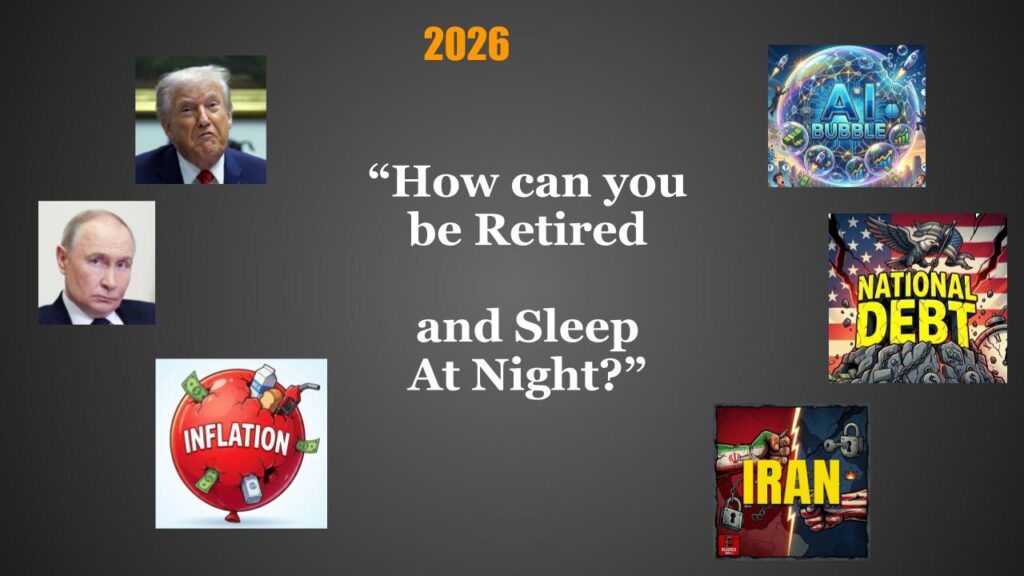
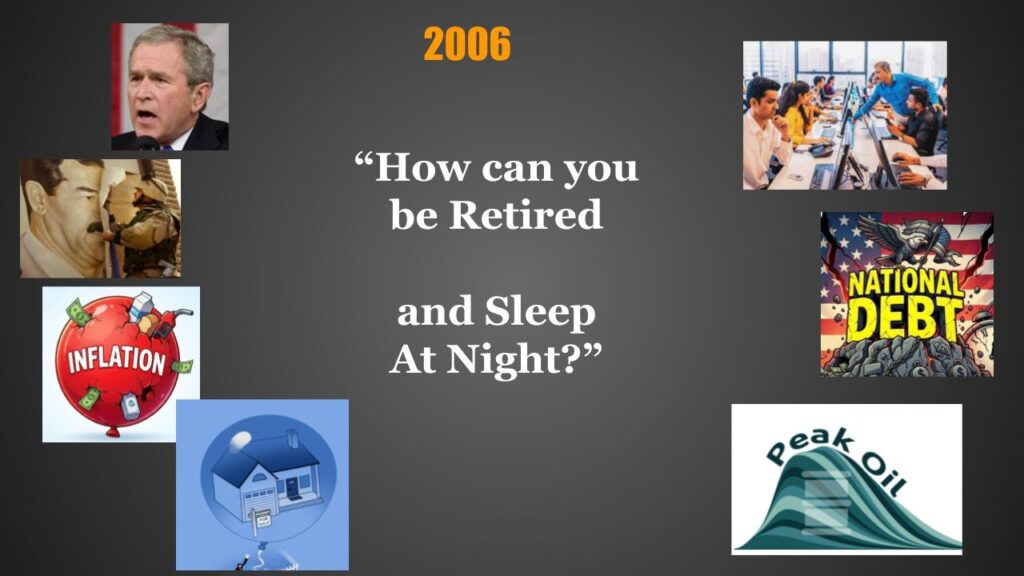
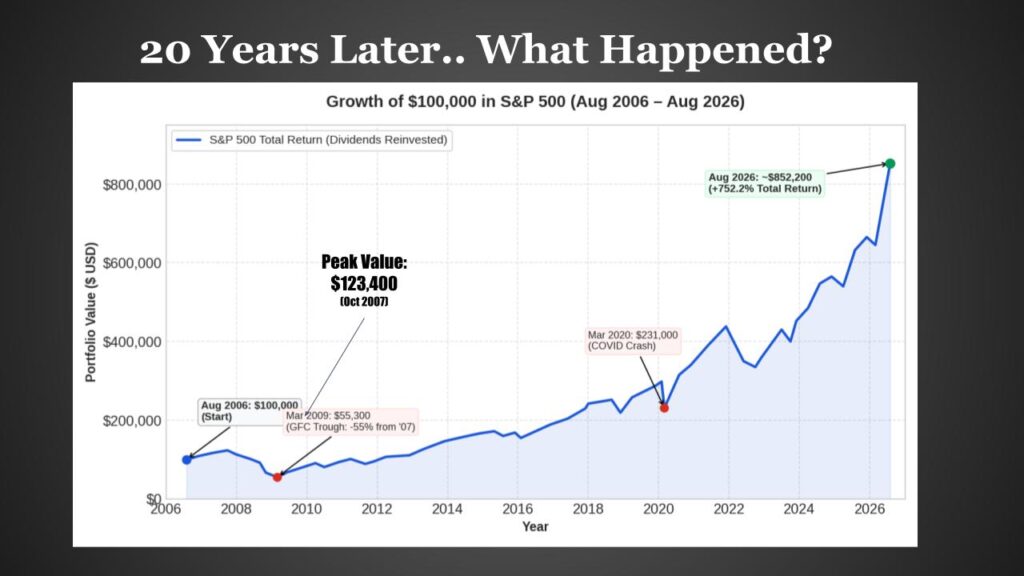
Reaching milestones like two decades of retirement brings a certain comfort with market cycles, yet friends and peers frequently raise anxious queries regarding global stability. Conversations often revolve around whether individuals can sleep peacefully amidst a backdrop of geopolitical tensions, inflationary pressures, soaring national debts, ongoing international conflicts, and fears of technological displacement. Interestingly, these exact worries are hardly new. Looking back two decades to 2006, financial discussions were dominated by strikingly similar anxieties, albeit with different actors and buzzwords.

Back in 2006, observers worried about corrupt or dangerous global leadership, conflicts in the Middle East, escalating national debts, inflation, and an overvalued stock market driven not by artificial intelligence, but by a precarious housing bubble. Instead of AI taking over white-collar jobs, the prevailing fear was massive corporate outsourcing to India and China. There were even widespread panics over peak oil—the firm belief that fossil fuel consumption would outpace dwindling supplies, leading to global economic collapse.
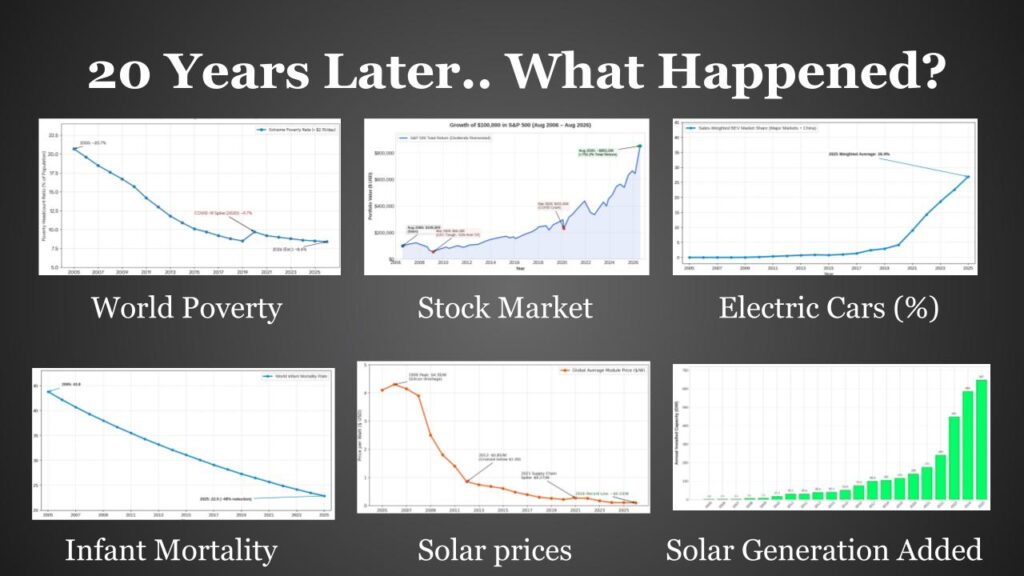
Instead of total destruction, the subsequent twenty years delivered the Great Financial Crisis, fueled by irrational exuberance over real estate and complex financial leverage, alongside the temporary shock of the 2020 pandemic. Yet, when viewed on a multi-decade chart, those monumental crashes appear as minor dips. A standard long-term investment grew substantially over that span. Simultaneously, the broader world experienced remarkable improvements: extreme poverty rates dropped significantly, infant mortality rates were cut in half, clean energy generation surged as solar panel costs plummeted, and electric vehicle adoption expanded rapidly across the globe.
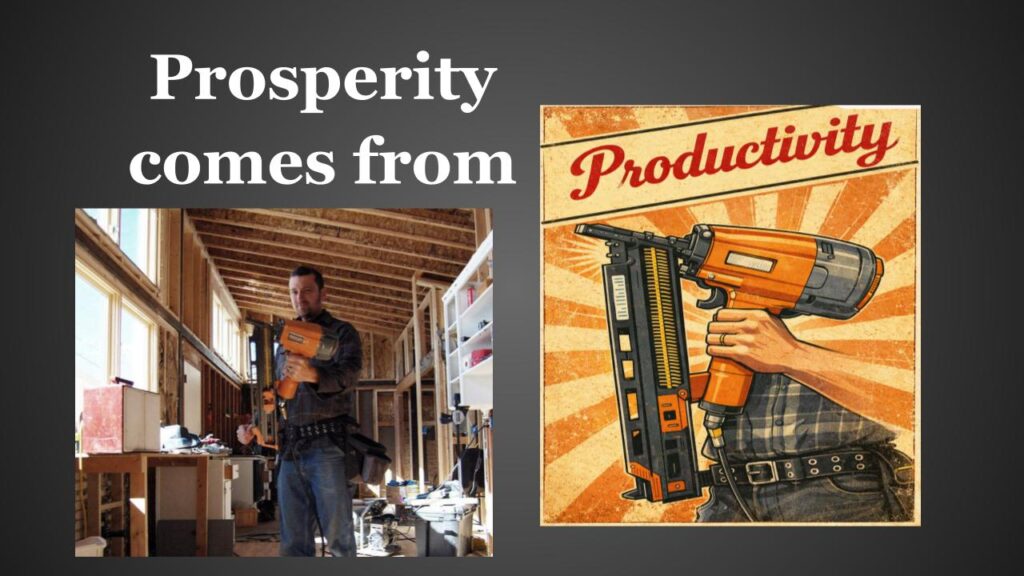
This historical perspective raises a fundamental question about whether worrying about an uncertain future yields better outcomes than maintaining a resilient, long-term outlook. Skeptics today ask whether the current era is fundamentally different—whether the mounting U.S. national debt or an unchecked AI bubble will permanently alter economic recovery, or whether advanced machine intelligence might eventually outgrow human utility. Financial media outlets frequently amplify these scary scenarios, yet such narratives often overlook a core economic truth: true prosperity stems from productivity, not from temporary numbers displayed on computer screens within the financial system.
The Core Driver: Productivity Over Financial Systems
The underlying mechanics of capitalism are inherently choppy, subject to dramatic cyclical swings. Beneath the volatile surface of the stock market, however, real people perform tangible work and develop genuine technological innovations. The concept of an economy is a human construct; if a financial system experiences a catastrophic correction because market participants dislike prevailing valuations, society has historically simply adjusted the framework and returned to productive labor.
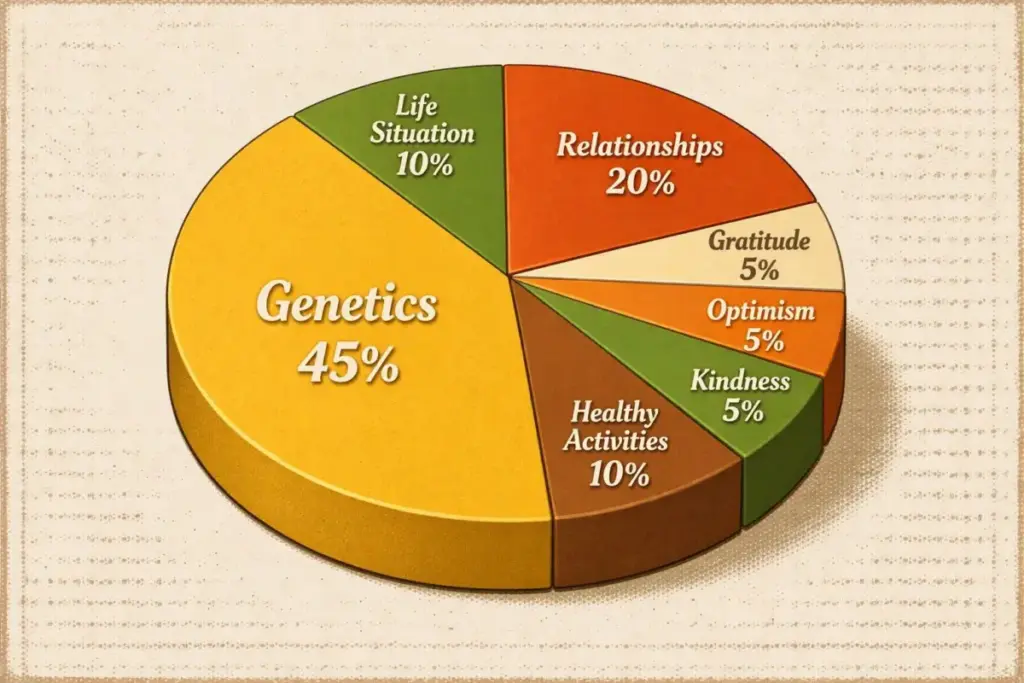
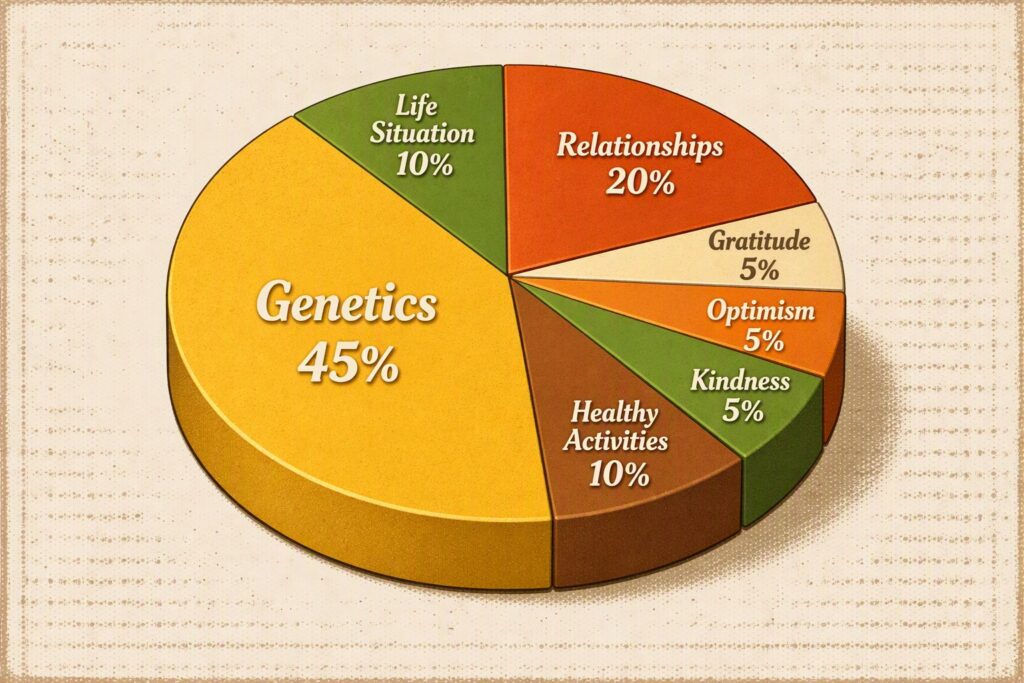
Standard of living, economic growth, and the viability of early retirement do not originate from speculative asset prices, but from sustained increases in productivity. Furthermore, once societies achieve a baseline standard of living—a threshold industrial nations passed decades ago—human happiness ceases to scale directly with additional wealth accumulation. Instead, overall well-being relies on a combination of genetics, strong interpersonal relationships, gratitude, optimism, and active, outdoor lifestyles.
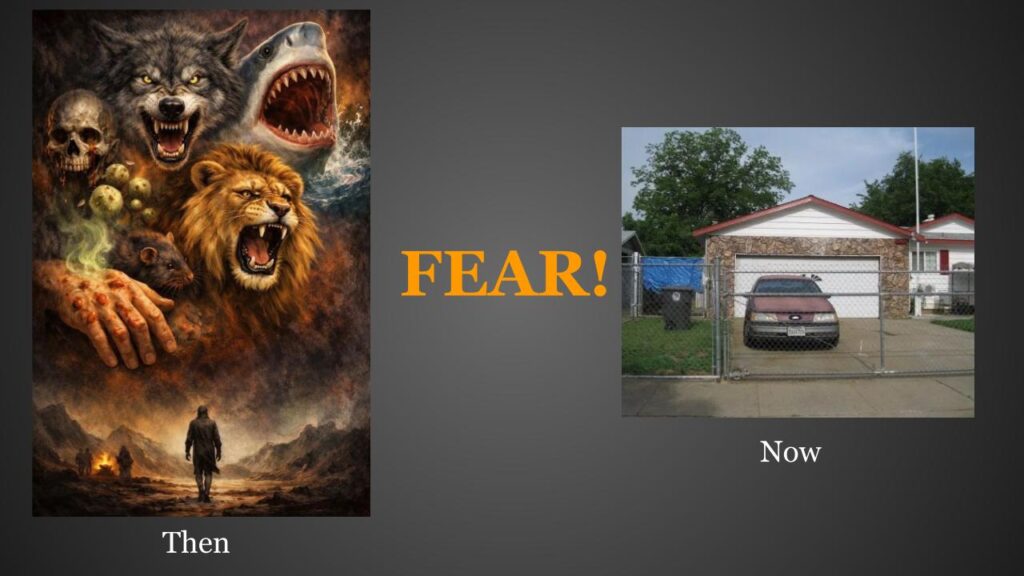
Despite these established economic realities, widespread fear persists even among experienced investors. This phenomenon points to a deeper psychological root: human beings are fundamentally evolutionarily engineered as danger detection machines. Background anxiety serves as a protective trait designed to shield individuals from immediate threats. However, once immediate physical dangers like predators, starvation, and acute disease are mitigated, human psychology does not simply turn off the alarm. Instead, it moves the goalposts, seeking out new targets for worry.
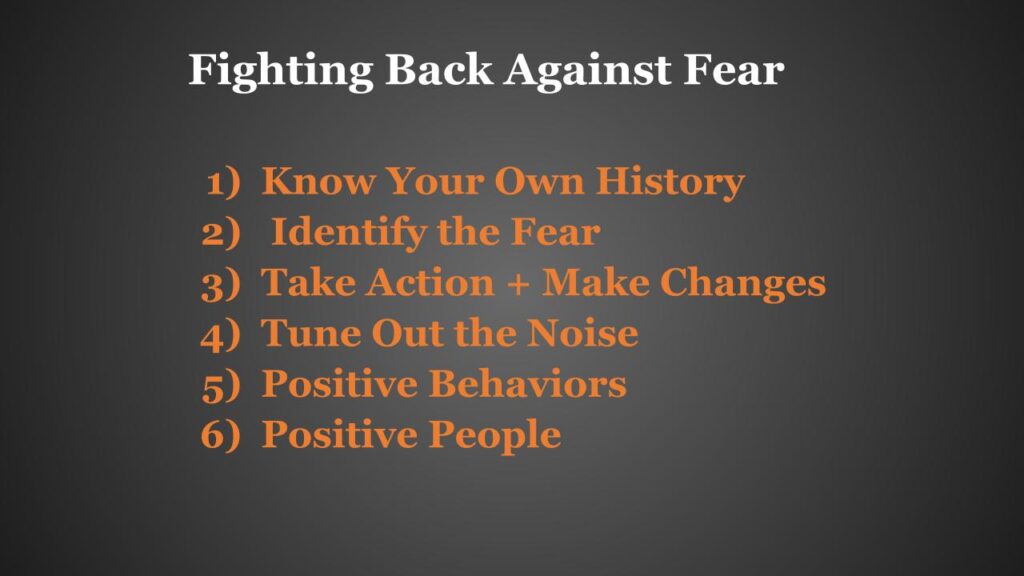
When basic survival needs are met, people worry about social exclusion within their tribes. When financial stability is achieved, anxieties shift toward tax strategies, estate planning, or managing regulatory requirements like required minimum distributions for those who have accumulated substantial retirement assets. This persistent cycle of fear can be mitigated through self-awareness and rational evaluation. Understanding personal history, recognizing childhood influences or past trauma, and analyzing the genuine worst-case scenarios of perceived threats help contextualize modern anxieties. Taking concrete action transforms the unfamiliar into the familiar, fostering resilience and confidence.
Viewing Technological Shifts as Experiments
Rather than consuming a daily diet of fear-mongering media headlines that highlight the scariest stories of the day, focusing on positive behaviors and natural human environments yields significantly better mental health outcomes. Humans are built to move, solve problems, and interact physically and mentally with the world outside of offices and vehicles. Aligning daily habits with these biological realities reduces generalized anxiety, particularly when paired with a supportive community focused on living fulfilling lives rather than dwelling on speculative risks.
Adopting a mindset where everything is treated as an experiment—whether changing a career, relocating, or navigating major market shifts—changes the paradigm entirely. Rather than reacting to technological advancements with doom-scrolling, viewing artificial intelligence as a powerful new tool, akin to a cognitive nail gun, reframes the narrative. AI promises to boost efficiency, productivity, and ultimately broader economic prosperity, even as it inevitably disrupts specific job sectors and shifts labor demands, much like the advent of the internet and mobile computing before it.

While productivity tools tend to concentrate rewards among enterprise owners and shareholders, they also create entirely new industries and services over time. Artificial intelligence remains just another technological shift, presenting opportunities for adaptation rather than panic. By confronting and understanding the root causes of fear rather than merely reacting to its symptoms, individuals can better navigate an evolving economic landscape, keeping in view the reality that lasting personal fulfillment often lies just beyond the boundaries of hesitation.