

Eating more sugar while taking antibiotics may significantly intensify the disruptions that these medications cause to beneficial gut bacteria, according to new research published in the journal Nature.
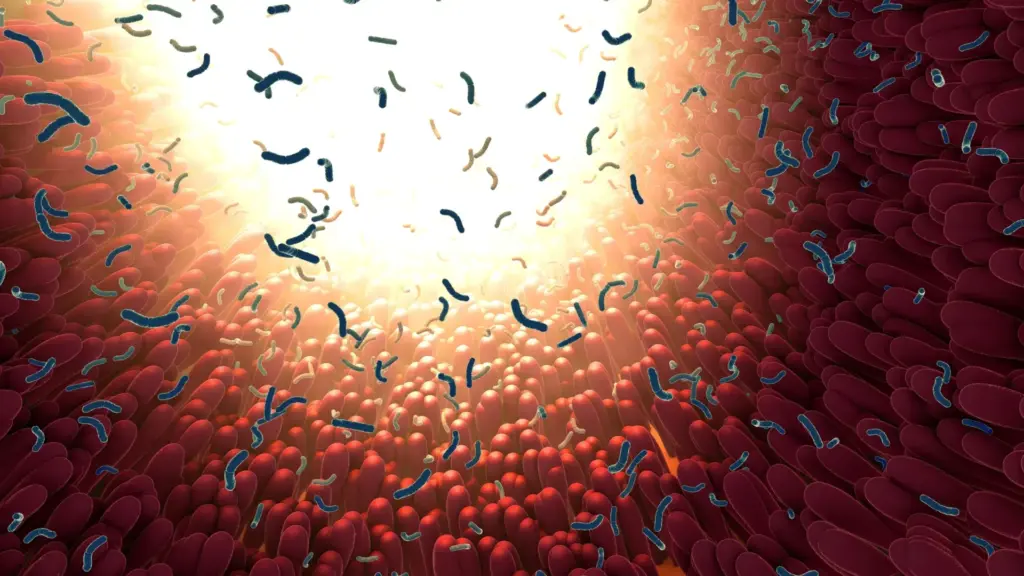
The study, which was made public online on September 30, centers on the human intestinal microbiome—a vast, complex community of bacteria that has evolved alongside humans over millennia to assist with vital physiological processes, including digestion, metabolic regulation, and immune system function. Antibiotics remain among the most frequently prescribed medications worldwide, serving as an essential line of defense against bacterial infections. However, these drugs lack precision; while they target harmful pathogens, they also eradicate beneficial bacteria that maintain the stability of the gut ecosystem.
This unintended collateral damage can create a dangerous ecological vacuum. In many cases, the depletion of beneficial microbial populations allows potentially pathogenic and drug-resistant species to gain a competitive advantage and proliferate unchecked within the intestinal tract. A diverse, robust microbiome is generally much better equipped to resist the expansion of these harmful invaders. When antibiotic treatments drastically reduce that diversity, the entire gut ecosystem is left in a state of vulnerability, exposing patients to a heightened risk of secondary infections and long-term health complications.
Sugar Linked to Greater Microbiome Damage
To better understand how external factors influence this fragile environment, an interdisciplinary team of researchers from NYU Langone Health, City of Hope, and Memorial Sloan Kettering Cancer Center undertook a meticulous investigation. The researchers closely monitored 9,419 individual meals consumed by 173 hospitalized cancer patients, tracking detailed dietary intake while simultaneously monitoring daily shifts in their gut microbiomes.
The findings revealed a striking quantitative relationship between dietary sugar and microbial degradation. For every additional 100 grams of sugar consumed by a patient during the 48 hours leading up to antibiotic treatment, the researchers observed an additional 21% decline in alpha diversity. Alpha diversity is a standard ecological and scientific measure used to quantify the variety and richness of beneficial bacterial species residing within the gut.
Furthermore, the data demonstrated that sugary diets combined with concurrent antibiotic administration were strongly associated with notable increases in Enterococcus faecium among the patient cohort. This specific bacterial species has raised significant clinical concerns because it has been frequently linked to opportunistic infections that can prove exceptionally difficult to treat in hospital settings.
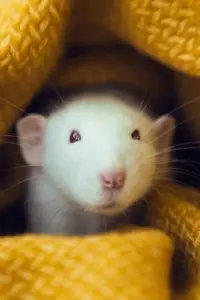
Controlled experiments involving laboratory mice produced remarkably consistent results, reinforcing the human clinical data. Animals that were exposed to the antibiotic biapenem while simultaneously being fed a diet high in sucrose experienced a dramatic 16.3-fold increase in their gut Enterococcus populations by just the third day of the study. By day 6, the bacterial burden within these subjects had skyrocketed to an alarming 33.4-fold higher level compared to baseline measurements.
"As we are learning how collateral damage of antibiotics to the microbiome are linked with long-term health problems, it’s important to identify factors that limit these unintended health risks," said the study’s co-senior author, Dr. Jonas Schluter, an assistant professor in the Department of Microbiology at NYU Langone Health. "Our study, which used more than 9,000 recorded meals, suggests that modifying diet during and after antibiotics, specifically by reducing sweets intake, could help with that."
Why Researchers Studied Blood Cancer Patients
The research team specifically chose to focus their investigation on individuals diagnosed with blood cancers for several practical and clinical reasons. Patients undergoing treatment for hematological malignancies frequently receive intensive courses of antibiotics, and their daily food intake can be monitored with a high degree of precision while they reside in hospital wards. By recording everything patients ate at every single meal and collecting daily biological microbiome samples, the research team created one of the largest and most detailed observational studies of its kind to date.
"The microbiome is emerging as an important factor in cancer care," said co-senior study author Dr. Marcel van den Brink, chief physician executive at City of Hope. "For patients undergoing intensive treatments such as bone marrow transplantation, the healthy diversity of the gut microbiome can have important implications for outcomes. Studies like this help us better understand how everyday factors, including diet, may affect a delicate balance that influences how patients respond to treatment, recover, and experience side effects."
Patients with blood cancers who undergo stem cell transplants are frequently required to remain hospitalized for several consecutive weeks. During this arduous period, they are subjected to aggressive chemotherapy regimens alongside broad-spectrum antibiotic therapies. As a result, both their daily nutritional diets and the composition of their gut microbiomes undergo profound and rapid transformations.
Within this vulnerable population, potentially hazardous microbial species such as Enterococcus faecium can rapidly flourish once the surrounding protective microbial ecosystem has been heavily diminished or destroyed by medical interventions.
Gut Microbiome Damage and Cancer Outcomes
The clinical implications of these microbial disruptions can be profound, particularly for oncology patients whose immune systems are already heavily compromised.
"Especially in blood cancer patients, microbiome injury is associated with worse outcomes, including higher overall mortality and infections," said Dr. Jonathan Peled, a co-senior author on the study and associate director of the Center for Hematological Malignancies at Memorial Sloan Kettering Cancer Center. "An important next step will be to design clinical trials to test whether short-term dietary changes can improve clinical outcomes in patients."
The study’s authors theorize that dietary sugars act as a direct catalyst, magnifying the overall disruption caused by antibiotics because any potentially harmful bacteria that manage to survive the initial pharmacological assault can readily metabolize those simple sugars to fuel their rapid expansion.
"The new work identifies dietary sugars as an amplifier of antibiotic-induced microbiome disruption, probably because the potentially harmful bacteria that survive the antibiotics are benefiting from the dietary sugars that they can use to expand," explained study second author William Jogia, a doctoral student in Dr. Schluter’s laboratory at the Institute for Systems Genetics. "While the findings suggest that reducing simple sugars may limit microbiome injury, whether sugar directly supports Enterococcus, weakens competing bacteria, or acts through another mechanism in patients remains to be seen."
Consequently, the findings strongly suggest that cutting back on simple sugars during and throughout the recovery period following antibiotic treatment could potentially mitigate the extent of microbiome damage. However, the researchers emphasize that substantial additional research is still required to determine the exact biochemical mechanisms through which sugar produces this accelerating effect, and to definitively prove whether targeted dietary interventions will successfully improve clinical outcomes in patients.
The research effort was supported by numerous grants from the National Institutes of Health, alongside contributions from foundations and philanthropic organizations including Gabrielle’s Angel Foundation, the Helen Hay Whitney Foundation, the Starr Cancer Consortium, the Tri-Institutional Stem Cell Initiative, the Lymphoma Foundation, the Susan and Peter Solomon Divisional Genomics Program, Cycle for Survival, the Parker Institute for Cancer Immunotherapy, the American Society of Clinical Oncology, Hyundai Hope on Wheels, the Tow Center for Developmental Oncology, and an AIRC fellowship. Institutional disclosures indicate that Dr. Schluter has filed intellectual property applications relating to the microbiome, serves on an advisory board and holds equity in Jona Health, and is a cofounder of Postbiotics Plus Research, with all relationships managed in strict accordance with NYU Langone Health institutional policies.