

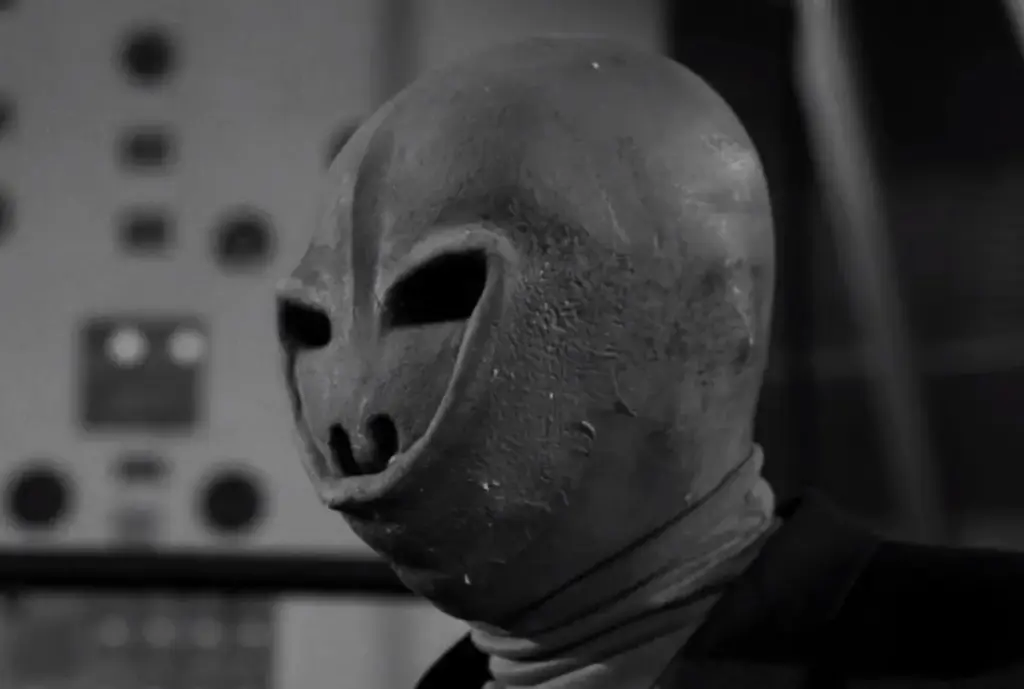
While franchises like Star Wars and Star Trek undoubtedly reign supreme when it comes to box office returns, merchandise sales, and cinematic longevity, the true architectural foundation of modern science fiction points in an entirely different direction. If you measure a property by its profound cultural impact, its genre-defining tropes, and its sheer creative influence, few works in television history can rival the monumental legacy of The Twilight Zone. For viewers looking to experience or revisit television history, the landmark anthology series is currently available to stream for free on Tubi.
In the vast landscape of speculative fiction, nearly all roads lead back to the visionary mind of Rod Serling and his groundbreaking creation. Debuting in 1959, The Twilight Zone ran for five critically acclaimed seasons on CBS, compiling an impressive library of 156 episodes. Before Serling’s anthology disrupted the medium, 1950s television was largely defined by broadcast stage plays, live theatrical adaptations, and multi-camera domestic sitcoms such as I Love Lucy. Serling sought to shatter these rigid production boundaries by introducing a single-camera anthology format where each standalone episode functioned as a self-contained cinematic short film.
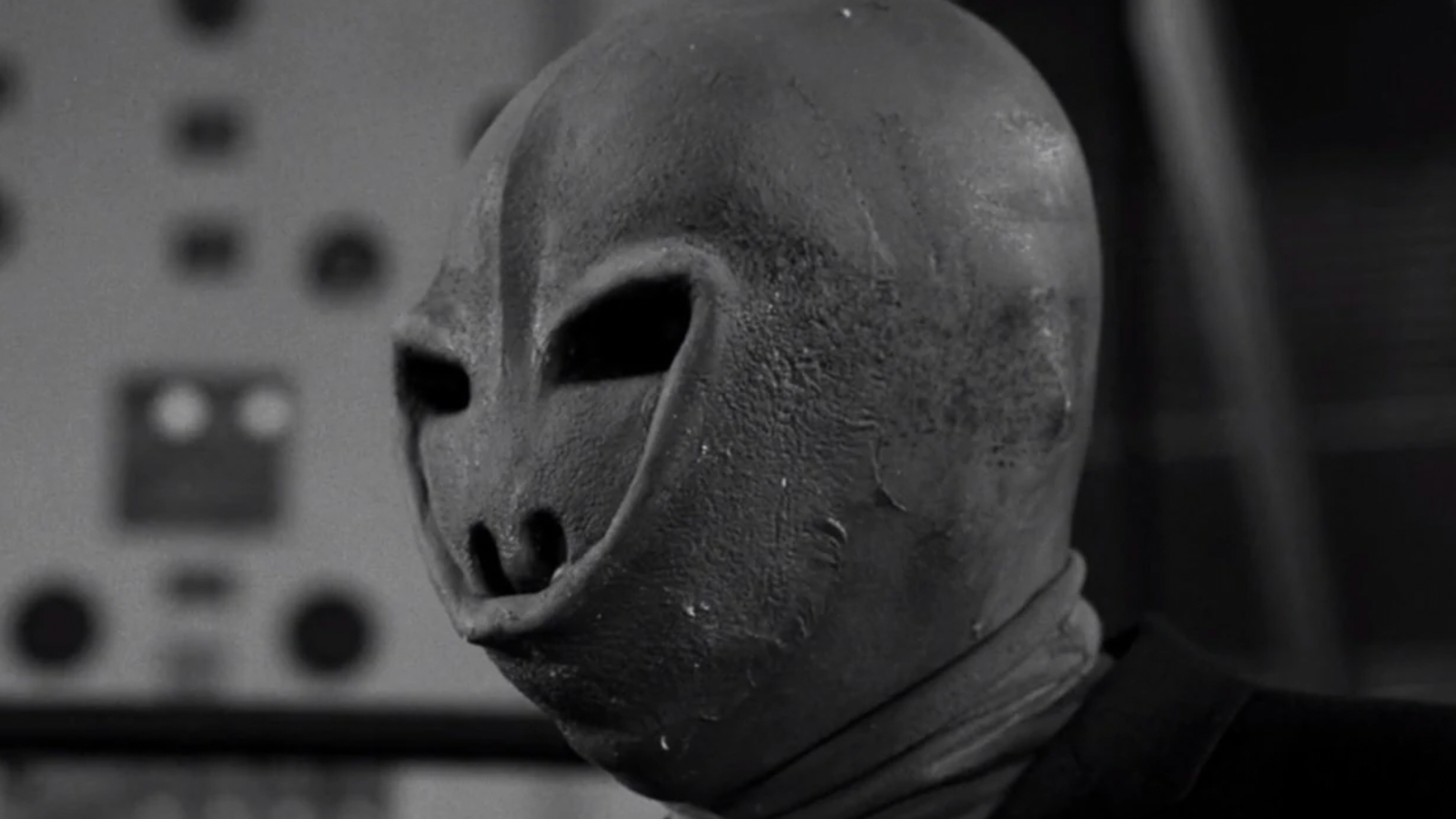
For the vast majority of its television run, The Twilight Zone was broadcast in a half-hour format, though a brief experiment during its fourth season saw the series shift to hour-long episodes before returning to its original runtime for its fifth and final season. Because every installment featured an entirely unique cast, setting, and premise, the series possessed an extraordinary narrative elasticity. On the surface, the show routinely delved into classic science fiction tropes like extraterrestrial visitation and time travel, alongside classic horror staples including restless ghosts and malevolent, living dolls.
However, Serling and his stable of writers used these fantastical elements merely as a Trojan horse. Beneath the genre trappings, the series tackled deeply resonant, universal themes, frequently holding a mirror up to contemporary society by exploring complex subjects such as systemic prejudice, profound loneliness, strict morality, the heavy burden of regret, and the dangers of conformity.
The artistic DNA of The Twilight Zone drew heavily from the earliest and greatest literary pioneers of speculative fiction, including the foundational works of H.G. Wells and Mary Shelley. Furthermore, Serling enlisted some of the premier literary talents of the 1950s to script television adaptations and original teleplays, most notably acclaimed authors Ray Bradbury and Richard Matheson. Yet Serling himself remained the primary creative force behind the enterprise. Not only did he serve as the iconic, cigarette-smoking on-screen host who welcomed audiences across the threshold into another dimension, but he also personally authored nearly 100 of the show’s scripts, cementing his status as a titan of television writing.

Despite drawing profound inspiration from early literature and pulp fiction, The Twilight Zone ultimately proved to be exponentially more influential on the generations of creators that followed it than it was indebted to its own precursors. The most direct spiritual successors are obvious, manifest in celebrated modern anthology television like Charlie Brooker’s Black Mirror and the classic 1960s revival The Outer Limits. Yet the broader footprint of Serling’s work is deeply embedded in the DNA of dozens of iconic series, ranging from The X-Files and Fringe to Lost and the animated satire Futurama.
This pervasive influence extends seamlessly into contemporary cinema as well. Academy Award-winning filmmaker Jordan Peele has explicitly acknowledged that his 2019 psychological horror film Us drew direct inspiration from the first-season Twilight Zone episode “Mirror Image,” which deals with chilling encounters with eerie doppelgängers. Similarly, Don Mancini, the creator of the long-running Chucky franchise, has pointed directly to the fifth-season episode “Living Doll”—featuring the terrifying talkative doll Talking Tina—as a primary inspiration for the creation of his killer cinematic doll.
Those specific episodes continue to hold up as masterclasses of tension and storytelling decades after their initial broadcast, sitting alongside the series’ most universally celebrated entries. Among them is Bradbury’s “Nightmare at 20,000 Feet,” a legendary and frequently parodied installment starring a young William Shatner as an airline passenger convinced he sees a grotesque gremlin tearing apart the wing of a plane in mid-flight. Another enduring classic is “Dummy,” a deeply unsettling psychological exploration of a troubled ventriloquist and his eerily autonomous wooden companion. Additionally, “To Serve Man” remains one of the most beloved and widely discussed alien invasion narratives in television history, remembered chiefly for its brilliant, darkly ironic twist ending.
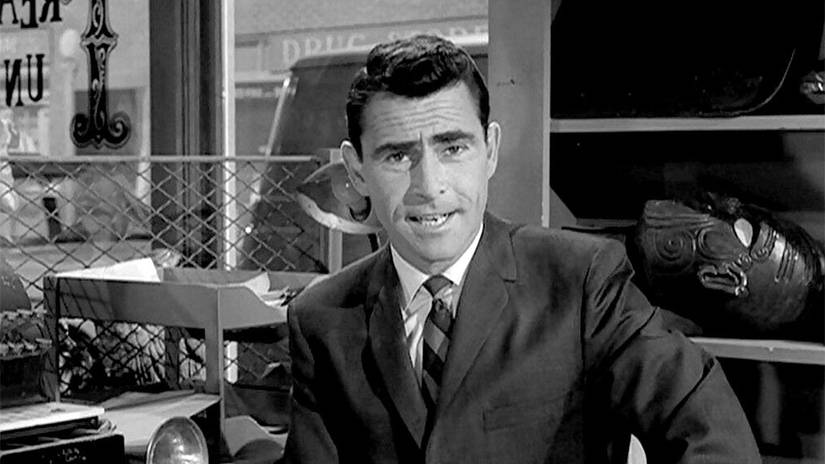
Because the series originally premiered more than sixty years ago, certain aspects of the production naturally show their age, particularly the primitive practical effects and standard black-and-white television studio constraints of the era. Yet, due to the timeless, highly universal themes explored within the subtext of the writing, a remarkably large percentage of the catalog remains surprisingly relevant, provocative, and poignant.
Because it is an anthology series, viewers are granted the freedom to easily bounce around the episode list. Newcomers can easily test the waters with widely recognized, guaranteed classics before deciding whether to dive into the deeper catalog. It also serves as an ideal television property for casual, intermittent viewing, completely unburdened by the dense, serialized continuity demands of modern binge-watching where audiences must meticulously track overarching plots across multiple seasons.
For modern audiences, The Twilight Zone offers a compelling, zero-cost streaming opportunity on Tubi, particularly for viewers willing to embrace a bit of exploratory trial-and-error to find the precise tone and stories that resonate with them. For anyone with an appreciation for contemporary science fiction and psychological horror cinema, tracing the lineage back to Rod Serling’s masterpiece reveals the blueprint for nearly everything currently dominating the genre.