

As consumer habits shift and grocery shoppers navigate continuously rising beef prices, ground turkey has increasingly cemented its place as a healthy, practical, and budget-friendly alternative in kitchens across the country. Yet, anyone who has regularly attempted to substitute turkey for beef knows the culinary pitfalls that often accompany the lean poultry protein. Without the natural fat content found in traditional hamburger meat, ground turkey can easily and rapidly transition from a succulent meal base to a disappointingly dry, tough dish.
Fortunately, professional culinary experts are stepping in to demystify the cooking process for home cooks. Dennis Littley, the seasoned chef and culinary expert behind the food resource Ask Chef Dennis, has outlined a comprehensive set of techniques aimed at keeping ground turkey juicy, flavorful, and texturally appealing without requiring complicated preparation methods or specialized equipment.
At the heart of Littley’s culinary philosophy for cooking ground turkey is a careful balance of temperature regulation and strategic moisture management. When working with turkey, Littley advises home cooks to keep the stove dial set to no more than medium-high heat. Pushing the temperature higher risks burning the exterior of the meat before the interior has cooked evenly.
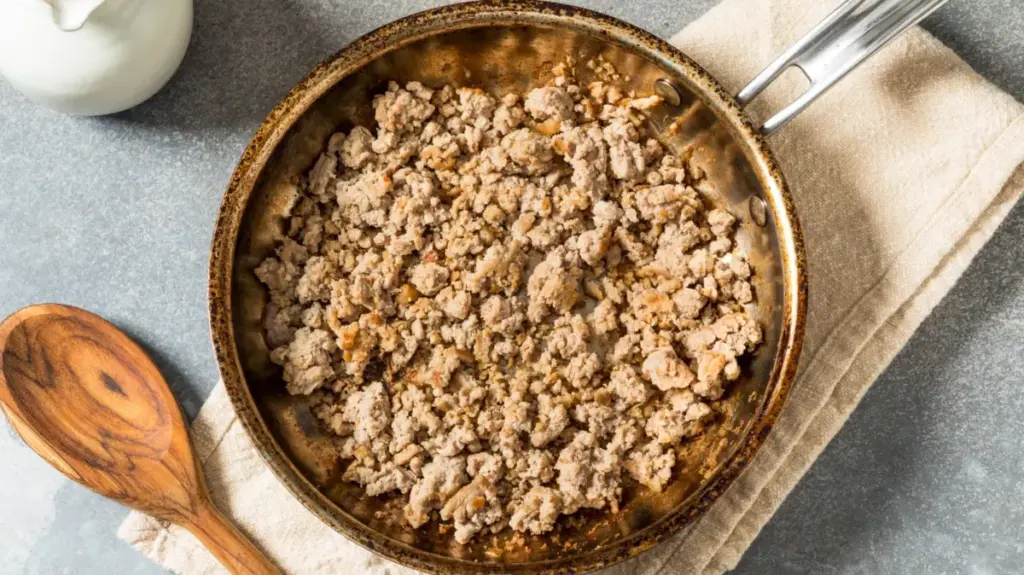
The science behind the protein’s behavior in the pan dictates this cautious approach. As ground turkey cooks, its internal proteins naturally tighten and squeeze out moisture. The longer the meat remains exposed to intense, high heat, the more of its natural juices evaporate into thin air. Furthermore, Littley points out that mechanical handling plays a significant role in moisture retention. He has found that breaking the meat into relatively larger pieces during cooking—rather than chopping and mincing it into an ultra-fine texture—results in better retention of its natural juices. A coarser chop leaves less overall surface area exposed, drastically cutting down the pathways through which precious moisture can escape during the sautéing process.
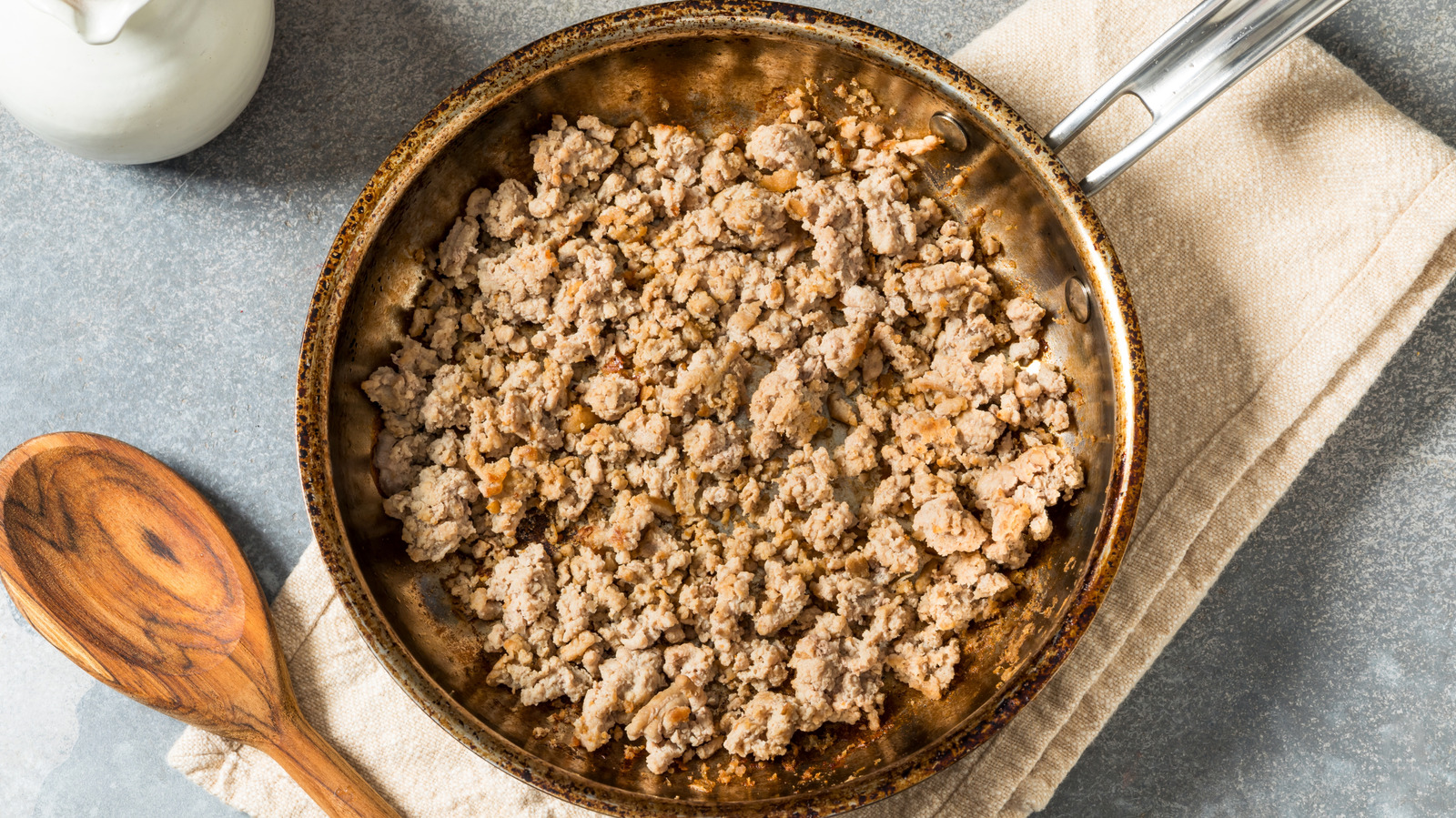
Just as culinary schools warn against overworking burger beef, Littley stresses that home cooks must be careful not to overwork ground turkey. Excessive handling or kneading compresses the meat too severely, yielding a final product with a dense, unpleasantly tough texture. Similarly, home cooks should resist the temptation to constantly stir the pan. Constantly moving the meat around disrupts the cooking process and forces the protein fibers to release even more internal moisture.
For those who struggle to gauge doneness by sight or touch alone, relying on visual cues can lead to overcooking. Littley strongly recommends utilizing an instant-read thermometer to eliminate the guesswork. Pulling the ground turkey off the heat source the exact moment it reaches the appropriate internal food safety temperature ensures that the meat retains the maximum amount of remaining moisture.
Don’t be afraid to add fat to your ground turkey
Despite best efforts, pan-cooked poultry can occasionally dry out faster than anticipated. When this happens, Littley advises that the situation is far from hopeless, provided the cook acts quickly. The sooner a drying batch of turkey is caught, the easier it is to course-correct. He recommends introducing moisture directly into the cooking vessel by incorporating a splash of chicken stock, savory tomato sauce, or even plain water to rehydrate the pan contents.
In addition to liquids, incorporating chopped vegetables represents another reliable method for building internal moisture. Vegetables that possess a high natural water content, such as earthy mushrooms, crisp onions, tender celery, and garden-fresh zucchini, act as natural sponges and steam-releasers. As these vegetables sweat down alongside the poultry, they infuse the meat with moisture and prevent the turkey from withering under the heat. However, cooks must exercise moderation, ensuring they do not add an overwhelming volume of liquid that would inadvertently cause the meat to boil rather than sauté.
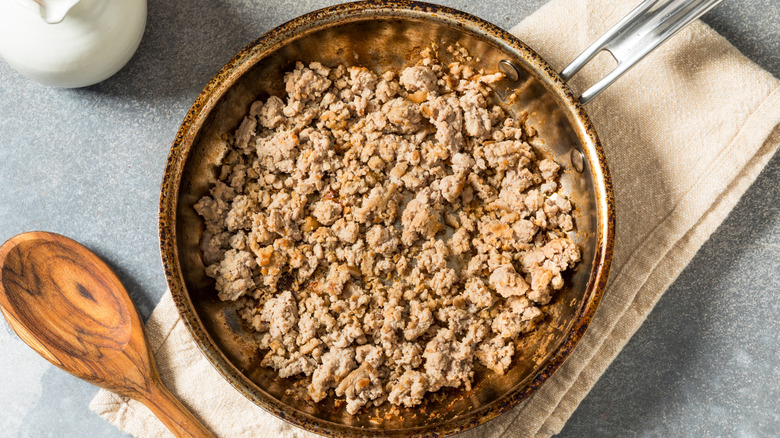
Because turkey meat naturally lacks the high fat content of beef, it inherently requires supplementary ingredients to contribute adequate richness and savory flavor depth. For this reason, Littley cautions against shying away from healthy fats. A modest drizzle of olive oil or a small pat of butter added to the pan can instantly restore a sense of richness to the lean protein. Cooking oils not only contribute an unctuous, satisfying mouthfeel that mimics higher-fat meats, but they also serve the functional purpose of preventing the lean turkey from sticking to the bottom of the skillet.
Seasoning is another critical area where cooks often falter. Under-seasoning remains one of the most common and damaging mistakes made when preparing ground turkey, as the mild nature of the poultry demands robust flavor profiles to stand out.
Despite careful monitoring, distractions happen in any busy kitchen, occasionally leaving a cook facing a pan of thoroughly dry, overcooked meat. When recovery via stock or vegetables is no longer viable, Littley offers a pragmatic directive: abandon plans to serve the meat on its own and pivot immediately. Rather than continuing to apply direct heat to a lost cause, cooks should fold the dry meat into a heavily moisture-laden medium.
Incorporating the overcooked turkey into a simmering pool of rich tomato sauce, savory gravy, hearty chili, spiced curry, or a seasoned taco filling allows the meat to reabsorb flavor and moisture simultaneously. Alternatively, the protein can be repurposed directly into a rich turkey tomato bolognese recipe, where a lengthy simmer in an acidic, liquid-heavy sauce completely transforms the texture.
Achieving a consistently moist and flavorful result with ground turkey does not require closely guarded culinary secrets, but it does demand a shift in mindset. Home cooks must learn to treat poultry with greater gentleness than they would traditional beef. By respecting the bird, keeping stove temperatures under control, and vigilantly monitoring internal temperatures, preparing lean ground meat can become a reliable and rewarding part of any weeknight routine.