


Listen to manufacturers and keep your phone out of humid spaces.
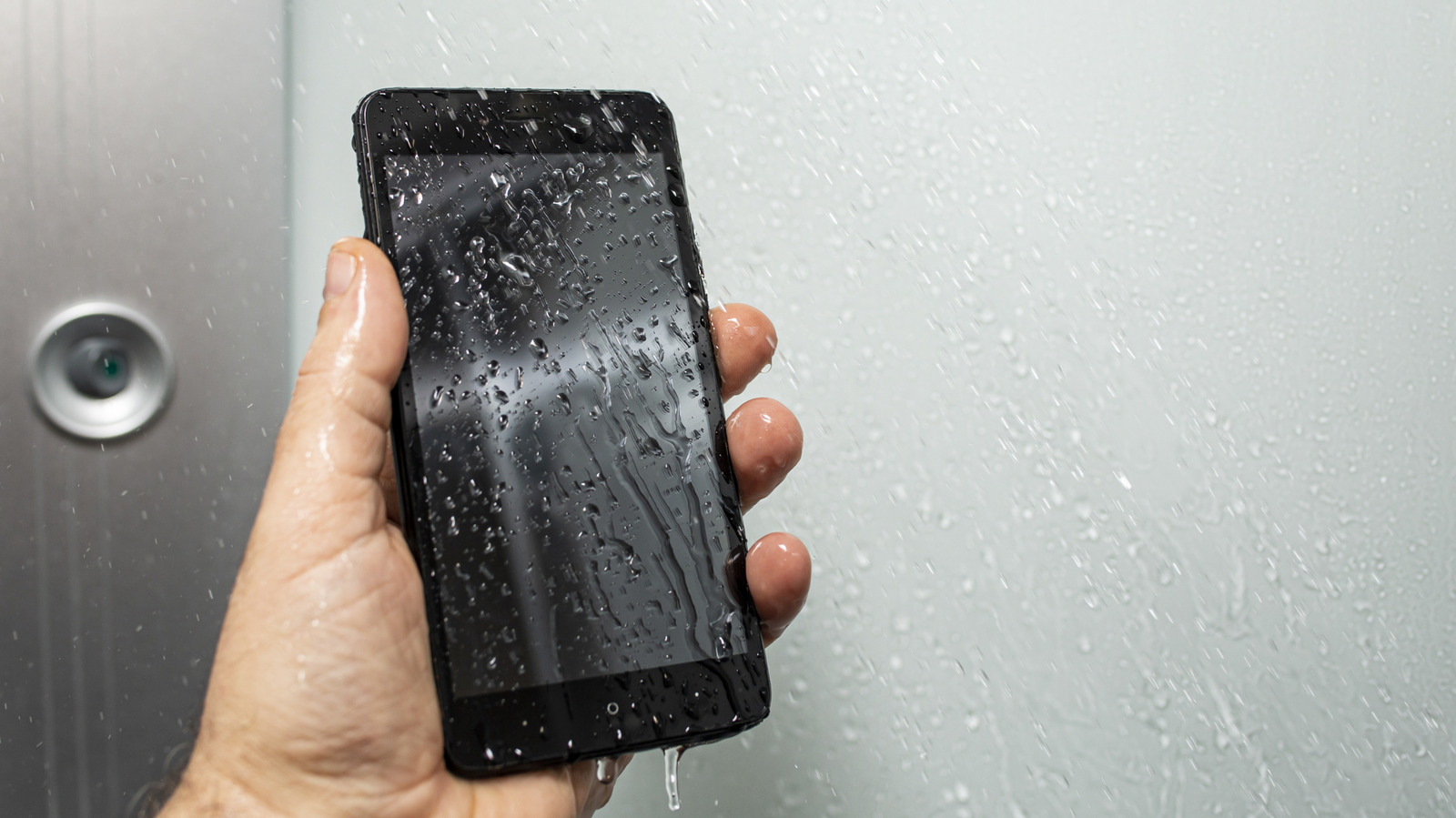
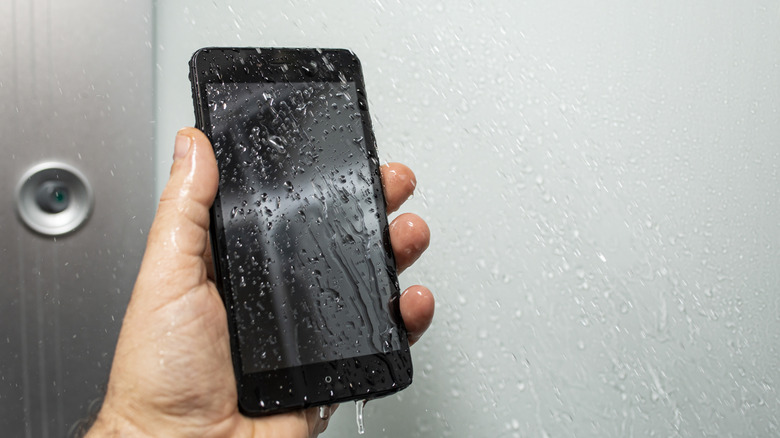
For millions of smartphone owners, bringing a device into the bathroom to listen to music, catch up on podcasts, or stream a favorite show while getting ready has become a daily routine. With modern advertising constantly highlighting advanced liquid resistance, it is easy to assume that today’s handsets are essentially impervious to moisture. However, major technology companies and repair experts are issuing a clear warning that many users are ignoring at their own peril: bringing a phone into a hot shower or steam-filled bathroom can cause irreversible internal damage, even if the device never comes into direct contact with running water.
Most current smartphones feature an IP67 or IP68 rating, with the second numerical digit representing water-resistance levels. Neither IP number should ever be confused with "waterproof," and hot steam is a different animal altogether. Phones are generally described as water-resistant, though the term "waterproof" is inaccurately tossed around quite a bit, to the point that some assume their phones can tolerate water in any scenario.
The misconception stems from laboratory testing conditions that do not reflect everyday usage environments. An IP68 rating typically means a device can withstand static freshwater immersion up to a certain depth and duration, usually around 1.5 meters for up to 30 minutes. But these tests involve cold or room-temperature static water, not the aggressive, shifting variables of heat, pressure, and vapor found in a residential bathroom during a hot shower.
In a hot shower, that steam can turn back into liquid, both on and around your phone. That sounds perfectly fine if your phone has an IP68 rating, but water is a relentless force of nature. It will find a way in, and that way is through the charging port, speakers, buttons, and microscopic seals. Combined with heat, it will gradually wear down the built-in protections that keep liquid out.
Phone manufacturers are surprisingly direct about this risk, frequently updating their official support documentation to warn consumers against exposing devices to high humidity and extreme temperatures. Apple’s support pages explicitly state that iPhone owners should avoid saunas and steam rooms, and remind them that liquid damage is not covered under standard hardware warranties. Google issues identical guidance for Pixel device owners, suggesting that individuals seeking bathroom entertainment should rely on external hardware like a Bluetooth speaker rather than bringing their primary communication device into the steam zone.
Steam, heat, and humidity create a different risk
If a phone can survive a spilled drink or a brief dunk in a swimming pool, it is natural for consumers to wonder why shower steam presents such a significant hazard. If a device experiences brief and limited exposure to high humidity now and then, the risk may indeed be minimal. However, total immersion and continuous steam exposure are fundamentally different physical phenomena.
Water-resistance ratings are specific to liquid water under tightly controlled conditions, not the dynamic heat and humid air generated by domestic plumbing. Worse, rapid cooling in a moist environment creates condensation, both inside and outside the device. As warm, vapor-laden air contacts the cooler glass and metal chassis of a smartphone, moisture precipitates out of the air, slipping past tolerances that were designed to block liquid droplets rather than microscopic vapor particles.
Though it constitutes a separate danger, overly hot bathrooms, saunas, and steam rooms can raise ambient temperatures well above a smartphone’s specified operating range. Most modern smartphones have a maximum recommended operating temperature of around 95 degrees Fahrenheit, and even lower thresholds when sitting idle or charging. The intense heat of a bathroom environment can trigger automated thermal shutdowns, and it will almost certainly impact the long-term health and chemical stability of the lithium-ion battery housed within.
Besides, placing your phone on a shower shelf or soap dish, especially if it is close to the direct spray, is just asking for trouble. Trying to handle an expensive piece of consumer electronics with wet, soapy hands is a reliable recipe for accidental drops and structural shattering. Experts advise keeping the device entirely outside the bathroom if possible, opting instead for a portable Bluetooth speaker. Many contemporary wireless speakers come equipped with robust IP ratings of their own and are substantially more expendable than a thousand-dollar flagship handset. Furthermore, modern Bluetooth technology is exceptionally reliable and can effortlessly maintain a stable connection through standard interior doors and walls.
Can heat permanently damage a phone?
The answer is an unequivocal yes. Repeated or significant heat exposure can permanently impact a smartphone, and never in a positive way. While battery capacity and longevity are major selling points for consumers prior to purchase, routine exposure to high temperatures accelerates battery aging, degrades chemical efficiency, and diminishes overall lifespan.
Furthermore, the tiny adhesives, gaskets, and internal seals that consumers cannot see do not play well with a combination of heat and moisture. The most insidious aspect of this type of degradation is that the damage is rarely immediately obvious. A user might notice a stray liquid damage alert pop up intermittently, or find themselves forced to rely on a magnetic charging cable while a damp port dries out, all without realizing that vital interior components and circuit board coatings are slowly corroding and degrading.
Whenever a smartphone gets wet for any reason, maintenance experts recommend wiping the housing down immediately. Users should refrain from plugging any cables into the charging port while moisture might still be present, and should store the device with the ports facing downward to encourage natural drainage. For obvious reasons, individuals should strictly avoid using a hairdryer, microwave, or any other external heating method to accelerate the drying process. While a common domestic home remedy involves submerging a damp phone in a bowl of raw rice, device manufacturers like Apple explicitly recommend against this practice, as fine starches and dust particles can enter open ports and cause further internal contamination.
Ultimately, the best possible fix for a wet smartphone is preventing it from getting wet in the first place. While that sounds like common sense, it extends directly to keeping the hardware entirely out of hot, humid rooms where condensation can compromise internal engineering. By taking a few extra precautionary steps, users can easily connect to a portable speaker to enjoy music, podcasts, or audiobooks while their phone rests safely in an adjacent room. With smartphone prices continuing to climb year after year, avoiding risky bathroom habits remains the most reliable way to protect a significant investment.