

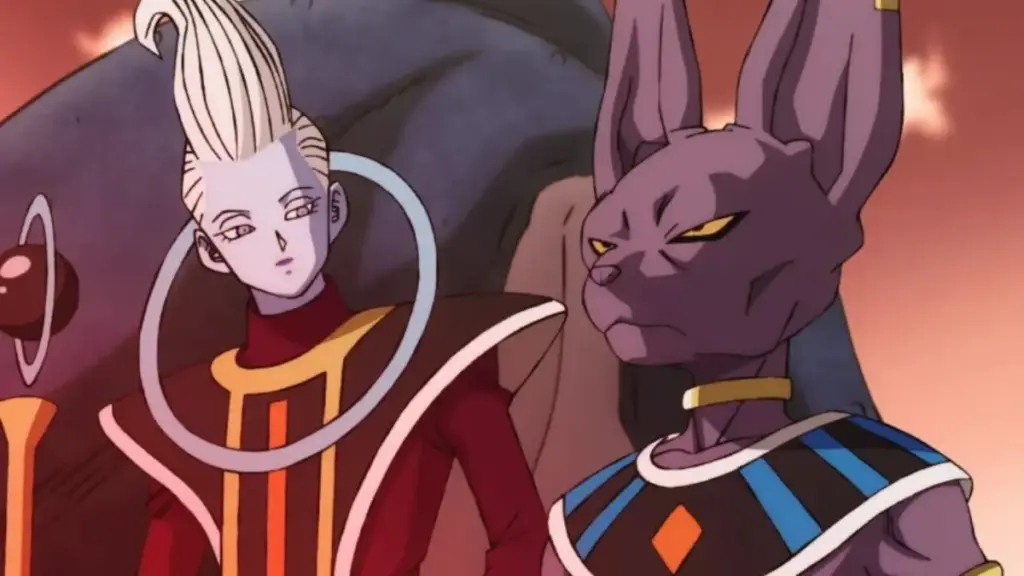
When the announcement first dropped that Dragon Ball Super was receiving a new adaptation starting with the God of Destruction arc, it was difficult for many longtime fans and critics alike to see the immediate purpose. After all, the narrative of Beerus crashing into Goku’s world had already been experienced twice before: first on the big screen in the 2013 theatrical film Dragon Ball Z: Battle of Gods, and subsequently adapted for television during the rocky 2015 run of the original Dragon Ball Super anime.
While the promise of modernized, higher-fidelity animation naturally carried some appeal, it felt to many like an insufficient justification for starting the franchise from scratch yet again. This hesitation was especially acute among manga readers who have spent years waiting to see major milestones—such as the expansive Galactic Patrol Prisoner arc featuring the ancient sorcerer Moro—finally make the leap from the printed page to the animated screen. Revisiting the very beginning of the Super era felt, to skeptics, like an unnecessary detour.
However, following the world premiere of Dragon Ball Super: Beerus at New York Comic Con, those initial doubts have been met with a dramatic shift in perspective. From the anime’s striking opening sequence—which functions less like a standard television opening and more like a celebratory retrospective of the franchise’s rich history—to its elevated color palette, refined aesthetic, and deliberate pacing, the new series is rapidly asserting itself as one of the most confident Dragon Ball television adaptations in years.
More importantly, this rendition feels remarkably faithful to the creative vision of the late Akira Toriyama, successfully translating the tone of the original manga to the screen. The premiere thoughtfully incorporates manga-exclusive details, such as Goku engaging in mental shadow-sparring against his most notorious historical foes. This inclusion signals clearly to the audience that the production team is using the Super manga, written and illustrated by Toyotarou, as its foundational blueprint rather than merely copying previous anime iterations.
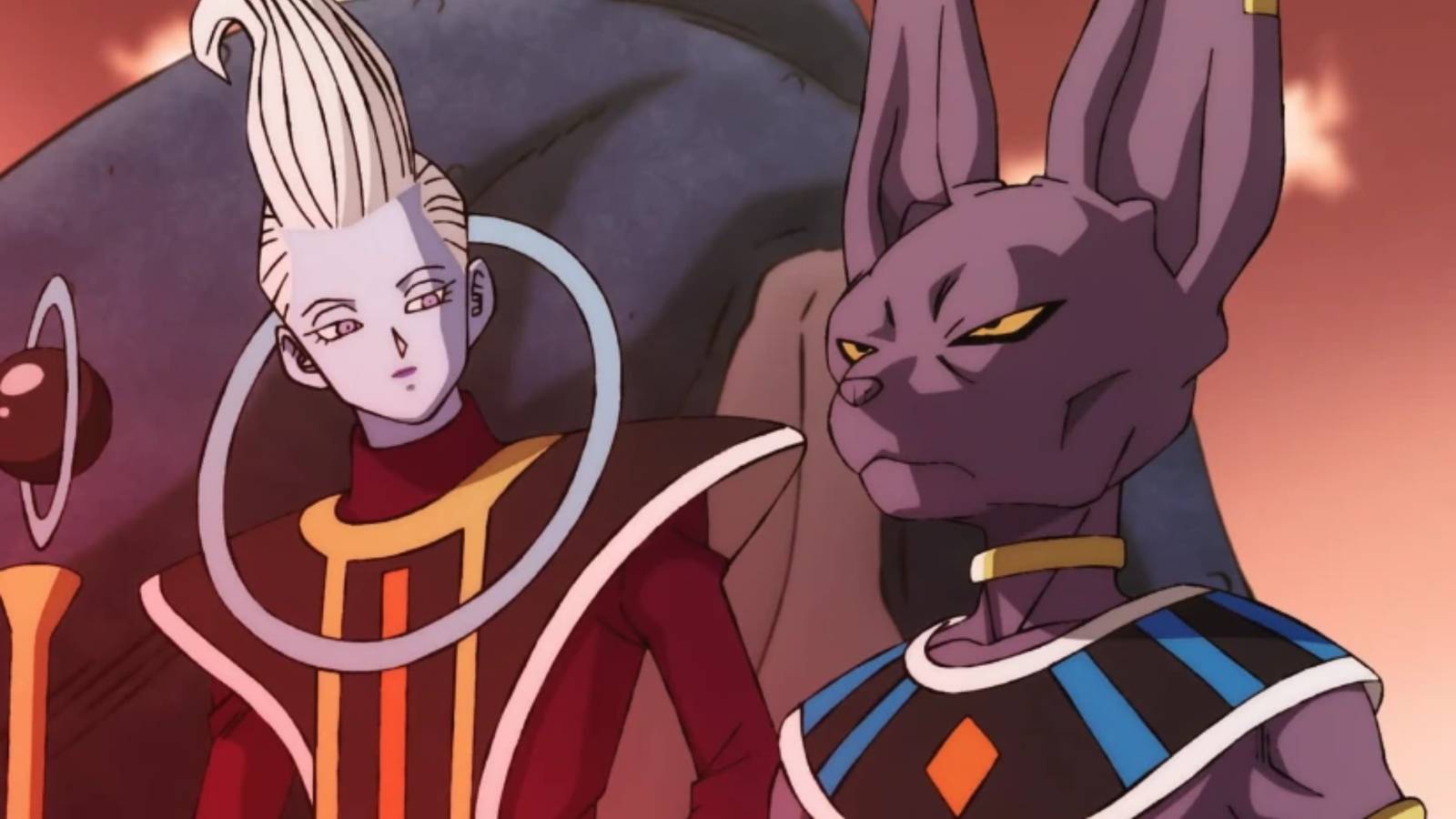
The immediate tonal differences are apparent right from the introduction of the titular character. Whereas Battle of Gods relied heavily on situational comedy, and the 2015 television broadcast often stretched its setup across padded, meandering filler, Dragon Ball Super: Beerus presents the God of Destruction as an authentic and terrifying cosmic threat from his very first appearance. While he retains his signature gluttony, temperamental mood swings, and Toriyama’s trademark dry humor, the danger Beerus represents feels starkly formidable, echoing the atmosphere established in the early chapters of the manga.
Rather than hastily rushing through familiar plot points, the creative team has chosen to rethink how the narrative breathes. This artistic intent is most evident in the revised pacing. The premiere takes its time to establish the baseline status quo, contrasting Goku’s peaceful, mundane routine as a hardworking radish farmer with the distant, slumbering menace of Beerus waking up in the far reaches of space. These quiet, unhurried beats allow the audience to settle in and give the characters room to resonate before the crushing weight of cosmic stakes enters the equation. For a franchise that has historically thrived on breakneck action, this willingness to let quiet moments linger comes as a welcome and refreshing surprise.
On paper, the promise of a fresh coat of paint might sound purely cosmetic, but in practice, it fundamentally transforms how the material impacts the viewer. Modern character models possess genuine vitality when placed against rich, textured backgrounds, and the physical choreography carries actual weight. While the premiere episode does not feature grand transformations, specific sequences—such as Beerus confronting opposition on Planet Mogina—exhibit a commanding presence. Refined linework and contrast-heavy shading grant the God of Destruction an intimidating aura that was notably absent from the flatter aesthetics of the 2015 broadcast. When Beerus casually deflects a desperate blast from the Chief Moginaian, the moment is delivered with a sharp sense of physical impact, elevating a routine display of villainy into a striking showcase of divine authority.
To fully understand why this shift in quality matters so much to the community, one must look back at the production challenges that hobbled the original 2015 run of Dragon Ball Super. Born out of an infamously rushed production schedule at Toei Animation—thrust onto television airwaves immediately following the release of Resurrection ‘F’—animators were forced to operate under crushing weekly deadlines with virtually no lead time. The results became infamous across the industry, most notably during Goku’s initial clash with Beerus on King Kai’s planet, which suffered from off-model character designs, flat digital shading, and stiff anatomy that quickly transformed into widespread internet memes. Beyond the visual missteps, the excessive episodic padding diluted the terrifying gravitas expected of a being who serves as a literal God of Destruction.

This context underscores why Dragon Ball Super: Beerus feels so vital to the current landscape of the franchise. The production is not merely trimming broadcast fat and correcting visual composition; it is finally treating the source material with the reverence aligned with Toriyama’s grand design. Retreading familiar narrative territory is always an inherent risk, and questions remain regarding whether the franchise truly needed to loop back to the start instead of pushing forward into uncharted territories. Yet, seeing these iconic conflicts revitalized through modern animation principles, paired with a much more thoughtful structural foundation, makes for a compelling argument in the project’s favor.
Furthermore, this slower, more deliberate pacing functions logically as a bridge to reacquaint fans with the wider world of Dragon Ball Super ahead of the planned release of the Galactic Patrol Prisoner arc. Slated to arrive in 2027, that upcoming arc will finally animate the high-stakes battle between Goku, Vegeta, and the ancient sorcerer Moro—a storyline that manga readers have anticipated for years. Consequently, providing a refreshed baseline of the events that initiated this entire era of the franchise serves as a strategic and welcome refresher before stepping into entirely new animated territory.
While skepticism toward remakes is entirely justified—especially when so much unadapted manga material remains waiting in the wings—the premiere indicates that Dragon Ball Super: Beerus is delivering a definitive version of the story. It elevates the visual standards to match the legacy of a franchise that has spanned over four decades. It prompts longtime fans to wonder how extraordinary the modern era of Dragon Ball might have turned out if it had been afforded this level of careful attention and production stability from the very beginning.
Naturally, a single successful episode does not guarantee the flawless execution of an entire arc. However, for the first time in years, the community has a tangible reason to feel genuinely excited to watch Goku reach for the divine once again.
Dragon Ball Super: Beerus is streaming on Crunchyroll and Netflix.