



WASHINGTON — Every single year, tens of thousands of beloved household pets are subjected to severe, painful, and ultimately fatal experimentation inside laboratories across the United States. While the use of animals in scientific research has long been a subject of intense ethical debate, the specific plight of dogs and cats behind closed doors has recently drawn sharp scrutiny from lawmakers on both sides of the aisle.
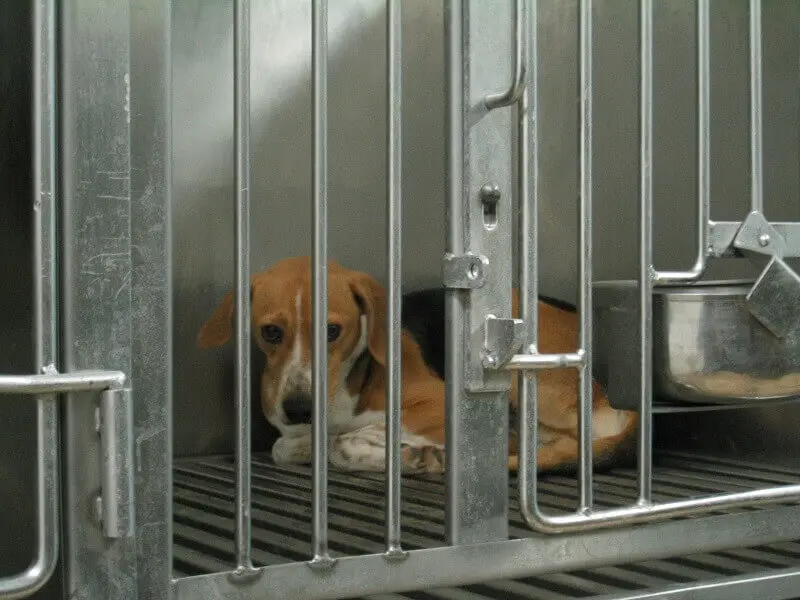
More than 42,000 dogs are tormented in U.S. laboratories annually. Among them, beagles are overwhelmingly the preferred choice for researchers due to a heartbreaking trait: they are naturally docile, trusting, and remarkably forgiving, making them exceptionally easy to handle even when subjected to terrifying environments and procedures.
The reality of what these animals endure inside research facilities is grim. They are routinely sliced open, intentionally inflicted with painful and debilitating diseases, or force-fed harmful chemicals and toxic substances as part of a laundry list of industrial and medical horrors. Far too often, these animals are specially bred for the laboratory, sold to the highest bidder, tortured nearly to death, and eventually killed. Once their lives are ended, their organs are routinely harvested for further study.
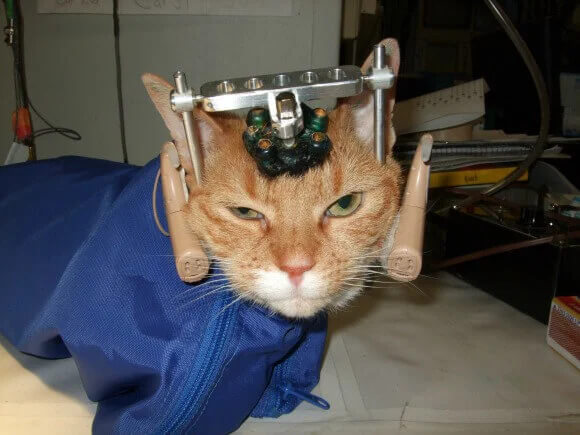
Cats fare no better under the heavy doors of institutional research facilities. Laboratories torment approximately 12,000 felines every year, subjecting them to invasive surgeries, neurological tests, and chemical exposures that mirror the suffering inflicted upon their canine counterparts.
However, a growing bipartisan coalition in Washington is stepping forward to declare that this systemic cruelty must come to an end.
U.S. Representatives Nick Langworthy, a Republican representing New York’s 23rd congressional district, and Mark Pocan, a Democrat representing Wisconsin’s 2nd congressional district, have officially joined forces to introduce landmark legislation aimed at halting the practice once and for all.
The lawmakers have introduced the Companion Animal Protection Against Cruel Testing, or COMPACT, Act. This groundbreaking piece of legislation is designed to fundamentally alter how federal research dollars are distributed by cutting off the financial lifeblood that supports these controversial tests. Specifically, the bill would bring an immediate end to the funding for all experiments on dogs and cats that are currently being paid for by the Department of Health and Human Services (HHS).
If passed into law, the COMPACT Act would effectively dismantle the financial apparatus utilized by several federal entities. This means all federal grants, contracts, cooperative agreements, fellowships, training awards, and any other funding mechanisms administered by the National Institutes of Health (NIH) and other participating agencies would stop immediately when it comes to any research involving the torment of dogs or cats.
The introduction of the COMPACT Act highlights a broader, ongoing cultural and legislative shift regarding the ethics of animal testing in the United States. For decades, federal agencies have relied on traditional animal models for biomedical research, toxicology screenings, and pharmacological safety assessments. However, advancements in modern science, including in vitro testing, computer modeling, and human cell-based assays, have increasingly demonstrated that animal models are not only ethically fraught but are frequently less accurate predictors of human physiological responses than modern alternatives.
Proponents of the legislation argue that continuing to funnel taxpayer dollars into outdated and cruel methodologies is an irresponsible use of federal resources, particularly when viable, humane alternatives exist and are rapidly improving. By targeting the Department of Health and Human Services and its sub-agencies like the NIH, the COMPACT Act strikes directly at the primary federal financiers of biomedical research involving companion animals.
What You Can Do
As the legislative battle over the COMPACT Act begins on Capitol Hill, animal welfare advocates and congressional sponsors emphasize that public engagement will play a critical role in determining the bill’s fate.
Lawmakers and advocacy organizations point out that Congress possesses the constitutional authority and the legislative power to help spare tens of thousands of dogs and cats from enduring painful, distressing experiments inside federally funded laboratories. Citizens who wish to see an end to these practices are being urged to take direct action by contacting their respective members of Congress to voice their support for the COMPACT Act and demand its passage into law.
Supporters note that grassroots momentum is essential for moving legislation through the committee process and securing the necessary votes on the House and Senate floors. Engaging with elected officials helps demonstrate widespread public opposition to the use of taxpayer money for the mistreatment of dogs and cats in research facilities.
Advocates also encourage supporters to amplify the message within their personal networks. By sharing information about the COMPACT Act with friends, family members, and community contacts, everyday citizens can help raise awareness about the hidden realities of laboratory animal testing and encourage a broader coalition of voices to call for meaningful legislative reform.