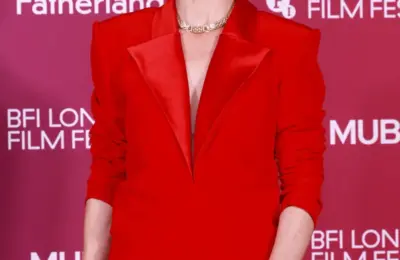


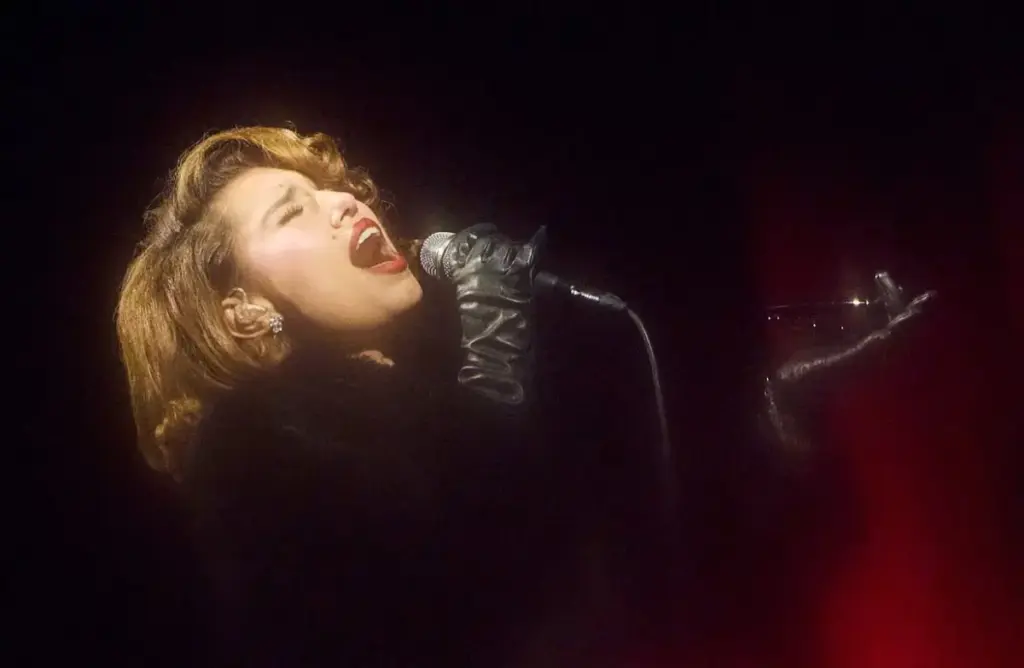
Singer-songwriter and Variety Hitmakers 2024 honoree Raye has officially secured one of the most prestigious accolades in British and Irish music, winning the 2026 Mercury Prize for her sweeping and ambitious second studio album, “This Music May Contain Hope.” In claiming the coveted trophy, Raye triumphed over a star-studded and diverse shortlist that included celebrated veterans, rising stars, and fellow critical darlings, such as Olivia Dean and Paul McCartney, cementing her status as one of the defining musical talents of her generation.
The Mercury Prize occupies a unique and revered space in the global music industry. Having no real equivalent in the United States, the annual award is specifically designed to recognize and celebrate the best album of the year released by artists hailing from the United Kingdom and Ireland. While the Brit Awards serve a somewhat similar cultural function to the American Grammys, the Mercury Prize is widely respected by critics and musicians alike for focusing purely on artistic achievement, creativity, and musical integrity rather than commercial sales or chart dominance. Over the years, the prize has honored a remarkable lineage of groundbreaking records, with past best album winners including acclaimed acts like Arlo Parks, Little Simz, The XX, James Blake, and numerous other influential artists who have shaped the modern sonic landscape.
To capture the 2026 prize, Raye’s sprawling new record had to outpace a fiercely competitive shortlist filled with notable releases across a wide spectrum of genres. Her fellow nominees included Dave for “The Boy Who Played the Harp,” Dove Ellis for “Blizzard,” Florence + the Machine for “Everybody Scream,” Jade for “That’s Showbiz Baby!,” Knats for “A Great Day in Newcastle,” Kojey Radical for “Don’t Look Down,” Nia Archives for “Emotional Junglist,” Olivia Dean for “The Art of Loving,” Paul McCartney for “The Boys of Dungeon Lane,” Suede for “Antidepressants,” and the War Child “Help(2)” compilation album. The breadth and depth of the nominees highlighted the vibrant and diverse state of the contemporary U.K. and Irish music scenes, making Raye’s ultimate victory all the more significant.
“This Music May Contain Hope” arrives as a major artistic statement following Raye’s widely celebrated rise and her previous industry accolades. In its detailed review of the album, Variety noted the sheer scale of the project, writing: “Suffice it to say, the album does not lack for ambition: Divided into four sections based on the seasons, it sprawls across a surprisingly fast-moving 70 minutes, 17 songs and nearly as many styles. Inevitably, it runs the risk of being too much for some listeners: too many songs, too many stylistic pivots, too much of… well, basically everything. This is not an album for background listening — it basically demands your attention.”
The review further praised the record’s bold creative choices, drawing comparisons to legendary acts while emphasizing Raye’s distinct artistic voice. “Pero as artists from Queen to Beyoncé have proven, ambition and excess can be glorious things when deployed with intelligence and humor, and while we’re not equating Raye with either of the above, there’s a similar sense here of trusting the artist to take you on an interesting voyage without wasting your time.”
The high-profile announcement and presentation event also featured stellar live performances from major musical acts, including memorable sets from Suede, Pulp, and others, adding to the celebratory atmosphere of a night that honored the very best of British and Irish music culture. With this historic Mercury Prize win for “This Music May Contain Hope,” Raye continues to write her own rules, captivating audiences and critics alike as she builds an extraordinary and enduring musical legacy.