

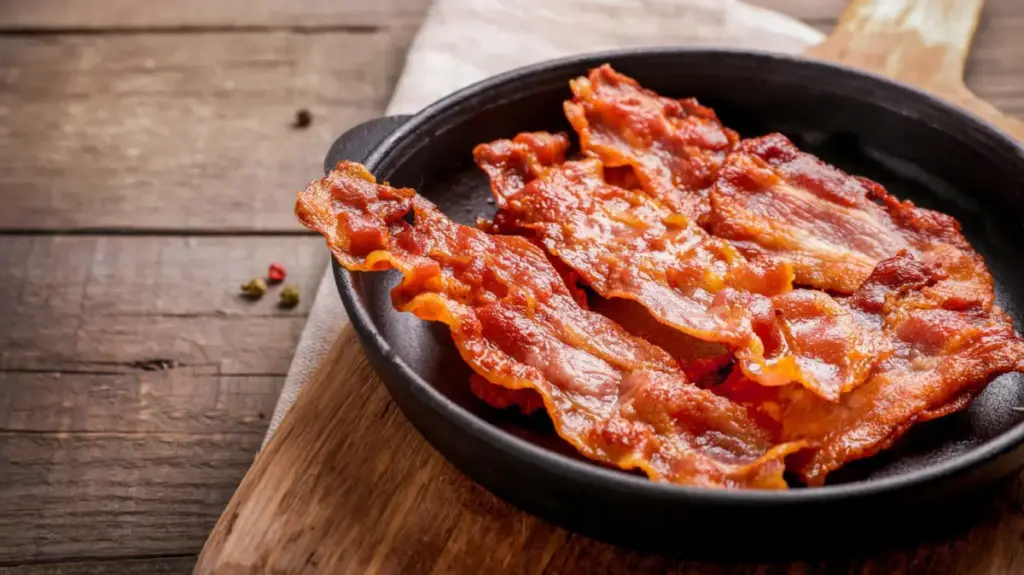
For millions of households around the world, waking up to the unmistakable aroma of bacon sizzling in a pan is the ultimate morning comfort. Whether prepared as part of a lavish weekend breakfast spread, crumbled over a midday salad, or layered into a towering club sandwich, bacon remains a culinary staple prized for its distinct combination of savory flavor, rich fat, and satisfying texture. Culinary enthusiasts have spent generations debating the best preparation methods—pitting traditional skillet-frying against baking on wire racks—and experimenting with various ways to achieve the ideal balance of crispness and tenderness. Yet, despite the countless techniques introduced by home cooks and professional chefs alike, a surprisingly simple and unconventional method has recently captured the attention of the food community: coating bacon in flour using a standard Ziploc bag before cooking.
While the notion of dredging cured pork in all-purpose flour might initially sound unusual to traditionalists, culinary experts note that the science behind the technique makes perfect sense. The preparation process is straightforward and relies on everyday kitchen supplies. A home cook begins by pouring all-purpose flour into a gallon-sized Ziploc bag, adding uncooked bacon strips, sealing the enclosure, and gently shaking the contents until each piece is evenly coated from end to end. From there, the coated strips can be cooked using preferred methods, whether frying in a skillet or baking in the oven. For those opting for the stovetop, pouring approximately two cups of oil into a skillet and heating it until bubbling provides the right environment for a deep, even fry, allowing the bacon to cook until it becomes firm and thoroughly crunchy. Alternatively, those who prefer baking can preheat an oven to 375 degrees Fahrenheit, arrange the floured strips on a baking sheet, and roast them for roughly twenty minutes while turning them halfway through to ensure even browning.
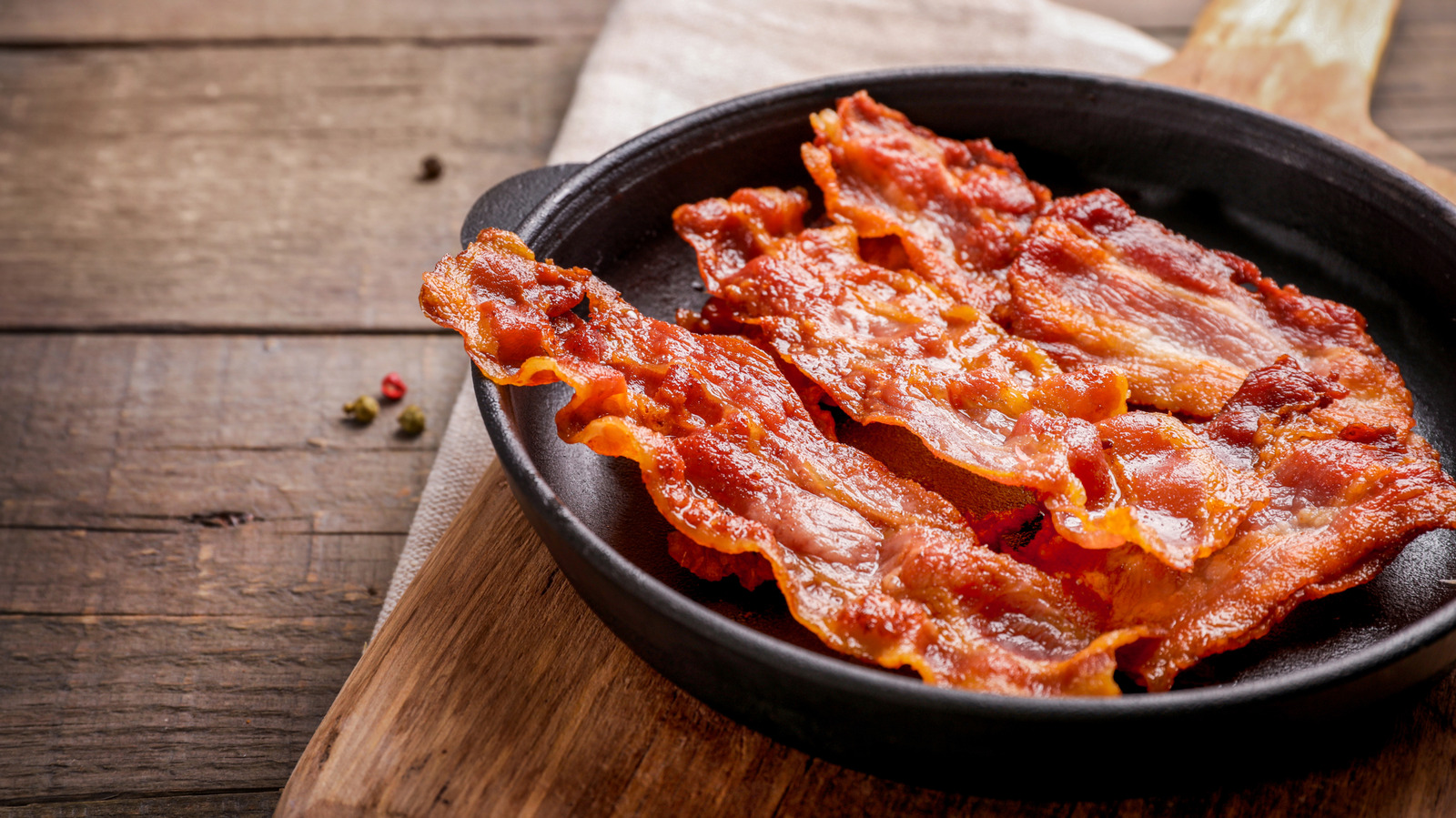
The physical transformation that occurs during this process yields a significantly thicker and heartier final product. Because flour naturally absorbs and dries surface moisture, it creates a crackly outer coating that provides an irresistible crunch with every bite. Furthermore, this flour barrier acts like a sponge for the rendering bacon grease, infusing each strip with a deep, concentrated umami flavor that evokes the comforting profile of classic fried chicken. This resemblance to traditional southern-style frying opens up a world of flavoring possibilities. By incorporating seasonings commonly associated with fried chicken batter—such as paprika, garlic powder, or other savory spices—cooks can elevate the bacon into a remarkably vibrant and multifaceted ingredient capable of anchoring an entire dish rather than merely serving as a side item.
How to Upgrade Fried Bacon Even More
Once home cooks master the basic technique of flour-coating bacon, the method can be easily customized to suit various palates and meal pairings, ranging from sweet breakfast dishes to savory artisan meals. For individuals who prefer a substantially thicker, more substantial batter akin to traditional fried chicken, the preparation can be slightly modified by dipping the bacon strips into an egg-and-buttermilk mixture prior to the flour-dredging step. This preliminary liquid coating ensures that a heavier layer of flour adheres firmly to the meat, resulting in a dense, richly textured outer crust. Those looking for precise execution can look to the time-tested buttermilk marinade techniques found in classic southern fried chicken recipes to achieve the ideal consistency before transferring the strips to the heat source.
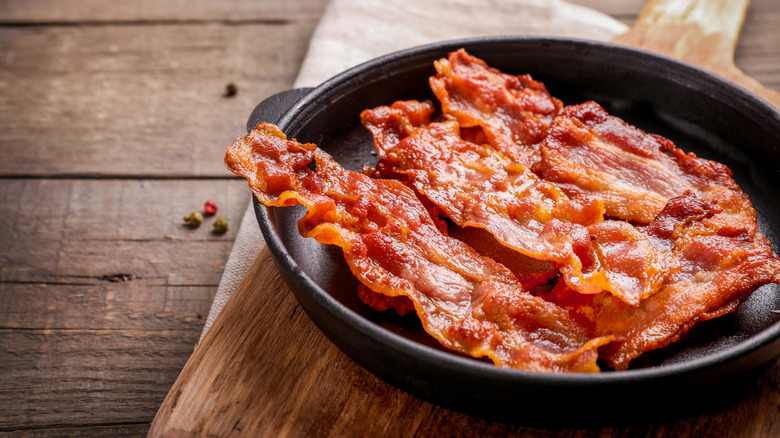
Beyond texture, the flavor profile of the bacon can be entirely reinvented to complement the specific theme of a meal. When preparing a sweet morning spread featuring items like pancakes or waffles, cooks can blend a touch of cinnamon and brown sugar directly into the dry flour mixture. Once cooked, these sweet-spiced strips can be finished with a delicate drizzle of maple syrup and a dusting of powdered sugar just before serving, creating a harmonious balance of sweet and savory notes. On the other hand, those leaning toward a savory lunch or dinner profile can incorporate spices such as chili powder or specialized seasoning blends, including popular commercial products like Trader Joe’s Everything But the Bagel Sesame Seasoning. The resulting savory bacon pairs exceptionally well with preparations like freshly scrambled eggs or smashed avocado toast, offering a sophisticated twist on a timeless breakfast favorite.