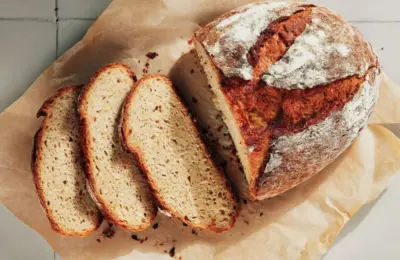



There is no denying that gluten-free bread has become a massive staple of the modern grocery store landscape. Once confined to dusty, hard-to-find corners of health food shops, gluten-free baked goods now occupy vast stretches of mainstream supermarket aisles. Today, shoppers are greeted with a plethora of options ranging from basic, everyday sandwich loaves to complex, artisanal sourdough and seed-packed specialty offerings. For individuals who medically must avoid gluten, this commercial evolution has made an enormous, life-changing impact on daily eating habits and culinary inclusion.
However, this widespread availability has also inadvertently fueled a persistent dietary myth: the popular misconception that eating bread devoid of gluten is inherently healthier than consuming "regular" wheat-based bread, regardless of a person’s actual physiological ability to process gluten.
According to Kelsey Kunik, a registered dietitian behind Graciously Nourished, the answer to whether gluten-free bread is truly better for you than regular bread depends entirely on the individual consumer. "Gluten-free bread is only healthier for people who have celiac disease or gluten sensitivity," she explains. "Just because a bread is gluten-free doesn’t tell us what it is actually made from, or what nutrients it has." To understand why this distinction is so crucial for modern consumers, it is helpful to look back at the fundamentals of what gluten actually is and how it functions in baking.
In short, gluten is a complex group of proteins naturally found in certain cereal grains, most notably wheat, barley, and rye. In conventional bread-making, these proteins serve a vital structural purpose. When mixed with water and kneaded, gluten forms a strong, elastic network that is capable of trapping gases produced during the fermentation process. This trapped gas is what helps dough bubble, expand, and rise, ultimately giving traditional bread its characteristic airy crumb, satisfying bite, and chewy texture.

When food manufacturers set out to produce gluten-free alternatives, they face a formidable culinary challenge: replicating that exact elasticity and structure without the help of wheat proteins. To achieve this, they typically rely on a combination of alternative flours, starches, and binding agents such as xanthan gum or psyllium husk. Kunik’s point illustrates that the resulting products vary wildly in their nutritional quality. A product’s status as gluten-free does not automatically correlate to a high fiber, protein, or micronutrient content.
Gluten-Free Is Best for Those With Gluten Sensitivities
For a distinct segment of the population, gluten-free bread is not merely a lifestyle choice or a passing wellness trend, but an absolute medical necessity. "People with celiac disease, an autoimmune disease that causes the body to essentially attack itself when gluten is eaten, need to avoid gluten," Kunik further explains. She adds that "a small percentage of people have non-celiac gluten sensitivity, where eating gluten can cause symptoms like digestive upset or inflammation-like symptoms." Although both medical conditions make navigating the bread aisle essential, they involve entirely different physiological processes and present with varying symptoms.
Celiac disease is a systemic autoimmune disorder where the ingestion of gluten triggers an immune reaction that damages the villi of the small intestine. This condition can produce symptoms that are not always easily connected to a particular meal or food item. Some individuals might experience classic gastrointestinal distress, such as abdominal pain, bloating, and chronic diarrhea. Others, however, are beset by symptoms that seem entirely unrelated to digestion, including persistent fatigue, joint pain, unexplained iron-deficiency anemia, or frustrating skin reactions like eczema or dermatitis herpetiformis. Because the immune-mediated response harms the small intestine over time, it can severely interfere with the body’s ability to absorb vital nutrients properly.
A wheat allergy, meanwhile, represents an entirely separate physiological condition. It involves a classic immune response to one or more of the proteins found in wheat, which can occasionally trigger severe reactions, including anaphylaxis.

For those suspecting an issue, adopting a temporary gluten-free diet that incorporates alternative grains can sometimes help identify a possible sensitivity, though true medical diagnosis requires professional guidance. Celiac testing may provide a definitive answer, but its diagnostic accuracy depends heavily on the patient continuing to consume gluten leading up to the test.
That said, individuals who experience no adverse physical or digestive symptoms after eating wheat or gluten-containing products should not harbor unwarranted anxiety. "The percentage of people with celiac disease or non-celiac gluten sensitivity is quite small," Kunik notes, emphasizing that "for the majority of people, gluten is completely harmless."
Gluten-Free Bread Doesn’t Automatically Mean Healthier
One of the most common misconceptions among wellness-focused shoppers is that removing an ingredient inherently improves a food product’s overall health profile. In reality, gluten-free bread can be manufactured from an enormous range of ingredients, leading to substantial nutritional differences from one loaf to the next.
Some commercial gluten-free breads are made primarily from highly refined ingredients, such as white rice flour, potato starch, and tapioca starch. These refined components digest quickly and often lack the robust fiber profiles found in whole grains. Conversely, other manufacturers formulate their loaves using nutrient-dense legumes, ancient gluten-free grains like sorghum and quinoa, and a heavy inclusion of seeds. Furthermore, gluten-free products often differ significantly in the vitamins and minerals added through fortification. Conventional wheat flour, for instance, is frequently enriched with essential nutrients such as iron and folic acid, a standard practice that may not be mirrored in every alternative baking formulation.

This nutritional variance is especially consequential for individuals managing celiac disease, who may already be uniquely vulnerable to nutritional deficiencies due to the historical damage inflicted on their small intestines before diagnosis. Because of this, Kunik’s professional advice is to judge a loaf of bread by its actual ingredient list and nutritional content rather than relying blindly on a front-of-package gluten-free label.
"There’s no harm in eating gluten-free bread, even if you can tolerate gluten," she clarifies. "As with any bread, reading the label to look for nutrients like fiber and whole grains is a great way to tell if a bread is nutritious or not, regardless of gluten."
Cost is another practical consideration that shoppers often weigh when evaluating their options. Specialty gluten-free loaves frequently command a substantial financial premium over conventional, mass-produced bread, reflecting the specialized ingredients and manufacturing processes required to produce them. For consumers who can comfortably and healthfully digest wheat, opting for gluten-free bread is primarily a matter of personal dietary preference rather than an automatic nutritional upgrade. Keeping these economic and nutritional realities in mind can help shoppers make more informed decisions when browsing the diverse array of store-bought gluten-free breads available on shelves today.