For many endurance athletes, the mere mention of Pilates invokes a specific kind of dread. Ask an experienced runner if they want to log ten miles at a brisk pace, and they will readily accept the challenge, asking only for the target split. But ask them to secure their legs in straps with their knees bent at a ninety-degree angle, curl up to forcibly engage their deep abdominal muscles, and pump their arms in time with rhythmic breathing while counting to one hundred, and the response is often entirely different.
Pilates—with its emphasis on small-muscle-focused, highly intentional, and meticulously coordinated movements—remains a polarizing practice. Dedicated runners who have conquered intense fitness regimes like CrossFit, high-intensity interval training, and hot yoga often find that nothing quite matches the unique, muscle-quivering torture of a structured Pilates session. And yet, many athletes who initially resist the discipline find themselves returning to the mat week after week, year after year. The reason is simple: despite the discomfort, Pilates has quietly established itself as one of the most effective cross-training complements available to the running community.
This realization often comes to runners not by choice, but by necessity. Consider the journey of runners who, following a debilitating injury such as a severe calf tear, find themselves abruptly sidelined and forced into long-term physical therapy. Traditional rehabilitation often rules out immediate running and unsupervised heavy lifting, leaving practitioners searching for alternative paths to recovery. Physical therapists frequently point patients toward beginner-level Pilates classes, prescribing the discipline not as an aesthetic workout, but as a method to systematically build balanced strength, joint stability, and foundational mobility. The ultimate goal is to ensure that when an athlete finally returns to the asphalt or the trail, their body is far more resilient and well-rounded than it was before the injury.
Yet, a fundamental question remains for healthy athletes: why should a runner choose Pilates over the countless alternative cross-training modalities available today? Is its rising popularity merely a fitness trend driven by aesthetic appeal, grippy socks, and specialized equipment, or is there a genuine physiological advantage hidden beneath the surface?
To understand its value, one must first look past the misconceptions. To the uninitiated, Pilates often appears to be little more than an aesthetic trend involving specialized resistance machines, social media-friendly workout wear, and extended periods of lying supine on a mat. However, a single introductory session typically disabuses newcomers of any notion that the practice is easy. Within minutes, practitioners often find themselves dripping with sweat and discovering deep core muscles they rarely activate during a standard training run.
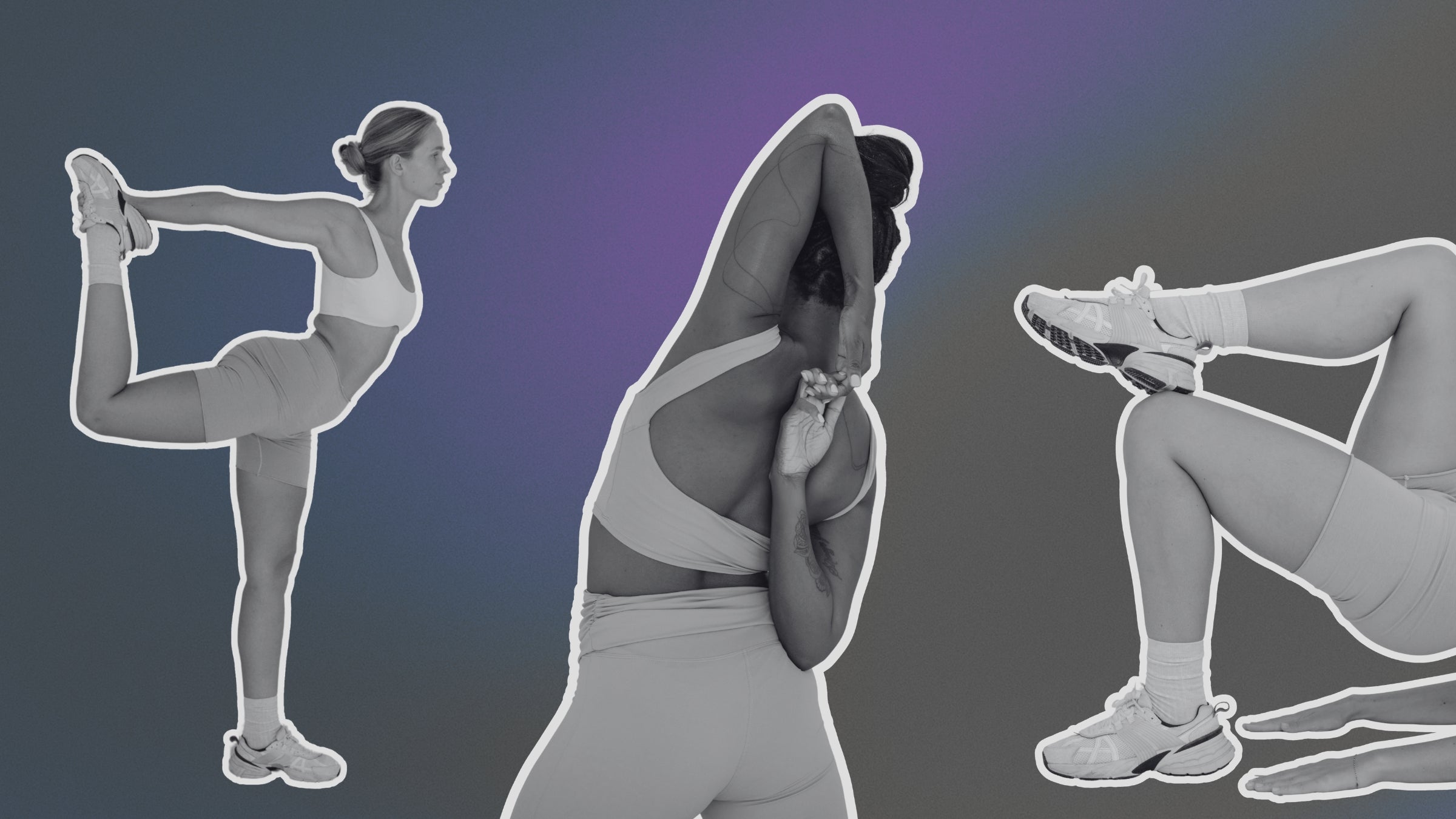
Developed in the early twentieth century by Joseph Pilates, the discipline is fundamentally a low-impact form of exercise centered on core strength, postural stability, flexibility, and hyper-controlled movement. It can be performed either on a mat using bodyweight resistance or on specialized apparatuses like the Reformer, which utilizes a system of springs and pulleys to modulate resistance. Despite the prevalence of advanced studio equipment, most runners can reap massive rewards from the baseline, no-equipment mat style of practice.
During those initial, uncomfortable sessions, athletes frequently question the logic of their physical therapists or instructors. A slow, intricate, and deeply humbling workout rarely elevates the heart rate in the dramatic fashion associated with a grueling track workout. The muscles targeted do not immediately feel like traditional running muscles. Instead, practitioners often experience general discomfort and the unsettling realization that they are remarkably uncoordinated in these novel planes of motion.
According to Liz Patient, founder of Pilates for Runners and a long-time instructor, that exact friction is precisely the point. Running is inherently a high-impact, intensely repetitive discipline. While this repetitive nature is fantastic for developing movement specificity and dialing in running form, it exacts a heavy physical toll. The human body fundamentally resists extreme repetition, which serves as the primary root cause of most chronic overuse injuries. Pilates counteracts this monotony by introducing a diverse array of mobility, strength, and stability challenges that restore physical balance to the athlete.
Scientific Evidence and Running Efficiency
While subjective experiences in the studio can feel humbling, a growing body of scientific research confirms that Pilates offers tangible performance benefits for endurance runners.
In a notable twelve-week study conducted in 2018, researchers monitored a cohort of trained runners, dividing them into two distinct groups. While both cohorts maintained their regular running schedules, one group integrated regular Pilates sessions into their weekly routine. At the conclusion of the study period, both groups had improved their running speeds, but the Pilates group demonstrated a dramatically superior performance payoff.
While the control group improved their average five-kilometer times by a modest margin, the runners practicing Pilates shaved more than two minutes off their times, experiencing significant gains in overall running economy. These athletes required less physiological energy to maintain a given pace, exhibited notable improvements in maximal oxygen uptake, and placed significantly less strain on their postural muscles during submaximal efforts. In practical terms, their bodies had adapted to run smarter, moving with greater mechanical efficiency rather than simply relying on cardiovascular grit.
A broader analysis published in 2023 further expanded upon these findings, demonstrating that Pilates systematically enhances postural stability, dynamic balance, agility, muscular strength, flexibility, core endurance, sprint performance, and coordination across athletes in a wide variety of sports disciplines.
The mechanism behind these sweeping improvements often surprises athletes accustomed to lifting heavy weights or logging high weekly mileage. The efficacy of Pilates stems from its holistic approach to whole-body connectivity. Joseph Pilates originally designed his method to optimize human physical potential, emphasizing that isolated muscle conditioning cannot produce systemic physical wellتاب wellbeing. True functional strength requires complex muscle groups to coordinate, stabilize, and fire in unison, developing the physique as an integrated kinetic chain rather than a collection of independent parts.
Pilates Versus Traditional Strength Training
A common observation among runners new to Pilates is the absence of delayed onset muscle soreness, or DOMS, which typically follows heavy resistance training sessions in the gym. This lack of crushing physical fatigue often leads athletes to underestimate the workout, even while they struggle through the movements in real time.
Experts note that Pilates emphasizes lengthening muscular tissue and promoting localized blood flow, which helps mitigate the severe post-workout soreness often associated with traditional weightlifting. Furthermore, while conventional gym sessions frequently target primary locomotive muscles like the quadriceps and hamstrings, Pilates digs deeper to construct foundational stability from the center out.
Consider the analogy of trying to generate explosive athletic power while standing on an unstable paddleboard versus standing on solid ground. Without a stable foundation, power transfer is severely compromised. The core functions in the exact same manner; the more stable an athlete’s center, the more efficiently their arms and legs can produce force. This focus on deep stabilization is precisely why Pilates frequently humbles strong athletes, serving as a stark reminder that brute strength in specific muscle groups does not automatically equate to balanced whole-body function.
Beyond physical performance, instructors emphasize that Pilates fosters a deeper internal awareness. The quiet, deliberate, and breath-focused nature of the practice encourages athletes to tune into their bodies at a baseline level. Rather than chasing a personal record on a heavy lift and leaving the gym with lingering joint pain, a regular Pilates practice teaches runners to notice subtle physical feedback. An athlete rolling down through the spine might suddenly recognize that their back is unusually tight on a given day, providing a vital cue to ease off intensity, prioritize sleep, or dial back an interval workout before minor tightness develops into a serious injury.
Foundational Movements for Endurance Athletes
For runners hesitant to invest time or financial resources into specialized studio classes or expensive equipment, experts emphasize that elaborate setups are entirely unnecessary. Functional movements executed with strict neuromuscular control and intentional breathing can deliver profound results using nothing more than bodyweight. Consistency remains the ultimate variable; whether an athlete commits to ten minutes a day or one dedicated hour a week, regular practice yields systematic improvements in recovery, mobility, strength, and ultimately, running power.
Runners looking to integrate these principles can begin with a targeted sequence of foundational movements designed to address the specific biomechanical demands of the sport.
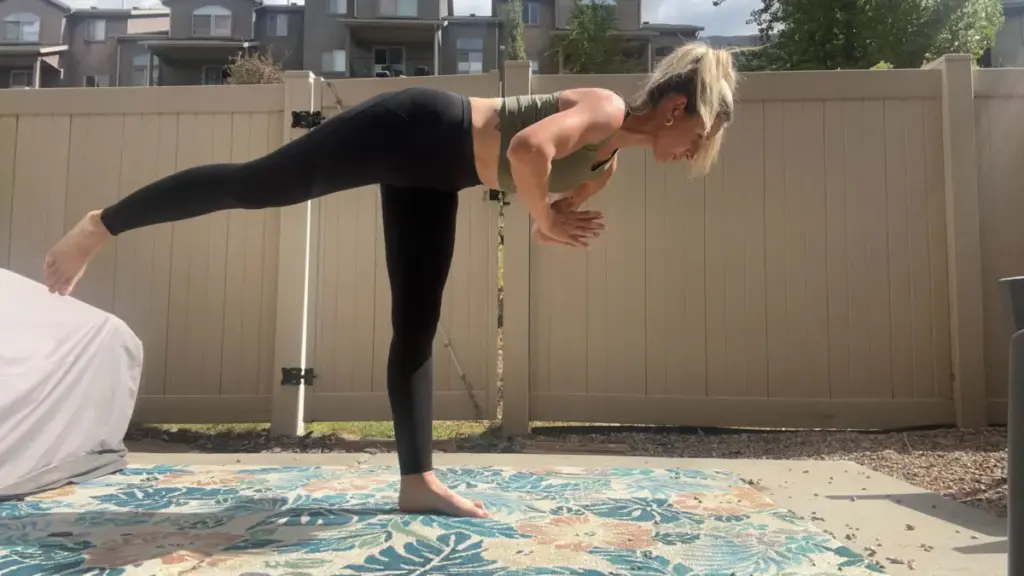
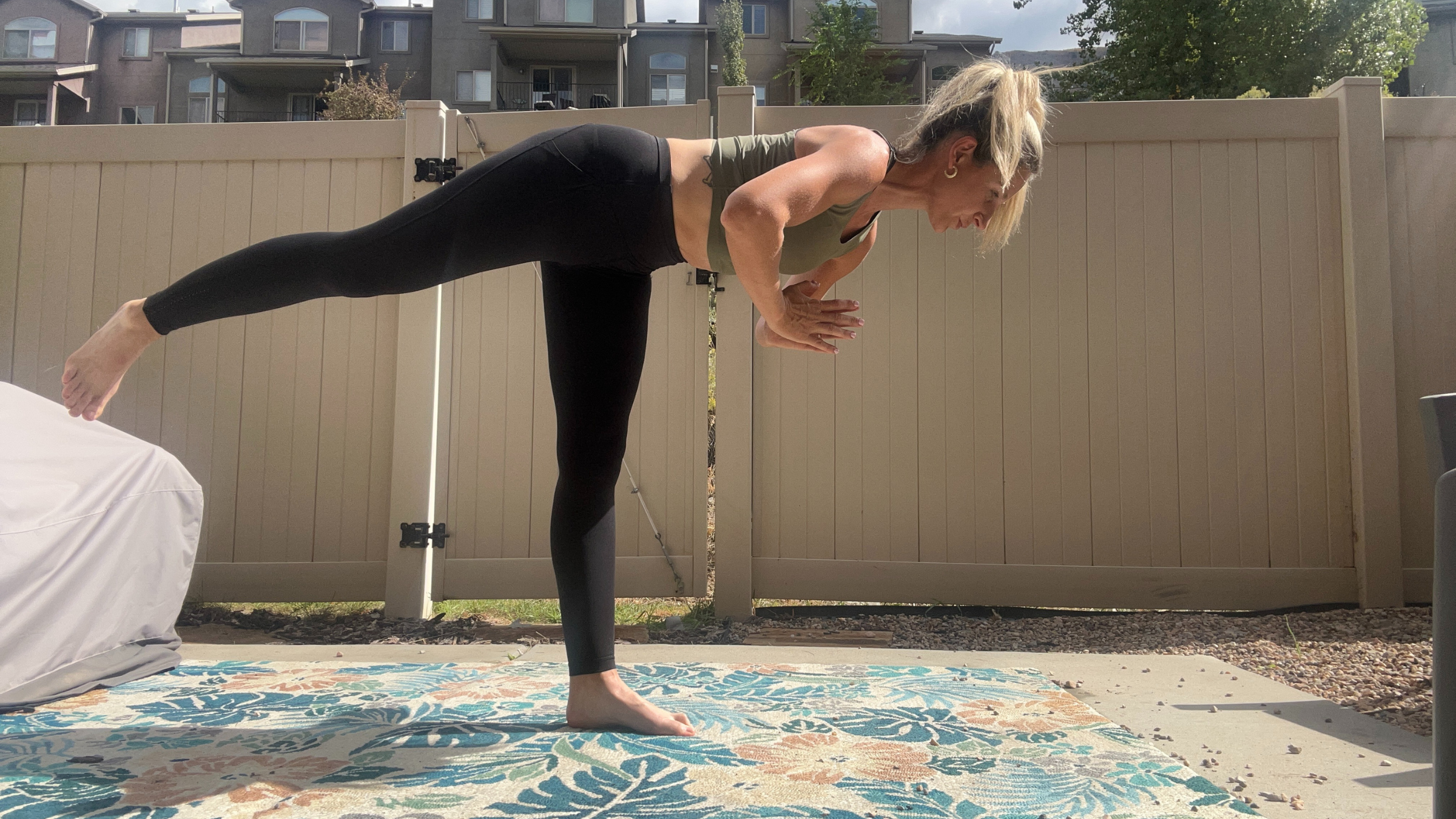
The single-leg Romanian deadlift serves as a primary hip hinge that challenges the hamstrings and glutes while simultaneously building vital ankle stability and intrinsic foot strength. Because running is fundamentally a single-leg sport that requires continuous unilateral balance, single-leg hinging mechanics are exceptionally valuable for endurance athletes, particularly when performed barefoot to maximize proprioceptive feedback.
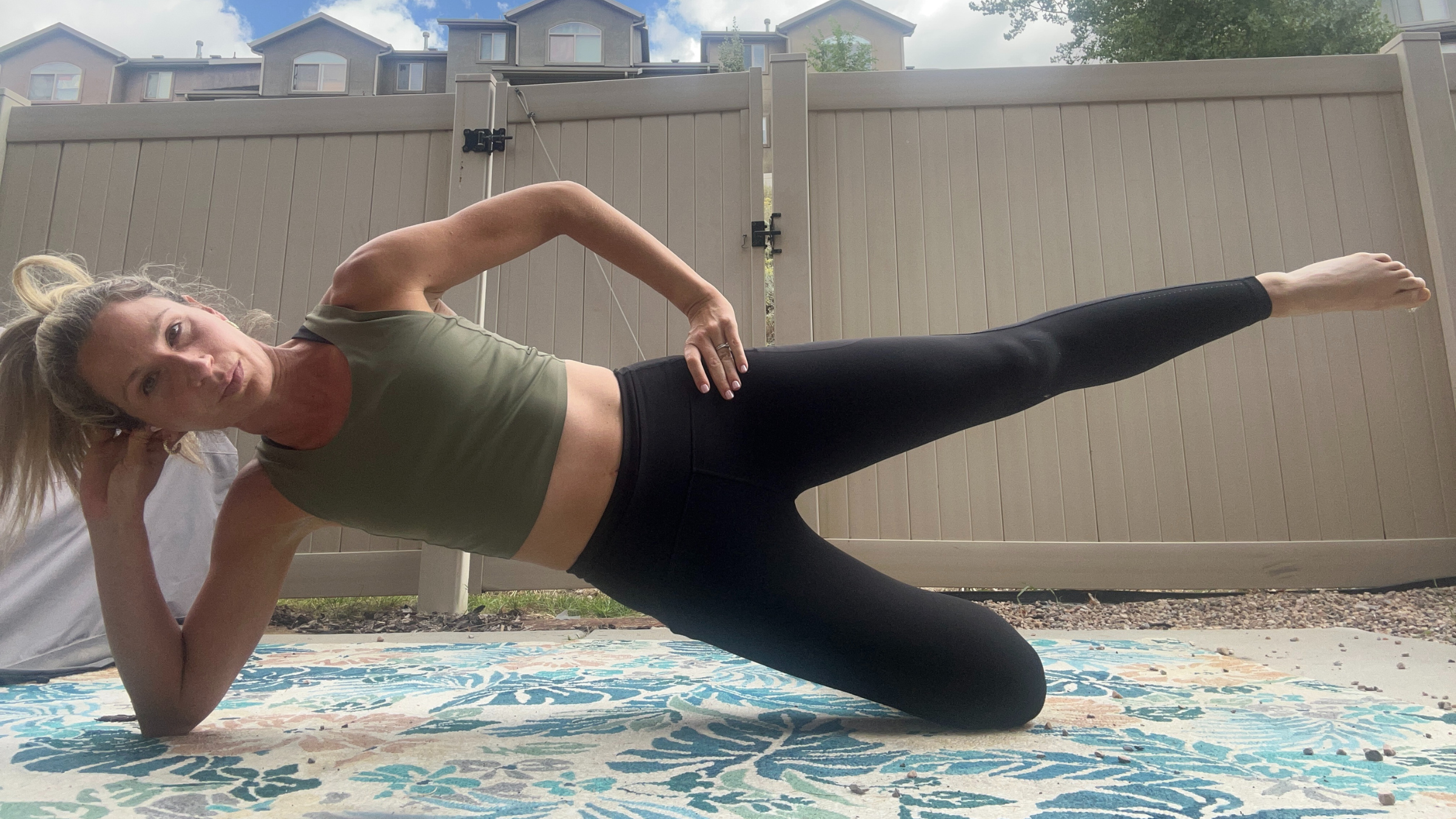
Complementing the hip hinge, side-lying leg lifts address lateral hip strength, which is crucial for maintaining pelvic stability, optimizing running economy, and warding off common ailments such as patellofemoral pain syndrome and iliotibial band friction syndrome. Because running is an overwhelmingly sagittal-plane activity characterized by forward-and-backward motion, targeted lateral work is essential for restoring muscular equilibrium.
Finally, heel raises performed off the edge of an elevated step target the lower leg musculature, which absorbs immense forces—often ranging from four to eight times an athlete’s body weight—with every single stride. Strengthening the calf complex while simultaneously enhancing ankle dorsiflexion mobility helps bulletproof the lower extremities against the chronic overuse injuries that frequently sideline runners during peak training blocks.