

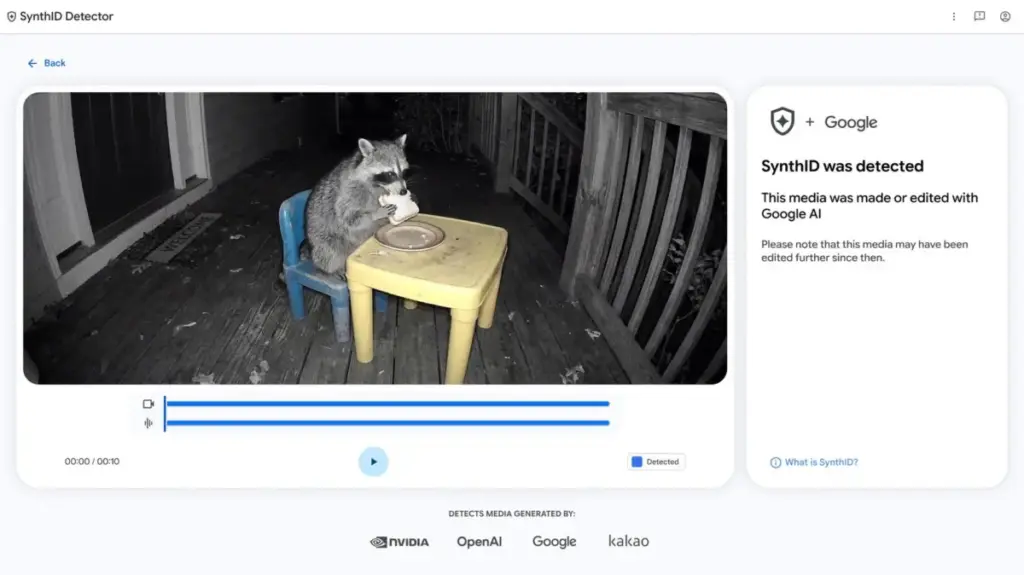
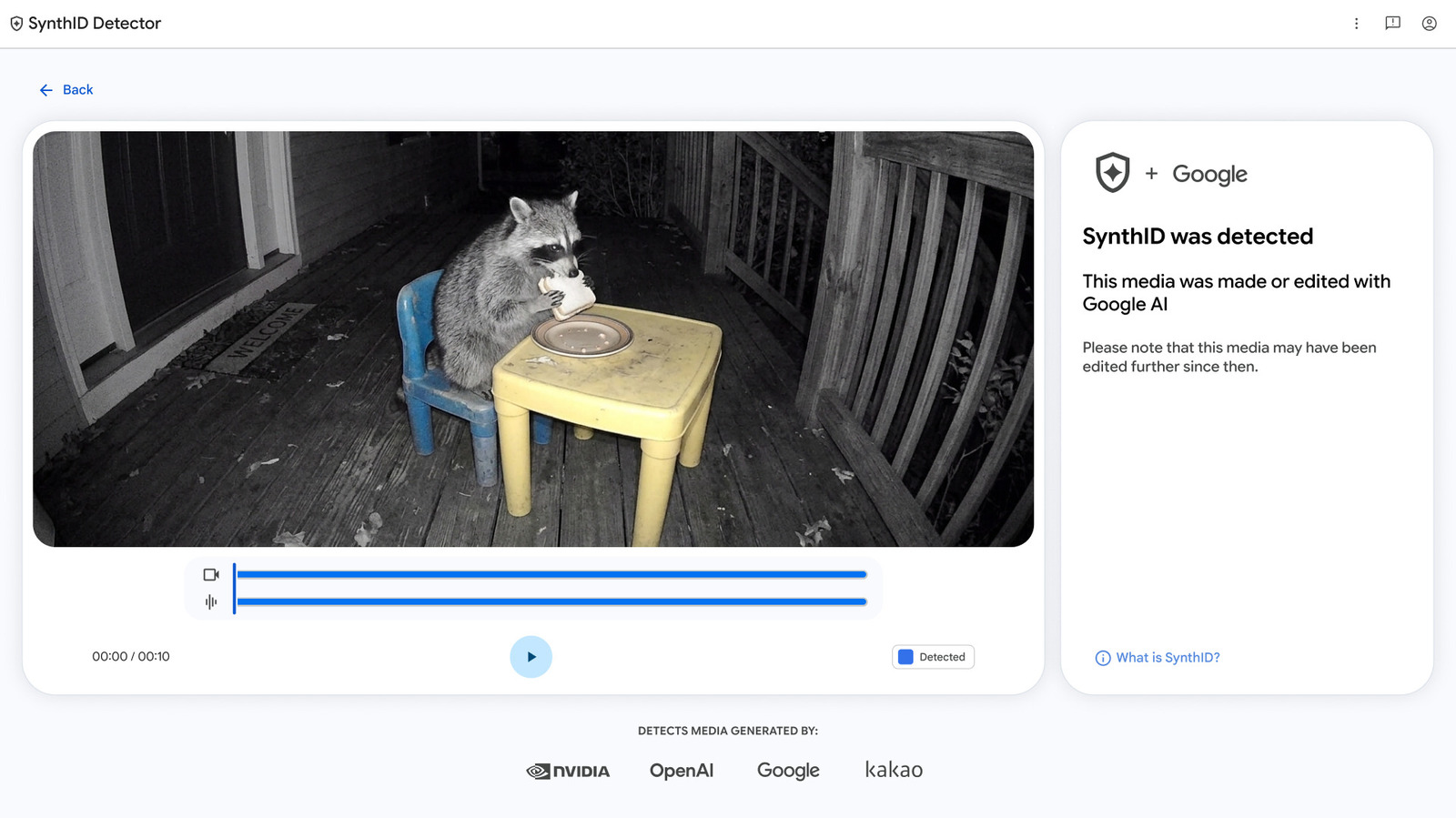
The newly accessible web tool is capable of flagging content generated not only by Google’s proprietary systems but also by AI tools from prominent industry players such as OpenAI, NVIDIA, and Kakao. Furthermore, Google has announced that support for images created and edited using Apple Intelligence features—such as Image Playground—is coming soon, positioning the SynthID Detector as one of the first multi-platform verification hubs capable of handling Apple’s emerging suite of AI tools. Although using the website is completely free, it does require users to log in with an existing Google, OpenAI, or Apple account before they can begin scanning media files.
Google’s broader strategy for combating misinformation and identifying synthetic media extends well beyond the new website. The company has already integrated SynthID detection capabilities into several of its existing products and features, including the Gemini app and the popular "Circle to Search" functionality on mobile devices, alongside support for C2PA content credentials. However, the launch of a dedicated, standalone website makes these verification capabilities significantly more accessible, especially for everyday internet users who may not regularly rely on Google’s specialized AI ecosystem. By centralizing the detection process on a simple web page, Google aims to lower the barrier to entry for media verification.
Despite its robust technological foundation, the SynthID Detector comes with inherent limitations that reflect the current state of artificial intelligence watermarking across the tech industry. Because many different companies rely on disparate standards and proprietary protocols for watermarking, SynthID Detector cannot catch every single instance of AI-generated content floating around the internet. Furthermore, malicious actors can sometimes strip watermarks away entirely through intentional editing or compression. Another notable limitation of Google’s current web implementation is its inability to distinguish between content that was entirely generated by artificial intelligence from scratch versus content that was merely enhanced, retouched, or edited using AI tools. As a result, the tool will not provide granular details regarding the precise creation process or pinpoint which specific elements of a media file are synthetic.
The broader landscape of artificial intelligence verification remains complex and fragmented, meaning that verifying the authenticity of digital media is still far from foolproof. Because different technology companies utilize a patchwork of incompatible standards, a universal, all-encompassing AI checker does not yet exist. Major technology firms continue to develop proprietary solutions in silos. Meta, for example, has been actively experimenting with its own standalone web tool designed to identify images and videos created or edited using its latest Muse Image models, yet that system remains incapable of recognizing synthetic media generated by rival companies or even Meta’s own older generation models.
Nevertheless, Google appears committed to expanding the reach and adoption of SynthID through strategic industry partnerships over time. The company has previously noted that audio pioneer ElevenLabs has committed to integrating SynthID watermarks into its voice-generation technology. On the official SynthID website, Google explicitly emphasizes that it is continuously working on extending its network of partnerships to allow for the detection of an even broader array of generated media from across the technology sector. As the ecosystem evolves, these collaborative efforts may eventually help bridge the gaps left by a currently fragmented digital verification market.