There is a distinct kind of nostalgia tied to unwrapping a cellophane-wrapped American snack cake. Whether discovered tucked into a school lunchbox on a busy weekday morning or grabbed hurriedly from a gas station or convenience store shelf during a cross-country road trip, these super-sweet, mass-produced treats have secured a permanent place in the culinary landscape of the United States. While pastry chefs and home bakers alike continue to champion artisanal creations, the packaged snack cake industry has long thrived by offering a reliable, shelf-stable, and intensely sugary escape.
For generations, brands like Hostess, Little Debbie, and Tastykake have dominated this market, churning out iconic lineups that elicit strong reactions. Mentioning these treats often triggers an immediate wave of childhood memories—sometimes accompanied by a watering mouth, and other times by a sudden realization of why one eventually stopped eating them as an adult. Examining the history and evolution of these enduring pantry staples reveals how a handful of commercial bakeries managed to shape the American palate for over a century.
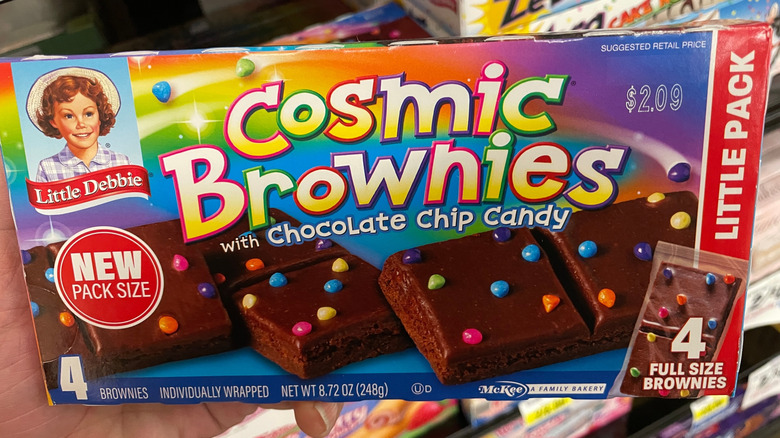
Little Debbie Cosmic Brownies
Few commercial treats spark as much instant recognition as Little Debbie Cosmic Brownies. Since entering the market in 1999, they have carved out a unique space in the packaged dessert scene. To appreciate them properly, consumers must view them as an entirely different entity from traditional homemade brownies. While a fresh, scratch-made brownie typically boasts a gooey, fudgy interior with a delicate, crisp crust on the outside, Cosmic Brownies invert that texture entirely. The base is a relatively dry chocolate cake, while the top is smothered in a thick, moist, and intensely rich layer of chocolate frosting.
What truly sets the Cosmic Brownie apart is not the chocolate cake itself, but the constellation of brightly colored candy-coated chocolate pieces embedded across the top. Though these tiny candies do not feature a particularly complex flavor profile on their own, their vivid hues and distinct crunch provide the textural variety that defines the snack. They may not replace a gourmet bakery brownie, but they remain a celebrated fixture of modern snack cake history.
Hostess Twinkies
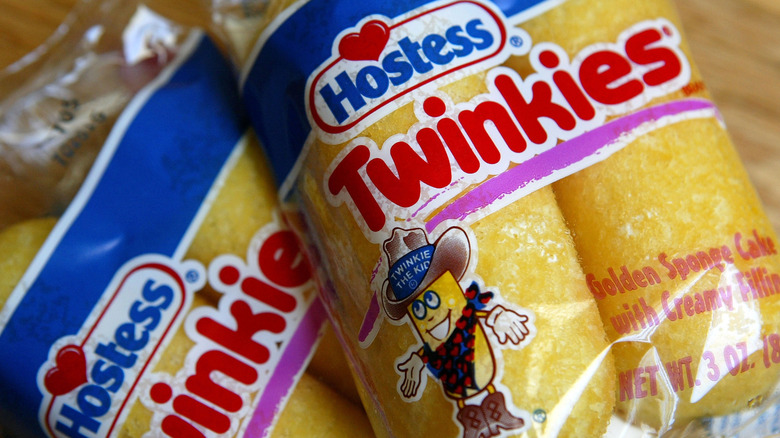
As arguably one of the most recognizable and beloved American snack cakes in history, Hostess Twinkies boast a lineage stretching back to 1930. The formula is remarkably straightforward: a golden yellow sponge cake injected with a light, airy crème filling. This foundational pairing of dense cake and fluffy interior created an enduring template that influenced an entire industry.
However, the Twinkies of today are not entirely identical to those enjoyed by past generations. In 2013, Hostess altered its long-standing recipe in an effort to extend the product’s shelf life, a change that sparked widespread debate among longtime fans who noticed a distinct shift in flavor and texture. Despite these modern adjustments, the cultural footprint of the Twinkie remains profound, inspiring novelty variations such as the deep-fried Twinkie found at state fairs across the country.
Hostess CupCakes
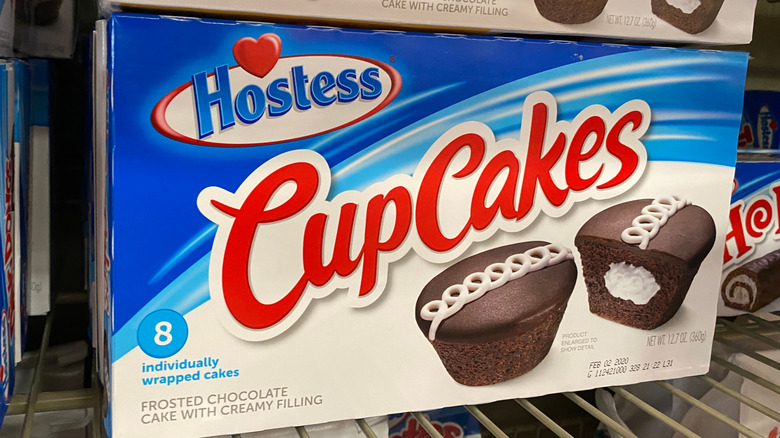
Long before the modern gourmet cupcake craze swept the nation, Hostess was mass-producing its own chocolate-and-crème iteration. Introduced in 1919 by Continental Baking—the precursor to Hostess—the original version looked quite different from the treat recognized today. The early cupcakes lacked both the crème filling and the signature white icing squiggle that eventually became a universal symbol of the brand.
That delicate white loop on top contributes very little to the overall flavor, yet it instantly identifies the product and elevates its visual appeal. Beneath that decoration lies a combination of rich chocolate cake and fluffy white crème that delivers an unapologetically sweet experience in every bite. By making the concept of a decorated cupcake portable and accessible anywhere, Hostess secured enduring mass appeal that has lasted for more than a century.
Tastykake Butterscotch Krimpet
While the American snack cake aisle is heavily saturated with chocolate and vanilla profiles, alternative flavor directions have carved out fiercely loyal followings. Tastykake’s Butterscotch Krimpet stands as a prime example. Distinguished by its unique rectangular shape and prominent vertical ridges along the sides, the Krimpet features a light sponge cake finished with a heavy, sticky-sweet butterscotch icing.
First introduced to store shelves in 1927, the Butterscotch Krimpet offers a distinct flavor profile that cuts through the standard chocolate-and-vanilla monotony of the snack aisle. The intense sweetness and unique butterscotch essence deliver a decadent experience that demands a beverage pairing, maintaining a dedicated regional and national following for nearly a century.
Little Debbie Oatmeal Creme Pies
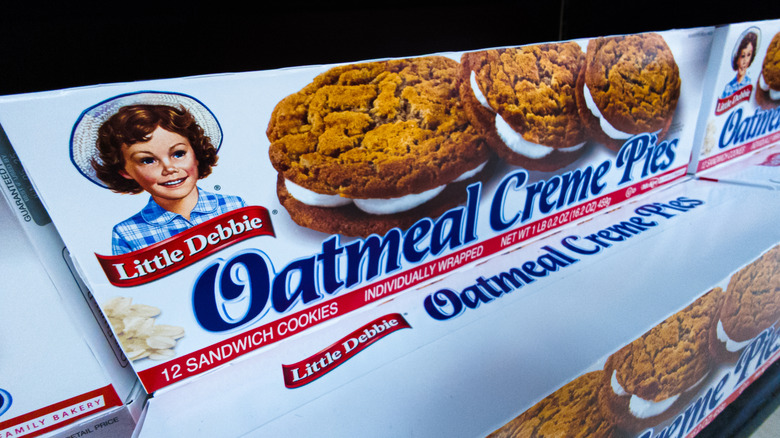
Though labeled and shaped like cookies, Little Debbie Oatmeal Creme Pies are firmly integrated into the brand’s iconic snack cake family. Each serving consists of two soft oatmeal cookies sandwiching a generous layer of white crème. Unlike the crisp, snappy texture of traditional packaged cookies, these feature a remarkably soft, pliable crumb that works in tandem with the sweet filling to create a comforting, cohesive bite.
The origins of this snack date back to 1935, when company founder O.D. McKee figured out how to soften traditional, hard oatmeal cookies into a moist, cake-like texture suitable for a packaged treat. By binding them with a rich crème center, he birthed one of the most recognizable products in the Little Debbie portfolio, offering a slightly more grounded yet undeniably sweet option for consumers.
Little Debbie Zebra Cakes
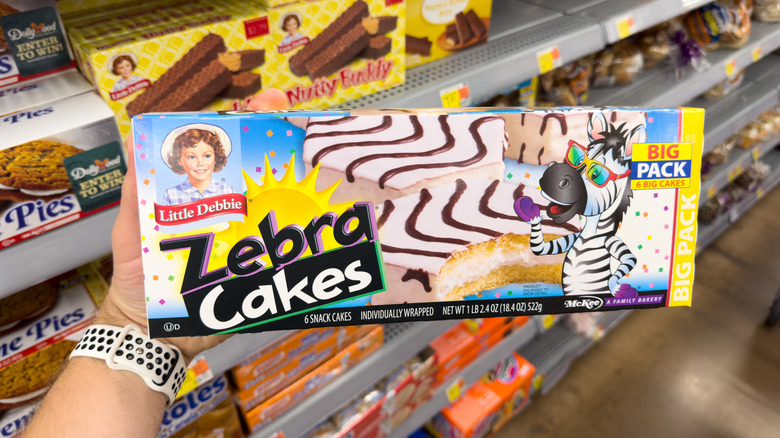
Also hailing from the Little Debbie stable, Zebra Cakes are among the most visually playful items in the snack cake canon. The structure begins with two layers of yellow cake sandwiching a middle layer of crème, all encased in a hard shell of white icing that provides a distinct textural snap. The defining characteristic, however, is the series of fudge stripes drizzled across the top, which give the cakes their signature zebra-like appearance and add a subtle depth of cocoa flavor to an otherwise mild vanilla profile.
Officially joining the Little Debbie lineup in 1991, Zebra Cakes actually existed for decades prior under a much simpler moniker: Little Debbie Vanilla Snack Cakes. The rebrand embraced the playful aesthetic that has made the treats a perennial favorite among children and nostalgic adults alike.
Little Debbie Swiss Rolls
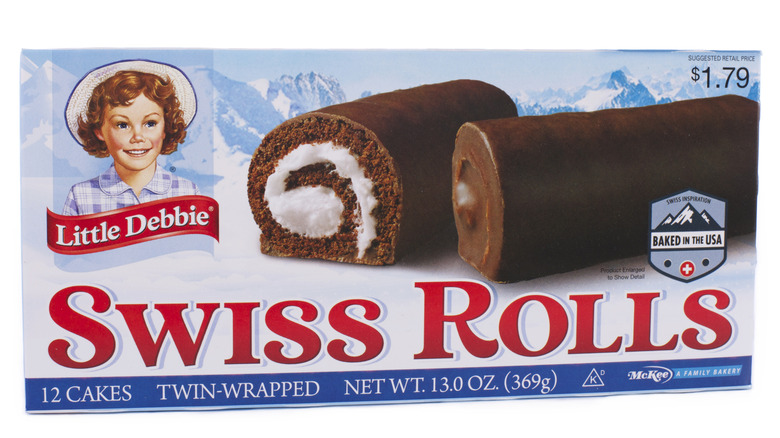
For consumers leaning toward a deeper chocolate experience, Little Debbie Swiss Rolls offer a robust alternative to the brand’s yellow-cake offerings. The treat begins with a chocolate sponge cake rolled tightly around a spiral of white crème, then entirely encased in a firm shell of fudge icing. This construction yields a striking contrast between the soft interior and the harder chocolate exterior.
Debuting in the landmark year of 1964—which saw the introduction of several major Little Debbie products—Swiss Rolls deliver a richer, more concentrated cocoa flavor profile than many of their competitors. Sold typically in pairs, they provide an indulgent experience that has sustained their popularity across generations.
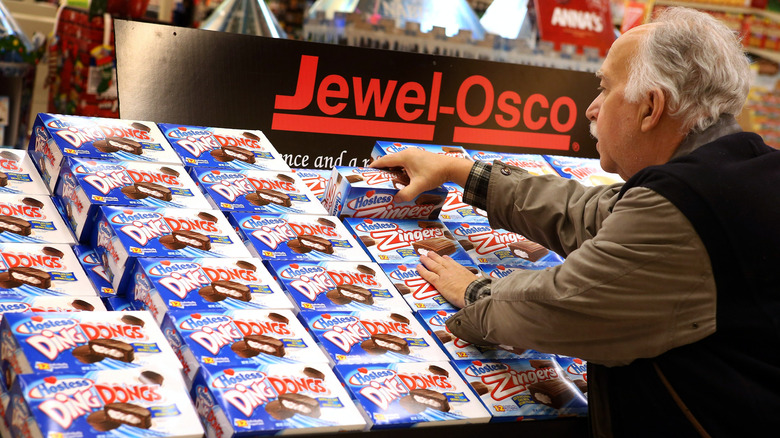
Hostess Ding Dongs
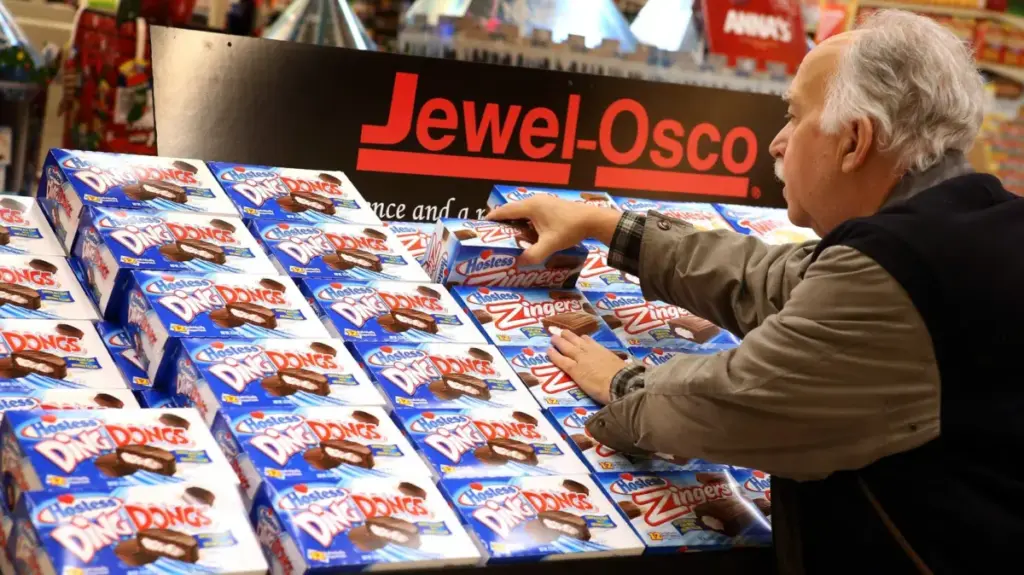
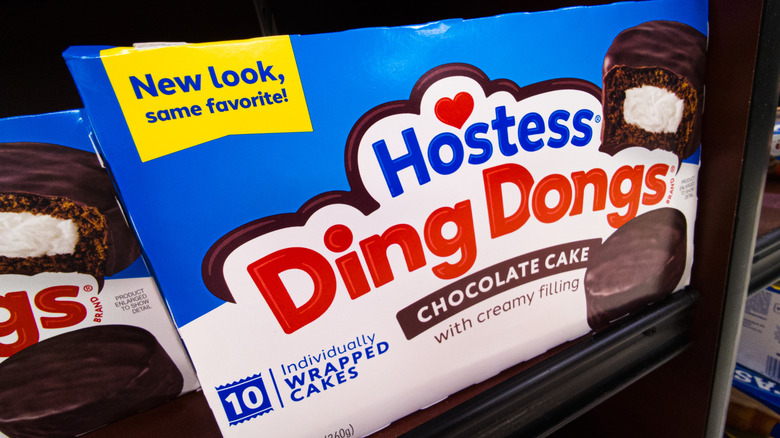
Sharing a spiritual kinship with Hostess CupCakes, Ding Dongs offer a chocolate-forward experience with a distinct silhouette. While they share a round shape, chocolate cake base, and white crème filling, Ding Dongs omit the signature white squiggle found on CupCakes. Furthermore, rather than a softer cupcake-style frosting, Ding Dongs are entirely enveloped in a firm, smooth chocolate icing.
Launched in 1967 with an introductory commercial featuring a ringing bell—the source of their distinctive name—Ding Dongs represent an exercise in simplicity. Free of elaborate decorative flourishes, they offer a direct, chocolate-centric remedy for a sudden sweet tooth.
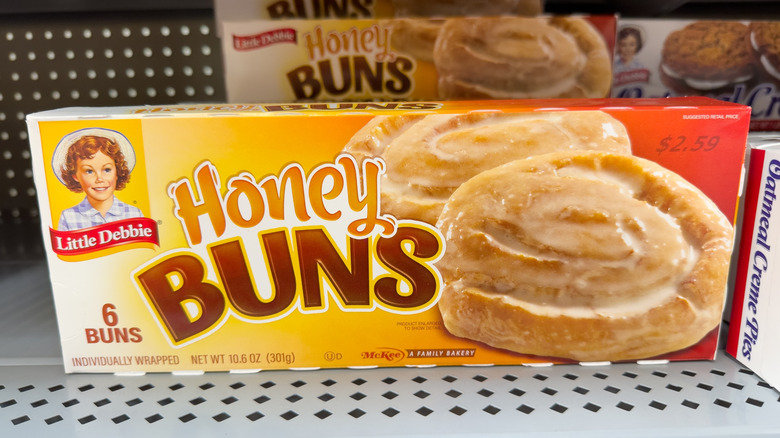
Little Debbie Honey Buns
As absolute staples of gas station counters and vending machines, Little Debbie Honey Buns hold a legendary status in the realm of convenience store sweets. Introduced in 1994, they represent a relatively young addition to the Little Debbie portfolio compared to the brand’s mid-century mainstays. Designed as a quick, portable alternative to scratch-made cinnamon buns, these pastries deliver a soft, pliable crumb infused with honey and cinnamon notes, complemented by a sticky sugar glaze on the exterior. While the texture can occasionally lean toward the artificial, pairing a Honey Bun with a bitter cup of black coffee provides the ideal counterbalance to its intense sweetness.
Tastykake Peanut Butter Kandy Kake
Peanut butter is a rarity in the traditional snack cake market, but Tastykake’s Peanut Butter Kandy Kake stands out as a notable exception. Built upon a simple vanilla cake base, the treat features a distinct layer of peanut butter filling beneath a chocolate-flavored coating. The modest amount of peanut butter is carefully proportioned to let the nutty flavor shine without overwhelming the cake structure, while the chocolate shell locks in the filling and adds complexity. Though Tastykake produces alternative variations featuring chocolate and coconut, the peanut butter Kandy Kake remains the most iconic and distinct entry in the line.
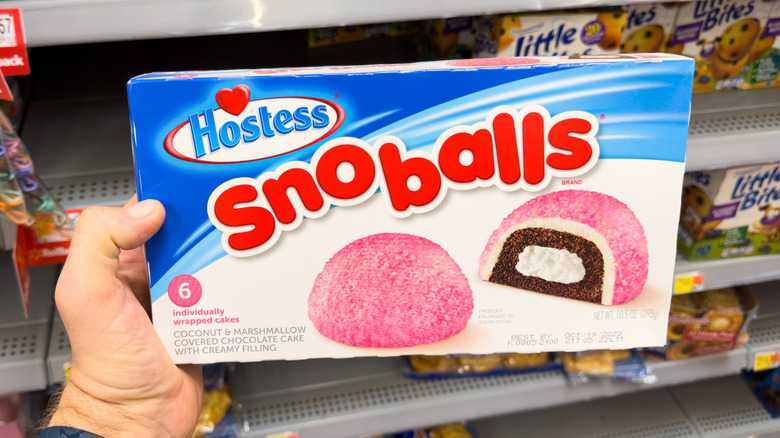
Hostess SnoBalls
First appearing on store shelves in 1950, Hostess SnoBalls stand out as one of the most visually whimsical creations in the brand’s history. Molded into distinct spherical shapes reminiscent of actual winter projectiles, the cakes feature a chocolate sponge cake base filled with standard white crème, covered in a bouncy marshmallow coating, and heavily dusted with bright pink, coconut flakes. This eccentric combination of flavors and textures sets SnoBalls apart from virtually every other packaged snack on the market.
Drake’s Coffee Cake
Branching beyond the major footprints of Hostess and Little Debbie, Drake’s has carved out a dedicated following with its signature Coffee Cake, which has been in production since 1930. Diverging from the heavily iced and glazed norm of the snack cake industry, this treat relies instead on a simple yellow cake base generously topped with a crumbly cinnamon streusel. The prominent baking spice notes provide a warm, comforting profile that pairs naturally with coffee, offering a slightly less cloying alternative to the high-sugar confections that dominate the rest of the aisle.