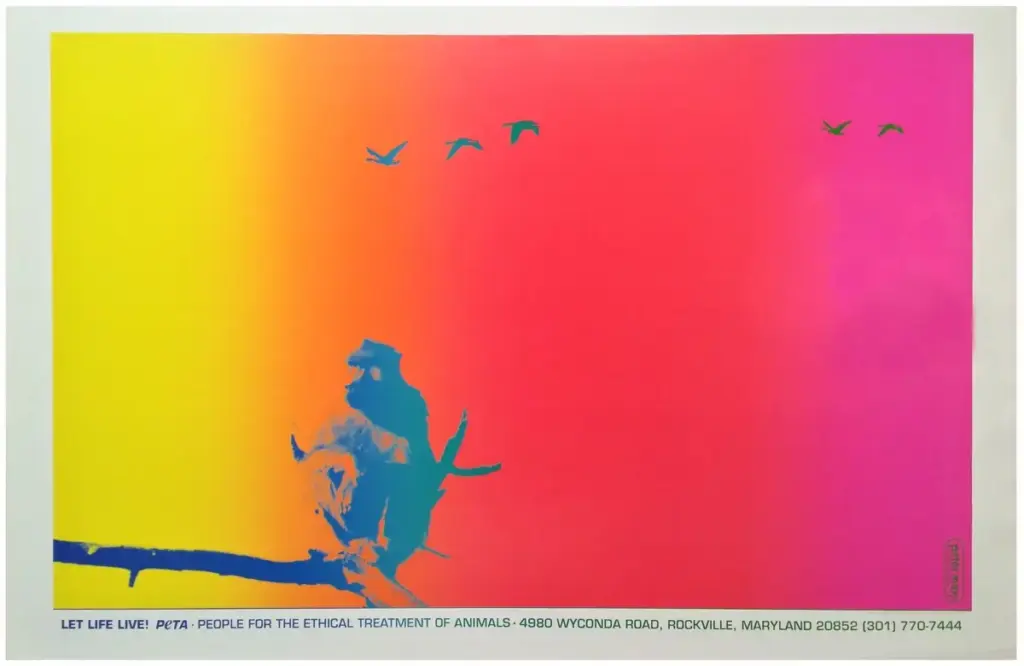
Long before his vibrant, kaleidoscopic artwork became synonymous with the pop art movement of the 1960s and defined the visual landscape of American counterculture, legendary artist Peter Max had already developed a profound, guiding ethos that would shape the rest of his life. Renowned internationally for his vivid style, distinctive flowing lines, and bold, unexpected color combinations, Max was just as passionate and steadfast about animal rights as he was about his pioneering artistic creations.
Born in Germany in 1937, Max’s early life was marked by displacement and survival. As the shadows of World War II closed in, he and his family were forced to flee Nazi persecution in 1938. Their journey eventually brought them to Shanghai, China, where they lived as refugees for the next decade. It was during this turbulent chapter of his childhood that Max experienced a profound emotional awakening that would irrevocably alter his relationship with the living world. When his family finally prepared to leave Shanghai, young Peter was forced to leave behind his closest and most cherished companion: his cat.
The separation left an indelible mark on his young psyche. Years later, Max would vividly recount the heartbreak of that parting, describing an intensity of grief that stayed with him into adulthood. He recalled crying for hours and hours, feeling entirely out of his mind with a profound, consuming sorrow. That early, agonizing experience of loss forged a deep empathetic bridge between the young artist and the emotional inner lives of animals, planting the seeds for a lifelong commitment to advocacy.
As Max grew into a young man and began navigating the vibrant cultural currents of the 1960s, his worldview continued to evolve in tandem with his artistic career. In his twenties, a pivotal meeting with Swami Satchidananda introduced him to contemplative traditions, yoga, and meditation. This spiritual exploration encouraged a deeper reverence for all living beings and led Max to adopt a vegetarian lifestyle. His dietary and ethical choices evolved further years later after crossing paths with Dr. Joel Fuhrman, the author of the bestselling health and nutrition book Eat to Live. Inspired by Dr. Fuhrman’s research and holistic philosophy, Max transitioned to a fully vegan lifestyle, aligning his daily habits completely with his deeply held compassion for animals.
For Max, this compassion recognized no boundaries of scale. No animal was ever considered too big, too insignificant, or too ordinary to merit his attention, care, and respect. In a revealing interview with Vegetarian Times magazine, the artist shared a glimpse into his daily domestic life and his uncompromising regard for the smallest creatures. He described how, upon spotting an ordinary insect crawling across the floor, he would rush to intervene before his resident cats could reach it. Rather than brushing the bug aside or ignoring it, Max would gently scoop it up, carry it outside to a nearby park, and release it carefully among green plants and a source of water so that it wouldn’t have to travel far.
Describing the profound emotional resonance of these ordinary, quiet acts, Max explained that the feeling of doing so was nothing short of overwhelming. He marveled at the stark contrast between the minuscule size of the bug and the enormous emotional reward it brought him, cementing a worldview where every single life possessed inherent value and dignity.
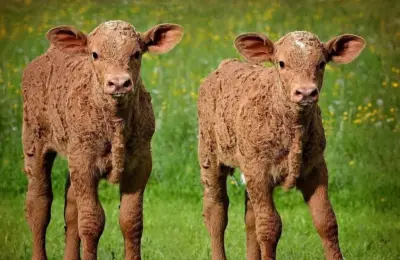
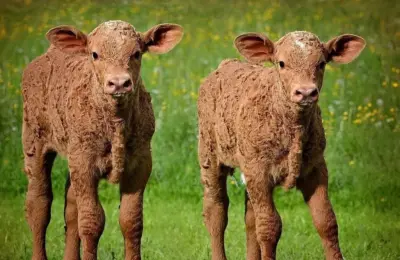
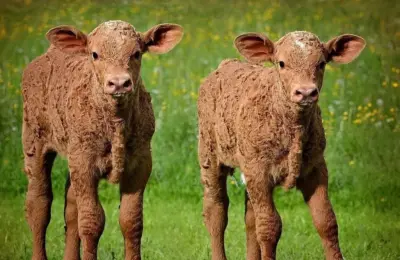
This philosophy was not merely a matter of personal contemplation or quiet domestic kindness; it frequently translated into high-stakes, public advocacy. A striking example unfolded in 2002, when Max used his considerable cultural fame and personal influence to intervene in a dramatic real-world crisis involving a runaway cow. The animal, later christened Cincinnati Freedom, had made national headlines after executing a remarkable six-foot leap over a fence at an Ohio slaughterhouse. Refusing to submit to her fate, the cow managed to elude local police and facility workers for eleven harrowing days before she was finally captured.
As public attention fixed on the animal’s plight, Max stepped forward with a compelling rescue plea. Demonstrating his lifelong commitment through direct action, the artist offered to donate an original piece of his valuable artwork directly to the authorities and facility operators in exchange for the cow’s complete release. His generous offer struck a chord and successfully spared the animal’s life. Thanks to Max’s intervention, Cincinnati Freedom was granted a permanent reprieve, living out the remainder of her natural days in peace, safety, and comfort at a specialized farmed animal sanctuary.
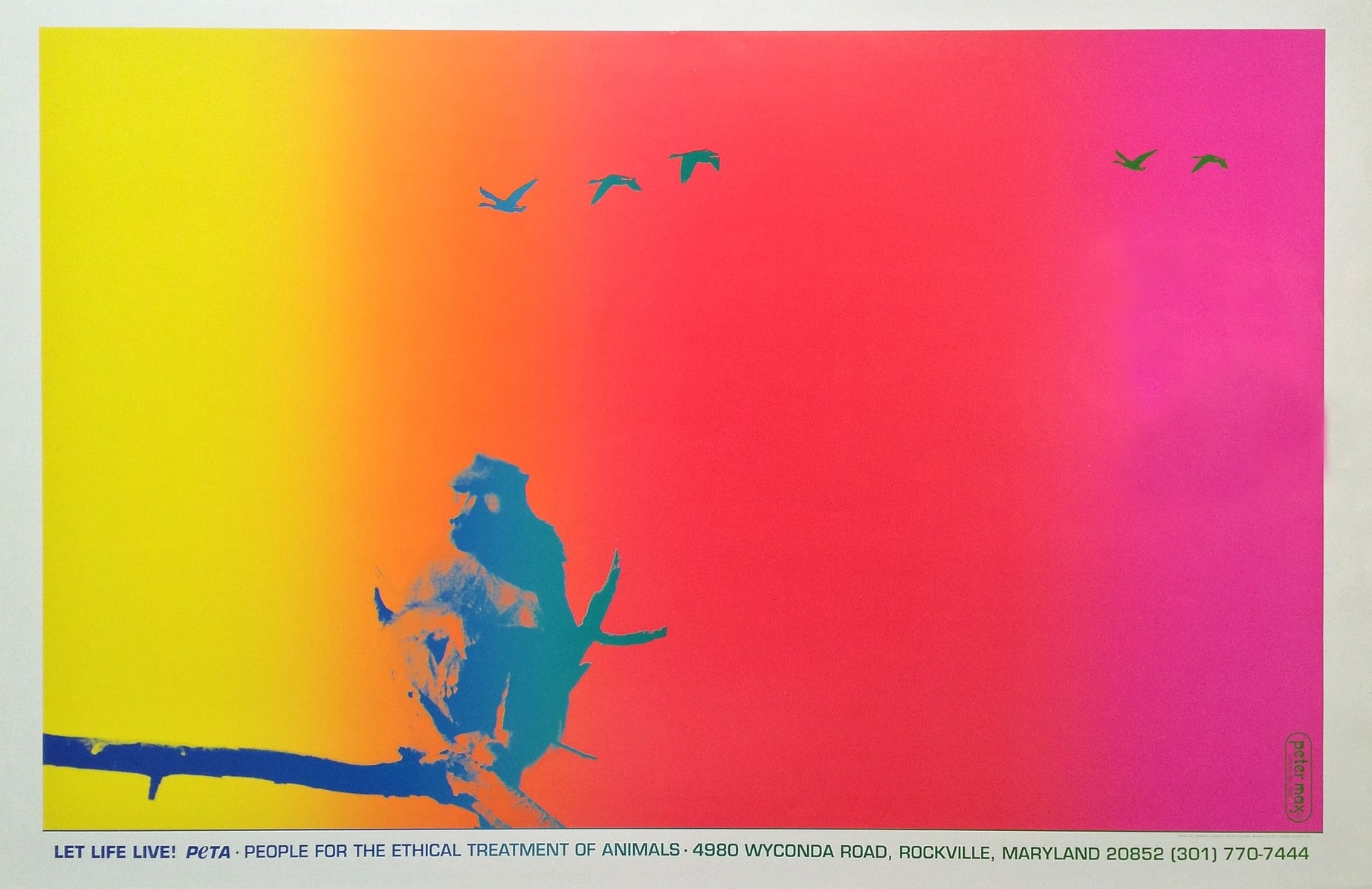
The 2002 rescue was far from an isolated instance of Max leveraging his artistic talents for the protection of animals. Fourteen years earlier, in 1988, he applied his distinctive creative vision to support the organizational efforts of People for the Ethical Treatment of Animals (PETA). Max created a special, custom poster for PETA’s Second Humanitarian Awards Gala, with all proceeds from the project dedicated to benefiting the organization’s ongoing advocacy work. In recognition of his enduring dedication, creative contributions, and steadfast commitment to the cause of animal rights, PETA honored Max with a prestigious humanitarian award during the gala event.
Throughout his long and storied career, whenever interviewers or journalists pressed him to name the single cause that remained closest to his heart, Max never hesitated. His response was immediate, unequivocal, and rooted in an expansive vision of universal empathy. Declaring himself completely and unreservedly dedicated to animal rights, the legendary artist articulated a simple yet profound hope for the future of humanity. He expressed his deep desire that animals might one day be spared the immense suffering inflicted upon them by human hands, voicing an abiding faith that, in due time, human beings would learn to truly respect and honor all other living creatures on the planet.