



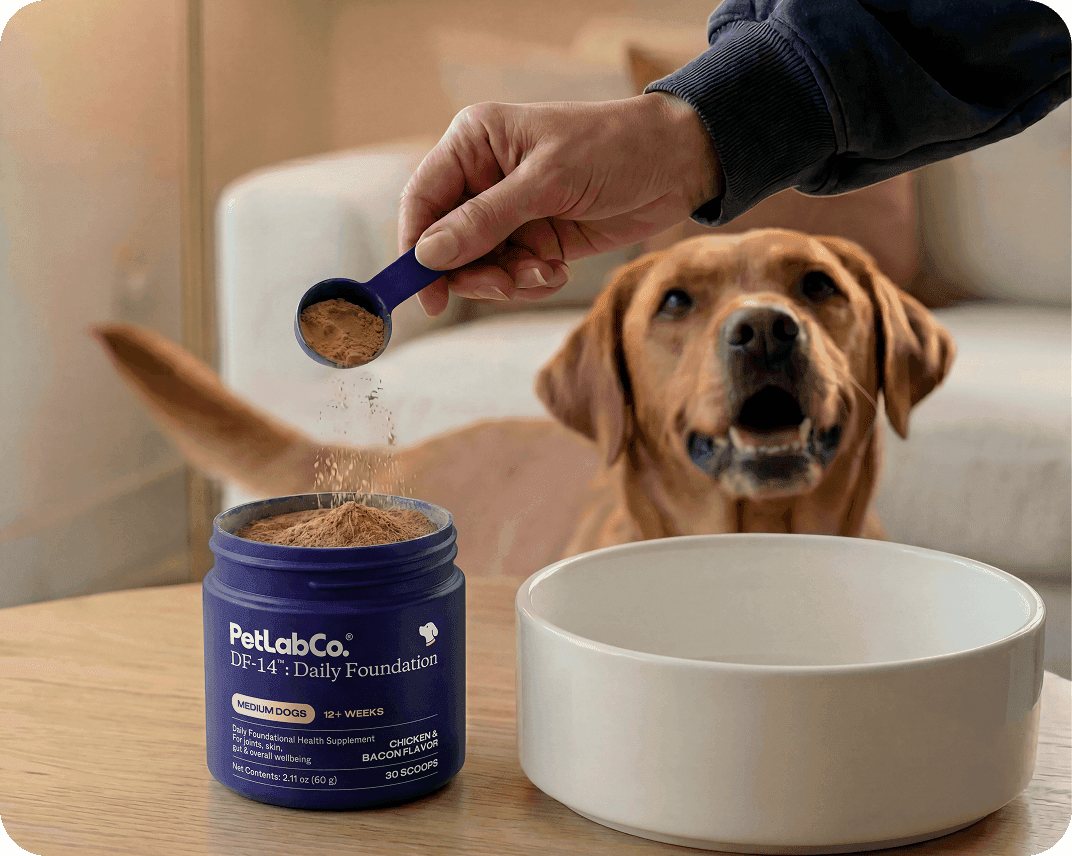
A probiotic powder can fit naturally into a dog’s daily mealtime routine. For many pet owners, the process is simple: measure the designated serving, mix it thoroughly into the dog’s food, and ensure the supplemented portion is fully consumed. While this simplicity makes powders an appealing choice, these supplements differ significantly in their formulations, active ingredients, and intended purposes. Some powders focus strictly on digestive and gut support, while others integrate probiotics into a broader, multifunctional daily supplement designed to support overall health.
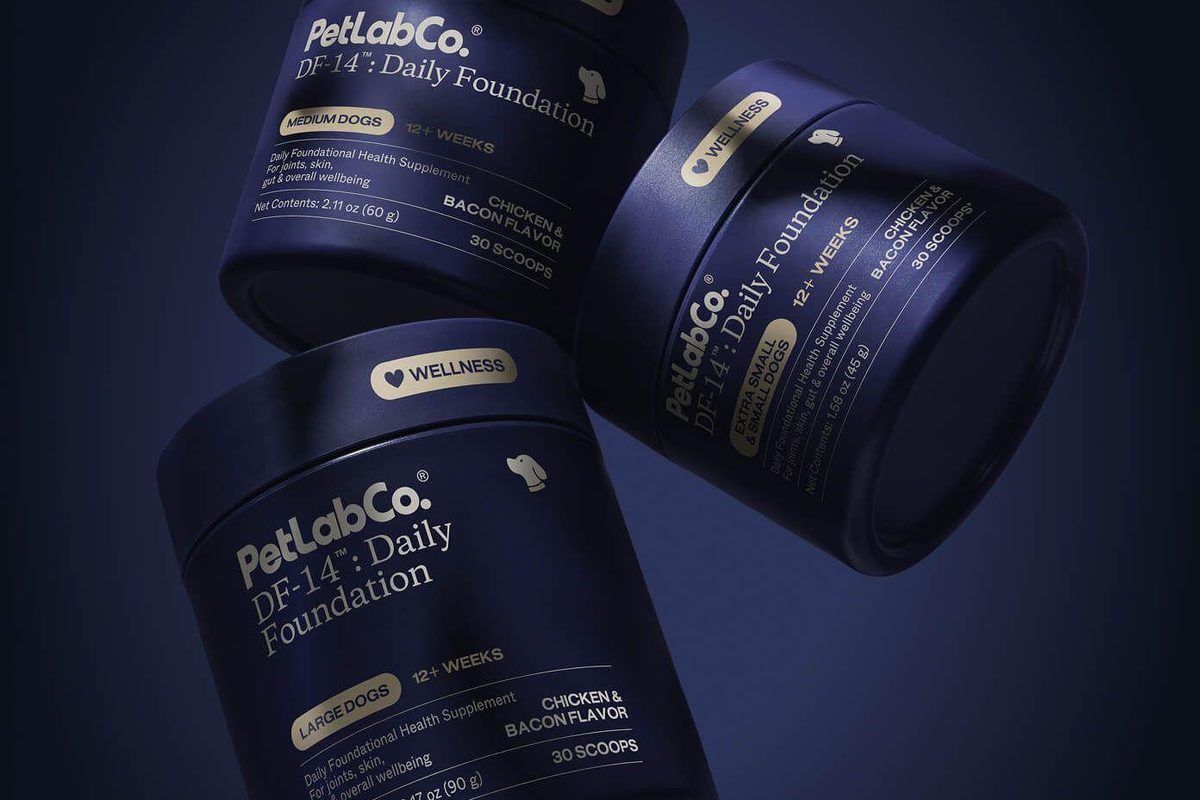
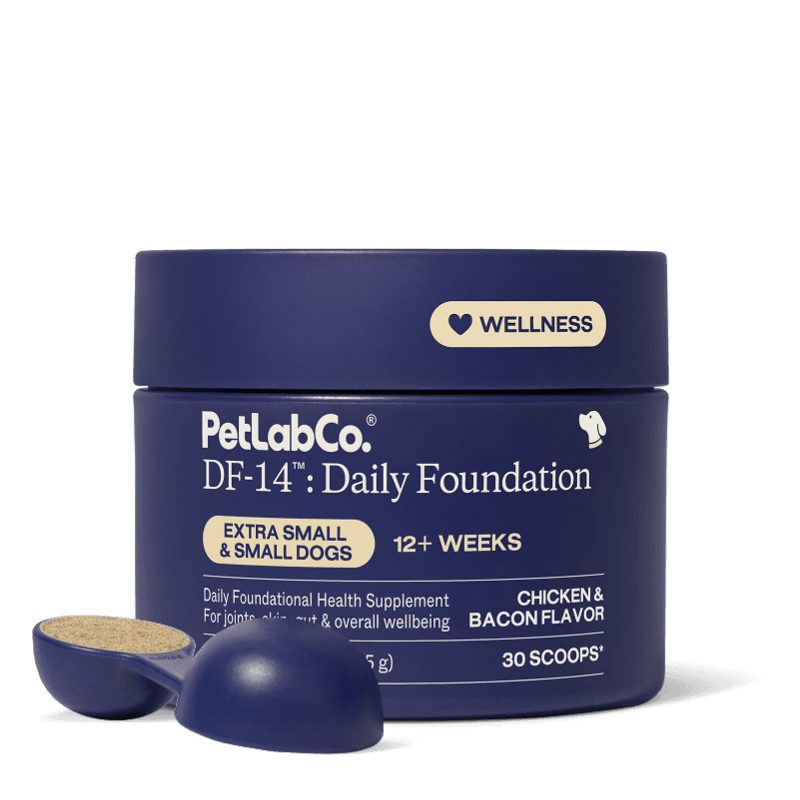
Our featured option, PetLabCo.® DF-14 Daily Foundation, represents the latter group. As a multifunctional daily powder, it combines a select probiotic blend with a wide array of active ingredients aimed at whole-body wellness. Understanding how to compare different powder formulas, knowing when a powder is preferable to a soft chew, and identifying what to evaluate before adding a supplement to a dog’s bowl are essential steps for any pet owner looking to support their dog’s health.
Understanding the Landscape of Canine Probiotic Powders
When evaluating probiotic powders, veterinary professionals categorize them based on their primary therapeutic goals. Some formulas are designed to address the gastrointestinal tract exclusively, while others use probiotics as one component of a comprehensive daily regimen. To help owners make informed decisions, we have analyzed four prominent probiotic powders frequently recommended by veterinarians or highly searched by pet owners.
These products have been evaluated based on their labeled ingredients, colony-forming units (CFU) per serving, weight-specific dosing clarity, age limits, and overall functional design.
1. PetLabCo.® DF-14 Daily Foundation
DF-14 Daily Foundation is a multifunctional daily powder rather than an isolated gut-health formula. It is formulated to provide support across 14 distinct areas of canine health. Its probiotic component consists of a three-organism blend: Bacillus subtilis, Bifidobacterium animalis subsp. lactis, and Saccharomyces boulardii. Depending on the specific tub size and scoop used, the formula delivers between 14.5 million and 100 million CFU per serving.
Surrounding this probiotic blend are 11 other active ingredients chosen for broader physiological support. These include krill, glucosamine, chondroitin, taurine, L-carnitine, astragalus, sodium hexametaphosphate, a postbiotic yeast blend, fructooligosaccharides (FOS), cranberry, lactoferrin, and vitamins C and E paired with beta-carotene. This diverse profile makes it a primary choice for dog owners who want to combine joint, heart, skin, dental, and immune support with daily probiotic administration in a single, measured scoop.
The product’s serving system is highly structured. Small, Medium, and Large tubs each contain a scoop calibrated to specific weight bands. The Small tub includes a miniature scoop designed for toy breeds under 4 pounds, allowing for precise scaling that is often difficult to achieve with one-size-fits-all sachets. Designed for dogs 12 weeks of age and older, this chicken-and-bacon-flavored powder is intended for daily mixing with wet food or moistened kibble.
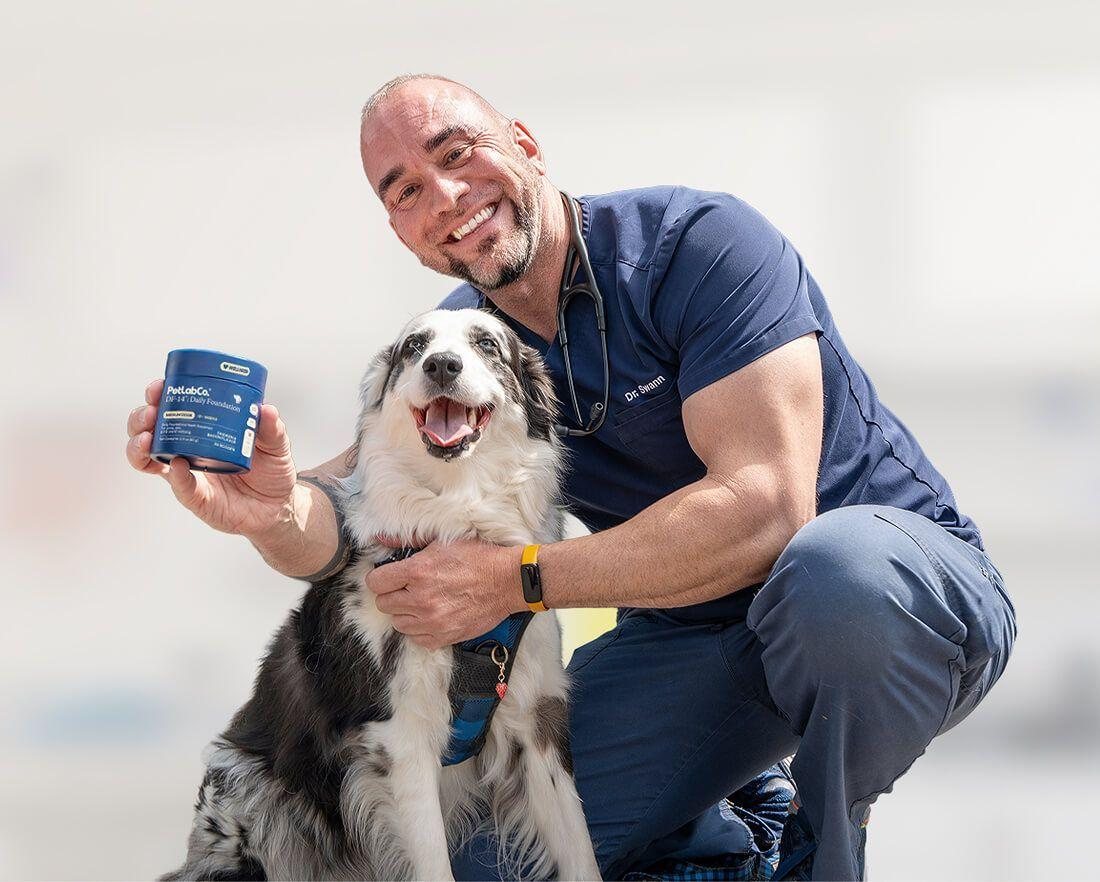
Because it contains multiple animal-derived ingredients and active joint and cardiovascular compounds, owners should consult their veterinarian before introducing DF-14, particularly if the dog is already taking a multivitamin or a dedicated joint supplement.
2. Purina Pro Plan Veterinary Supplements FortiFlora Canine
Purina Pro Plan Veterinary Supplements FortiFlora Canine is widely recognized as a primary recommendation among veterinary clinicians. Unlike multifunctional powders, FortiFlora is a highly targeted, gut-focused probiotic. Each single-gram sachet delivers 100 million CFU of a single, rigorously studied bacterial strain: Enterococcus faecium SF68.
The inactive ingredients are kept minimal, utilizing liver flavor and yeast to enhance palatability, along with added antioxidants to support immune function. Purina labels this product as appropriate for both puppies and adult dogs, directing owners to administer one packet daily or as specifically advised by a veterinarian.
FortiFlora is highly effective when a clinician recommends a targeted, single-strain probiotic to address acute gastrointestinal disruptions or support immune health. However, its targeted design means it does not provide joint, cardiovascular, or dental actives, meaning owners seeking comprehensive wellness support would need to administer additional, separate supplements.
3. Native Pet Probiotic
Native Pet Probiotic is a robust, multi-strain gut-and-immune supplement designed for owners seeking a high-CFU, gut-only powder. It features four live organisms: Bacillus coagulans, Enterococcus faecium, Bifidobacterium animalis, and Bifidobacterium bifidum, delivering a high concentration of 6 billion CFU per scoop.
To support these live beneficial bacteria, the formula includes prebiotic fibers: organic inulin derived from Jerusalem artichoke and organic pumpkin seed. These ingredients are delivered in a savory, dehydrated beef-broth base. Native Pet approves this formula for dogs over 3 months of age, with a weight-based dosing structure of one 4-gram scoop (roughly half a tablespoon) per 50 pounds of body weight daily.
While the high CFU count and diverse strains are appealing, pet owners should note that a higher microorganism count does not automatically guarantee superior efficacy for every dog. Additionally, because the powder relies on a beef-broth base, it may not be suitable for dogs on restricted-protein diets or those undergoing food trials for suspected beef allergies. Like FortiFlora, its benefits are confined strictly to the digestive tract and immune system.
4. Zesty Paws Probiotic Powder for Dogs
Zesty Paws Probiotic Powder offers a convenient, single-serve sachet format featuring a palatable pumpkin flavor. The formula is built around Bacillus subtilis DE111 and Saccharomyces boulardii, providing 800 million CFU per serving. The active blend is supported by inulin, flaxseed, and pumpkin powder.
Zesty Paws markets this product for adult and senior dogs of all sizes to help maintain digestive health and immune function. It represents a practical option for dog owners who prefer the consistency of pre-measured, individual packets over loose powder and scoops.
However, the product label provides fewer specific details compared to its competitors. The product documentation does not specify a minimum age requirement, a precise weight-based serving guide, or the weight of the sachet contents in grams. Consequently, owners must administer one full sachet regardless of whether their dog weighs 10 pounds or 80 pounds, making it less ideal for those seeking highly calibrated, weight-specific dosing.
How to Compare Probiotic Powders for Dogs
Selecting the right probiotic powder requires looking past marketing claims and focusing on the specific physiological needs of the dog. A veterinarian may recommend a highly targeted, clinically studied gut formula for temporary digestive upsets, whereas an owner may seek a multi-ingredient powder for long-term, daily wellness maintenance.
Defining the Purpose and Ingredients
A proper comparison begins by identifying whether a formula is gut-focused or multifunctional. Owners should carefully review the active organisms listed on the label. Different bacterial and yeast strains perform different roles, and clinical research is typically strain-specific. An owner should not assume that a study demonstrating the benefits of a specific bacterial strain applies to all products containing that general species.
CFU, or colony-forming units, represents the number of viable, active microorganisms in each serving. While a high CFU count can be beneficial, it is not a direct metric of product quality or suitability. A targeted, lower-CFU veterinary formula may be more appropriate for a sensitive dog than a high-CFU commercial blend, depending on the clinical goal.
Assessing Practical Usability and Dietary Fit
Beyond the microorganisms, the overall ingredient list requires close scrutiny. Many powders include flavorings and protein bases—such as chicken liver, beef broth, krill, or shellfish-derived glucosamine—to make them appetizing. For dogs with food sensitivities, inflammatory bowel disease, or those on strict elimination diets, these inactive and active ingredients can trigger adverse reactions.
Additionally, owners must evaluate the daily serving protocol. Comparing the overall volume of a supplement tub can be misleading. Instead, owners should calculate value and longevity based on the weight-specific daily serving size. A large tub may deplete rapidly if a heavy dog requires multiple large scoops daily, whereas a small tub of a highly concentrated formula may last significantly longer.
A Deep Dive into PetLabCo.® DF-14 Daily Foundation
As a multifunctional supplement, PetLabCo.® DF-14 Daily Foundation is designed to streamline a dog’s wellness routine by combining probiotics with targeted joint, cardiovascular, and immune-supporting nutrients.
The Symbiotic Blend and Active Nutrients
The probiotic component of DF-14 includes Bacillus subtilis, Bifidobacterium animalis subsp. lactis, and the beneficial yeast Saccharomyces boulardii. To support these organisms, the powder incorporates fructooligosaccharides (FOS), a prebiotic fiber that serves as a food source for beneficial gut bacteria, alongside a postbiotic yeast blend. This combination of prebiotics, probiotics, and postbiotics is designed to support a balanced intestinal microbiome.
Beyond digestive health, DF-14 contains several key wellness ingredients:
- Joint Support: Glucosamine (derived from crawfish) and chondroitin (derived from bovine sources) to help maintain joint cartilage.
- Cardiovascular Health: Taurine and L-carnitine to support cardiac muscle function.
- Immune and Cellular Health: Cranberry, lactoferrin, astragalus, and antioxidant vitamins C and E, complemented by beta-carotene.
- Dental Support: Sodium hexametaphosphate, an ingredient commonly used to help reduce tartar buildup.
Calibrated Weight-Based Servings
To ensure accurate dosing, DF-14 utilizes a weight-specific system across its Small, Medium, and Large tub sizes. Rather than relying on standard household spoons, owners should use the specific scoop provided with the corresponding tub.
- Dogs Under 4 Pounds: Administer 1 little scoop from the Small tub (0.75 grams of powder), providing 14.5 million CFU.
- Dogs 4 to 24.9 Pounds: Administer 1 big scoop from the Small tub (1.5 grams of powder), providing 29 million CFU.
- Dogs 25 to 75 Pounds: Administer 1 scoop from the Medium tub (2 grams of powder), providing 66 million CFU.
- Dogs Over 75 Pounds: Administer 1 scoop from the Large tub (3 grams of powder), providing 100 million CFU.
Because the scoop sizes and concentrations are calibrated to these specific weight ranges, scoops should never be interchanged between different tub sizes, particularly in multi-dog households where pets fall into different weight brackets.
Practical Guidelines for Serving Probiotic Powders
To get the most out of a probiotic powder, pet owners should establish a consistent, structured feeding routine.
Ensuring Complete Meal Consumption
A primary challenge of using powder supplements is ensuring the dog ingests the full, measured dose. If a dog is a picky eater or grazes throughout the day, powder left at the bottom of the bowl results in an incomplete serving.
To prevent this, the powder should be thoroughly mixed into wet food, fresh food, or kibble that has been slightly moistened with water or bone broth. Moistening the food helps the powder adhere to the kibble, reducing the likelihood of the dog sorting the food or leaving the supplement behind.
Establishing a Controlled Routine
In households with multiple pets, supervised feeding is essential. If dogs share food bowls or swap meals, one dog may receive a double dose of a supplement while another receives none. This is particularly critical when using multifunctional powders like DF-14, which contain active levels of vitamins and joint compounds that should not be consumed in excess.
Furthermore, when introducing a new probiotic powder, owners should keep all other dietary variables constant. Avoid changing the dog’s primary food, introducing new treats, or starting other supplements simultaneously. If the dog experiences a change in stool consistency, appetite, or behavior, keeping a stable routine makes it much easier to identify whether the supplement was the cause.
Scientific Context and Safety Considerations
Probiotics can play a valuable role in canine health, but they must be viewed as one component of a broader, veterinarian-supervised care plan.
Examining the Clinical Evidence
The inclusion of specific organisms in a supplement list does not equate to a clinical trial of the finished product itself. For example, Saccharomyces boulardii, an active yeast in DF-14, was evaluated in a small, peer-reviewed canine study published in 2018. The researchers examined the yeast’s utility as an adjunctive treatment for dogs diagnosed with chronic enteropathy.
While the study observed positive outcomes, it was a small-scale trial utilizing a specific, isolated clinical protocol, not a study of the commercial DF-14 multi-ingredient formula. Pet owners should distinguish between research conducted on individual ingredients and clinical proof of a finished commercial product.
Age Limits, Contraindications, and Side Effects
Safety guidelines must be strictly followed when introducing supplements to young or sensitive animals. DF-14 is formulated for dogs 12 weeks of age and older; younger puppies have highly sensitive, developing digestive and immune systems and should only receive supplements under direct veterinary supervision.
Additionally, the product label for DF-14 notes that the simultaneous administration of this powder may delay the absorption of certain medications. If a dog is taking prescription drugs, owners should consult their veterinarian to determine if they need to space out the administration of the medication and the supplement. Safe use in pregnant, lactating, or breeding dogs has not been clinically proven, necessitating professional advice in these circumstances.
Finally, some dogs may experience temporary gas, mild bloating, or minor changes in stool consistency when first starting a probiotic powder. While these adjustments can occur as the gut microbiome shifts, persistent digestive upset, vomiting, diarrhea, or a decrease in appetite should prompt immediate discontinuation of the supplement and a consultation with a veterinarian. Probiotics are wellness supports and should never be used as a substitute for prompt medical care in an acutely ill animal.