

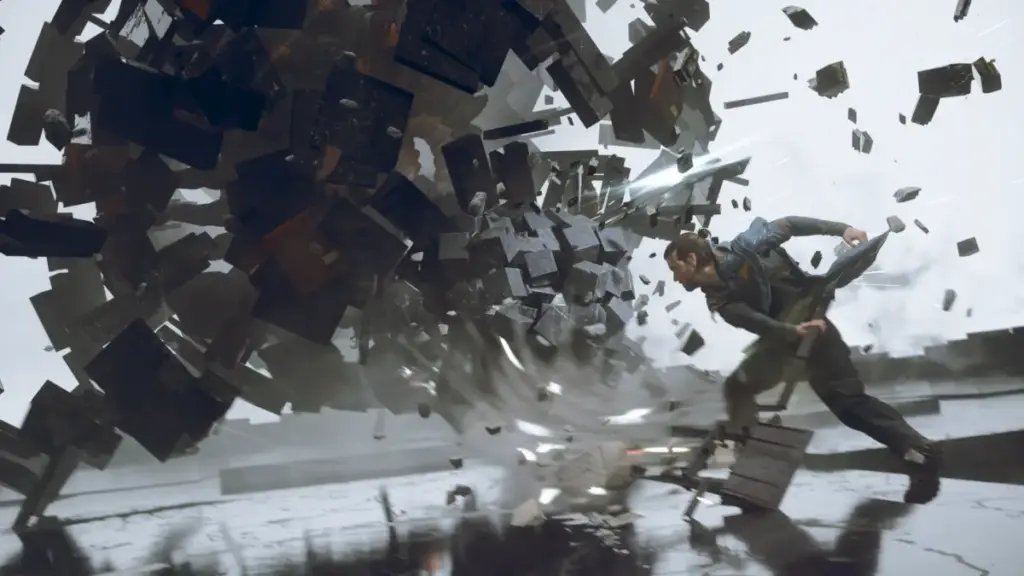
When Remedy Entertainment released the paranatural shooter Control in 2019, the game’s deeply atmospheric setting quickly carved out a permanent place in the minds of players. Its primary location, a Brutalist Manhattan office building known as The Oldest House, was famously littered with documents featuring heavy black redactions, leaving players to piece together the hidden, surreal operations of the Federal Bureau of Control. The presentation was so striking and memorable that for many fans, seeing blacked-out text anywhere in daily life immediately evokes the distinct aesthetic of the game.
It is hardly surprising, then, that Remedy chose to lean heavily into those proven strengths for its follow-up, Control Resonant. While the sequel shifts the action away from the claustrophobic confines of The Oldest House and out into the wider, Hiss-infected streets of Manhattan, protagonist Dylan Faden still encounters a massive volume of notes, documents, and audio logs left behind in the wake of an apocalyptic event. However, what should stand as a definitive selling point for Control Resonant ultimately turns into one of its minor pain points: the game simply features too much lore to sift through during normal play.
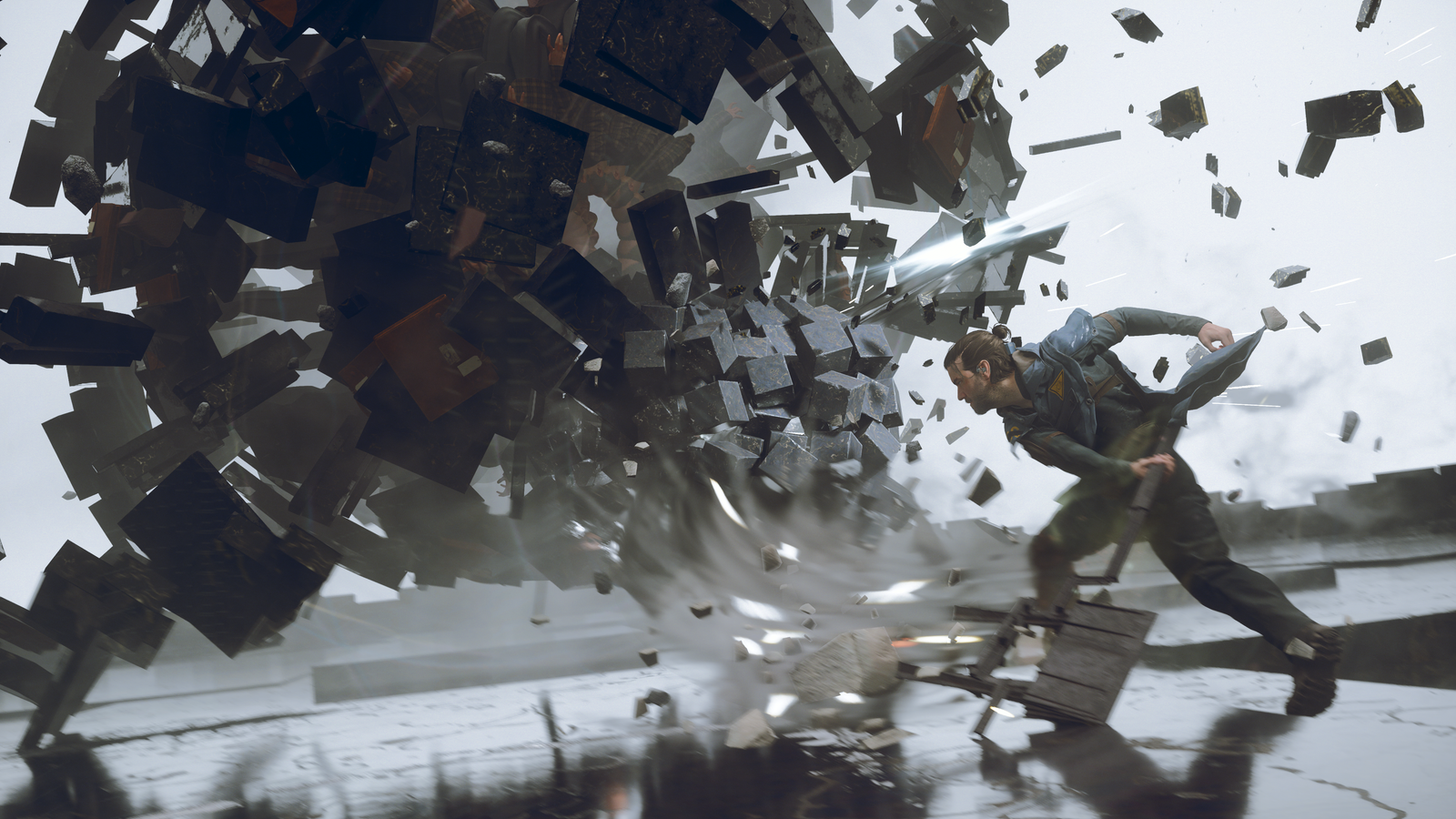
This criticism is not a reflection on the quality of Remedy’s writing. Every piece of lore discovered within Control Resonant maintains a high standard of narrative craft. Even minor environmental elements, such as a tuning fork puzzle encountered in a subway station, are elevated by accompanying notes that paint a vivid picture of a frustrated research team attempting to understand why they keep inexplicably teleporting around the map. These touches ensure that the worldbuilding feels purposefully integrated into the narrative rather than existing merely as superficial gameplay padding, highlighting why Remedy remains a standout developer in the big-budget space.
The primary issue lies instead in the pacing and distribution of these narrative elements. Early in the experience, lore logs are doled out at a steady, manageable clip, appearing occasionally to set the scene without demanding long interruptions. As the campaign progresses deeper, however, the volume spikes dramatically and quickly becomes overwhelming. During a mid-game mission set within an underground labyrinth, Dylan discovers multiple FBC test sites scattered across a liminal space. Each area is packed with text and audio logs placed mere steps apart from one another, creating a rhythm where finishing one log immediately leads to another before the player can even reengage with the core action.
This pacing hurdle becomes even more pronounced with the game’s audio logs. When players pick up an audio log in Control Resonant, it automatically begins playing without requiring them to pause the game and open a menu. In theory, this design choice allows players to listen and move simultaneously, avoiding disruptive pauses. In practice, however, these audio logs will automatically cut out if the player triggers nearby story-related audio. Because the game features dense dialogue and frequent narrative triggers, these audio sources are often located close enough to collectible logs that moving just a few feet can abruptly silence the playback. This forces players to either head into a menu to resume listening or stand completely still in dangerous environments to ensure the dialogue finishes uninterrupted.

While these issues rarely rise to the level of game-breaking flaws—particularly since all lore elements are entirely optional and can be engaged with at the player’s discretion—they reveal a heavy reliance on a tell-don’t-show approach to storytelling. This narrative style ultimately harms the pacing of a game specifically built around fluid movement and fast-paced action. Furthermore, the sheer glut of loose paperwork feels less narratively cohesive than it did in the original Control. The first game took place within the offices of a secretive government agency, making stray documents a natural part of the environment and cleverly suggesting that the FBC was dangerously loose with its sensitive secrets. Control Resonant, by contrast, focuses much more tightly on an intimate sibling dynamic between Jesse and Dylan, making the endless stacks of loose paperwork feel like a distraction from the emotional core of the narrative.
The tendency to flood players with lore is hardly unique to Remedy Entertainment. It has become a widespread design choice across the contemporary gaming industry, appearing in everything from compact titles like Pragmata to massive open-world experiences like The Blood of Dawnwalker. When used with restraint, these items can add rich texture and color to a virtual world, as demonstrated by the long-running Resident Evil series. However, they frequently threaten to kill momentum in action-driven games, such as Marvel’s Wolverine, which periodically forces players to put down the controller so the protagonist can stand in place and listen to a tape recorder.
The underlying challenge for developers is finding ways to achieve deep worldbuilding that remain organically integrated into actual gameplay rather than spelling everything out through text and audio dumps. Trusting environmental design and allowing players to infer a story without explicit exposition remains a powerful tool, drawing inspiration from real-world locations like Manhattan, where stumbling upon strange, unexplained sights can leave lingering, unsolved mysteries in the minds of observers for years.