

Apple has long occupied a unique space in the consumer technology market, often arriving late to new product categories only to refine them with unmatched engineering precision. Years after competitors like Samsung launched commercial foldable phones, Apple eventually entered the market with the Duo, a device that quickly established itself as a marvel of engineering and design. Following a similar trajectory in the wearable technology sector, Apple has now released the new Apple Watch Ultra 4, a device that finally introduces a training readiness score—a metric that brands like Garmin and others have successfully offered to athletes for years.
Despite the delayed entry, Apple consistently manages to bridge the gap through superior execution and software integration. The Duo is a pleasure to use, and the new readiness score on the Ultra 4 promises a deeply integrated training aid. This capability is underpinned by what Apple claims to be the most accurate heart rate sensors currently available in the wearable technology space, a claim that also applies to the simultaneously released Apple Watch Series 12. Combined with Apple’s trademark software design, the readiness score is remarkably simple to read, delivering user-centered feedback in a manner that sets it apart from competing fitness ecosystems.
Apple’s assertion regarding the market-leading accuracy of its heart rate sensors is supported by a comprehensive study conducted by the company. Testing its hardware against a wide array of competing wrist- and arm-based wearables—excluding chest straps—Apple evaluated devices representing roughly 90 percent of the total wearables market. The study deliberately included a diverse pool of participants across varying sexes, ages, body mass indices, and skin tones to ensure robust and reliable data.
Accuracy and Clarity
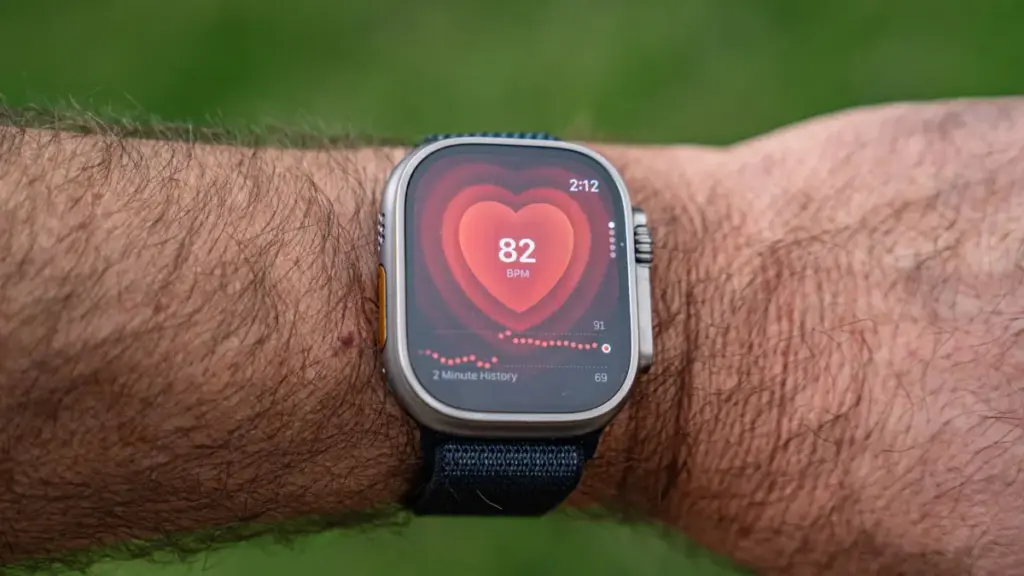
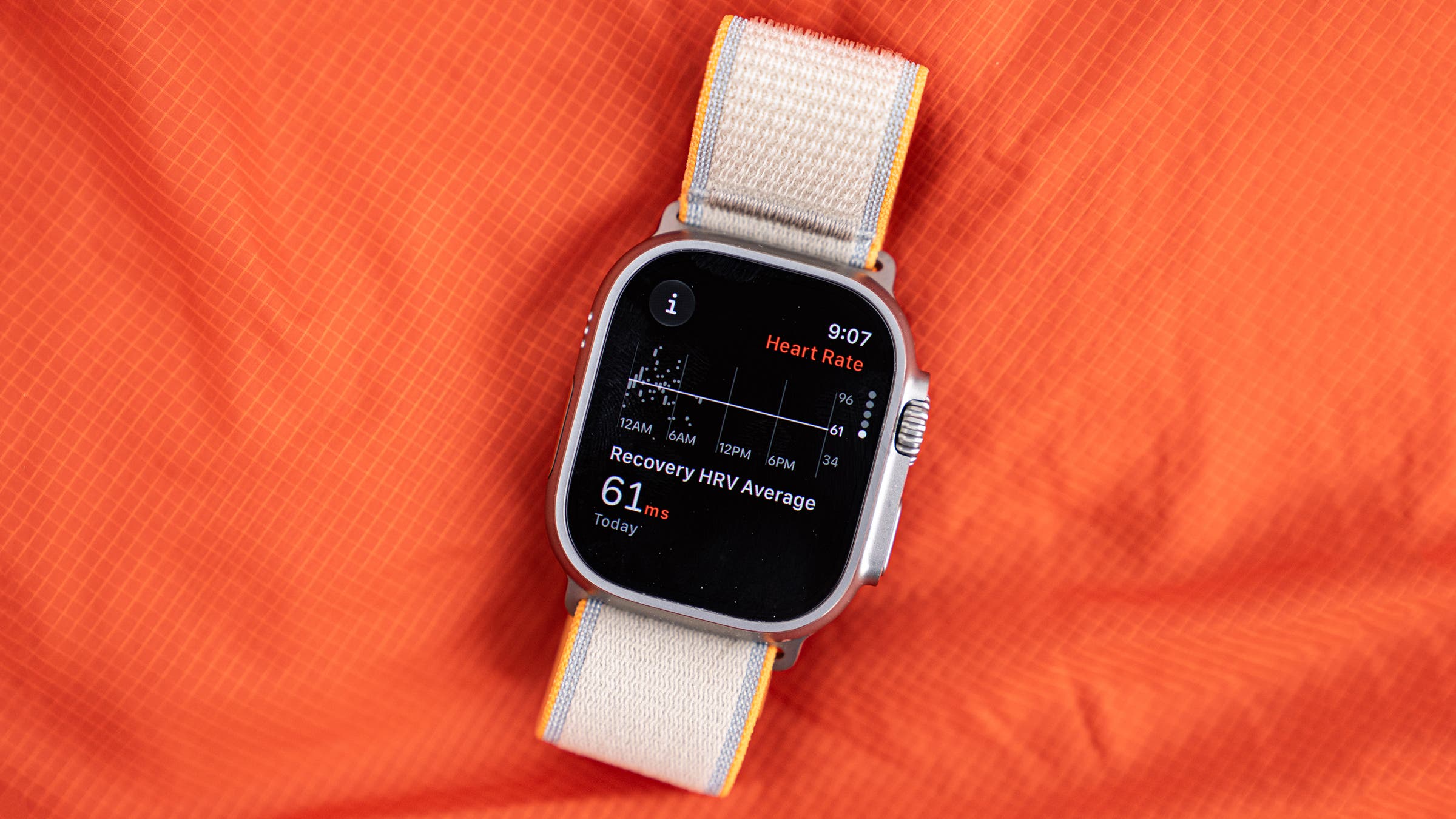
Enhanced wrist-based accuracy represents a significant milestone for athletes who rely heavily on heart rate zones to structure and calibrate their workout intensities. Beyond simple heart rate monitoring, this improved hardware allows Apple to lean with greater confidence into Heart Rate Variability, commonly known as HRV, which tracks the minute, beat-to-beat fluctuations in a person’s heart rate. High HRV readings generally correlate with positive health indicators, optimal recovery, and strong overall fitness levels, whereas lower readings often point toward physical or mental stress, overtraining, or the onset of illness.
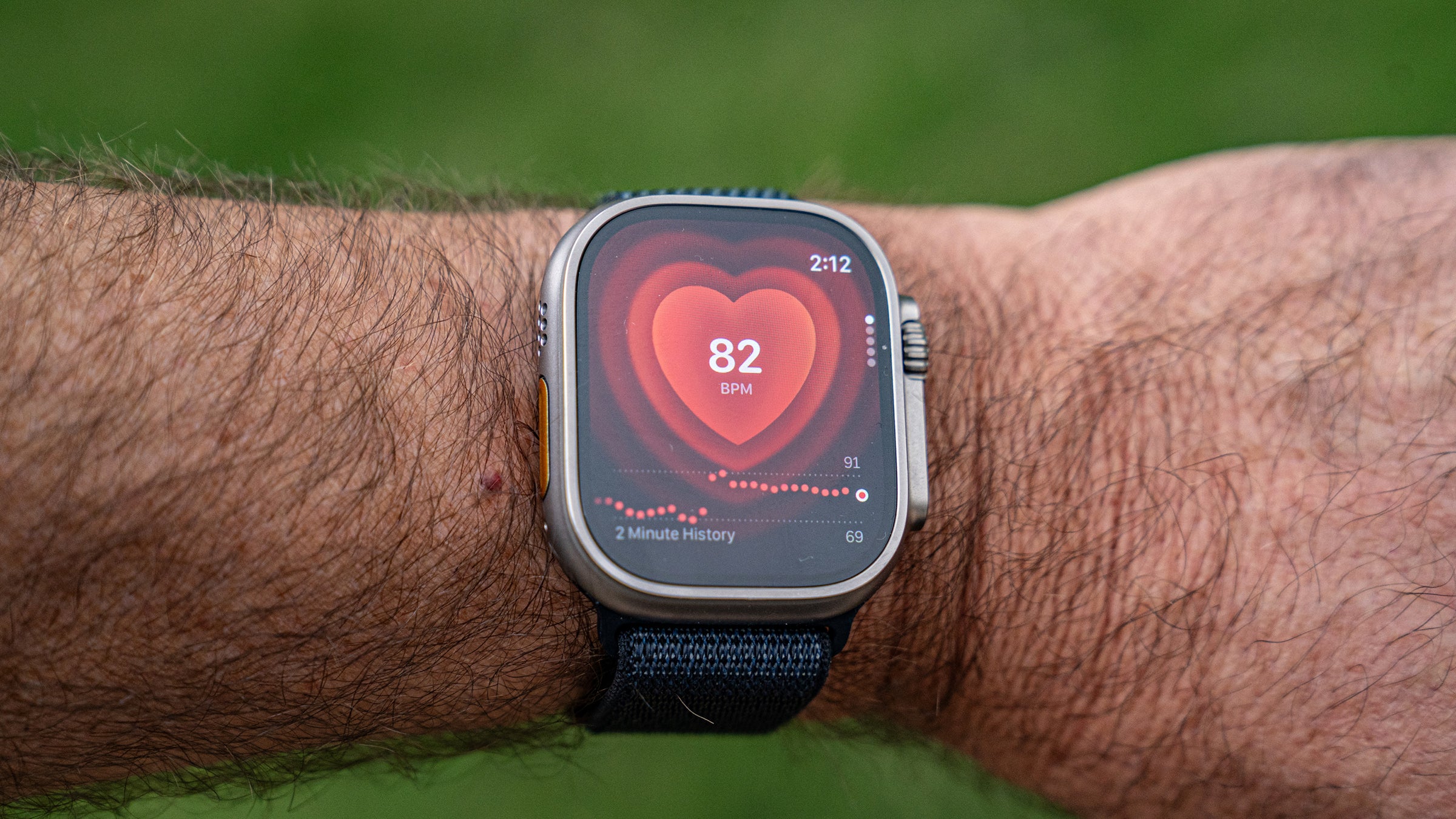
The Apple Watch Ultra 4 measures HRV as frequently as every five minutes throughout both day and night while the user is at rest. Additionally, the device captures general heart rate readings every five seconds around the clock. These measurement frequencies represent a substantial upgrade over the previous Apple Watch Ultra 3, bringing Apple into closer alignment with established top-tier sports watch manufacturers.
For comparison, companies like Garmin take multiple heart rate readings every second throughout the day, regardless of the user’s activity. Coros records heart rate every second by default during active workouts and every ten minutes during periods of rest. Regarding HRV, Garmin mirrors Apple by measuring the metric every five minutes overnight, though it does not automatically track daytime resting HRV in the background. Instead, Garmin relies on a manual daytime snapshot feature that allows users to initiate a one-time HRV reading on demand.
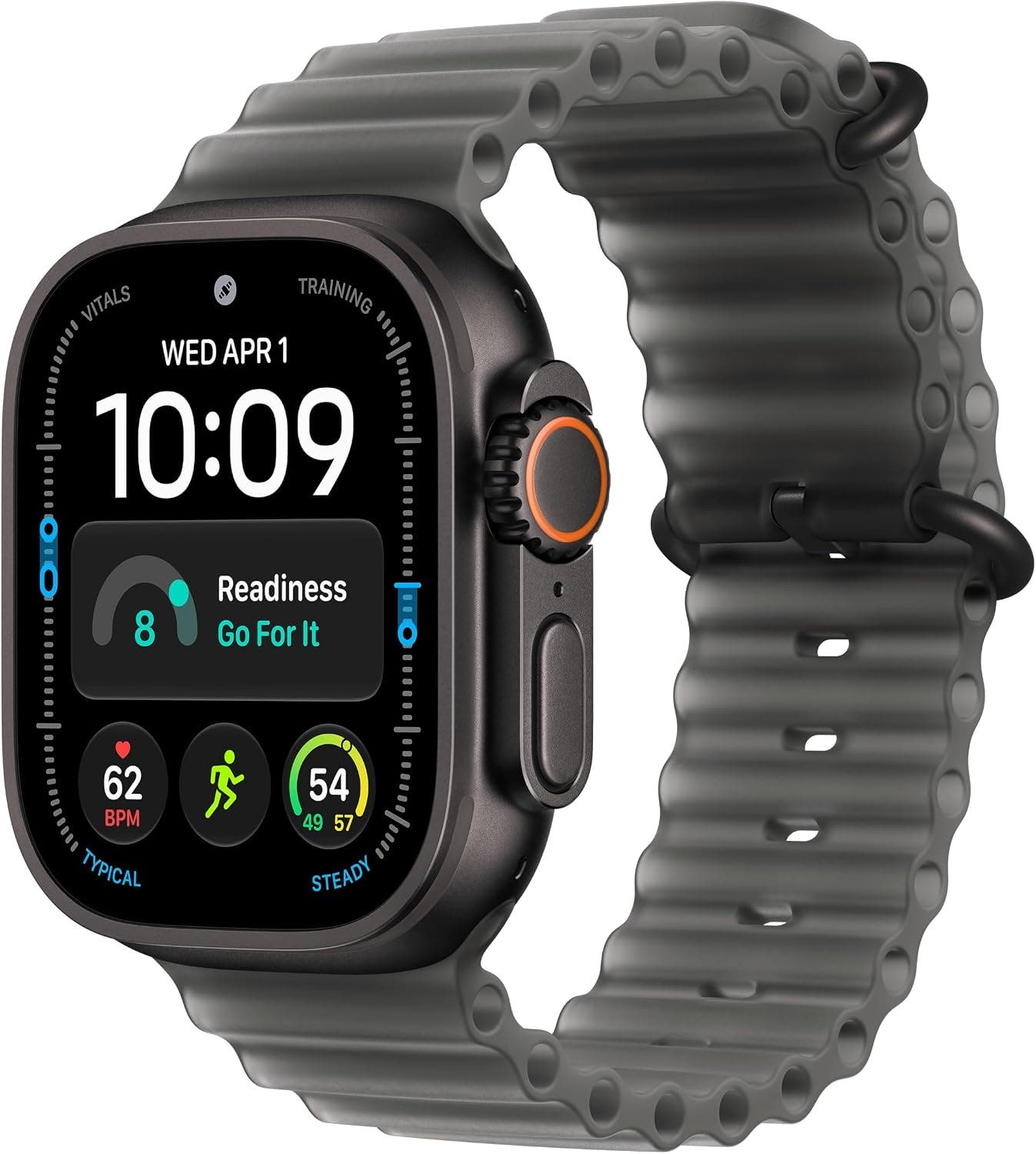
In the Apple ecosystem, these enhanced heart rate and HRV measurements, when combined with broader vital signs, activity logs, and sleep metrics, form the foundational data for the new training readiness scores. Apple scores this metric on a straightforward scale from one to ten, accompanied by clear, descriptive phrasing to help users interpret their numerical rating. Scores ranging from zero to one prompt the user to recover, while scores between two and four advise pacing yourself. Ratings from five to seven indicate readiness, and scores from eight to ten encourage users to go for all-out training efforts.
This approach offers a stark contrast to competitors like Garmin, which provides a detailed scale from one to 100. While many advanced athletes appreciate the granularity of a 100-point scale, casual or mid-tier athletes often find the volume of data overwhelming to parse. Apple’s condensed one-to-ten scale, paired with plain-language instructions, feels considerably more approachable, reflecting a software design philosophy that prioritizes accessible communication over dense engineering metrics.
Early field testing of the Ultra 4 over a four-day training block yielded consistent readiness scores in the five-to-six range, indicating that the watch perceived the user as ready for action yet retaining residual fatigue. This aligned closely with subjective physical feelings, supported by sleep metrics in the 90th percentile and high daily step counts. The only minor critique from testing is that the readiness score is not available immediately upon waking, requiring users to complete their morning run before the calculation populates.
Later in the year, these refined heart rate readings will feed directly into a comprehensive, redesigned Health application on the iPhone, expanding the device’s utility with advanced coaching features. A new Insights tab will synthesize daily metrics and trends spanning heart health, sleep patterns, fitness activity, vital signs, readiness scores, and cycle tracking, subsequently leveraging Apple Intelligence to deliver personalized guidance. Additional features include a Health Age metric, comparable to Garmin’s Fitness Age, which evaluates whether a user’s biological function trends older or younger than their chronological age. Furthermore, a dedicated Longevity tab will analyze longitudinal health data across heart health, sleep quality, mental wellbeing, movement efficiency, metabolic health, hearing preservation, and nutritional habits.
A Better Battery
While the Apple Watch Series 12 offers the exact same readiness features as its rugged counterpart, the primary draw of the Ultra line remains its superior battery longevity. The standard Apple Watch Series 12 maxes out at approximately 24 hours of normal daily use, whereas the Ultra 4 extends that performance to 50 hours—an eight-hour improvement over the Ultra 3. Furthermore, the Ultra 4 delivers up to 18 hours of continuous, full-power workout tracking, compared to just 10 hours on the Series 12.
Real-world testing demonstrates that the Ultra 4 can be worn continuously through every night and multiple daily workouts without creating anxiety over potential power depletion. This reliability is aided by improved fast-charging capabilities, which allow a user to place the watch on the charger for a brief 15-minute window and recover 18 hours of additional battery life—enough to comfortably cover an overnight sleep tracking session. Occasional periods of daytime downtime easily facilitate a full battery recharge.
With 18 hours of workout tracking capacity, the Ultra 4 possesses sufficient endurance for shorter ultra-marathons, such as a 50k or 100k race. For longer efforts, Apple provides an Extended Workout mode that disables select background features to stretch GPS and heart rate tracking up to 25 hours. A secondary Max Extended Workout setting limits tracking to outdoor runs, walks, and hikes for up to 45 hours by sampling GPS coordinates once every second while scaling back other sensors.
Despite these gains, ultra-distance endurance tracking remains an area where the Apple Watch Ultra falls short of dedicated outdoor sports watches. Devices like the Garmin Enduro 3 establish the industry benchmark by offering up to 120 hours of continuous GPS use, or up to 320 hours when supplemented by solar charging. Similarly, newly announced alternatives like the Coros Pace 4 Pro deliver 60 hours of GPS tracking at a substantially lower price point than the Ultra 4. Consequently, elite runners tackling 100-mile endurance races are unlikely to rely on an Ultra 4, as endurance athletes prioritize battery confidence over disabling features mid-race.
Who Is the Ultra 4 For?
The Apple Watch Ultra 4 is ideally suited for individuals who may not compete in extreme endurance events, but who nevertheless take their training seriously and value deep insights into their physiological metrics. Because the advanced readiness scoring hardware is restricted to the Ultra 4 and the Apple Watch Series 12, everyday athletes looking to optimize their recovery routines will find the new capabilities compelling and intuitive.
For mainstream athletes, the combination of extended battery life and rapid charging makes the device practical for daily wear. While Apple may never match the multi-week battery performance offered by specialized brands like Garmin—largely due to its continued prioritization of power-hungry everyday smart features—the compromise has become increasingly palatable. For many users, the battery performance and charging speeds of the Ultra 4 no longer interfere with daily training regimens or outdoor adventures.
For consumers who place little value on the non-athletic, everyday smart capabilities that the Ultra 4 handles effortlessly, and who focus purely on raw workout metrics and extended battery life, dedicated sports watches such as the Coros Pace 4 Pro or the Suunto Run 2 remain more cost-effective alternatives.