


CHICAGO — A poignant and deeply reflective new photography exhibition in Chicago is inviting the public to imagine an alternate history—one in which a young Emmett Till lived to experience the full span of an ordinary lifetime.
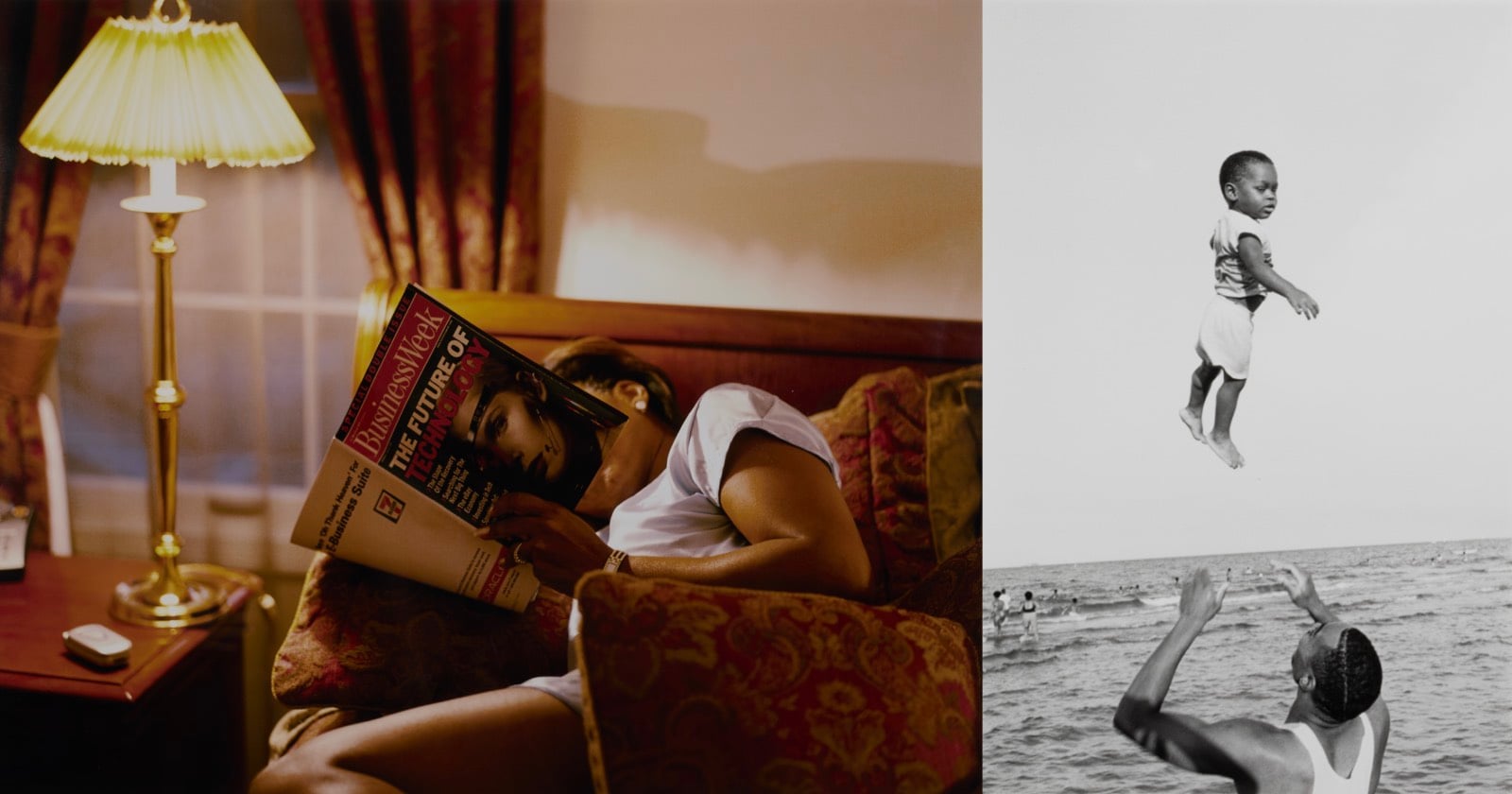
Currently on view at the Museum of Contemporary Photography at Columbia College Chicago, the exhibition is titled If Emmett Till Lived: Freedom on American Ground. Running through December 19, 2026, the expansive showcase draws directly from the institution’s rich permanent image collection. By curating decades of powerful photography, the museum constructs a visual narrative of what Till’s world might have looked like had he not been brutally cut down more than 70 years ago.
The foundation of the exhibition is rooted in one of the most tragic and galvanizing chapters of American history. In the summer of 1955, 14-year-old Emmett Till left his home in Chicago to visit family relatives down in Mississippi. During his stay, a local white woman accused the teenager of harassing her at a neighborhood store. What followed was a horrific miscarriage of justice and an act of racial terror that shocked the nation and the world. Till was abducted from his relatives’ home, brutally beaten, and lynched. When his body was recovered from the Tallahatchie River, the appalling condition of his remains exposed the vicious reality of Jim Crow-era violence.
Despite clear evidence and eyewitness accounts, an all-white jury swiftly acquitted Till’s killers, an outcome that laid bare the deep-seated corruption and systemic racism entrenched within the American legal system at the time. Yet, the tragedy also ignited a profound awakening. The courage of Till’s mother, Mamie Till-Mobley, who insisted on an open-casket funeral so that the world could witness the brutality inflicted upon her only child, galvanized the burgeoning civil rights movement.
The shockwaves of Till’s murder and the subsequent acquittal rippled across the nation, altering the course of American history. Just a few months after his death, in Montgomery, Alabama, Rosa Parks made the historic decision to refuse to give up her bus seat to a white passenger, sparking the Montgomery Bus Boycott. Parks later revealed that Emmett Till was heavily on her mind during that pivotal moment. She had recently attended a memorial rally for the teenager led by a then-little-known Baptist minister named Martin Luther King Jr. Furthermore, the outrage surrounding Till’s lynching entered the halls of Congress, fueling fierce debates that ultimately culminated in the passage of the Civil Rights Act of 1957, which provided crucial federal protections for African American voting rights.
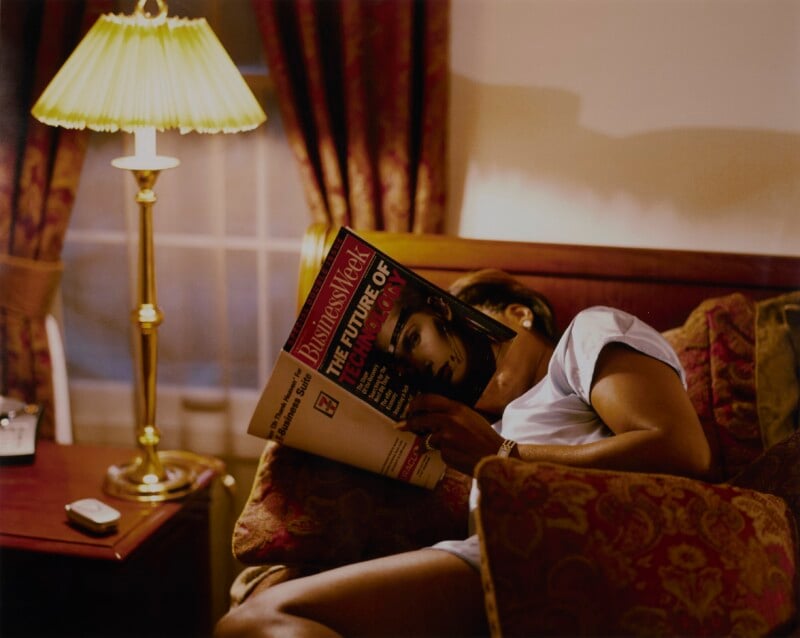
If he had survived, Emmett Till would have celebrated his 85th birthday this year. It is this milestone—and the decades of life, memory, and experience that were stolen from him—that forms the conceptual core of the exhibition at Columbia College Chicago.
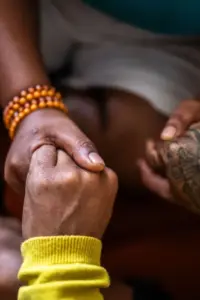
Rather than focusing solely on the brutality of his death, If Emmett Till Lived focuses on the richness of the life he was denied. The curated photographs capture the vast tapestry of American life across the late 20th and early 21st centuries. Visitors encountering the exhibition are met with evocative images of railroad lines and cross-country journeys, capturing the restless spirit of travel and freedom across the United States. Other photographs document the quiet, intimate rhythms of everyday life in diverse neighborhoods, bustling city streets, and shared public spaces.
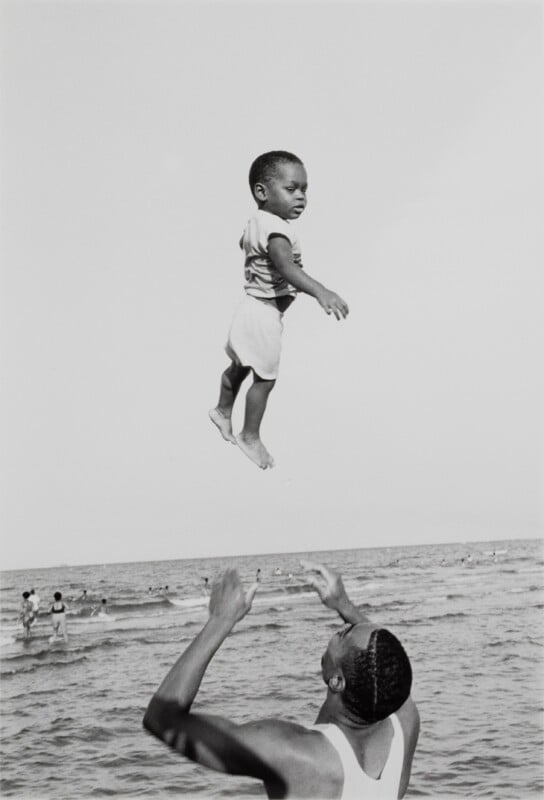
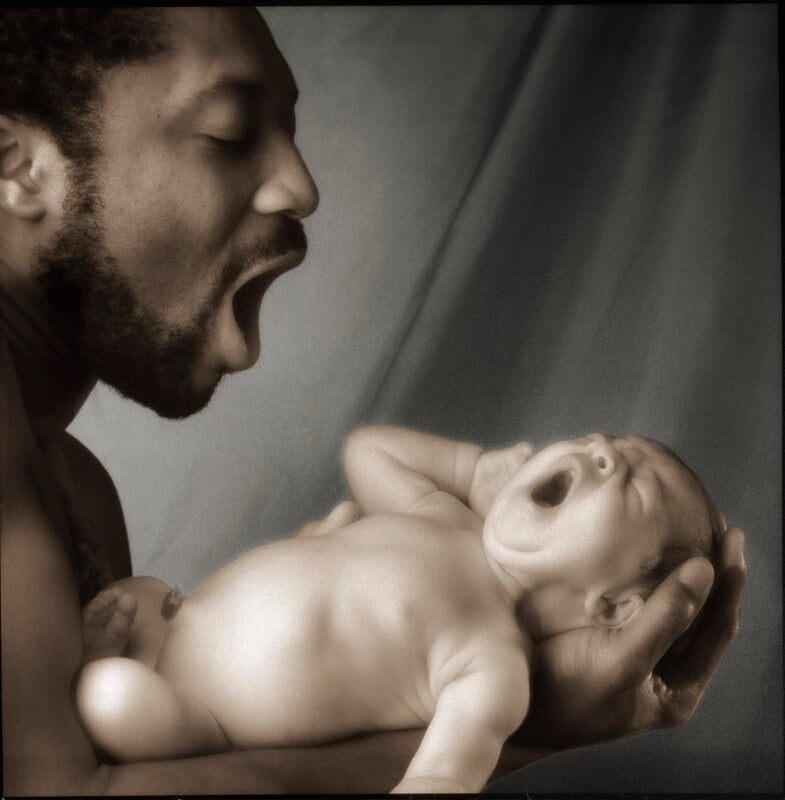
The visual narrative expands outward to encompass universal milestones of human experience, including family life, marriage, and fatherhood. The exhibition also grounds Till’s imagined lifetime in the specific cultural and historical milestones that defined contemporary American history. Photographs in the collection touch upon monumental moments such as Michael Jordan’s legendary career leading the Chicago Bulls to multiple championships, and the historic election of Barack Obama as the nation’s first Black president.
By weaving these familiar historical touchstones into the fabric of the exhibition, the curators construct a tangible, lived reality that Till could have conceivably inhabited. The collection features works spanning multiple generations of renowned photographers. Among the distinguished artists whose imagery is represented in the exhibition are Henri Cartier-Bresson, Dorothea Lange, Gordon Parks, Dawoud Bey, Teju Cole, Laylah Amatullah Barrayn, Carrie Mae Weems, and Stephen Marc, alongside many others. Each contributor brings a distinct lens to the exploration of American society, race, and identity.
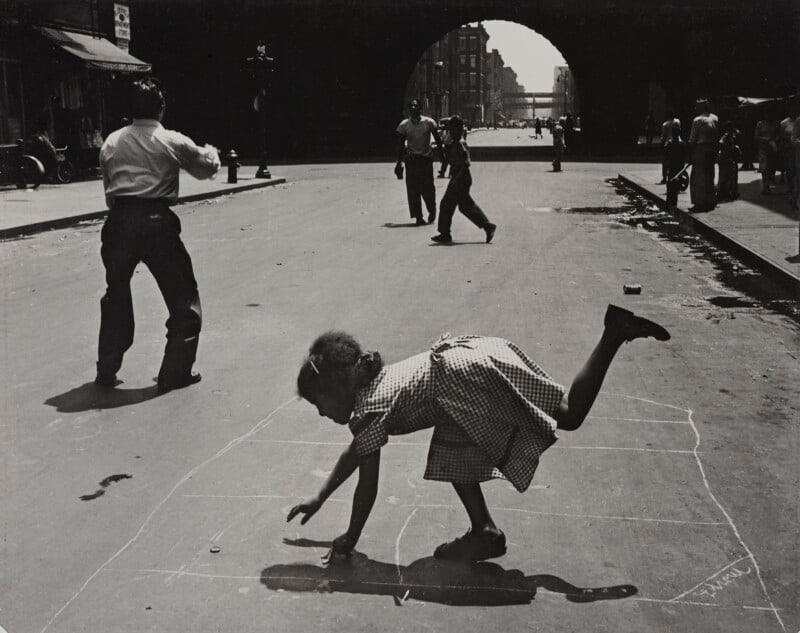
Curated by scholar and writer Sarah Lewis, the exhibition and its accompanying publication seek to provoke deep introspection among visitors regarding the ongoing struggle for civil rights and racial justice in the United States.
Reflecting on the impetus behind the project, Lewis posed a fundamental question in a public statement regarding the exhibition: “Why create this show and publication now?”
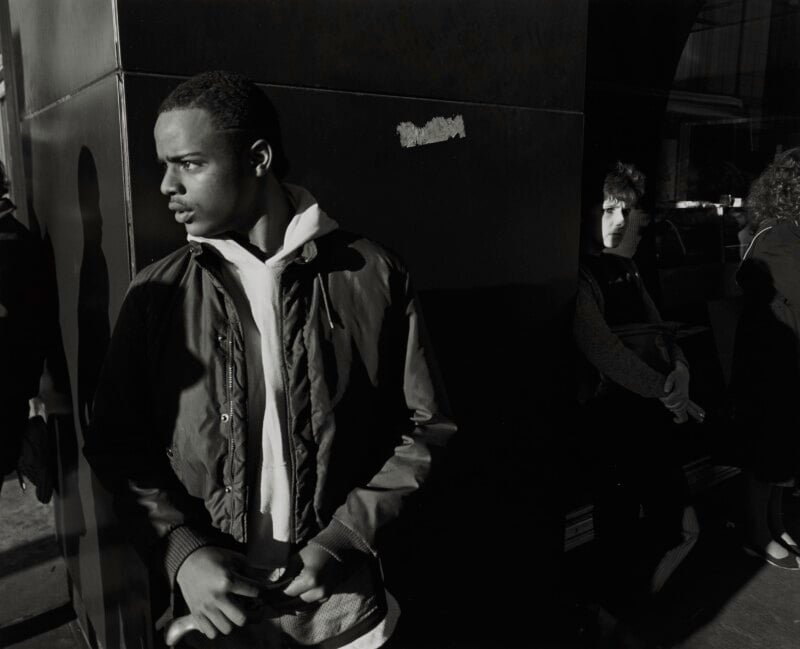
Answering her own inquiry, Lewis emphasized the persistent urgency of the themes addressed in the artwork. “Because more than seventy years after Emmett Till’s death, we are still asking, have we made good on the sacrifice of his life? We should not have to ask this question,” she stated.
Lewis elaborated on the emotional and moral weight of bringing the exhibition to life, noting that the project serves as both a reclamation of history and a demand for a more just future. “This show and the book that is its counterpart should not have to exist — and that is why I felt called to make them. They claim the ground of Till’s untaken journey from Mississippi back to Chicago,” Lewis added.
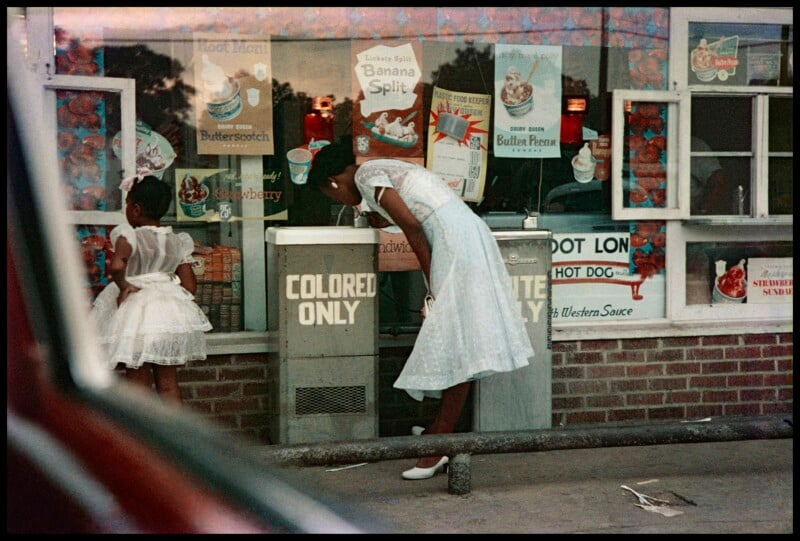
Emphasizing the broader societal implications of the showcase, Lewis connected Till’s stolen potential to the universal human right to exist safely and freely. “His life is the epitome of the question we still grapple with today: Who has a right to the ground, to claim the right to stand? This exhibition and book are a creative monument to the life that Till — that anyone, any black or brown boy — has a right to live.”
As visitors walk through the galleries at the Museum of Contemporary Photography, they are invited to confront the profound absence left by a life cut short, while simultaneously bearing witness to the enduring resilience, culture, and community captured through the eyes of generations of master photographers.