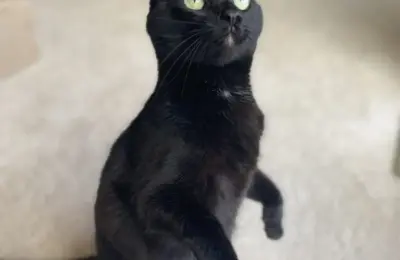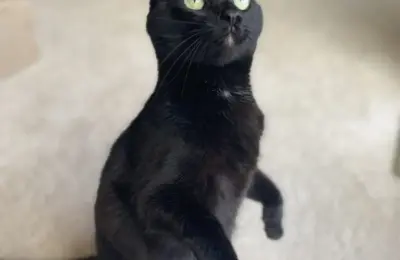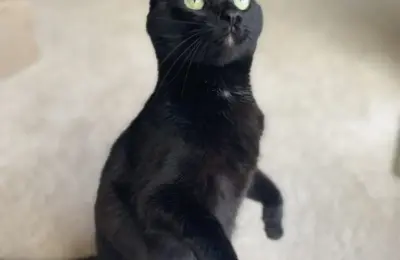




Across the globe, domesticated cats are reaching milestones once considered exceptional. Propelled by significant advances in veterinary medicine, preventative diagnostics, and refined feline nutrition, companion cats are living substantially longer and healthier lives than preceding generations. In many households, cats are routinely thriving well into their late teens, with some documented cases surpassing two decades of life.
Yet, this demographic shift presents distinct welfare challenges. While certain felines maintain an outward appearance of youthful vigor well into their senior years, masking their true chronological stage, others experience a sharp deterioration in their quality of life. For these animals, aging is frequently accompanied by a withdrawal from routine activities, pronounced lethargy, chronic discomfort, and social isolation. Animal behavior specialists observe that pet owners routinely misinterpret these behavioral declines as the natural, unavoidable consequence of growing old, when in fact they often signify untreated physical distress or chronic pain.
Addressing the needs of an aging cat requires moving beyond passive acceptance of decline. Regular veterinary oversight remains the bedrock of senior feline wellness, particularly because early detection of chronic conditions significantly improves treatment outcomes. While guardians may have previously avoided annual veterinary appointments due to the stress associated with feline transportation, veterinary experts emphasize that senior cats require more frequent clinical monitoring—typically semi-annual or twice-yearly physical examinations. By pairing proactive medical care with thoughtful adjustments to daily routines and living quarters, owners can alleviate unnecessary suffering and ensure that an aging cat’s golden years remain comfortable, stimulating, and dignified.
Beyond medical checkups, behaviorists identify several critical yet frequently overlooked dimensions of senior feline management: continuous mental engagement, modified physical exercise, and deliberate environmental re-engineering.
       +-----------------------------------------------------------+
       |             Holistic Senior Cat Care Framework            |
       +-----------------------------------------------------------+
                                     |
         +---------------------------+---------------------------+
         |                           |                           |
         v                           v                           v
+------------------+       +-------------------+       +-------------------+
|  1. Cognitive    |       |  2. Mobility &    |       |  3. Environmental |
|     Health       |       |     Activity      |       |     Modifications |
|------------------|       |-------------------|       |-------------------|
| • Puzzle feeders |       | • Low-impact play |       | • Ramps/access    |
| • Foraging hunts |       | • Ground-level toy|       | • Raised dishes   |
| • Clicker work   |       |   tactics         |       | • Low-entry boxes |
| • Mental stealth |       | • Joint support   |       | • Sensory aids    |
+------------------+       +-------------------+       +-------------------+
1. Supporting Mental Stimulation and Cognitive Health
One of the most common pitfalls in caring for an older cat is allowing daily life to become mentally monotonous. Just as with human beings, feline brain health is tied to ongoing cognitive exercise. When an older cat stops actively engaging with its surroundings, cognitive decline can accelerate, compounding feelings of disorientation or detachment.

Maintaining neural pathways requires deliberate cognitive enrichment tailored to the animal’s life stage. Interactive play sessions provide mental exercise because the predatory sequence—surveying, stalking, planning an ambush, and executing a capture—is primarily a cognitive undertaking rather than a purely physical one. Even when an aging cat no longer possesses the stamina for sustained chases, engaging its analytical faculties through stealth observation stimulates neurological function.
Puzzle feeders and foraging activities serve as practical tools for indoor mental enrichment. These devices require an animal to solve a physical riddle or manipulate an object to access dry kibble or treats, directly mirroring the natural drive to work for sustenance. When introducing puzzle toys to an older animal, difficulty levels must be calibrated carefully. Introducing an overly complex feeder can induce frustration, distress, and immediate abandonment of the task. Guardians are encouraged to introduce introductory-level puzzles that guarantee early success, reinforcing the animal’s confidence before gradually introducing more complex puzzles. Simple indoor treasure hunts, where small portions of food are deposited in novel locations throughout the home, offer an accessible alternative that activates the feline olfactory system and exploratory drive.
Cognitive engagement can also be sustained through gentle, positive-reinforcement training. Brief sessions using clicker training techniques can keep an older cat’s mind sharp without placing demands on its physical reserves. Requesting basic responses, such as touching a nose to an outstretched finger or target stick, or offering a gentle high-five, pairs mental focus with positive social interaction. The critical factor is to keep these educational sessions short, completely positive, and aligned with the cat’s individual energy reserves and capabilities.
2. Maintaining Mobility and Low-Impact Activity
Sustained physical movement is essential for preserving joint mobility, retaining lean muscle mass, and preventing stiffness in aging animals. However, physical activity routines must be updated to match the changing physical realities of a senior cat.
Owners frequently discontinue interactive play altogether when a cat stops leaping into the air or performing athletic maneuvers. This abrupt cessation of activity can accelerate joint degeneration and muscular atrophy. Feline mobility should not be measured by acrobatic flips or high jumps. Instead, the focus shifts to sustained, low-impact motion that encourages the animal to move its joints without placing heavy mechanical stress on its skeletal structure.

Achieving this requires re-evaluating the types of toys used during daily play sessions. Wand toys configured with feathers designed to mimic high-flying birds often lose their utility for an older cat suffering from hip or spinal stiffness. Instead, owners can pivot toward floor-based toys that emulate ground-dwelling prey such as small rodents, snakes, or crawling insects. Toys dragged across rugs, disappeared behind chair legs, or snaked beneath cardboard barriers allow the cat to engage its predatory drive at ground level.
Rather than subjecting an aging pet to an infrequent, exhausting session, play should be distributed across multiple short, low-intensity intervals throughout the day. These brief daily sessions keep circulation active, support digestion, and preserve muscle tone without placing excessive stress on aging joints.
3. Adapting the Living Environment for Comfort and Safety
Perhaps the most impactful adjustments an owner can make occur within the physical architecture of the home. As physical flexibility, visual acuity, and balance decline, an unchanged domestic environment can transform from a comfortable sanctuary into an obstacle course that induces pain and anxiety.
Senior cats maintain an innate desire to survey their territory from elevated vantage points, such as windowsills, sofas, or favorite perches. When pain prevents them from jumping up to these spaces, they are cut off from valuable environmental enrichment, including watching outdoor wildlife. Installing carpeted ramps or sturdy, gradual pet steps provides painless passage to these preferred resting spaces, eliminating the jarring impact that jumping down exerts on arthritic forelimbs. Similarly, elevating food and water bowls just a few inches off the floor allows a cat to eat and drink without uncomfortably arching its back or straining its neck.
Scratching remains a vital behavioral need for cats of all ages, serving to maintain claws, stretch the spine, and deposit territorial scent markings. However, an older cat suffering from lumbar pain may no longer be able to rear up against a tall vertical scratching post. Providing wide, horizontal scratchers crafted from corrugated cardboard, sisal, or carpet alongside traditional posts ensures the animal can continue this natural behavior without requiring painful vertical extension.

The litter box environment requires careful structural and logistical adjustments. As bladder capacity and muscle control decline with age, an older cat may not be able to traverse long distances or navigate stairs in time to eliminate. Distributing additional litter boxes across multiple floors and living areas is frequently necessary. Furthermore, the physical dimensions of standard litter boxes often present barriers: deep pans with high walls can deter an arthritic animal from stepping inside, resulting in inappropriate elimination near the box. Replacing high-walled containers with low-entry models, or trimming a wide opening into an existing plastic container, provides unhindered access while keeping the home clean.
Sensory declines, including reduced vision and hearing, call for additional accommodations:
- Nighttime Illumination: Placing motion-activated nightlights near litter boxes, feeding stations, and hallways assists cats with failing vision to navigate comfortably in low-light conditions.
- Spatial Consistency: Keeping furniture arrangements static helps visually impaired cats maintain a reliable mental map of their territory.
- Floor Clearance: Instructing household members to keep hallways and floors clear of unexpected clutter prevents disorientation and tripping hazards.
- Tactile Boundaries: Positioning textured runners or tactile mats immediately before top stair landings warns an animal of an approaching drop-off.
- Barrier Installation: Installing secure safety gates at staircases prevents accidental falls when an animal suffers from severe disorientation or significant balance deficits.
The Broader Spectrum of Senior Feline Welfare
Caring for an aging feline companion involves managing a wide range of daily physical and physiological needs. Beyond cognitive enrichment, tailored exercise, and an accessible living space, senior cats often require targeted dietary adjustments to support metabolic and renal function, as well as ongoing schedules for therapeutic medications.
Grooming routines also shift during this life stage. Because spinal stiffness and dental issues can prevent an older cat from effectively grooming itself, daily assistance with soft-bristled brushes becomes essential to prevent painful coat matting. Regular grooming also allows owners to inspect the animal for underlying skin irritations, weight fluctuations, or external parasites. In some cases, pets may require gentle hygiene support to remain clean after using the litter box.
Thermal sensitivity also changes as cats age. Senior felines have a reduced capacity to regulate their internal body temperature, making them especially susceptible to joint stiffness during cold winter months and exhaustion in humid summer conditions. Ensuring that warm, draft-free beds are accessible in the winter and cool, well-ventilated retreat spots exist in the summer is vital to their everyday comfort.

Ultimately, these specialized adjustments are part of caring for a long-time companion. When pet owners proactively spot the quiet signs of discomfort, prioritize regular twice-yearly veterinary checkups, and adapt the domestic environment to meet changing physical and mental needs, old age ceases to be a period of silent withdrawal. Instead, it becomes a comfortable and enriching chapter of life, honoring the long-standing bond between cats and their families.