




Nearly nineteen years into an early retirement lifestyle, financial independence advocate and writer Mr. Money Mustache has come to a surprising realization: the complete freedom of not having to work can easily turn into a double-edged sword. While the initial upsides of escaping the traditional 9-to-5 grind are well-documented—including spending thousands of uninterrupted hours raising a child from birth through adulthood, pursuing deep personal values, traveling, maintaining health, and constructing physical projects—a subtle and unexpected flaw emerges over time.
That flaw is deceptively simple: when you reach total financial freedom, you never have to do anything you do not want to do. To most people trapped in traditional employment, this scenario sounds like the ultimate dream—a non-stop, blissful playground of self-actualization funded by accumulated wealth. Yet, the reality of absolute freedom is far more nuanced and depends entirely on the psychological makeup of the individual.
Freedom and money act as powerful magnifiers, revealing a person’s true strengths and weaknesses. On one end of the spectrum lies the passive trap of unlimited distractions, couch lounging, and stagnation. On the other end lies ambitious self-direction, such as creating and managing charitable foundations, investing in medical research, or developing clean energy solutions.
For the first decade of early retirement, maintaining a healthy balance came naturally. The responsibilities of fatherhood were intense, yet there was always surplus energy to build and restore neighborhood houses, embark on adventurous trips, create media content, and write hundreds of blog articles. However, as the years progressed and the pace naturally slowed down, a new challenge surfaced. Wrangling and focusing the mind to accomplish meaningful tasks became increasingly difficult.
Instead of maintaining the old momentum of bustling around construction sites or entering a state of laser focus at the keyboard to finish a compelling article, the daily routine began to shift. Temptation grew to retreat to the couch earlier each afternoon, seeking easy distractions on a smartphone while harboring a quiet wish for the energy and focus needed to pursue more rewarding activities.
To combat this creeping lethargy, a deeper dive into health and wellness literature followed, exploring the biological mechanisms behind energy, focus, and motivation. Previous articles shared insights on cultivating daily habits and steering clear of excessive comfort. While these educational resources proved genuinely effective, a recurring pattern emerged. Knowledge would be gathered, successfully put into practice for a short period, and then gradually abandoned as the brain invented subtle excuses to stop consistency. The result was a frustrating surplus of theoretical knowledge paired with a deficit of tangible accomplishment.
The root cause of this stagnation was an ironic self-sabotage: utilizing freedom primarily to avoid tasks that required immediate effort. True freedom is immensely valuable when it releases a worker from a grueling early-morning commute and hours spent sitting in an office building. But that same freedom goes to waste if the reclaimed hours are squandered on passive consumption while ignoring personal growth and creative output. Without deliberate intention, freedom becomes an elaborate mechanism for dodging difficult tasks—those requiring planning, mental energy, or focus—even though those exact tasks are what generate a fulfilling life.
A prime example of this behavioral trap involves physical exercise. Fitness offers arguably the highest return on investment of any daily activity, drastically improving every other area of life. Yet, despite knowing this fundamental truth, a familiar internal dialogue often takes over. The intention to complete a rigorous weight-training session is met with immediate resistance because the workout is hard. To bypass this friction, elaborate mental compromises are often constructed: waiting for the perfect time of day when weather conditions are optimal, energy levels are high, and the home gym has been meticulously prepared the night before.
In practice, those golden moments of perfect alignment rarely arrive on schedule. Weeks might pass with only two or three erratic workout sessions, interspersed with excuses about having walked a significant distance or simply being too busy. Reviewing a training journal often reveals a jarring gap of over a week between serious workouts, yielding entirely predictable results: lackluster fitness and a plateaued physical state.
The turning point arrived with a realization that this meandering, overly cautious internal debate needed to be replaced by immediate, decisive action. Instead of negotiating with the discomfort of hesitation, recognizing the moment of resistance should serve as an immediate trigger to move. Identifying the exact second of hesitation—when the brain attempts to rationalize avoiding a difficult task—and treating it as a command to put on running shoes and head straight to the gym changes everything.
While this counterintuitive approach was first applied successfully to physical fitness, the underlying principle scales across nearly every aspect of life. Hesitation feels deeply uncomfortable in the moment, and listening to it repeatedly can erode long-term potential. The ultimate solution, however, is to run directly toward the tasks requiring effort rather than retreating into the comfort of avoidance. Hesitation, when properly understood, can effectively become a rigorous life coach.

Using Extremely Badass People as Fuel
Discussing these observations with friends revealed a distinct cultural divide. Roughly half of those consulted resonated deeply with the feeling of underachieving and desiring a higher output, while the other half viewed the premise with skepticism, feeling they were already overextended with multiple children, businesses, and mountainous athletic training schedules. Neither extreme—the overly stressed high-achiever nor the excessively comfortable under-achiever—seemed ideal, pointing toward a need to find a sustainable middle ground.
The catalyst that truly shifted this perspective was encountering the extreme endurance mindset of David Goggins, popularized through deep-dive podcast interviews and biographical accounts. Goggins’ life story, marked by severe childhood adversity and an obsessive drive to conquer unimaginable physical and psychological hardships, offers a stark mirror for ordinary daily friction. From surviving grueling Navy SEAL training under near-death conditions to running hundreds of miles without sleep and setting pull-up world records, his feats far exceed standard human assumptions about endurance.
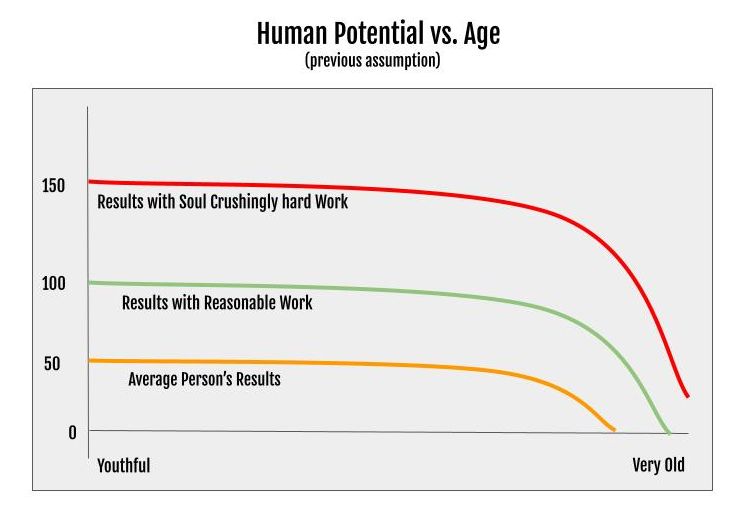
While a lifestyle of extreme ultra-endurance is neither desirable nor practical for everyone, Goggins’ journey provides a profound psychological takeaway: the vast majority of barriers holding people back are entirely mental rather than physical or situational. Rather than viewing life as a fixed distribution of luck and circumstance where capacities are strictly limited, recognizing that most perceived limitations are self-imposed opens up an expansive sense of possibility.
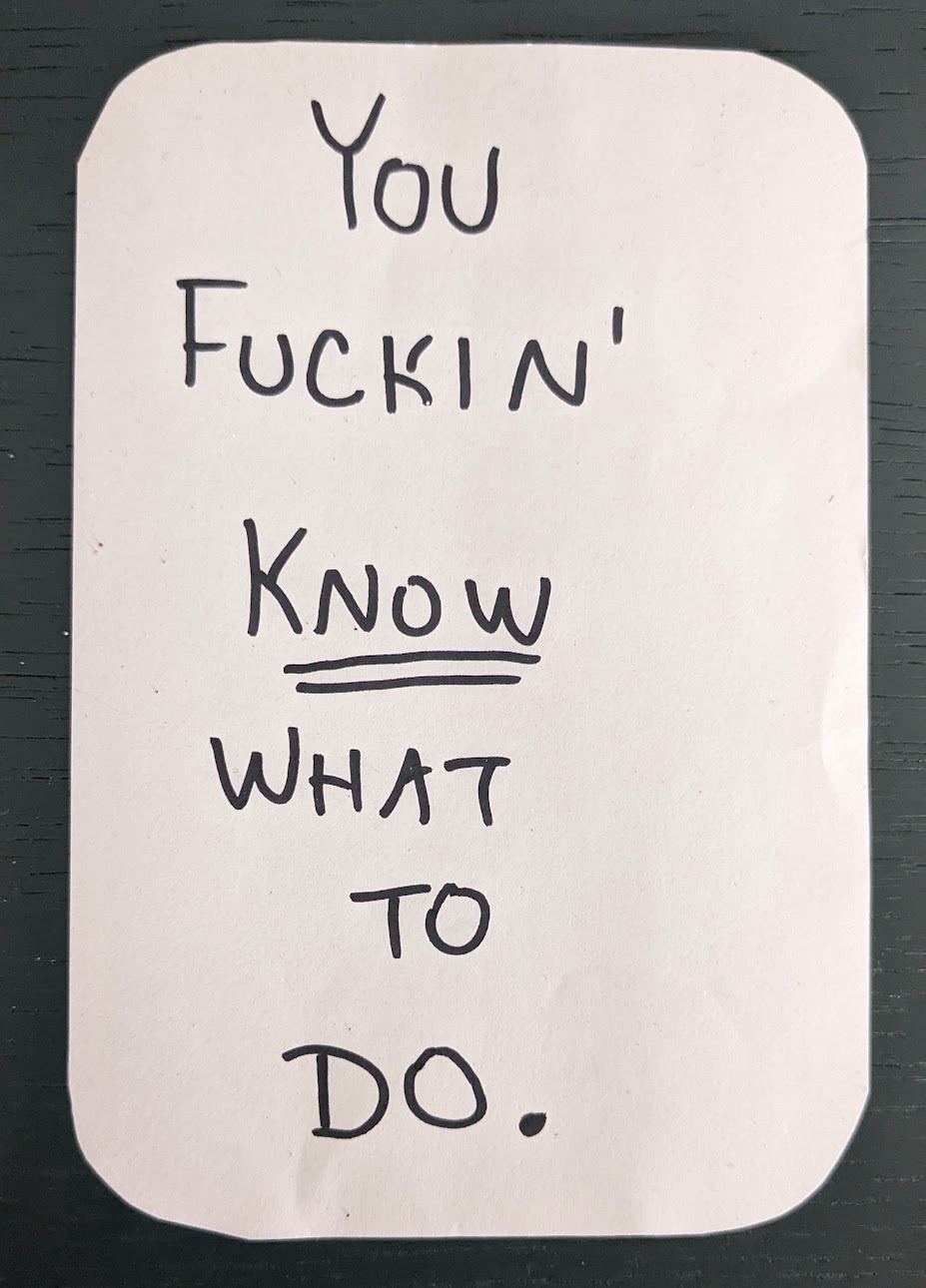
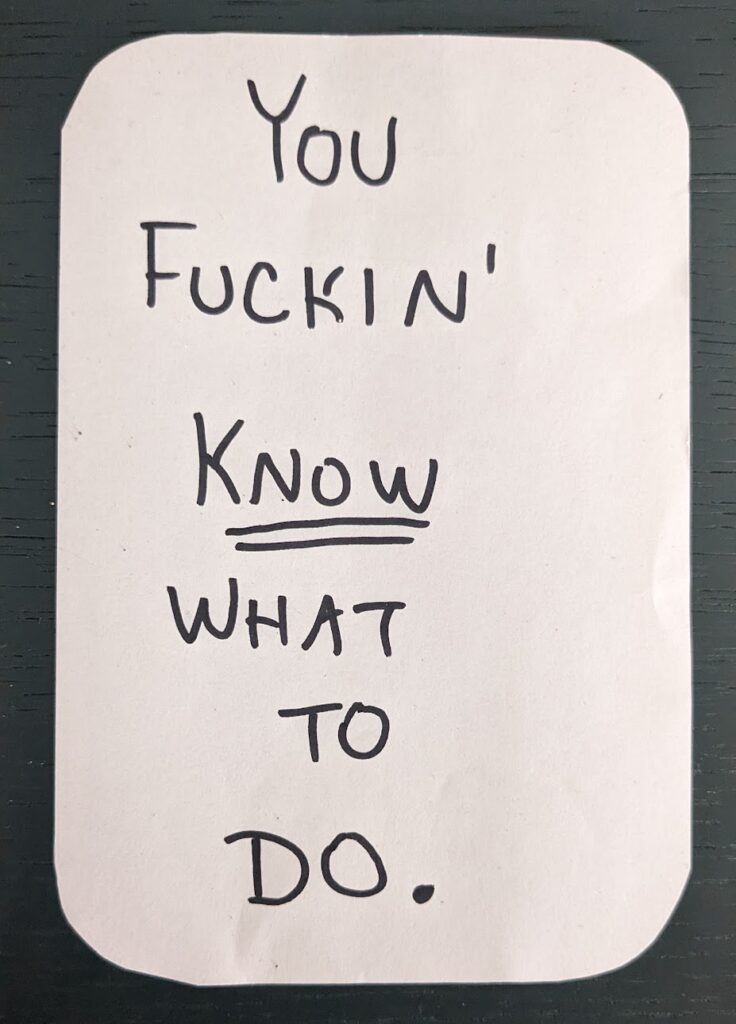
Armed with this perspective, a simple, direct mantra—“You already fucking know what to do”—was written down and placed on a bathroom mirror. The immediate adoption of this uncompromising mindset transformed daily routines. The persistent hesitation around physical training vanished because workouts were no longer dependent on feeling motivated; both the desire to train and the reluctance to train became simultaneous triggers for immediate action.
The physical results of this shifted attitude were swift and measurable. Although weight training had been a familiar pursuit since youth, physical progress had plateaued for years. With the new discipline in place, ten pounds of lean muscle mass were added over a four-month period, restoring the strength and flexibility of a younger adult and leaving joints feeling remarkably resilient.
This same "catch yourself at the moment of hesitation" technique was subsequently applied to other domains, including increasing running frequency, visiting coworking spaces for collaborative work and socialization, and sitting down at the computer to write. While striking the right balance with creative work is essential to avoid burnout or internet fatigue, maintaining the discipline required to produce meaningful output demands active resistance against the pull of easier, more thrilling distractions.
To sustain this momentum, returning regularly to sources of high-intensity inspiration has proven vital. Audiobooks from extreme achievers and neurobiological experts provide an ongoing mental framework to push past comfort zones. While academic critics frequently debate the merits of modern health podcasters or motivational figures, the practical application remains straightforward: absorb the actionable messages that drive personal growth and discard the rest. Aligning with stories of strong, disciplined individuals provides the necessary fuel to accomplish more during each waking day, tailored to the specific demands of this current chapter of life.