

In recent months, a familiar refrain has begun circulating among some long-time followers of the prominent personal finance blog Mr. Money Mustache. Critics online have increasingly taken to social forums and comment sections with the sentiment that the author, known in the personal finance community simply as "Stash," has grown too wealthy and distant to understand the everyday financial struggles of the common person. Skeptics frequently argue that someone of his net worth no longer practices the radical money-saving techniques that launched his platform to fame over a decade ago.
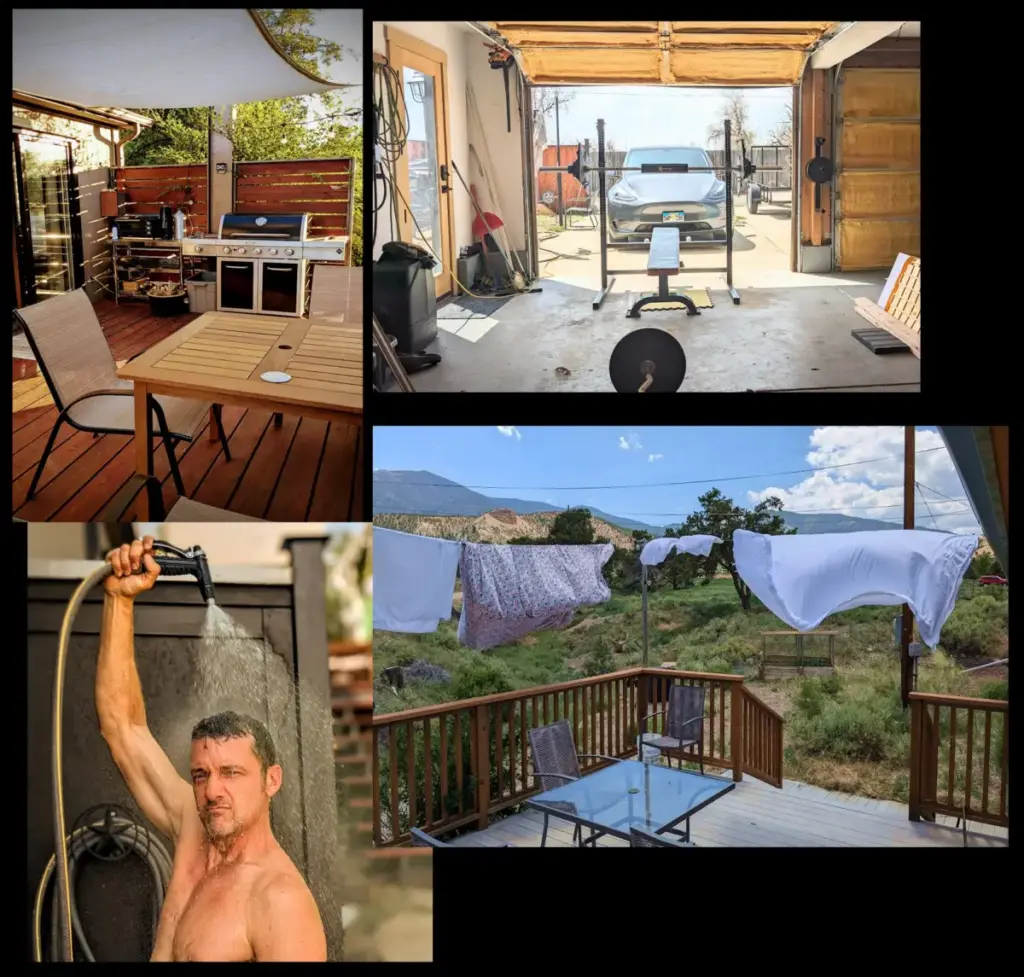
For the man behind the blog, however, these critiques are met with amusement rather than offense. When personal life details are shared publicly online, being misunderstood is simply an occupational hazard. Yet, the author notes that if these critics were able to peer into the genuine day-to-day lives of dedicated "Mustachians," they would quickly realize that the underlying principles are not elaborate conspiracy theories, but practical habits that consistently yield extraordinary financial results.
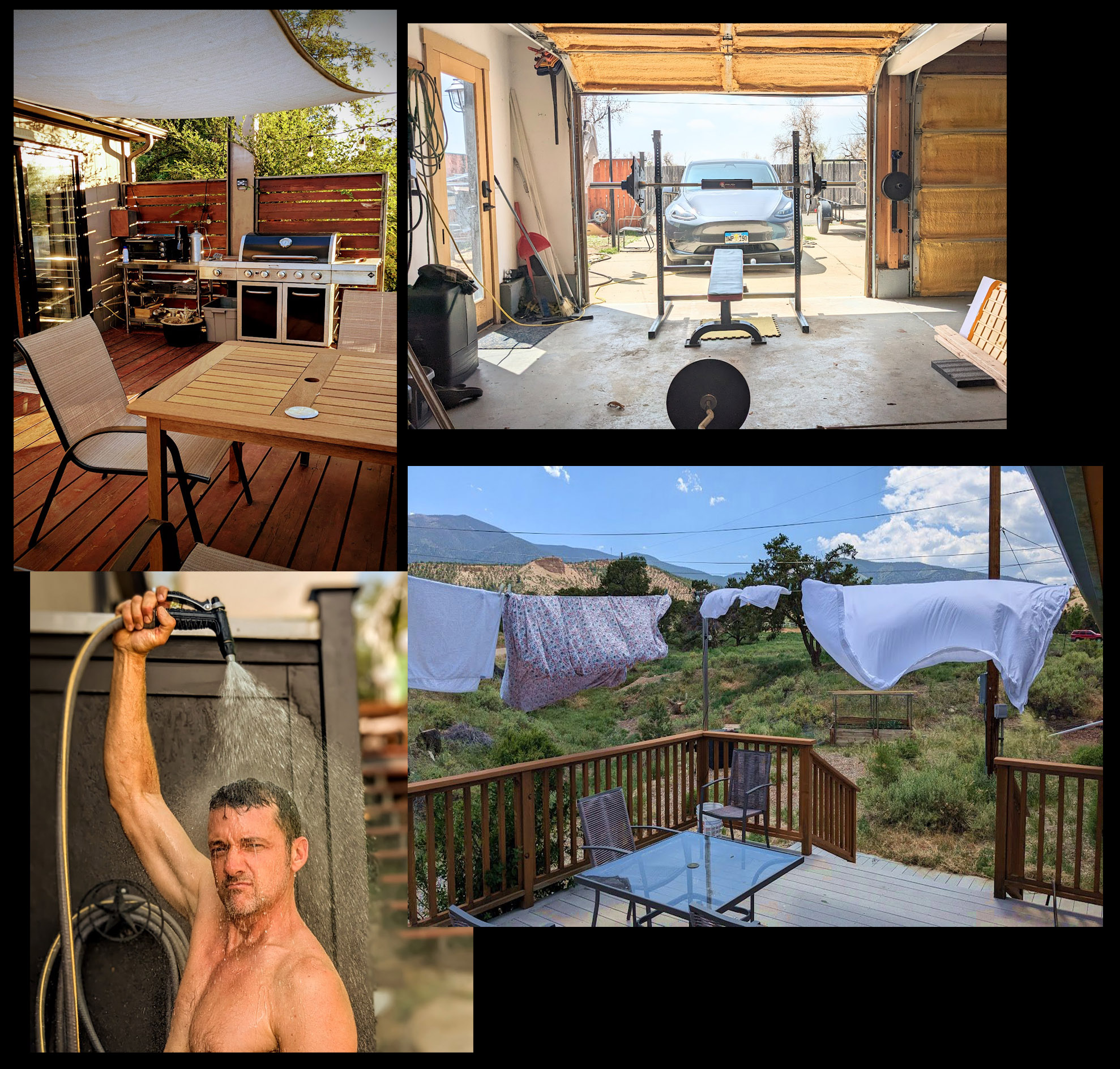
The reality, according to the author, is that very little has changed regarding the foundational philosophy of his lifestyle. Much like countless early-retirement and financial-independence adherents over the past twelve years, his total wealth has grown steadily through disciplined investing. However, much like many long-term practitioners of this lifestyle, he has felt little need to alter his day-to-day spending habits. The core reason is straightforward: from the very beginning, his lifestyle was deliberately designed to maximize personal enjoyment rather than to feel like a grueling exercise in deprivation.
This success, the author suggests, stems from a fundamental divergence between standard financial guidance and the Mustachian philosophy. Conventional financial advice typically encourages individuals to slash spending and endure short-term sacrifices strictly until they hit a specific savings milestone. Beyond that threshold, traditional advisors often suggest that further frugality is unnecessary and merely a matter of personal choice, opening the door to lifestyle inflation and higher consumption once income increases.

In stark contrast, the Mustachian approach focuses on cultivating a deep appreciation for efficiency, creativity, self-awareness, and continuous self-improvement. Adherents use these concepts to enhance their quality of life across the board, finding ways to live better even as their monthly expense rates steadily decline over time.
Putting this philosophy into practice yields tangible results in the author’s modern-day routine. By engaging in activities that bring genuine personal fulfillment—which coincidentally eliminate significant expenses—he demonstrates that the lifestyle remains as active as ever. To measure the long-term impact of these daily choices, the author evaluates them through the lens of decades, utilizing what he terms the "rule of 172." By taking a monthly expense and multiplying it by 172, one can estimate how much that recurring cost would compound into over a ten-year period if invested.
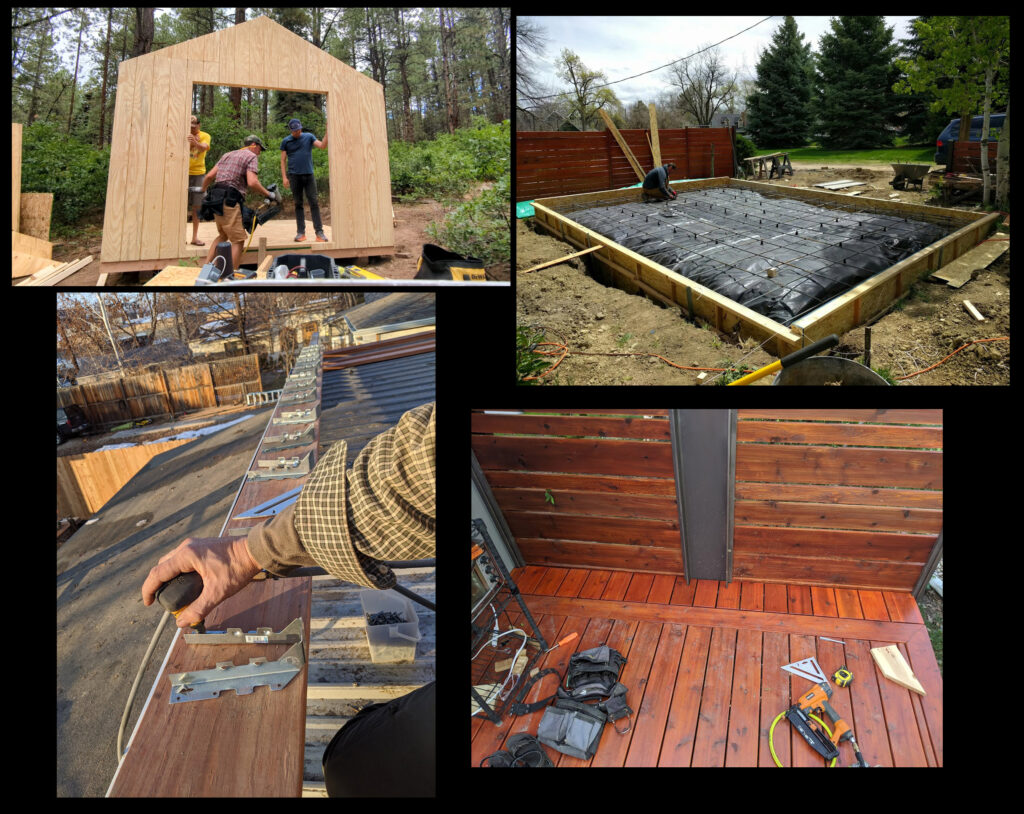
The first major pillar of this ongoing financial strategy involves hands-on home maintenance and construction. Operating on a deep belief in self-sufficiency, the author advocates for building the skills necessary to manage the most critical aspects of one’s life independently, reducing dependence on external contractors and unpredictable market costs. By embracing the philosophy of becoming a producer of the things one most enjoys consuming, he channels his passion for architecture and design into continuous property improvements. Rather than hiring professionals, he spends much of his free time renovating both his own spaces and those of friends, while simultaneously teaching others how to reclaim control over their living environments. This hands-on approach translates to an estimated savings of roughly $20,000 per year, compounding to an impressive $287,000 per decade.
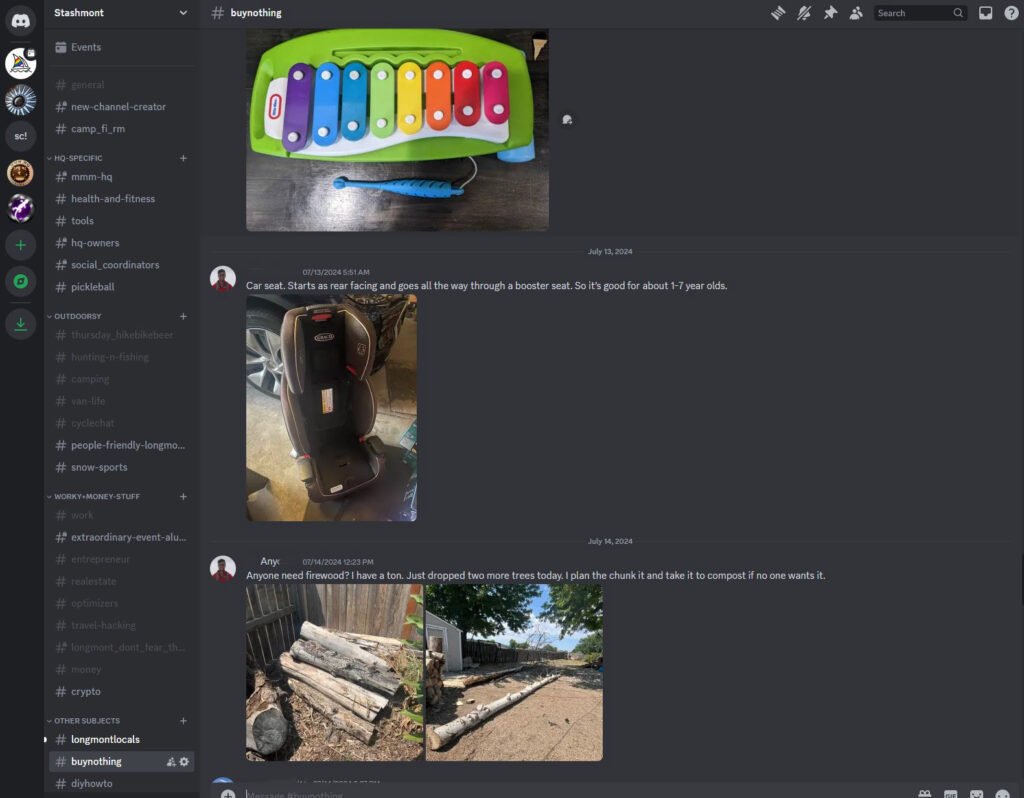
Beyond home improvement, leveraging local community networks and digital marketplaces plays a vital role in curbing unnecessary expenses. While financial stability affords the convenience of purchasing brand-new goods delivered directly to a doorstep, the author argues that finding ways to share, repurpose, and acquire high-quality items from neighbors fosters both environmental sustainability and genuine human connection. Platforms like Craigslist, Facebook Marketplace, and hyper-local groups on NextDoor and Discord serve as vibrant hubs for resource sharing. Within the community connected to the author’s headquarters, a private Discord server allows local residents to exchange valuable items, coordinate collaborative do-it-yourself projects, and give away unneeded goods. This commitment to community-based acquisition and reuse generates thousands of dollars in annual savings, adding up to approximately $42,000 per decade.
Transportation choices remain another cornerstone of the lifestyle, with active transit taking precedence over automobile dependency. Reaffirming long-standing arguments regarding the true cost of commuting, the author points out that operating a car easily incurs substantial expenses per mile when factoring in rapid depreciation, insurance, fuel, and maintenance. By relying on bicycles and walking for the vast majority of local trips within his small city, he keeps automobile mileage remarkably low. Although this active routine accounts for a modest two thousand miles per year, translating to a direct savings of roughly $14,000 per decade, the broader health dividends of human-powered transportation far outweigh the monetary savings alone.
This preference for muscle over motor extends into everyday physical labor. Whenever an opportunity arises to engage in physical exertion rather than relying on automated machinery or paid services, the author consistently chooses the more active path. Whether it is opting for stairs over elevators, walking a golf course instead of riding in a cart, moving heavy furniture independently, or clearing snow and leaves by hand, the guiding question remains simple: does this choice promote greater health and fitness or less? By maintaining an active lifestyle and avoiding the sedentary traps common in modern society, the author notes that his lifetime medical and pharmaceutical costs have remained virtually nonexistent. Conservatively estimating the health and financial benefits yields an estimated savings and productivity boost of $10,000 annually, totaling $140,000 per decade.

Energy efficiency within the home represents another area where personal experimentation merges with financial prudence. Describing his living arrangement as an energy-efficiency playground, the author applies a mix of engineering curiosity and carpentry skills to optimize his household environment. Projects such as strategically modifying structural elements to harness passive solar heat during winter months allow him to dramatically reduce utility consumption. By aligning his daily habits with the natural rhythms of the local climate, his household utility bills remain a fraction of the regional average. Despite the hands-on effort involved, these efficiency measures save roughly $30,000 per decade while maximizing personal enjoyment.
Finally, a deliberate preference for local living over constant travel rounds out the author’s routine. While acknowledging that travel is a valuable tool for broadening life experiences, the constant pressure to vacation frequently during peak seasons often leaves families exhausted and financially strained. By consciously declining distant trips in favor of savoring time at home, cultivating local friendships, and enjoying nearby natural surroundings, families can protect both their well-being and their bank accounts. Pruning even a couple of major vacations per year in favor of local engagement can save thousands in direct travel costs alongside incidental health and social benefits, compounding to an estimated $143,000 per decade.

When tallied together, these six everyday habits account for a staggering financial impact that exceeds $656,000 over the course of a decade. This figure more than doubles the median wealth accumulated by the average American senior citizen approaching retirement after forty years in the traditional workforce. For the author, these substantial financial gains are not the result of agonizing sacrifice, but rather the natural byproduct of living a curious, engaged, and efficient lifestyle—proving that the foundational tenets of financial independence continue to deliver results long after the initial retirement date has passed.