


To the general public, the name Peter Max instantly evokes the vibrant, kaleidoscopic aesthetics of the 1960s counterculture. Renowned for his vivid style, distinctive lines, and bold color combinations, Max emerged as a defining visual architect of an era defined by pop art, psychedelic exploration, and a collective yearning for peace and expanded consciousness. His iconic posters, paintings, and designs captured the imagination of a generation, cementing his status as a legendary figure in contemporary American art. Yet, away from the easel and outside the bustling galleries of New York City, Max harbored a devotion that ran just as deep, and perhaps even more profound, than his commitment to his craft: a lifelong, unyielding passion for animal rights.
Long before animal advocacy entered the mainstream cultural conversation, Max was quietly and passionately championing the cause of the vulnerable, the voiceless, and the overlooked. His journey as an activist was not born out of a sudden political awakening later in life, but rather from a deeply personal, foundational sorrow experienced during his early childhood—a profound loss that would shape his worldview and artistic ethos for decades to come.
Born in Germany in 1937, Max and his family faced the terrifying reality of the rise of Nazi Germany. In 1938, amidst mounting persecution and peril, his family fled their homeland, ultimately finding refuge in Shanghai, China, where they lived for the next ten formative years. It was during this turbulent period of displacement, uncertainty, and constant movement that Max formed his first deep emotional bond with an animal. He had a beloved cat who became his dearest companion, a source of comfort and stability in an otherwise unstable world.
However, the family was forced to relocate once again, and circumstances dictated that they had to leave Shanghai. Tragically, Max had to leave behind his best friend, his cat. The memory of that parting remained a raw, open wound in his heart for the rest of his life. He later recounted the heartbreak of that moment with visceral clarity, describing an overwhelming grief that defied his young age. “I cried for hours and hours,” he recalled years later, remembering the profound devastation of the separation. “I was out of my mind with it, sad, sad, sad.” That early experience of parting from a cherished animal companion planted the seeds of an empathy that would eventually expand to encompass all living creatures.
As Max grew into young adulthood and his artistic career began to take root and flourish, his spiritual and philosophical outlook evolved in tandem with his creativity. In his twenties, a pivotal encounter changed the trajectory of his daily life and deepened his ethical commitments. He met Swami Satchidananda, a revered spiritual teacher who introduced Max to contemplative practices such as yoga and meditation. Through these disciplines, Max developed a heightened sense of interconnectedness with the universe, realizing that human beings share the earth with a vast multitude of sentient beings who experience pain, joy, and fear just as people do. This realization led him to embrace vegetarianism, cutting meat from his diet as a conscious step toward minimizing his footprint of harm.
His evolution toward a completely compassionate lifestyle continued when he crossed paths with Dr. Joel Fuhrman, the renowned physician and author of the bestselling health and nutrition book Eat to Live. Inspired by Dr. Fuhrman’s scientific and nutritional insights regarding plant-based living, Max took the next logical step in his ethical journey and transitioned to a fully vegan lifestyle, eschewing all animal products in his daily life. For Max, this was not merely a dietary choice or a wellness trend; it was a moral imperative rooted in respect for life.
What set Max apart in his advocacy was the sheer scale of his empathy, which recognized no hierarchy of worth among living creatures. To Max, no animal was too big or too small for consideration, protection, and respect. While many people might limit their protective instincts to charismatic mammals or household pets, Max’s compassion extended to the absolute margins of the animal kingdom, embracing even the smallest insects with tenderness and reverence.
In an interview with Vegetarian Times magazine, Max offered a striking glimpse into this everyday practice of radical empathy, sharing a habit that illuminated his worldview. “If I see a bug crawling on the floor, I rush to the bug before my kitties get to him,” Max explained. “I pick him up, take him to the park, and let him out where there are green plants and maybe a little bit of water so he doesn’t have to walk too far. I feel so good every time I do it. I tell you, it’s an overwhelming feeling. The bug is so small, and the feeling so huge.”
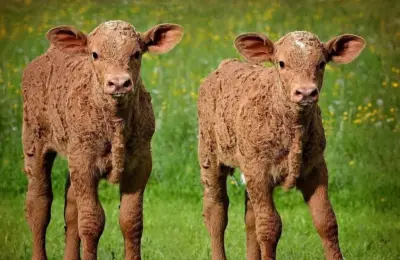
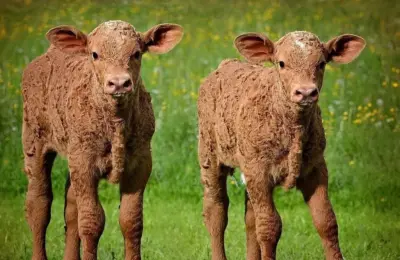
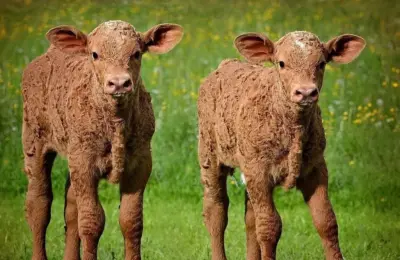
This profound tenderness was matched by a willingness to use his considerable cultural capital and artistic fame to intervene in high-stakes situations. Perhaps one of the most remarkable demonstrations of his activism occurred in 2002, when Max used his influence to secure sanctuary for a runaway cow who had captured the hearts and headlines of the nation. The animal, later named Cincinnati Freedom, had pulled off a daring escape from an Ohio slaughterhouse, leaping over a six-foot fence and successfully eluding police and agricultural authorities for eleven days before she was finally captured.
As the cow faced an uncertain and grim fate, public attention focused on her remarkable bid for survival. Sensing an opportunity to save a life, Max stepped in with a direct plea. He offered to donate his valuable artwork in exchange for the cow’s absolute release, leveraging his artistic renown to negotiate her freedom. Thanks to Max’s generosity and intervention, the slaughterhouse agreed to the terms, sparing the animal’s life. Cincinnati Freedom was transported to a safe haven, where she lived out the rest of her natural days in peace, safety, and tranquility at a dedicated farmed animal sanctuary—a living testament to the power of art to bridge the gap between exploitation and liberation.
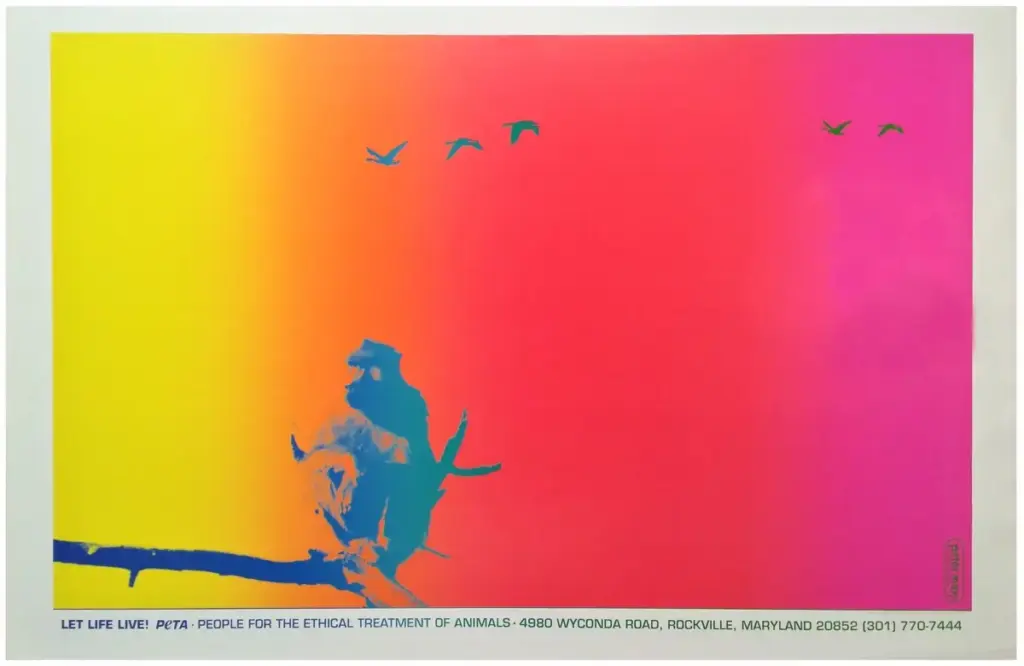
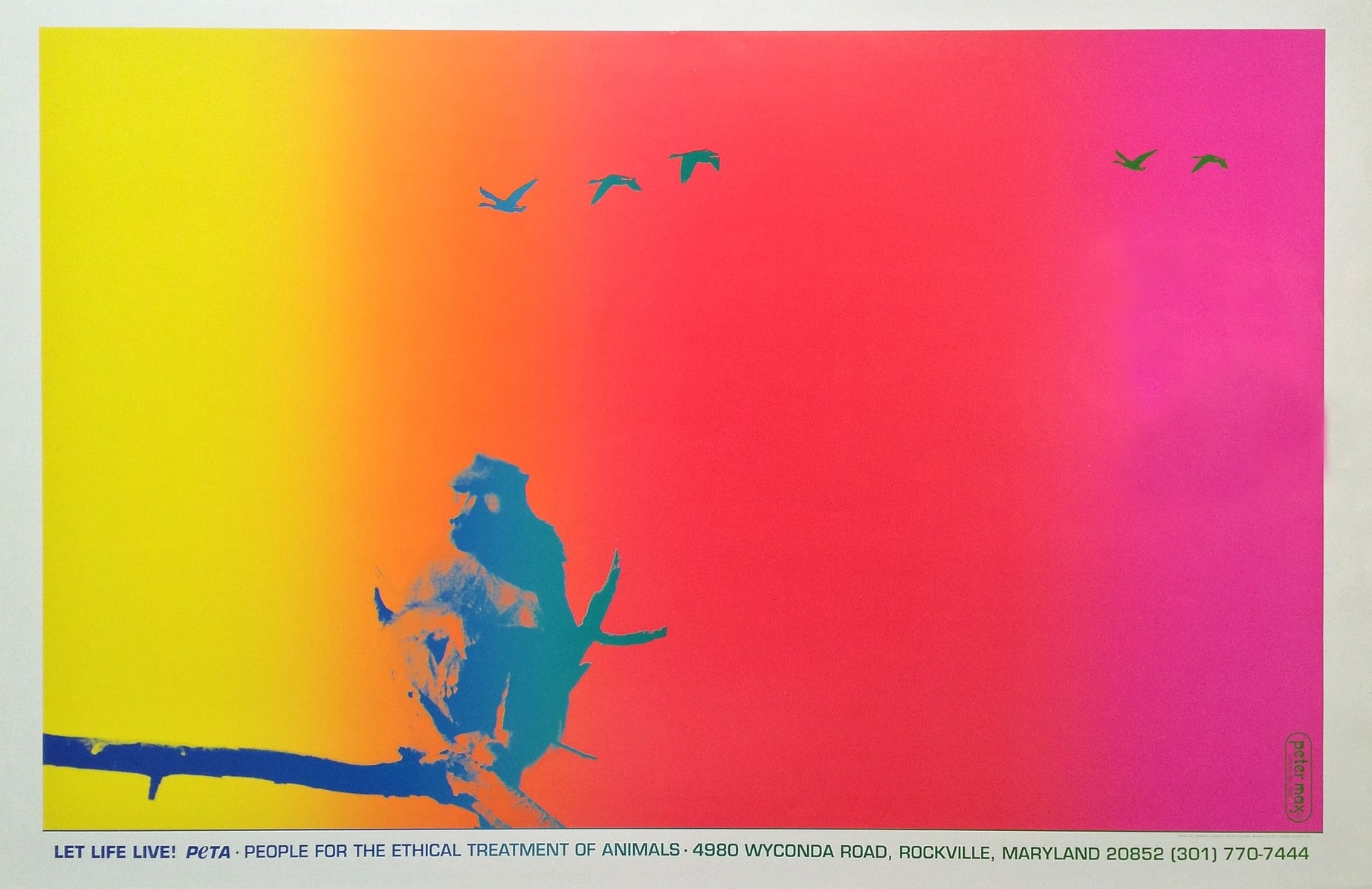
This daring rescue was far from an isolated incident. Throughout his life, Max frequently lent his creative talents to animal protection organizations, viewing his artwork as a natural vehicle for spreading the message of compassion. In 1988, he created a special, vibrant poster for People for the Ethical Treatment of Animals (PETA) to commemorate their Second Humanitarian Awards Gala, with all proceeds from the initiative directly benefiting the organization’s ongoing advocacy and rescue work. In recognition of his enduring dedication, PETA honored Max with a humanitarian award at the event, celebrating his long-standing commitment to the rights and welfare of animals.
When reflecting upon his decades of artistic output, cultural influence, and public life, interviewers would frequently ask Max to identify the single cause that remained closest to his heart. Amidst a life filled with creative achievements, accolades, and cultural milestones, Max never hesitated in his response.
“I’m completely an animal rights person,” he stated plainly. Expressing the core philosophy that guided his actions both grand and small, he added, “I would like animals not to suffer so much at the hands of humanity. I believe that in due time, human beings will respect other animals.”