

Dehydrated pet food has occupied a unique and rapidly growing niche in the pet care industry. By removing moisture from whole-food ingredients, manufacturers are able to offer pet owners a product that combines the shelf-stable convenience of traditional kibble with many of the nutritional benefits associated with fresh or raw diets. However, as the popularity of these minimally processed diets rises, veterinary nutritionists are emphasizing a critical but often overlooked aspect of feeding: the preparation process itself.
According to experts, preparing dehydrated dog food is not a matter of guesswork or casual estimation. Using a single, remembered water-to-food ratio across different products can lead to nutritional imbalances, digestive issues, or unintended weight changes. Because different formulations have distinct ingredient profiles, densities, and dietary roles, pet owners must treat the product label as an exact, scientific recipe.
To help clarify this process, Vetstreet, in partnership with pet-nutrition brand The Honest Kitchen, has outlined the essential steps for preparing dehydrated food safely and effectively. While The Honest Kitchen maintains sponsorship of this informational overview, Vetstreet retains complete editorial control, utilizing independent veterinary and pet-nutrition sources alongside current product data to ensure accuracy.
Understanding Product Roles and the Danger of the Universal Ratio
The most common mistake pet owners make when transitioning to dehydrated food is assuming that all formulas are prepared the same way. In reality, a complete recipe, a base mix, a topper, and a supplemental broth serve entirely different nutritional purposes, and their preparation instructions reflect these differences.
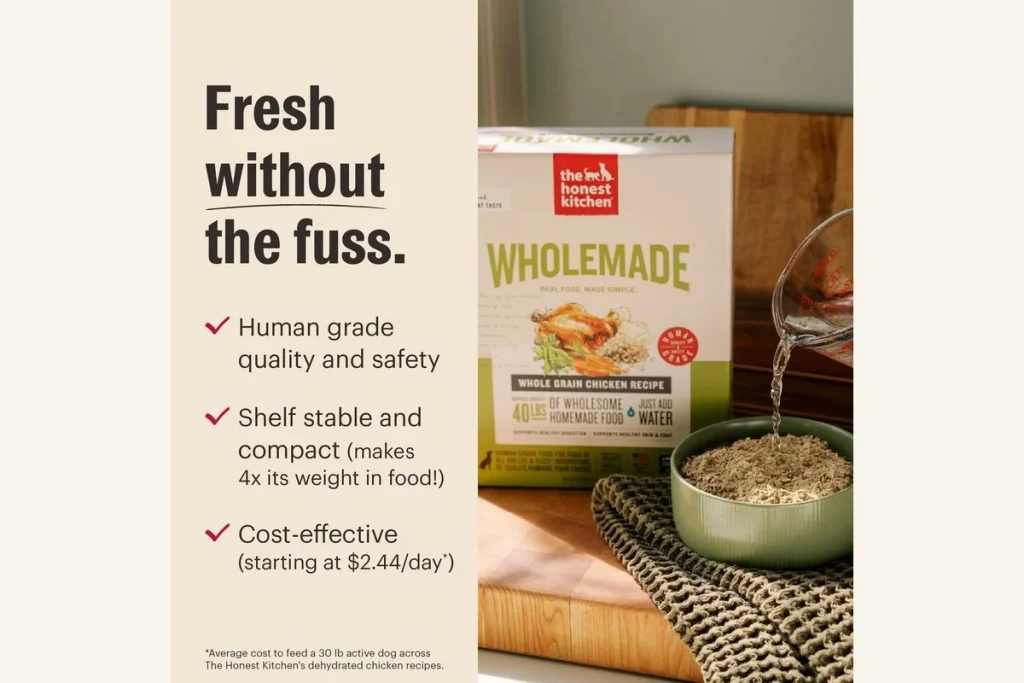
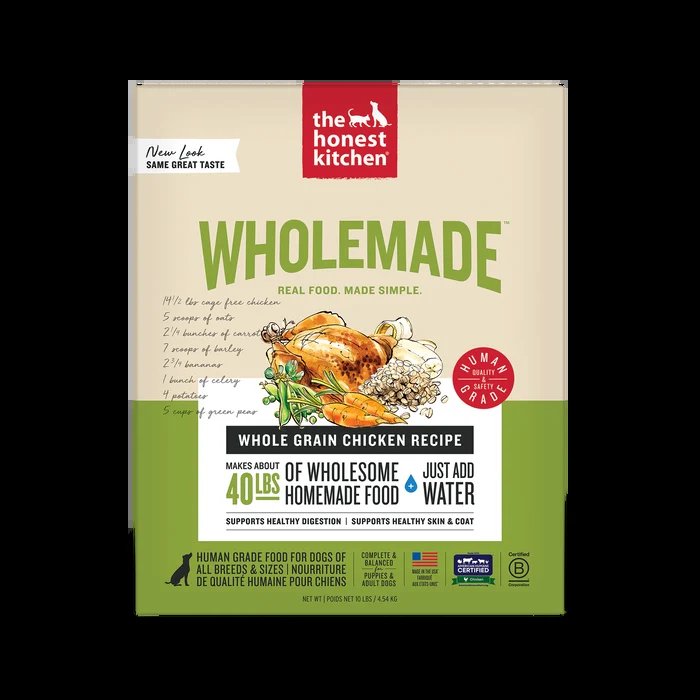
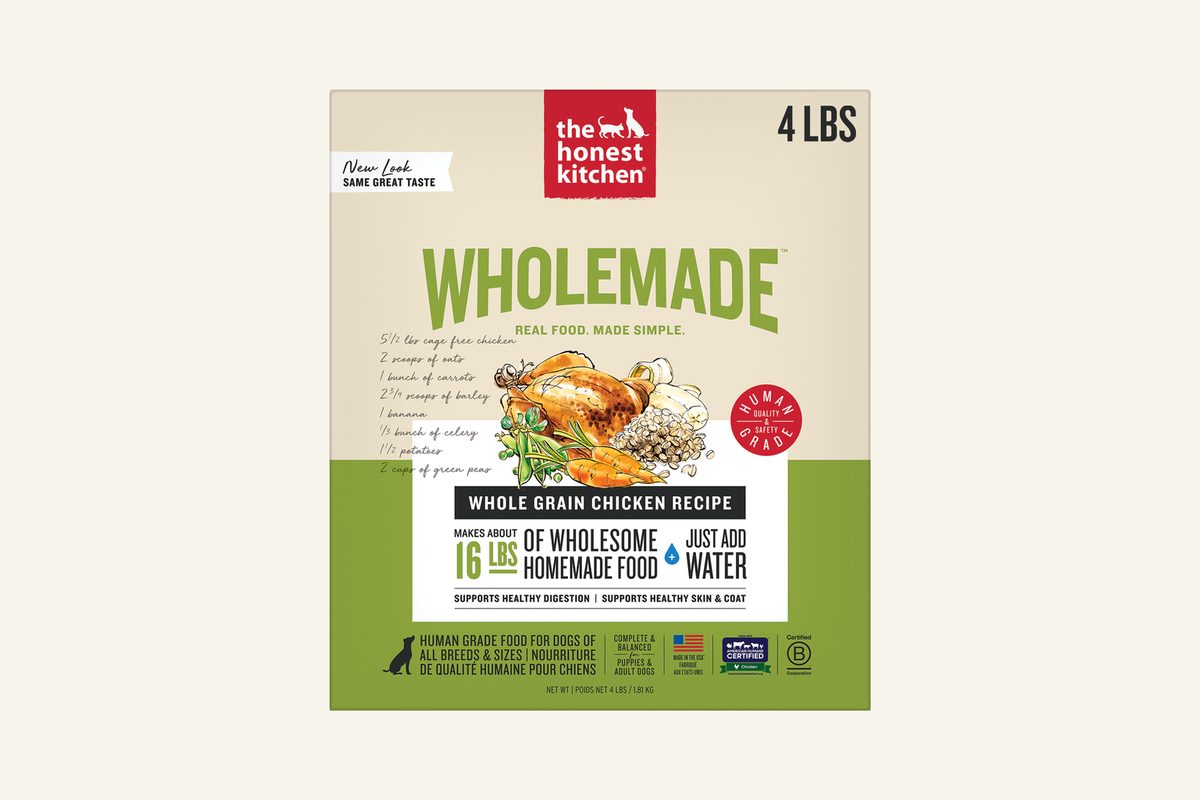
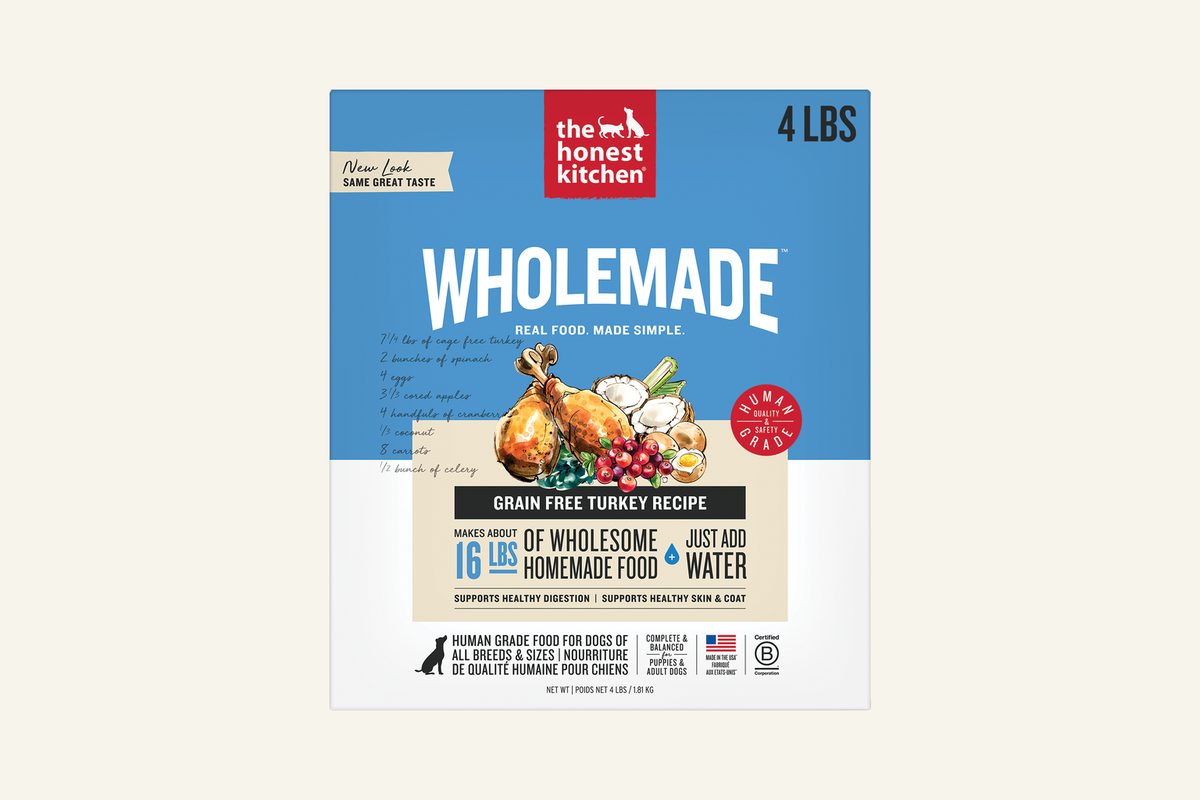
A complete dehydrated recipe, such as The Honest Kitchen’s Wholemade Whole Grain Chicken or Grain Free Turkey, is formulated to serve as a dog’s primary daily meal. These recipes are designed to meet specific nutritional adequacy standards established by organizations like the Association of American Feed Control Officials (AAFCO). The Food and Drug Administration (FDA) emphasizes that for a pet food to be marketed as "complete and balanced," it must contain all the necessary nutrients in the correct proportions for the animal’s life stage.
Conversely, a base mix is not a complete meal on its own. It is designed as a nutritional foundation that requires the pet owner to add a fresh source of protein, such as cooked beef, turkey, or fish, as specified on the label. Serving a dry base mix without these additions can deprive a dog of essential amino acids and other vital nutrients.
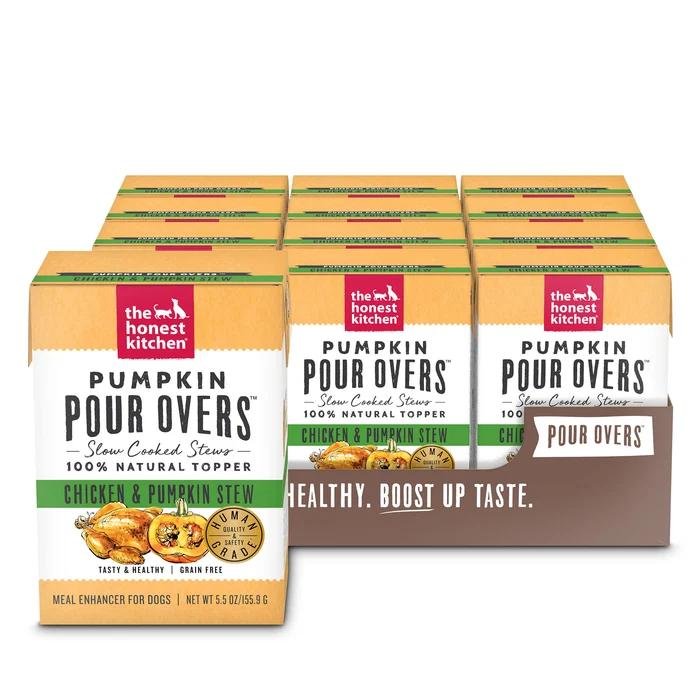
Toppers and broths serve a different purpose altogether. These supplemental products are designed to add flavor, texture, or moisture to an existing complete diet. Because they are not nutritionally complete on their own, they must be fed in limited quantities to prevent diluting the nutritional value of the dog’s primary food or introducing excessive calories. Because these product categories are not interchangeable, there is no single, responsible water-to-food ratio that applies to every product in a brand’s lineup.

The Critical Importance of Precise Dry Measurement
Once a pet owner has identified the specific product and its intended role in the dog’s diet, the preparation process begins with precise dry measurement. The feeding chart on the product packaging serves as the baseline, offering serving recommendations based on the dog’s weight, age, and activity level.
Veterinary professionals point out that these charts are starting points rather than rigid rules. A dog’s caloric needs can fluctuate significantly depending on its life stage. Puppies, active working dogs, pregnant or lactating females, and senior dogs all have unique metabolic demands. For instance, while senior dog formulas often emphasize joint support and weight management, a senior label alone does not guarantee a recipe is appropriate for an individual older dog’s specific health profile, such as kidney or dental needs.
When measuring dry food, pet owners should use a standard, level measuring cup. Packing the food tightly or leaving a large mound at the top of the cup can significantly increase the calorie count of the meal. If the package includes a specific scoop, owners should verify its exact volume, as scoops from different products or brands are rarely uniform.
To maintain consistency, especially in households where multiple family members share feeding duties, experts recommend writing down the exact dry-food and water measurements for the current recipe. Posting these numbers near the food storage bin prevents reliance on memory, which can easily fail when switching between different bag sizes or formulas. If a package is damaged or the feeding chart becomes unreadable, owners should refer to the manufacturer’s official product page or contact customer service directly rather than guessing.
The Science of Hydration and Why Water Temperature Matters
The second step in the preparation sequence is adding water, which must be measured just as carefully as the dry food. Estimating the water amount by holding the bowl under a running faucet defeats the purpose of precise measurement and can result in a meal that is either too dry or overly diluted.
The temperature of the water used is highly influential in the rehydration process. The general recommendation is to use warm water, which helps the dehydrated ingredients absorb moisture quickly and evenly. Warm water also enhances the natural aromas of the food, making the meal more appealing to the dog.
Using boiling or extremely hot water should be avoided, as it presents a risk of thermal burns to the dog’s mouth and can degrade heat-sensitive vitamins and nutrients within the food. Conversely, cold water can slow down the rehydration process, occasionally leaving the food with an uneven, gritty texture or making the final meal unappealingly cold.
When preparing a base mix, this is also the stage where the required fresh proteins or other prescribed ingredients must be added. For toppers and broths, the mixing instructions are typically designed to add hydration and aroma without overwhelming the base kibble. If a dog has a specific medical condition that requires a veterinary fluid or calorie plan, owners should consult their veterinarian before altering the water-to-food ratio, as changing the moisture content can affect overall nutrient density.
Implementing a Gradual 7-to-10-Day Transition
Introducing a dehydrated diet requires a patient, structured transition period to allow the dog’s digestive system to adapt. Even high-quality ingredients can cause temporary gastrointestinal upset if introduced too abruptly. The Honest Kitchen and veterinary nutritionists generally recommend a gradual transition spanning seven to ten days.
During the early days of the transition, the meal should consist primarily of the dog’s former food, with only a small portion of the newly prepared dehydrated food mixed in. Owners should closely monitor their dog’s appetite, stool consistency, and comfort level.
By the middle of the transition period, the ratio can be adjusted to roughly equal parts of the old and new food, provided the dog’s digestion remains stable. In the final days, the portion of the old food is steadily phased out until the dog is eating the intended amount of the dehydrated recipe.
If at any point during this transition the dog experiences persistent diarrhea, vomiting, lethargy, or a refusal to eat, the transition should be paused, and a veterinarian should be consulted. Keeping other dietary variables—such as new treats or supplements—steady during this time makes it much easier to identify the source of any digestive issues.
Rehydration Mechanics: The Three-Minute Wait and Troubleshooting
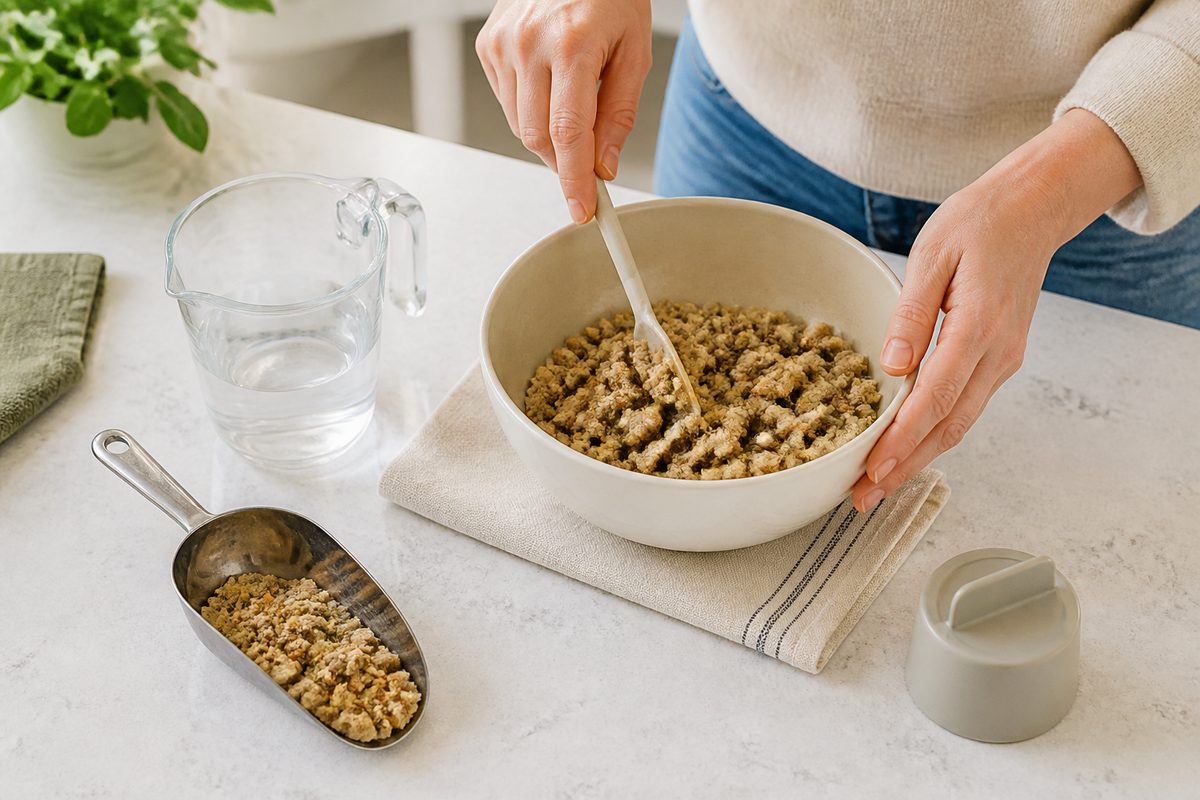
After the correct amounts of dry food and warm water are combined, the mixture must be stirred thoroughly. Pet owners should use a spoon or utensil to scrape the sides and bottom of the bowl, breaking up any dry pockets of food to ensure that moisture reaches all of the ingredients.
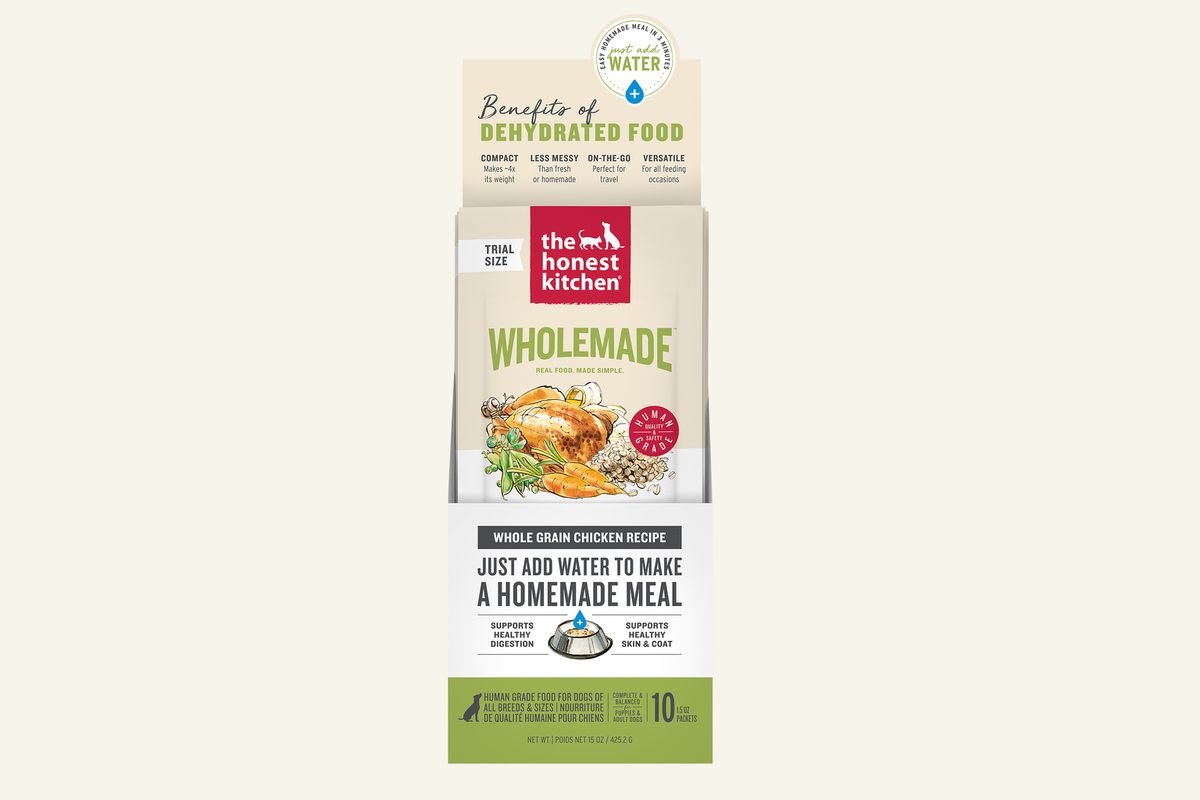
Once stirred, the food must sit undisturbed. The standard wait time for most dehydrated formulas is three minutes. This pause is a crucial mechanical step, allowing the dehydrated vegetables, grains, and meats to fully absorb the water, expanding to their natural volume and settling into a soft, digestible texture.
During this three-minute wait, the food should be kept out of reach of eager pets, particularly if the water used was warm. After the timer ends, a quick second stir is recommended to check for any remaining dry clumps.
If the final texture is thicker than expected, owners should double-check their measurements before adding more water. If the measurements were correct, a small, controlled amount of additional warm water can be stirred in to achieve the desired consistency. If the mixture appears too thin, the food may simply need to sit for an extra minute or two to finish absorbing the liquid; adding extra unmeasured dry food to thicken the mixture should be avoided, as this adds uncounted calories to the bowl.
Serving Safety, Storage Standards, and Topper Mathematics
Before placing the bowl on the floor, owners should perform a quick temperature check to ensure the meal is comfortably warm but not hot. Uneaten prepared food should not be left at room temperature for extended periods, as moist food can quickly become a breeding ground for bacteria.
If a dog does not finish its meal, the leftovers can be stored. According to general safety guidelines, prepared dehydrated dog food can be kept in a sealed container in the refrigerator for three to four days. Any prepared food showing signs of spoilage, mold, or an unusual odor must be discarded immediately.
For dry storage, the product should remain in its original packaging in a cool, dry place. Retaining the original bag is highly recommended because it keeps the lot code, best-by date, and ingredient list readily accessible in the event of a product inquiry or recall. The FDA’s pet food storage guidelines also recommend washing and drying all scoops and storage containers regularly to prevent oil buildup and contamination.
When using dehydrated food as a topper or in a mixed-feeding regimen, owners must account for the additional calories. Simply adding a prepared topper on top of a full daily ration of kibble will lead to overfeeding and gradual weight gain. To maintain a healthy body condition, the caloric value of the topper must be calculated, and a corresponding amount of the primary kibble must be removed from the meal.
Ultimately, successful feeding relies on consistency and observation. By treating the product label as a precise recipe and maintaining a disciplined preparation routine, pet owners can ensure their dogs receive the full nutritional and hydration benefits that dehydrated pet food is designed to provide.