



The global pushback against the mohair industry has gained significant momentum as iconic toy retailer FAO Schwarz officially banned the material from its supply chain. The decision comes on the heels of comprehensive investigations conducted by PETA Asia, which exposed widespread cruelty, violence, and neglect inherent in mohair production. The announcement by FAO Schwarz arrived just hours before animal rights supporters were scheduled to stage a high-profile protest outside the company’s flagship store in New York City, complete with a giant, symbolic "bloody" teddy bear.
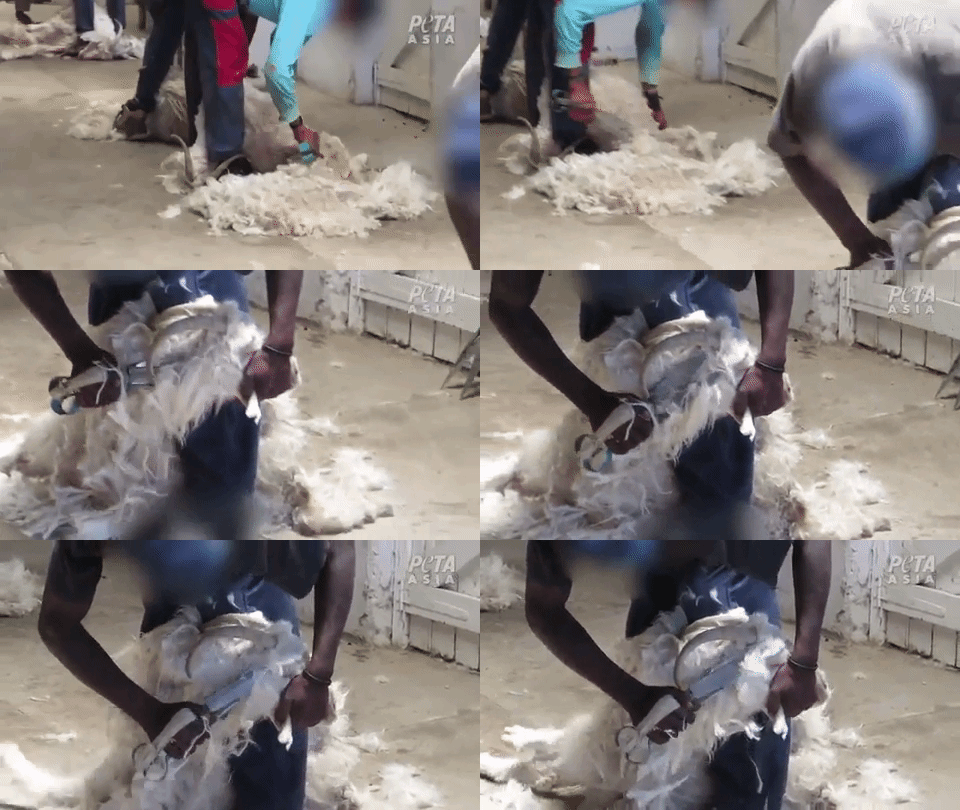
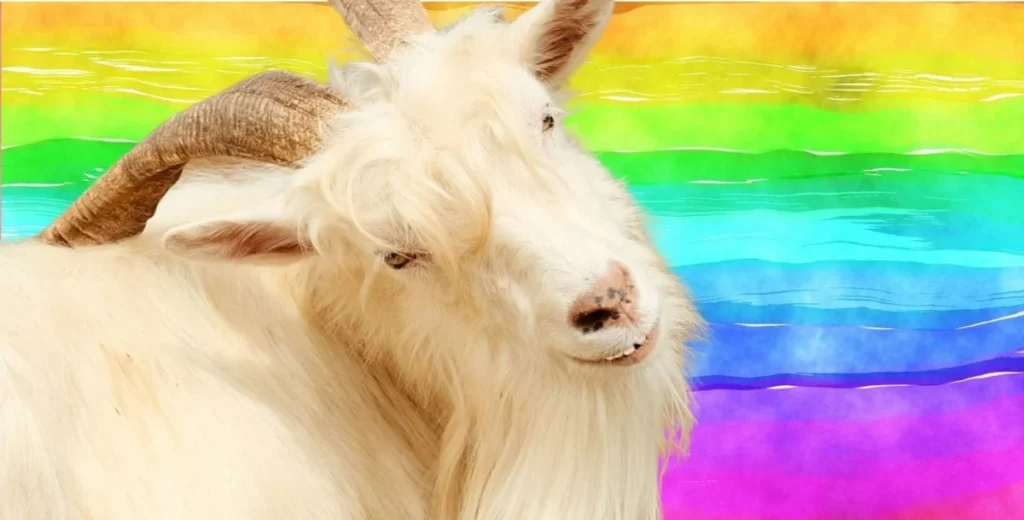
With this move, FAO Schwarz joins an expanding roster of major international brands—including Adidas, Columbia, Gap, UNIQLO, and Zara—that have turned their backs on mohair. The material, derived from the hair of Angora goats, is commonly utilized in the manufacturing of luxury sweaters, warm blankets, craft yarn, and plush children’s toys. As more corporations review their sourcing ethics in light of mounting evidence regarding animal welfare violations, consumer advocacy groups are urging the public to take personal pledges to permanently boycott products containing mohair.
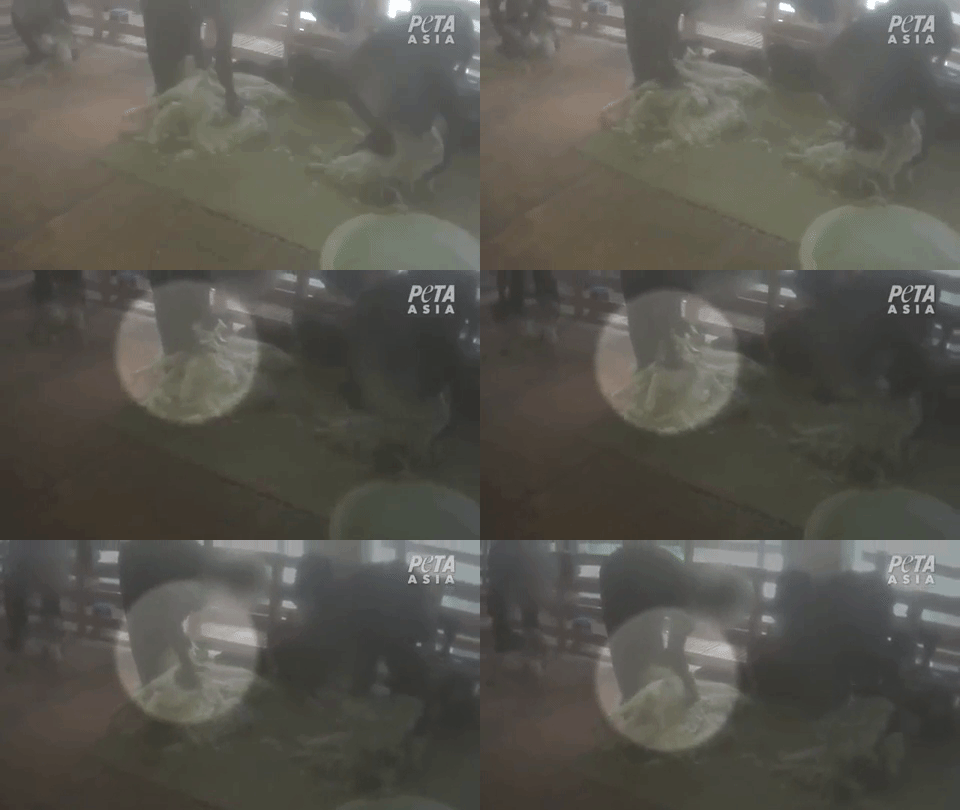
The systemic cruelty documented in the industry primarily stems from South Africa, which stands as the world’s leading producer of mohair. PETA’s undercover exposés inside South African shearing facilities revealed a harrowing environment where vulnerable animals are subjected to routine abuse and rough handling by workers who view them merely as commodities. Because shearing personnel are typically compensated based on the volume of hair they harvest rather than an hourly wage, immense financial pressure drives them to rush through the process at a frantic pace, resulting in severe physical trauma for the animals.
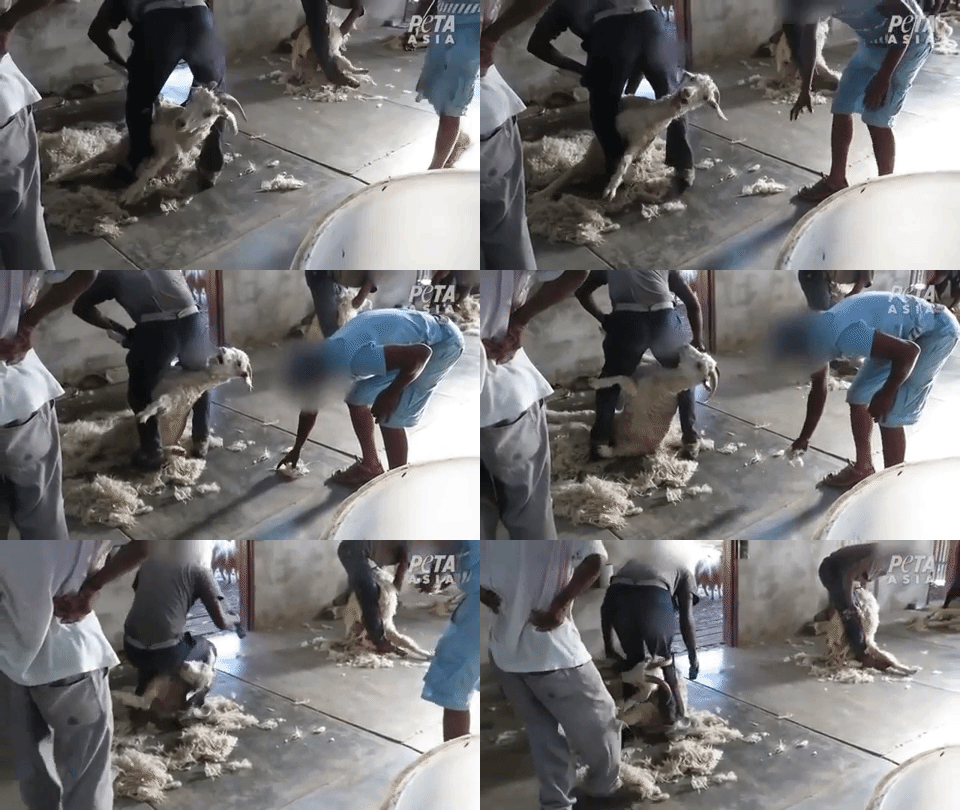
Video footage and photographic evidence gathered during the investigations detailed numerous instances of extreme violence. In several documented cases, workers lifted Angora goats off the floor entirely by their tails, a practice that likely causes spinal fractures and excruciating pain. When individual goats panicked or attempted to struggle against the restraint, shearers responded by forcefully sitting on top of their bodies. Workers were also documented physically throwing goats across the shearing sheds, as well as cutting the throats of animals deemed no longer useful to the production cycle.
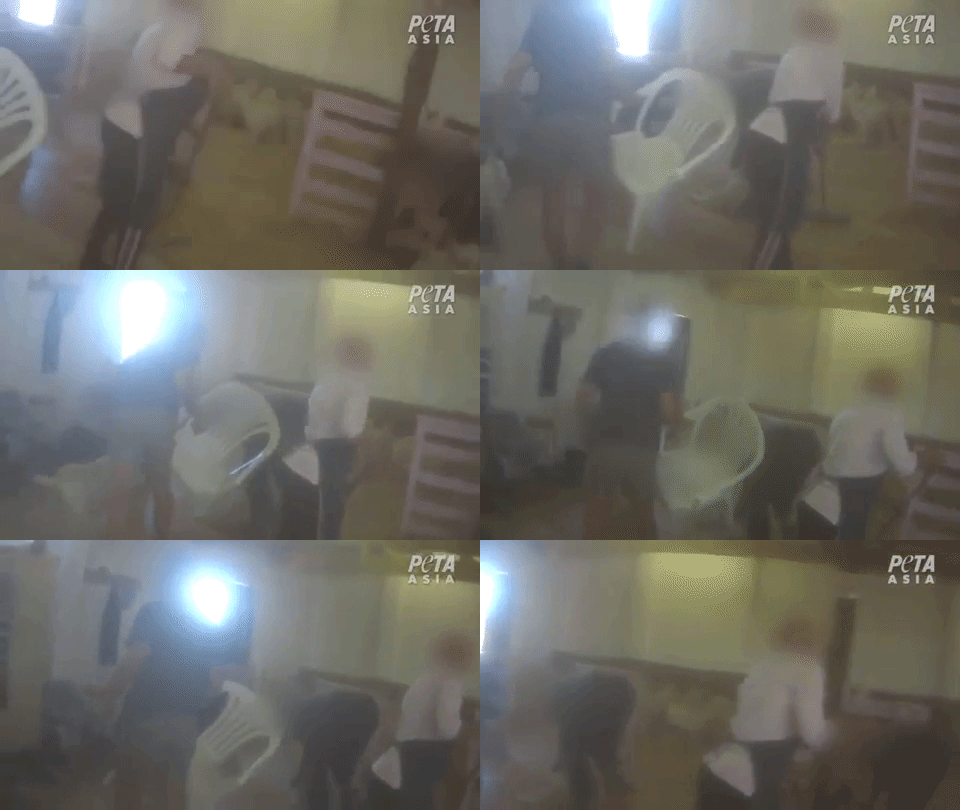
The lifecycle of an Angora goat in the commercial mohair trade is brutally short. Once the animals fail to maintain peak profitability levels, the industry routinely kills them—often years before they would reach the end of their natural life expectancy. During the actual harvesting process, the combination of extreme haste and poor technique leaves countless goats with deep cuts, open wounds, and profuse bleeding.
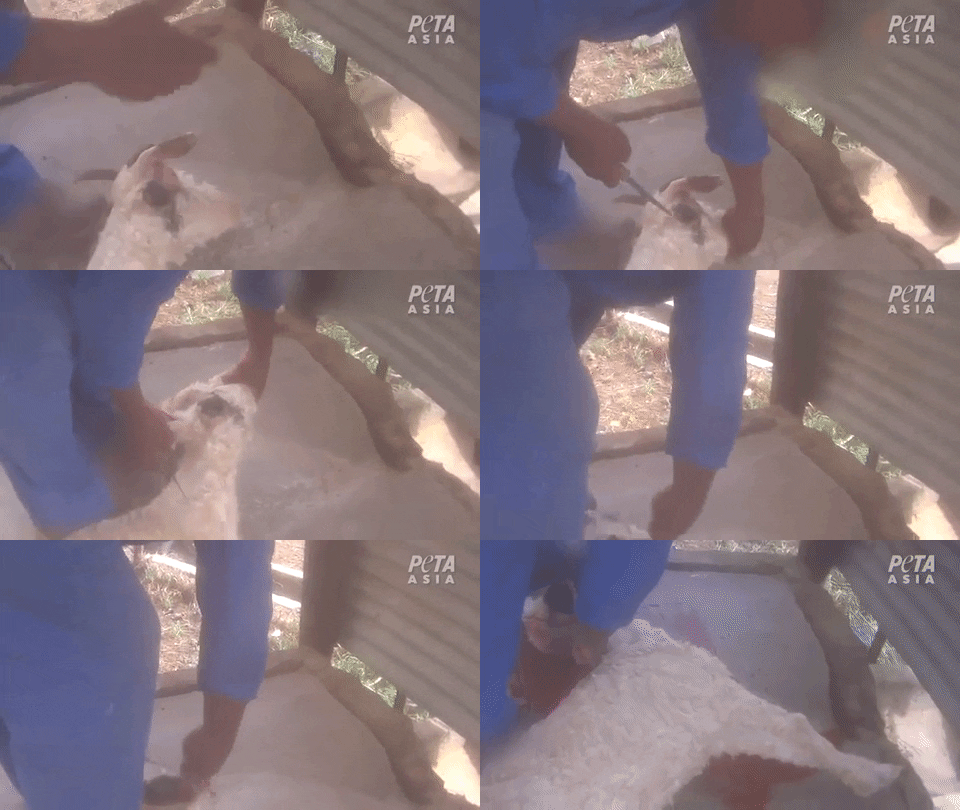
Even young animals are subjected to the traumatic environment. Goat kids undergoing their first shearing experience were documented crying out in absolute fear. Beyond the shearing shed, workers routinely mutilated the ears of the goats using heavy pliers designed to punch sharp needles through the cartilage, inducing intense and prolonged pain. One farmer interviewed during the investigation chillingly remarked that the goats "scream terribly" during the procedure.
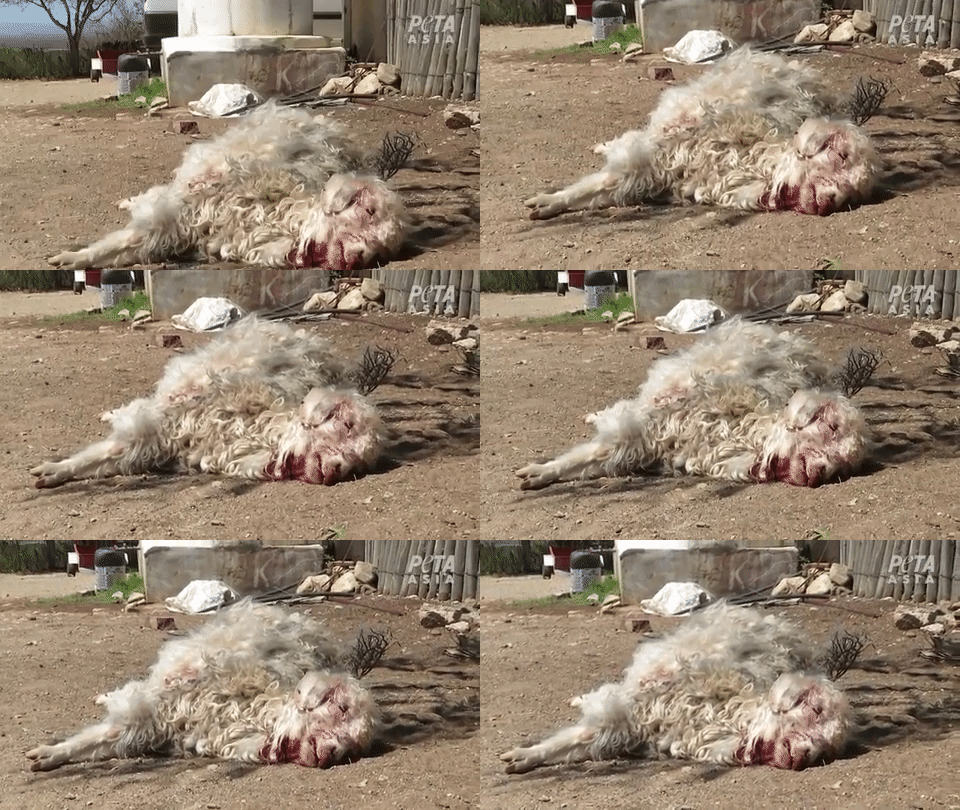
This documented reality has transformed public perception and corporate policy regarding mohair, prompting dozens of prominent retailers to reevaluate their supply chains and adopt permanent bans. While the decision by FAO Schwarz and other retail giants represents a major milestone for animal welfare advocacy, organizations emphasize that the fight to protect Angora goats is far from over. Campaigns are actively continuing to target remaining holdouts in the retail and toy industries, with advocates currently pressing companies such as Steiff to immediately cease the sale of mohair products and align with industry standards of ethical corporate responsibility.