


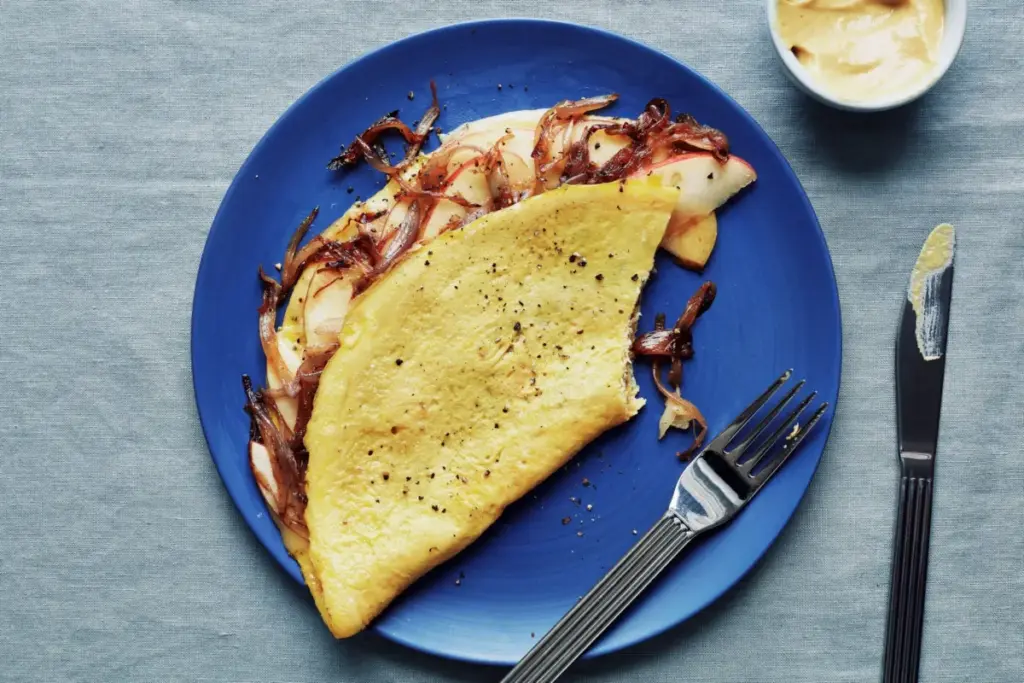
When left to one’s own devices for dinner, the culinary calculus changes entirely. Elaborate multi-step preparations designed to impress a dinner party or satisfy a bustling household suddenly lose their appeal. Instead, comfort and simplicity take center stage. For many solo diners, there is really only one dish that truly satisfies this specific evening craving: a classic, unpretentious omelet.
Perhaps most people are more familiar with ordering omelets alongside sizzling strips of bacon and golden hash browns during a weekend brunch excursion, but the humble omelet is, in fact, remarkably well-suited for the very end of the day, and ideally prepared for just one person. From a practical standpoint, omelets are best executed one at a time, ensuring precise heat control and structural integrity, and they are ideally eaten immediately upon leaving the pan, piping hot and tender.
Taking a cue from traditional diner-style preparations by incorporating heavier, more substantial fillings—after all, this is dinner, not a fleeting morning snack—the technique is kept intentionally straightforward. The eggs are simply folded in half once they have set properly in the pan, eliminating the need to fuss over delicately rolled French-style versions after a long day of work and responsibilities.
Choosing the right equipment can make all the difference when executing a quick solo meal. For those who happen to own a well-seasoned carbon-steel pan, an evening omelet provides the perfect excuse to put it to work. When properly heated, the surface of a carbon-steel skillet becomes totally nonstick, offering the distinct advantage of allowing the use of metal cooking tools to maneuver and fold the eggs without any risk of scratching or damaging the cookware. That being said, a traditional nonstick skillet works just as swimmingly for those who rely on them for everyday cooking tasks.
Size also matters when crafting the ultimate solo omelet. A ten-inch pan provides an ideal canvas for a standard three-egg omelet, allowing the eggs enough surface area to spread, set quickly, and fold neatly. For home cooks who only have a larger skillet on hand, the eggs will naturally cook more quickly due to the increased surface area. Alternatively, scaling up the recipe by adding a fourth egg and a little extra cheese transforms the dish effortlessly into a hearty meal for two, should the occasion call for sharing.
When it comes to rounding out the meal, the approach is entirely flexible and tailored to individual energy levels. On evenings when there is a desire for a more complete spread with proper side dishes, a quick green salad can be thrown together in a matter of minutes, alongside a handful of frozen sweet potato fries heated conveniently in a toaster oven. But more often than not, the reality of solo dining calls for the ultimate shortcut: sliding the folded omelet directly onto a plate, swiping it with a bold dab of mustard, and calling it a night.