


For any food-loving visitor stepping off a plane in the Portuguese capital, the initial culinary lessons are swift and delicious: the grilled sardines are smoky, the salted cod—bacalhau—is ubiquitous and endlessly inventive, and the iconic pastel de nata warm from the oven is nothing short of a revelation. Yet, the Lisbon restaurant scene offers a universe far more expansive than these foundational classics. Portuguese cuisine draws heavily on global flavors inherited from centuries of maritime trade and global exploration, while contemporary restaurateurs enjoy privileged access to top-tier Atlantic fish and shellfish, exceptional regional cheeses, dynamic local wines, and pristine produce harvested from organic farms located just beyond the city limits.
In a capital experiencing lightning-fast growth and urban transformation, Lisbon’s dynamic food scene navigates a fascinating collision between the old and the new. It deftly weaves together trendy natural wine bars, Michelin-starred temples of gastronomy, casual neighborhood mainstays, and modern neo-tascas—revitalized neighborhood dining rooms that combine the warmth and accessibility of traditional taverns with the technical precision of modern kitchens.

To keep pace with this ever-changing culinary landscape, dining guides are updated regularly to reflect the pulse of the city. These curation lists incorporate insider tips from experienced food writers and editors alongside a practical pricing guide for each destination. The scale ranges from budget-friendly spots denoted by a single dollar sign, where quick and inexpensive meals feature dishes largely under ten euros or dollars, up to luxury establishments marked by four dollar signs, where entrees comfortably exceed thirty.
The fall season in Lisbon marks a distinct shift as the city quiets down from the intense summer tourist rush. The autumn days remain remarkably warm, perfectly suited for sidewalk dining and long, leisurely meals outdoors. The newest additions to the local dining map capture the diverse facets of a restaurant scene that continues to stretch far beyond conventional definitions of Portuguese cooking.

In the historic Madragoa neighborhood, Swedish chef Peter Nyström’s restaurant Familjen brings bold flavors and spices to a sharing menu that comfortably deviates from traditional Nordic culinary rules. Meanwhile, Copo Largo, located near Largo do Rato, channels the spirit of the old-school Portuguese tavern, featuring an ever-changing chalkboard menu and an extensive selection of Portuguese wines by the glass and bottle. Close to the Lisbon Cathedral, former Boi-Cavalo chef Hugo Brito has revived the long-standing Alpendre establishment, focusing his menu around what he characterizes as authentic "Lisbon food" to bring classic city dishes back to the local dining tables. Further expanding the culinary landscape, Porto-based chef Vasco Coelho Santos has headed south to open Lamina, where whole-animal cooking, house-made charcuterie, and dishes prepared over live fire define the identity of his first venture in the capital.
Among the city’s beloved establishments, Vida De Tasca in the Alvalade neighborhood brilliantly channels old-school tavern charm. Chef Leonor Godinho, previously of the hip sandwich shop Bibs, spent years visiting traditional Portuguese eateries with friends before launching her own interpretation in a venue that operated as a classic tasca for over forty years. Vida De Tasca remains true to authentic tavern traditions by offering affordable prices, daily specials, and unpretentious snacks like cod fritters and croquettes, preserving the nostalgic charm of old Lisbon.

For those seeking international flavors that honor local communities, Casa Nepalesa stands out. Charismatic chef Tanka Sapkota is widely known for his acclaimed Italian restaurants such as Come Prima, Il Mercato, and Forno d’Oro. However, at Casa Nepalesa—which he opened in 2010 and subsequently revamped in 2021—he pays tribute to Lisbon’s thriving Nepalese community by serving comforting dishes from his homeland, ranging from cheesy naan to Alentejano lamb curry infused with onions, tomatoes, green peppers, and ginger.
Stepping into Versailles offers a momentary illusion of being transported straight to Paris, though this iconic Lisbon patisserie has maintained an atmosphere of French elegance through its Art Nouveau architecture since 1922. While much has evolved over the past century, foundational elements remain wonderfully untouched, including expertly fried croquettes, intricately carved wooden display cases, and the unwavering hospitality of the waitstaff. Though lunch and service options have expanded, the extraordinary pastry selection—featuring cakes, meringues, and traditional Portuguese sweets—remains the primary draw.

Further expanding the culinary map, Porto chef Vasco Coelho Santos has established Lamina in an airy, French-bistro-inspired space equipped with sidewalk tables. The restaurant’s name—"animal" spelled backward—signals an adventurous approach to proteins and vegetables, embracing offal preparations like chicken hearts and pig ears alongside sustainable kitchen practices, such as baking bread using spent grain sourced from local beer production. Head chef Inês Azevedo runs the kitchen, delivering a menu that moves seamlessly between house charcuterie and wood-fired dishes prepared in traditional clay púcaras—tall, specialized cooking pots.
In a small storefront in Picoas, Joana Galo Costa operates Padaria 110, fulfilling the neighborhood bakery requirement with fresh wheat loaves, sourdough varieties including gluten-free options, baguettes, and a daily rotation of rye and focaccia. The pastry counter is equally dynamic, featuring palmiers, honey-and-salt puff pastries, croissants, mango danishes, and plum clafoutis served with fresh whipped cream.

After closing its former location behind the Mercado da Ribeira, Café Tati returned under a shortened name and a new address. Situated on a charming street corner, this restaurant and natural wine bar features a brighter, more welcoming interior centered around a beautiful wooden bar. Argentine chef Romina Bertolini designs a daily menu driven by the freshest ingredients available at the local market, anchoring the experience with exceptional beef empanadas that celebrate the craft in its purest form.
In the residential Arroios neighborhood, Dobeco provides a welcoming workshop-style interior and packed sidewalk tables that make lingering effortless. The menu spans breakfast, brunch, and lunch, offering pulled pork sandwiches, a tornado omelet with kimchi, and a croissant croque monsieur, alongside a creative pastry counter featuring Danish-style pastries and a handmade interpretation of Portugal’s beloved bola de Berlim doughnut.

The return of chef Nuno Mendes to his native Lisbon is marked by his role as culinary director at Santa Joana, a striking bar and restaurant housed within the Locke de Santa Joana hotel, which is tucked inside an historic old convent near the Marquês de Pombal square. Mendes applies his signature modern sensibility to traditional Portuguese cuisine, presenting dishes such as grilled Alentejo pork presa with roasted walnut sauce and confit turnips, or pan-roasted turbot with seaweed emulsion and crushed potatoes.
Henrique Sá Pessoa has embarked on a deeply personal project following more than a decade at Alma, where he earned two Michelin stars. The dining room features gradient blue walls that subtly reference the Atlantic, while the service is direct and unpretentious. Sá Pessoa utilizes a smaller-plate format to deliver playful reinterpretations of classic Portuguese recipes alongside elite local ingredients handled with precision and creativity.

Peter Templeton’s Tasca Pete in the Penha de França neighborhood preserves the spirit and pricing of traditional Portuguese tascas. The weekly menu is handwritten on paper, listing seasonal items like steak tartare, cured snapper with radish, or confit beetroot with chestnut puree within an intimate, 18-seat dining room that evokes 1960s Lisbon.
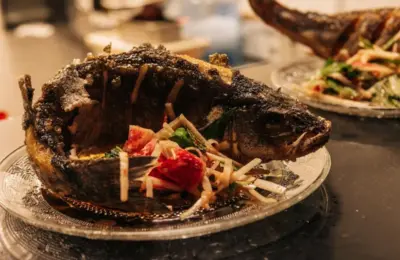
JNcQUOI Fish extends the brand’s reputation for upscale dining into the realm of the Atlantic Ocean. Chefs António Bóia and Filipe Carvalho construct a menu centered around pristine seafood, ranging from tuna tartare with a poached egg to sliced fish with ginger and caviar, followed by masterfully grilled catches of the day. A hidden omakase counter, JNcQUOI Table, offers an exclusive tasting menu for up to ten guests.

Pigmeu, located in the Campo de Ourique neighborhood, functions as an absolute haven for pork enthusiasts. Chef Miguel Azevedo Peres and his team embrace a strict nose-to-tail philosophy, incorporating pork into house charcuterie, pork fat-infused butter, pork-filled bifana sandwiches, and savory pork puddings within a relaxed, tavern-like atmosphere.
Plano Restaurante, housed within a 19th-century building in the Graça neighborhood, operates as a dual-identity dining destination. While indoor guests enjoy an airy, minimalist dining room, chef Vitor Adão fires up charcoal grills beneath the orange trees in the poolside garden during warm weather, presenting a seasonal tasting menu that shifts frequently to highlight local agriculture.

Copo Largo in Largo do Rato channels traditional tavern culture through an ever-changing chalkboard menu showcasing Alentejo influences, including steamed sea bass rissoles, roasted cuttlefish with vinegar, and shrimp xerém corn porridge, accompanied by an extensive library of Portuguese wines.
Red Frog Speakeasy remains a pillar of the booming Portuguese cocktail scene, celebrating its tenth anniversary with modern, technique-driven libations utilizing centrifuges, rotovaps, and sous-vide equipment. Creations like carob from the Algarve with lacto-fermented pineapple and tequila highlight a bar that continues to garner international acclaim.

Ciclo, situated in the Mouraria neighborhood, is operated by chef José Maria Neves and maître d’ Cláudia Abreu da Silva. Their seasonal menu embraces a zero-waste philosophy, utilizing lesser-known animal cuts and vegetable leaves within an acclaimed eight-course tasting menu.
Gambrinus, an institution operating since 1936, preserves a rare glimpse of mid-century Lisbon through wood-paneled walls and classic dishes such as seafood rice, kidneys in Madeira wine, and tableside crepes suzette, alongside its famous counter service for croquettes and prego sandwiches.

Bar Alimentar, created by chef João Magalhães Correia and the team behind Bar Imprensa, presents a relaxed gastrobar concept with an Italian accent and Lisbon ease. The menu features shareable plates such as mussels in guazzetto, stracciatella with asparagus, and crispy polenta topped with beef tartare and parmesan, all paired with natural wines.
Tasca Baldracca in Mouraria embodies the new generation of neo-tascas, featuring an ultracasual atmosphere paired with refined techniques. Dishes like beef tartare, gizzard tempura, and their signature "CFO" fried chicken challenge traditional definitions of fine dining while maintaining neighborhood accessibility.

Quattro Teste, helmed by bartenders Alf del Portillo and Marta Premoli, delivers highly creative and conceptual cocktails utilizing high-tech laboratory techniques, drawing on their Basque and Italian roots to reimagine classic aperitivos and long drinks.
O Velho Eurico, positioned along the route to São Jorge Castle, has become a culinary pilgrimage site under young chef Zé Paulo Rocha. The daily-changing menu offers modern updates to traditional plates, such as octopus carolino rice, pig head with white beans, and beer-caramel bread pudding.

Zunzum Gastrobar, located near the Lisbon Cruise Terminal by chef Marlene Vieira, serves contemporary Portuguese dishes with a global accent, featuring Algarve pink prawns, duck magret with oven-baked rice, and her celebrated interpretation of the decadent Porto francesinha sandwich.
As Bifanas do Afonso continues to serve Lisbon’s quintessential street food—thinly sliced fried pork shank stuffed into crusty rolls with mustard and piri-piri sauce—drawing daily queues to its historic Rua da Madalena counter alongside a newly opened sleek space.

Ofício in Chiado operates as an "atypical tasco," where chef Maurício Varella blends traditional tavern energy with modern kitchen precision, offering comforting dishes like cozido de grão chickpea stew and charcoal-grilled baby chicken.
Juliana Penteado Pastry brings French pastry techniques and global flavors to Calçada da Estrela, crafting pineapple choux with kaffir lime, caramel millefeuille with tangerines, and buttery herb-infused cookies that draw weekend crowds.

Alcôa Conventual Sweets in Chiado showcases centuries-old recipes developed by Cistercian monks, offering eggy confections like queijinhos do céu and delicate cornucópias filled with rich egg yolks.
Prado, situated in the Sé district, has remained a mandatory culinary destination since 2017, driven by chef António Galapito’s micro-seasonal, organic menu and an adjacent wine bar focusing on low-intervention Portuguese natural wines.

Alpendre, revived by chef Hugo Brito near the Lisbon Cathedral, places authentic "Lisbon food" back on the table with handwritten menus featuring cod fritters, peas with poached eggs, and classic flan scented with orange blossom.
Belcanto, chef José Avillez’s two-Michelin-star flagship in Chiado, remains the capital’s most acclaimed fine dining venue, offering modern interpretations of Portuguese culinary heritage drawn from the chef’s childhood memories.

Sála de João Sá offers an informal yet deeply creative dining experience in downtown Lisbon, where tasting menus like Horizon at Sight integrate Portuguese traditions with global spices, such as spider crab Goan curry with harissa.
Familjen in Madragoa features Swedish chef Peter Nyström’s bold, spice-driven sharing plates, anchored by a standout beef tartare served with horseradish cream, suya butter, and homemade roti.

Ryoshi, led by chef Lucas Azevedo, presents a traditional vision of Japanese cuisine informed by Brazilian-Japanese cultural exchange, offering veal tongue katsu sando, horse mackerel tartare, and chicken wing gyoza.
Parra Wine Bistro serves as an elegant neighborhood venue established by Artur Emashev, offering blood sausage toast, fresh shellfish, and an extensive natural wine list centered around diverse Portuguese producers.

Lupita produces exceptional natural-fermentation Neapolitan-style pizzas featuring creative toppings like anchovies with caramelized onion and inventive takes on pineapple and bacon combinations.
Barbela C.P.M. represents chef Leandro Carreira’s exploration of fish and seafood through aging and fermentation techniques, paired with signature cocktails crafted by bartender Lula Mascella at the adjoining bar, Bela.

Jorge D’Amália in Ajuda remains a quintessential neighborhood tasca dedicated to the classic bitoque—a lean fried steak with fries, a fried egg, and a rich garlic pan sauce served on a stainless steel tray.
Canalha, created by chef João Rodrigues, serves as a love letter to Lisbon neighborhood dining, offering Iberian charcuterie, fresh seafood, and traditional desserts like leite creme in a lively counter setting.

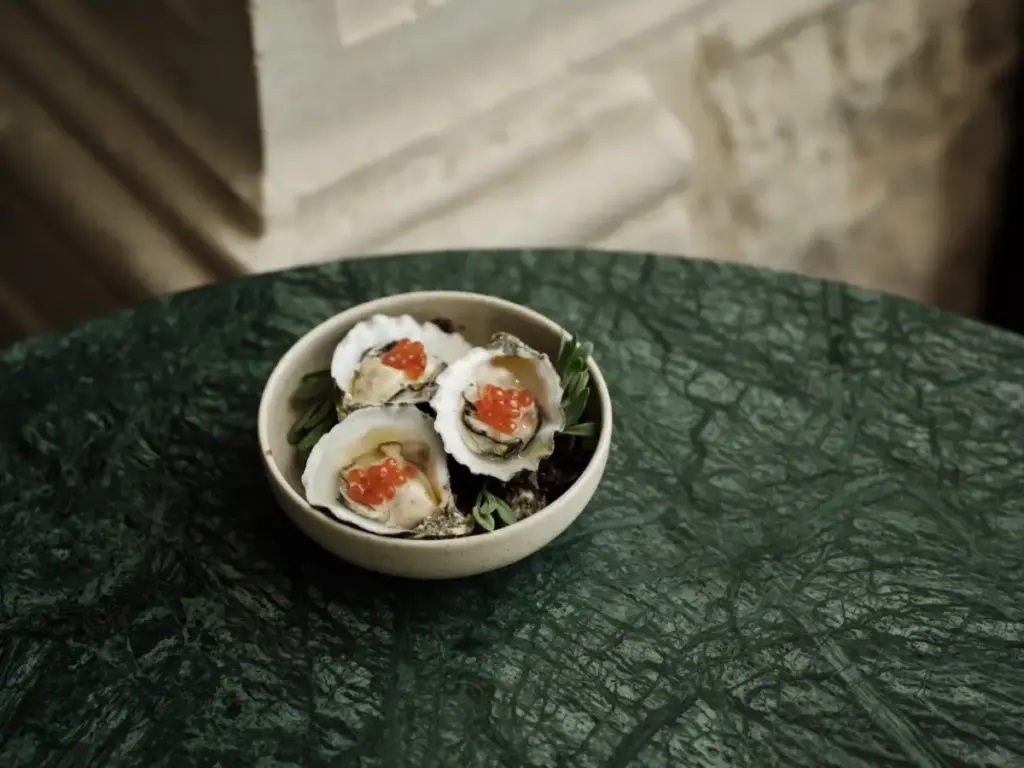
Nunes Real Marisqueria continues its two-decade legacy of serving pristine coastal shellfish within a newly renovated Art Deco dining room featuring stylized sea creatures and lobster-red mosaic glass.
Feitoria, holding a Michelin star in the Belém neighborhood, showcases the pinnacle of Portuguese ingredients through chef André Cruz’s technically refined dishes, framed by panoramic views of the Tagus River.