



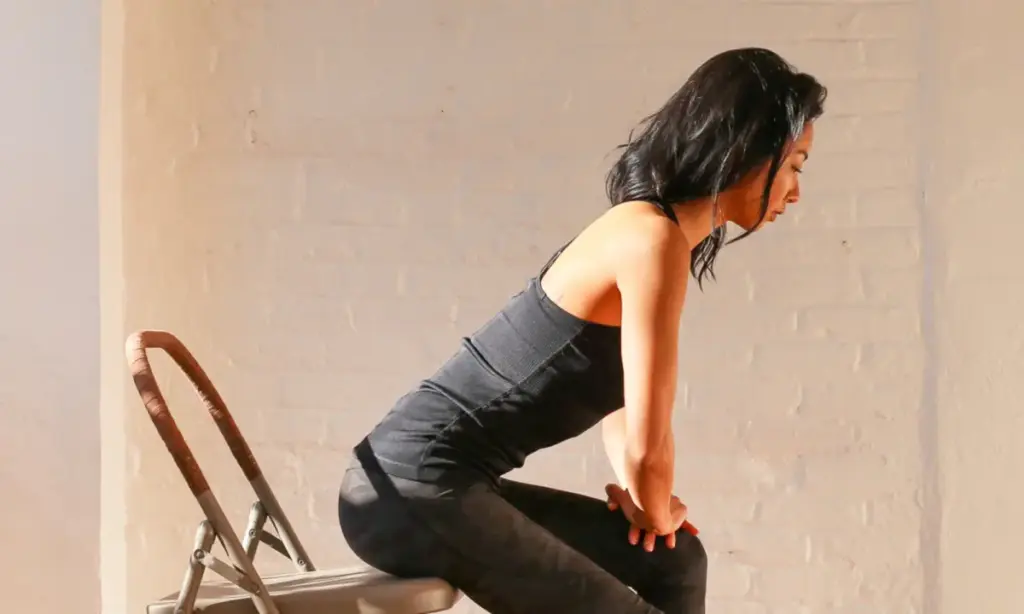
Sitting for long stretches of the day has become an unavoidable reality for millions of people, particularly those working modern desk jobs, recovering from injuries, or dealing with various mobility limitations. While the modern professional lifestyle often demands hours of stationary focus, prolonged sedentary time is well-documented to have a negative impact on metabolic health and long-term wellness. For years, health experts have emphasized the importance of standing desks, walking meetings, and regular movement breaks throughout the day to combat the physiological toll of sitting. However, for individuals who face physical restrictions or environments where pacing the room is simply not an option, finding practical solutions for maintaining metabolic health while remaining seated has remained a significant challenge.
The question of whether it is possible to actively promote blood sugar balance and support metabolic health while remaining seated has new backing from the scientific community. According to a comprehensive research review published recently, breaking up long periods of sitting with targeted seated movements—specifically soleus push-ups—can offer meaningful physiological benefits. The findings provide a promising avenue for individuals looking to mitigate the metabolic drawbacks of a sedentary routine without requiring traditional standing setups or rigorous workouts.
About the Research and Review
To better understand how sedentary behavior impacts the human body and whether minor physical interventions can make a tangible difference, researchers behind a 2025 review set out to analyze existing scientific literature. The study examined a wide array of data from randomized controlled trials, prospective cohort studies, and targeted pilot interventions. The primary objective was to assess whether seated, lower-body movements could effectively improve blood sugar regulation, particularly for populations unable to engage in traditional weight-bearing aerobic exercise.
The researchers specifically focused on individuals who encounter barriers to standard physical activity due to musculoskeletal conditions, cardiorespiratory limitations, or other health-related restrictions. Traditional exercise guidelines often emphasize high-intensity workouts, running, or heavy weightlifting, which are not universally accessible. By investigating alternative, low-impact strategies that can be performed from a seated position, the scientific team hoped to identify accessible pathways for broader metabolic health improvements.

The review specifically looked at three distinct categories of non-weight-bearing activities: simple resistance exercises performed from a chair, soleus push-ups, and passive stretching exercises. Each of these interventions represents a movement pattern that can be executed quietly and unobtrusively in an office, classroom, or home environment, making them highly practical for everyday life.
Seated Movements Linked to Meaningful Glucose and Insulin Reductions
When the researchers analyzed the data across all three movement types, the findings were notably consistent and encouraging. The review revealed that incorporating these simple, seated lower-body activities during prolonged periods of sitting was linked to meaningful reductions in both blood glucose and insulin levels. Rather than requiring strenuous physical exertion, these subtle muscular contractions appeared to trigger positive metabolic responses within the body.
Further reinforcing the value of lower-body muscle engagement, the review also highlighted broader epidemiological data regarding muscular strength and chronic disease risk. According to the findings, maintaining moderate lower-body strength is associated with a significantly lower risk—specifically estimated at thirty-two to thirty-five percent—of developing type 2 diabetes over time. This correlation underscores the vital role that leg muscles play not just in mobility, but in overall metabolic homeostasis and glucose disposal.
To explain the physiological mechanisms behind these benefits, researchers point to several cellular processes. The improvements in blood sugar regulation are believed to be mediated primarily through AMPK-dependent GLUT4 translocation, a complex biological process that facilitates the movement of glucose transporters to cell membranes, allowing muscles to absorb excess glucose directly from the bloodstream. Additionally, these muscle contractions stimulate the secretion of beneficial myokines—signaling proteins released by muscle tissue—and help improve endothelial function, which supports healthy blood vessel performance throughout the body.

How to Try Soleus Push-Ups at Your Desk
Among the specific movements highlighted in the research, the soleus push-up has garnered significant attention for its unique physiological efficiency. The soleus is a powerful, endurance-oriented muscle located deep in the calf, running underneath the larger gastrocnemius muscle. It plays a critical role in human posture, helping the body maintain an upright stance, and acts as a vital pump for venous circulation, helping push blood back up from the lower extremities toward the heart.
Executing a soleus push-up requires minimal space and can be performed entirely from a seated position. The mechanics are straightforward: while sitting comfortably with both feet planted flat on the floor, an individual simply presses through the balls of their feet to raise their heels as high as comfortable, and then lowers them back down to the ground.
Because the movement is exceptionally subtle and localized to the lower leg, it can be performed discreetly in virtually any seated setting. Whether participating in a conference call at the office, sitting at a desk typing reports, or relaxing at home watching television or reading a book, individuals can integrate these movements into their routine without drawing attention or requiring specialized athletic gear. Beyond the immediate effects on blood sugar and metabolic activity, experts note that regularly engaging the lower legs in this manner may also provide secondary benefits for foot strength and ankle stability.
The Takeaway
For the millions of people whose daily routines involve extensive sitting, or for those who face physical limitations that preclude traditional weight-bearing exercise, seated lower-body movements offer a genuinely accessible strategy to support metabolic health. While the researchers emphasize that longer-term clinical studies are still necessary to fully understand the exact impact of these movements on sustained glycemic control and comprehensive cardiovascular protection, the current evidence points toward an encouraging, low-barrier solution. By demonstrating that simple muscular engagement like soleus push-ups can positively influence glucose and insulin regulation, the research provides a practical, science-backed tool that individuals can easily weave into their daily lives.