



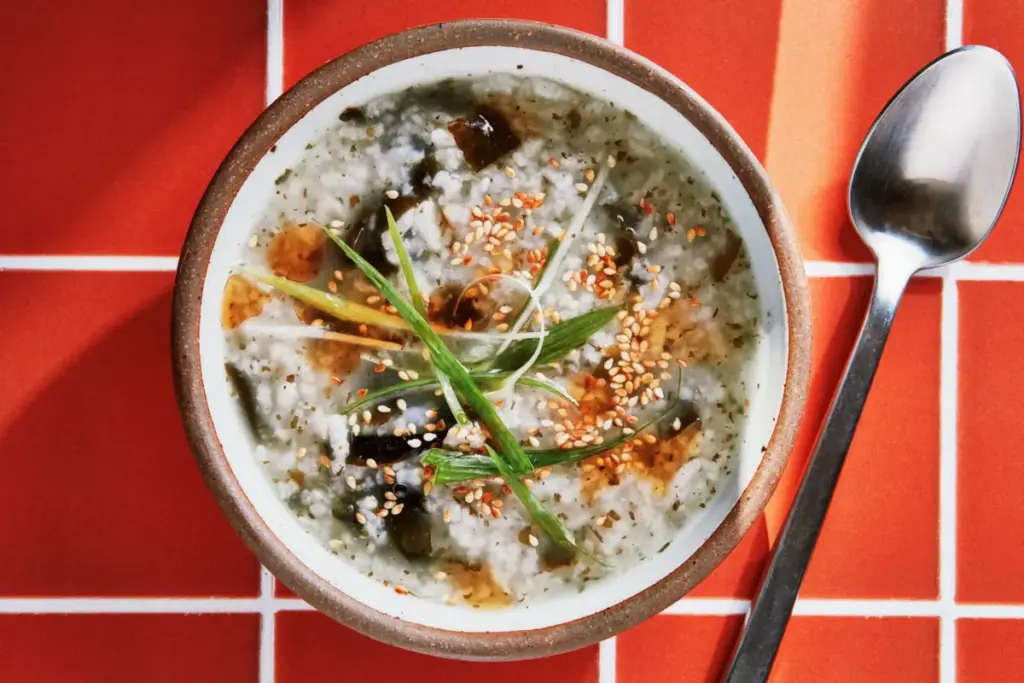
In the delicate and often overwhelming weeks following the birth of a child, new parents face a profound transition that requires immense physical recovery and emotional adjustment. While modern postpartum conversations frequently focus on neonatal care, sleep schedules, and nursery preparation, the culinary traditions that sustain the parent during this vulnerable period are gaining well-deserved attention. As part of an ongoing exploration into the profound ways food heals and comforts during the postpartum phase—a period widely recognized in various cultures as the fourth trimester—parents frequently share the deeply personal dishes that helped them navigate those early, sleepless days. For cookbook author Trinity Mouzon Wofford, the definitive taste of recovery is a comforting, Japanese-style rice porridge known as okayu.
Wofford, known for her culinary work including the cookbook Eating at Home, recently reflected on the culinary rituals that sustained her family during the early weeks after welcoming her first daughter. For Wofford, okayu is much more than a simple breakfast option or a remedy for a common cold; it is a foundational comfort food deeply embedded in her family’s culinary repertoire. Whenever household members find themselves in need of a simple, deeply nourishing dish that warms the body from the inside out, okayu is what they instinctively reach for. During the foundational weeks of her postpartum journey, this gentle, traditional Japanese rice porridge became her unwavering morning staple, offering a soothing culinary anchor during a time of immense physical transition.
The beauty of okayu lies in its understated elegance and minimalist ingredient list, yet achieving its characteristic silky, comforting texture requires a deliberate approach to preparation. According to culinary traditions and Wofford’s own kitchen practices, achieving the absolute smoothest porridge begins long before the pot ever touches the heat. To transform simple grains of rice into a velvety bowl of comfort, the process requires patience and foresight. Letting the rice soak in cold water before cooking is a transformative step that breaks down the starches, ensuring that the final dish achieves that signature, melt-in-the-mouth consistency that defines authentic okayu.
For home cooks who find themselves with adequate time in the kitchen, extending this soaking process yields even more remarkable results. Taking the time to properly soak the rice not only softens its texture considerably but can also aid significantly in the digestive process—an especially crucial consideration for postpartum bodies that benefit immensely from easily digestible, nutrient-dense foods that do not burden the digestive tract. The preparation method is remarkably straightforward yet rooted in culinary mindfulness. A home cook begins by placing washed rice into a bowl, pouring in enough cold water to submerge the grains generously, ensuring the water covers the rice by roughly an inch. This mixture is then left to rest, soaking for a minimum of thirty minutes, though the rice can comfortably steep for up to four hours depending on the cook’s schedule. Once the soaking phase is complete, any excess water is thoroughly drained off before the actual cooking process begins, setting the stage for a pot of porridge that is smooth, cohesive, and exceptionally gentle on the stomach.
Beyond the comforting base of the warm, velvety rice, traditional variations of okayu often incorporate complementary ingredients that add subtle layers of flavor and nourishment. Among these is wakame seaweed, a pantry staple that many people recognize from traditional Japanese miso soup. This oceanic ingredient, prized for its delicate texture and savory depth, can typically be found dried in the international aisles of supermarkets or at local Asian grocery stores, making it an accessible addition for home cooks looking to recreate authentic flavors in their own kitchens. When integrated into the warm porridge, the wakame contributes a gentle umami richness that elevates the simple dish without overwhelming its soothing, restorative character.
Wofford’s reflection on okayu is part of a broader, ongoing editorial series that explores the culinary traditions of new parents. Through this recurring feature, writers and culinary figures share personal narratives answering a vital question: What meal nourished you after welcoming your baby? By turning the spotlight toward the private, domestic rituals of the fourth trimester, these conversations highlight the intersection of food, culture, and caregiving. The series provides a platform for culinary professionals and everyday parents alike to discuss the practical and emotional resonance of postpartum nutrition, moving away from restrictive dietary culture and toward traditions centered on warmth, hydration, and deep replenishment.
By sharing her personal connection to okayu, Wofford offers a window into how cultural culinary practices can provide stability and comfort during life’s most profound transitions. Whether enjoyed in the quiet, dim hours of an early morning with a newborn or prepared as a simple remedy on a chilly day, this traditional rice porridge remains a testament to the enduring power of uncomplicated, thoughtfully prepared food. Through her continued work in the kitchen and her reflections on domestic life, Wofford highlights how the simplest dishes often carry the deepest meanings, serving as quiet anchors for families as they navigate the beautiful, demanding realities of early parenthood.