


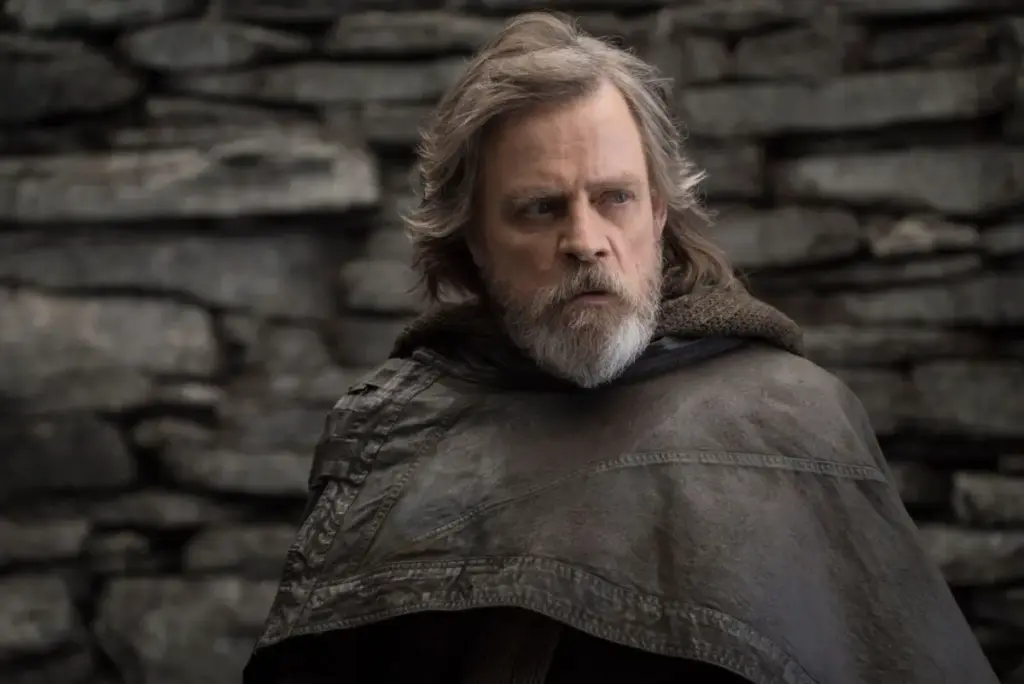
Since its theatrical debut, director Rian Johnson’s Star Wars: The Last Jedi has remained one of the most fiercely debated entries in the expansive sci-fi franchise. Dividing fans and critics alike, the 2017 film challenged conventional expectations of its legacy characters, particularly Luke Skywalker. Yet regardless of where one stands on the stylistic and narrative choices made in the movie, it is difficult to dispute that Johnson’s take on the galaxy’s most iconic Jedi yielded some truly unforgettable dialogue. While conversational internet arguments often gravitate toward biting one-liners like "Amazing. Every word of what you just said was wrong," the true linguistic high point of the film—and arguably of Luke Skywalker’s entire cinematic arc—lies elsewhere.
The Last Jedi gave viewers a line that cuts to the emotional core of the franchise, capturing the poignancy and underlying hope at the heart of a galaxy far, far away.
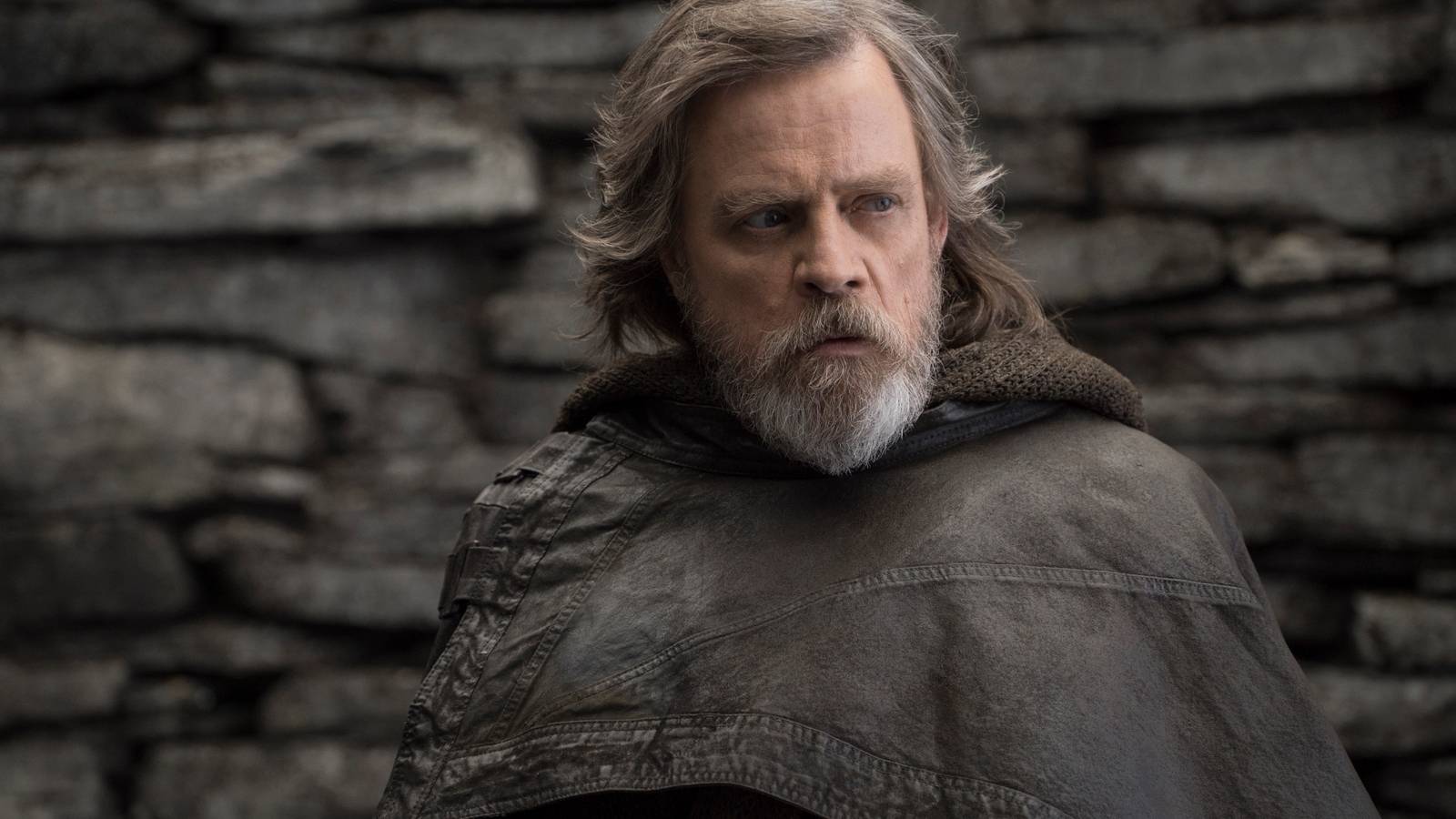
Luke’s Best Star Wars Moment Isn’t the One You Think
Throughout nearly five decades of storytelling, Luke Skywalker has delivered numerous iconic and culturally resonant quotes. Many lifelong fans immediately point to his impassioned declaration to Emperor Palpatine in Star Wars: Return of the Jedi—"I am a Jedi, like my father before me"—as the definitive moment of his journey. That assessment is entirely valid; it is a phenomenal line that solidifies Luke’s moral identity, his rejection of the dark side, and his ultimate triumph as a servant of peace. Yet, despite its emotional weight, it ultimately shares the stage with a far more understated, mature piece of wisdom delivered decades later in the sequel trilogy.
That honor instead belongs to one of Luke’s most subtle yet powerful sequences: when he briefly projects his ethereal image across the galaxy from the isolated sanctuary of Ahch-To to comfort his twin sister, Leia. During this deeply emotional exchange, Leia expresses a profound, agonizing sorrow over having lost her son, Ben Solo, to the dark side. She bears the heavy grief of a mother who feels her child has been permanently stolen away by evil, believing that the bright boy she raised is entirely gone.
Luke, having rediscovered his connection to the Force and his sense of purpose following a transformative encounter with Rey, responds with a gentle, reassuring truth. Looking at his sister, he delivers a line that defines the mature perspective of an older, wiser Jedi Master: "No one’s ever really gone."

After spending much of The Last Jedi crippled by guilt, shame, and self-imposed exile, this single quote demonstrates just how far Luke has evolved since the film’s opening acts. He has moved past his momentary failure and recovered his faith not just in the Jedi Order, but in the enduring capacity for grace within the human heart.
Why Luke Skywalker’s Best Quote Is All About Redemption
Language in cinema often has the power to recontextualize entire mythological frameworks, revealing wisdom that audiences might not have previously considered. This is especially vital in a sprawling space opera like Star Wars, where metaphysical forces such as the light and dark sides of the Force dictate the stakes of the universe, and viewers continually search for deeper meaning behind the galaxy’s grand conflicts.
Redemption has always served as the beating heart of the Star Wars saga. Across feature films, television projects, comic books, novels, and video games, the overarching narrative consistently returns to a singular, optimistic premise: no matter how far someone has fallen, redemption remains possible. However, the nature of redemption is rarely uniform. What one character perceives as a redemptive act does not always align with the feelings of another.
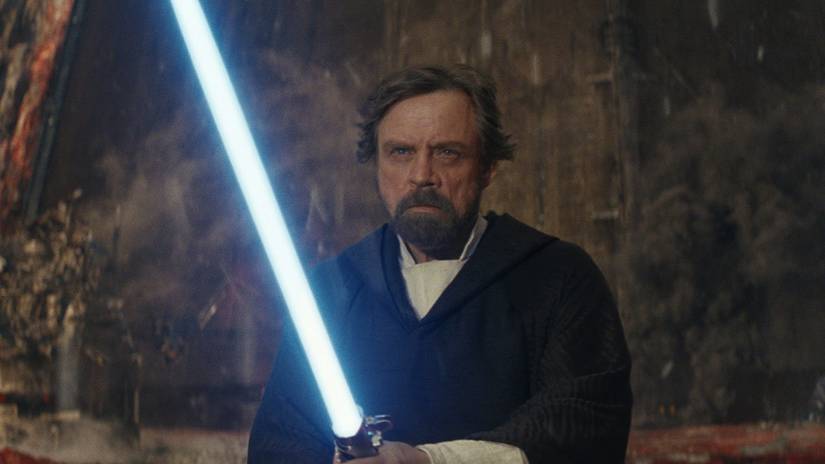
For instance, while Anakin Skywalker was ultimately redeemed in the eyes of his son, Luke, the horrific legacy of Darth Vader—including atrocities like the destruction of Alderaan—meant that his daughter, Leia, never fully shared her brother’s forgiving perspective toward their father.
Despite these complex familial grievances, Luke’s reassurance to Leia posits that no matter how drastically a person’s behavior or allegiance changes, the essence of who they once were is never entirely out of reach. Expanded universe materials, such as supplementary novels exploring the early life of Ben Solo, depict him as a deeply compassionate and caring child before his psychological manipulation by Supreme Leader Snoke and Kylo Ren. The terrifying, destructive warlord he eventually became stood in stark contrast to the boy his family knew. Yet, as Luke’s philosophy reminds us, the fact that Ben Solo was currently unrecognizable did not mean he was lost to the cosmos forever.
Alternative Meanings to Luke Skywalker’s Best Quote
Great cinematic dialogue frequently operates on multiple levels, and Luke’s declaration in The Last Jedi serves as a textbook example of how the film addresses both interpersonal redemption and the spiritual mechanics of the Force itself. On a purely metaphysical level, while physical death strips away a mortal body, those who pass on become one with the Force, ensuring they never truly cease to exist.
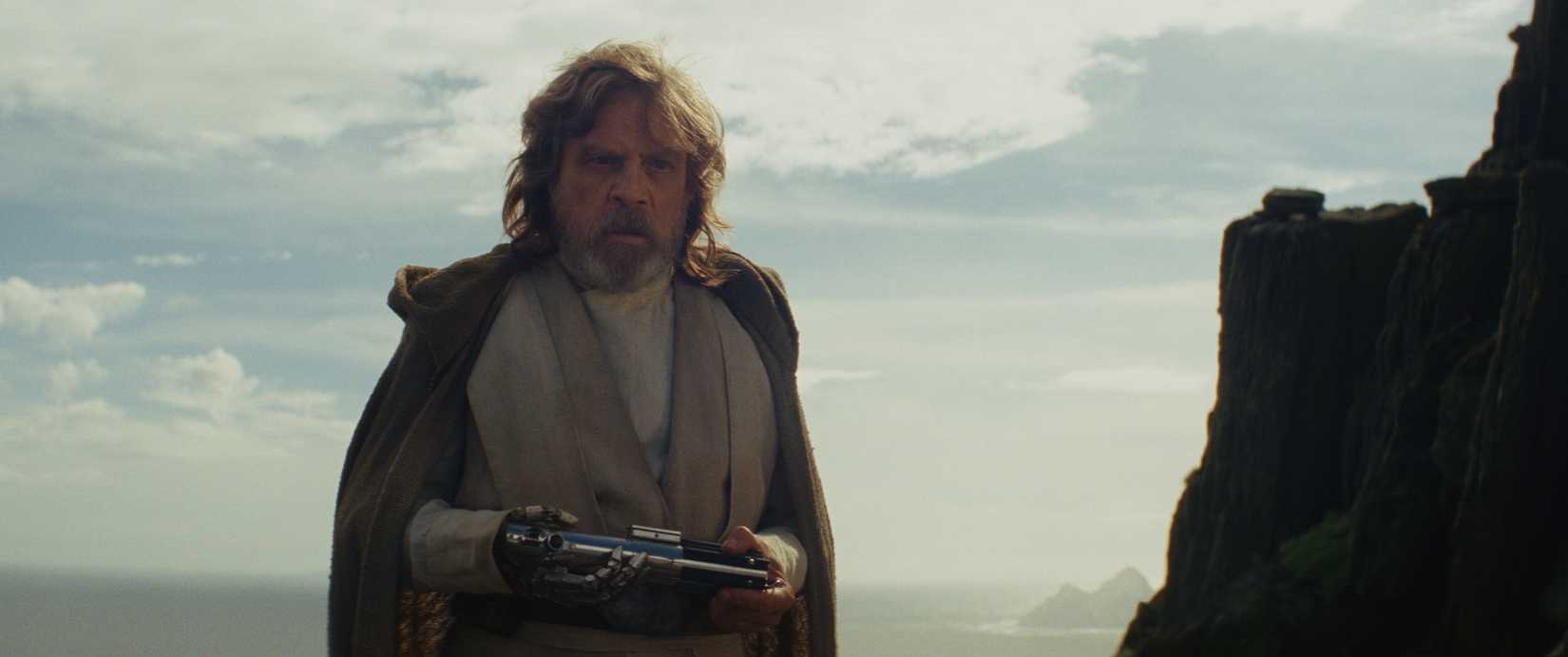
Interpreted more literally within the lore, Star Wars has long established that individuals deeply attuned to the light side can manifest physically or spiritually as Force ghosts, a concept reinforced through various eras of the franchise’s storytelling. Coupled with the cinematic events of Star Wars: The Rise of Skywalker, the sentiment that "no one’s ever really gone" can be viewed as a thematic bridge explaining how the collective will and presence of past Jedi continue to guide the living long after their mortal departures.
On a broader, metatextual level, the quote can even be read as a knowing nod to the realities of franchise filmmaking—specifically, the studio’s recurring ability to resurrect or revisit characters through flashbacks, ghostly apparitions, or expanded media. While this approach sometimes yields profoundly emotional storytelling, such as Anakin’s spiritual guidance in the Ahsoka television series, it can occasionally lead to unexpected creative choices across contemporary television and film projects.
Ultimately, whether interpreted as a philosophy of personal forgiveness, a spiritual truth about the afterlife, or a meta-commentary on franchise longevity, Luke Skywalker’s quiet reassurance to his sister remains a high-water mark for the character. It stands as a primary reason why The Last Jedi, despite all the controversies surrounding its release, continues to be regarded by many as one of the most thoughtful and compelling chapters in the Star Wars canon.