




Video games have evolved across decades of rapid technological advancement, leaving players with tens of thousands of options whenever they sit down for a gaming session. With modern platforms boasting massive open worlds, photorealistic graphics, and intricate online ecosystems, contemporary releases naturally capture the immediate attention of the gaming public. Older titles frequently slip from mainstream memory, eclipsed by the sheer velocity of the modern industry. Yet, despite the passage of time, these vintage properties continue to offer profound entertainment for anyone willing to look past modern superficialities and give them a fair chance.
Evaluating retro games often reveals a spectrum of aging design. Some early titles feel remarkably rough around the edges, plagued by mechanics or stage layouts that modern players find frustrating or inaccessible. Others, however, hold up with astonishing resilience. For these rare exceptions, the most a player might wish for is a subtle resolution bump or a few basic quality-of-life adjustments. Otherwise, they function as nearly-perfect artifacts of interactive art. Nintendo’s vault contains several classic titles that fit this description so completely that they have never needed a full remake. Rather than rebuilding these pillars of gaming history from the ground up, the optimal approach is simply keeping them accessible across modern platforms, allowing audiences to experience them exactly as they were originally built.

Super Mario World
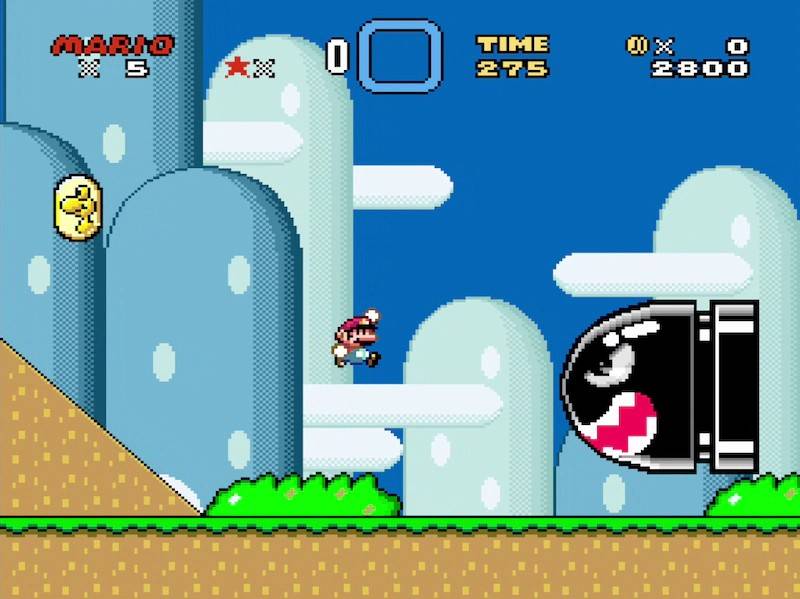
Releasing on November 21, 1990, alongside the launch of the Super Nintendo Entertainment System, Super Mario World served as an absolute revelation. Designed explicitly to showcase the new hardware capabilities of Nintendo’s 16-bit console, the pack-in title redefined what players could expect from a side-scrolling platformer. The system allowed for smooth sprite scaling and complex parallax scrolling backgrounds that gave environments a genuine sense of depth. Furthermore, players could tap a shoulder button to make Mario shift his view forward, scanning for unseen hazards before rushing headlong into danger. The color palette was richer and significantly more varied than anything seen on previous generation hardware, transforming the exploration of Dinosaur Land into an unadulterated joy.
Beyond its technical achievements, the game succeeded through meticulous level design packed with hidden secrets. Alternate exits scattered throughout stages unlocked massive shortcuts and secret pathways, including the notorious Star Road and the challenging Special Zone. Movement felt fluid and deeply responsive, giving players complete control over Mario’s momentum during flight—whether they preferred to glide gracefully or execute a sudden dive-bomb attack against enemies. The introduction of the companion dinosaur, Yoshi, added yet another layer of dynamic gameplay mechanics. While contemporary artists attempting to modernize the experience might paint more detailed background vistas and inject simulated depth, the original release requires no such embellishments to captivate players.

The Legend of Zelda: A Link to the Past
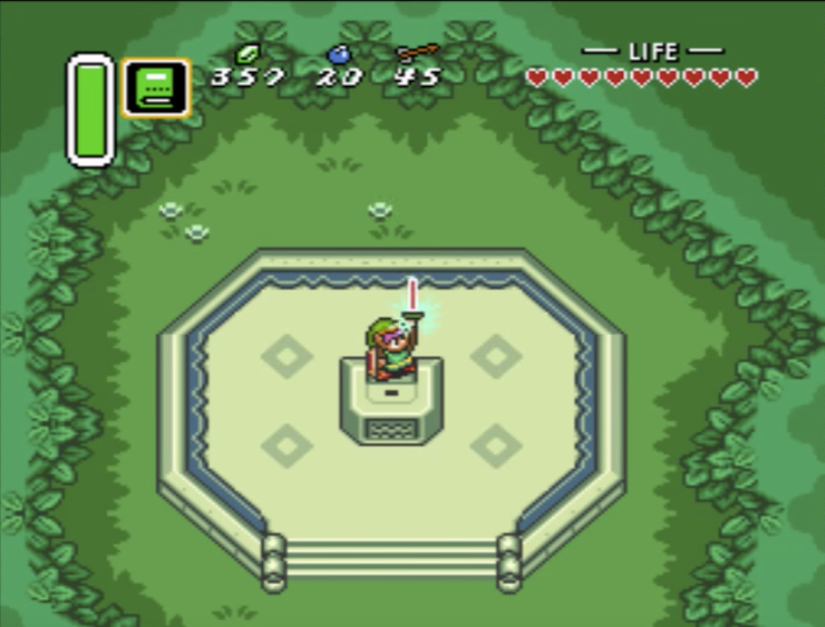
While modern gaming discussions frequently turn toward 3D milestones like the original Nintendo 64 adventures, earlier installments established foundational storytelling and environmental design that still resonate deeply. Released on November 21, 1991, The Legend of Zelda: A Link to the Past traded the open-ended exploration of the 8-bit era for a more structured, cinematic narrative framework. The game opened with a memorable evening rainstorm, setting a tense atmosphere as Princess Zelda telepathically pleaded for rescue from a palace dungeon where an evil wizard had imprisoned her. It presented a vibrant, bustling village populated by the citizens of Hyrule before brilliantly subverting player expectations by introducing its corrupted counterpart, the desolate Dark World.
The dungeons within the game relied on intelligent spatial puzzles that forced players to engage strategically with their surroundings rather than blindly striking every wall or block in sight. Players navigated familiar rooms across elevated catwalks, dropped through specific pits to reach lower levels, and manipulated switches to dynamically alter the architecture of the rooms. Although rendered in two dimensions, every location felt tactile and authentic. Minute details—such as an arrow visibly vibrating after embedding itself into a wall—demonstrated an extraordinary level of developer care. While a modern update could theoretically elevate these elements, the existing foundation remains exceptionally solid, proving that revisiting this classic version of Hyrule is always a rewarding endeavor.
Super Mario Kart
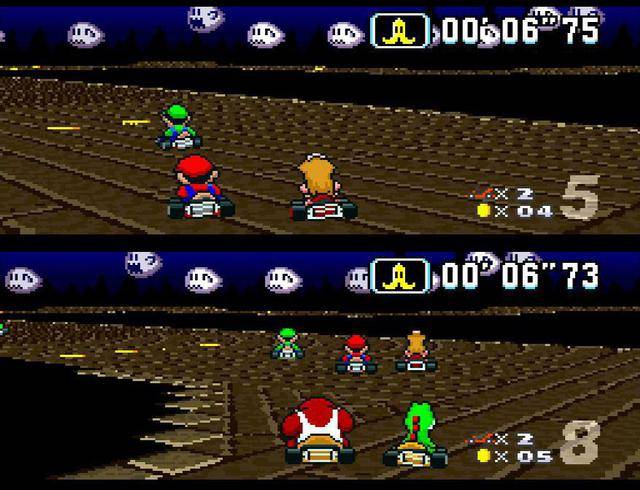
Long before kart racers became a staple of multiplayer gaming, the subgenre was born on the Super Nintendo with the release of Super Mario Kart on August 27, 1992. While modern fans debate the merits of contemporary franchise entries, the original title established a baseline of arcade racing mechanics that deserves immense credit. The early game utilized distinct handling profiles tied to character selection and vehicle archetypes. Heavyweights like Bowser and Donkey Kong Jr. suffered from sluggish acceleration off the starting line, but developed terrifying top speeds once they straightened out on long paths. Conversely, lightweight racers like Koopa Troopa and Toad cornered with razor-sharp precision, allowing them to weave deftly through traffic and capture tightly guarded coins.
The track designs favored flat, pseudo-3D environments that prioritized visibility, letting drivers track incoming obstacles and competitors clearly. Shortcuts demanded absolute driving precision, where shaving a mere half-second off a lap time represented the dividing line between victory and defeat. Moreover, the aggressive rubber-banding artificial intelligence and match-altering equalization items—such as the infamous blue shell—did not yet dominate the experience. While many of these original tracks have been preserved as bonus content and downloadable additions in later series entries, experiencing them in their original context reveals the foundational brilliance that launched an enduring multiplayer phenomenon.
Super Mario Bros. 3
Widely regarded as the apex of two-dimensional platforming, Super Mario Bros. 3 arrived on October 23, 1988, establishing a standard of design variety that few games have ever matched. Nintendo later released a polished remake as part of the Super Mario All-Stars collection, which introduced enhanced background artwork. However, that update subtly altered the game’s underlying physics, making Mario’s movement feel slightly more deliberate and sluggish compared to the snappy responsiveness of the original Famicom and NES release.
This minor discrepancy highlights how deeply technical precision and design philosophy intertwine in classic software. The original game framed its adventure through a theatrical lens, opening with a red curtain rising on a stage-like performance complete with platforms visibly bolted to painted backdrops. The Mushroom Kingdom spanned an unprecedented variety of environments, ranging from the sunlit prairies of the first world to the treacherous ice sheets of World 6, the aquatic expanses of World 3, and the pipe-heavy labyrinths of World 7. Each world introduced fresh gameplay concepts and challenges that kept the adventure inventive from start to finish. Furthermore, the multiplayer component offered competitive mini-games and branching world map routes that expanded the overall scope. Perfectly functional in its original state, the game continues to thrive on modern digital platforms.
Super Metroid
Venturing onto the hostile alien planet of Zebes in Super Metroid, released on March 19, 1994, places players immediately into an atmosphere thick with isolation and danger. Assuming the role of bounty hunter Samus Aran, players step out of their ship and plunge beneath the planet’s surface into labyrinthine subterranean shafts on a collision course with ancient horrors and the Mother Brain. The title achieved legendary status through its masterful use of mood, pacing, and environmental storytelling. Unlit corridors and sparse audio cues generated genuine tension, which was periodically broken by sudden, terrifying encounters with aggressive alien life forms.
Every major milestone and discovered upgrade directly expanded the player’s capacity for exploration, opening new pathways deeper into the alien world in a manner that defined a generation of design. Nothing within Super Metroid feels broken or outdated. The pixel art retains its striking visual clarity, and the haunting musical score complements the claustrophobic atmosphere perfectly. Decades after its initial release, the subterranean corridors of Zebes feel remarkably welcoming to returning players, proving that a timeless masterpiece requires no remastering to retain its enduring power.