

As generations of gaming hardware march forward, millions of players eventually find themselves looking at older consoles sitting quietly on entertainment center shelves. It can be a bittersweet experience to watch the hardware that once housed countless hours of high-stakes gaming, epic victories, and unforgettable stories slowly fall out of active rotation. However, transitioning a console to retirement does not mean its journey has reached an end. Industry experts and environmental advocates emphasize that letting an old PlayStation gather dust or tossing it carelessly into the trash contributes significantly to the escalating global electronic waste crisis. Instead of sending these capable machines to a landfill, owners have a multitude of practical, financial, and environmentally conscious options to ensure their aging hardware finds a meaningful second act.
The environmental stakes surrounding obsolete electronics are substantial. Electronic waste, commonly referred to as e-waste, contains hazardous materials such as lead, mercury, and other toxic substances that pose severe risks to local ecosystems and public health if improperly disposed of. Fortunately, technological reuse has never been more accessible. With just a little bit of time and effort, owners can pivot their classic hardware into dedicated media hubs, salvage valuable internal and external components, recover cash through resale markets, or ensure the device is donated or recycled responsibly.
Transforming an Aging Console into a Dedicated Media Center
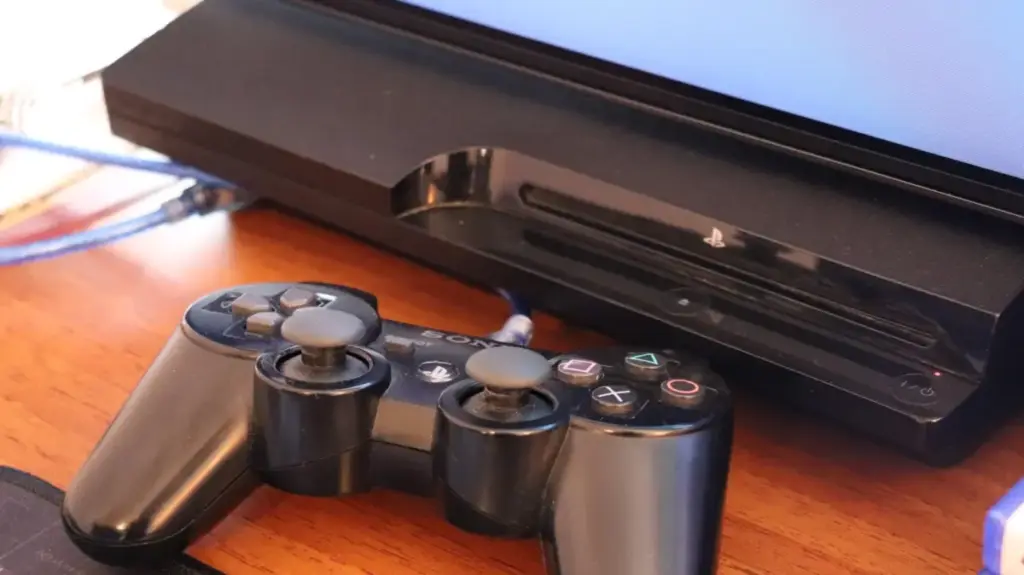
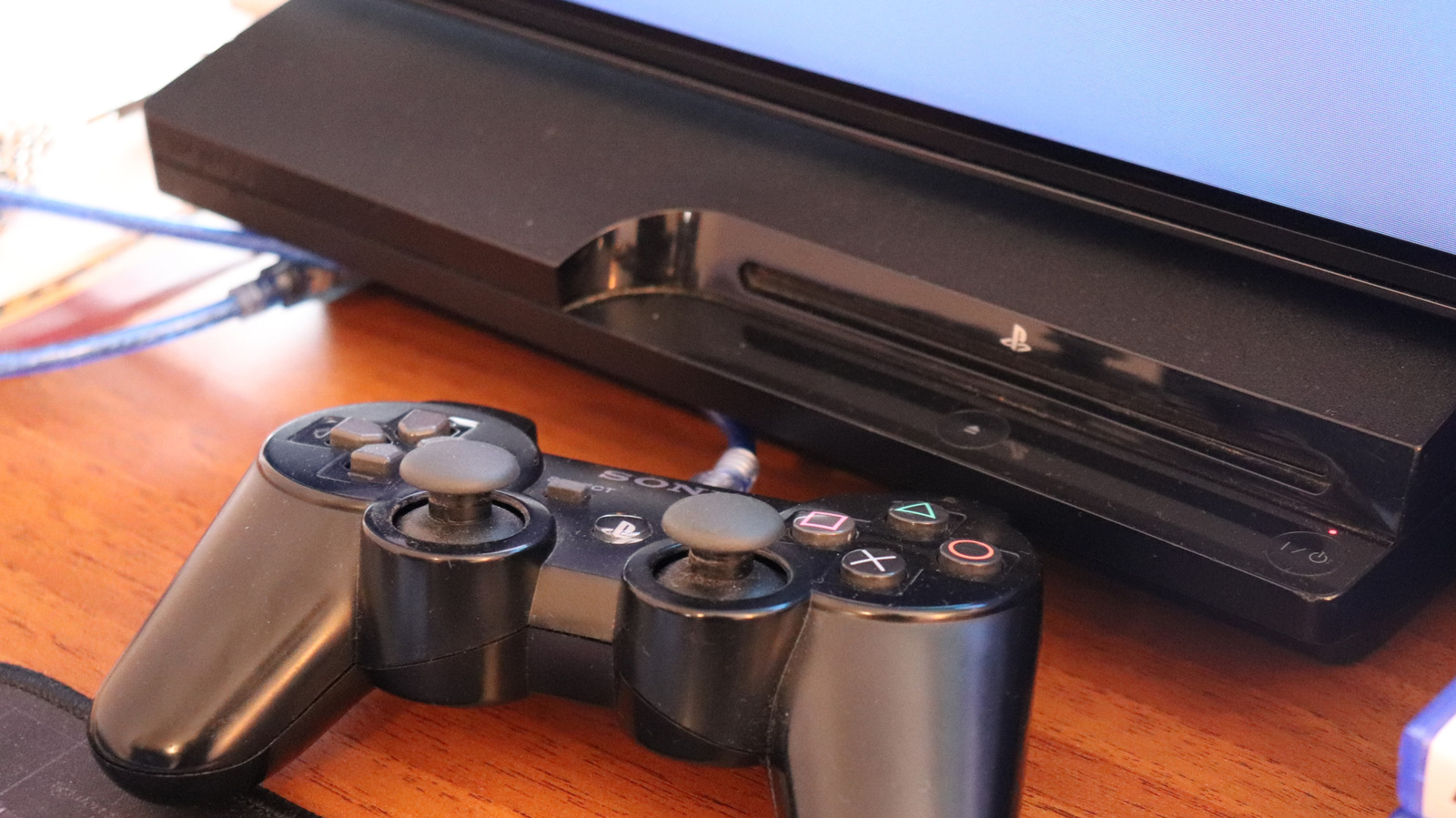
Even when a legacy PlayStation can no longer run the latest, graphically demanding blockbuster titles, its internal architecture still holds considerable utility as a centralized entertainment hub. How a console handles modern media, however, varies dramatically depending on the specific generation of the hardware. For older iterations like the PlayStation 3, direct app-based streaming support has largely dwindled as major modern streaming services have progressively phased out compatibility for legacy operating systems.
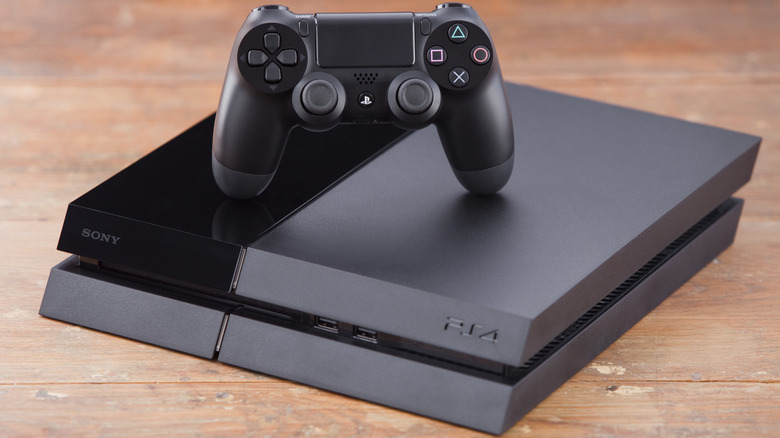
Despite limitations on digital streaming applications, older hardware retains robust physical media capabilities that modern digital-first streaming devices often lack. Consoles stretching as far back as the PlayStation 2 feature built-in optical disc drives capable of reading standard DVDs alongside game media. Moving forward through the hardware lineage, the PlayStation 3 and PlayStation 4 expand those capabilities further by adding high-definition Blu-ray playback. Consequently, these older systems can easily transition into dedicated standalone movie players for households that maintain physical disc collections.
Beyond discs and native streaming applications, users can leverage external USB storage devices to enjoy personal media libraries directly through their console. This process generally requires formatting the USB drive to a compatible file system format, such as exFAT or FAT32, depending on the console generation, before transferring media files into organized folders. While PlayStation 4 owners must first install the native Media Player application from the system interface, the integration allows the console to function seamlessly as an offline video and audio playback station.
Harvesting and Reusing Valuable Hardware Components
For users who decide that running an entire legacy console is no longer practical, individual hardware components can be extracted and repurposed across a wide array of modern electronic devices. Peripheral hardware, particularly controllers, offers immediate cross-platform utility. Sony’s DualShock 4 controller, designed for the PlayStation 4 generation, boasts extensive native compatibility with modern smartphones, tablets, personal computers, and even select current-generation gaming hardware.
Furthermore, enthusiasts frequently pair the DualShock 4 with streaming devices like the Amazon Fire TV Stick to facilitate cloud gaming sessions or operate the streaming stick as a versatile wireless remote. While older iterations like the PlayStation 3’s DualShock 3 controller share similar underlying wireless concepts, their cross-platform connectivity is notably more restrictive and complex to configure compared to its successor.
Internal hardware harvesting represents another viable avenue for technically inclined owners. Sony intentionally engineered console storage bays to allow user-replaceable hard drives, meaning the extraction process requires only basic tools and standard cautious handling rather than advanced technical expertise. Once removed, an internal hard drive can be reformatted, placed inside an inexpensive external USB enclosure, and deployed as extra portable storage for other computers or digital archives. Power cords, HDMI connections, and audio cables can similarly be retained for other household electronics before sending the remaining chassis off for professional recycling.
Navigating the Resale Market for Older Hardware
For those looking to clear out space while recouping some of their initial investment, older PlayStation consoles retain notable secondary market value. Choosing the right sales channel depends heavily on an owner’s priorities regarding convenience, payout speed, and total financial return.
Retail trade-in programs operated by major big-box chains and specialty game retailers represent the most streamlined and frictionless route. Companies such as Best Buy, Amazon, and GameStop frequently accept old hardware in exchange for store credit. While this approach eliminates the complexities of listing an item online or shipping fragile packages, it typically results in lower financial offers, and the resulting compensation is restricted entirely to store credit rather than cash.
Online buyback platforms offer a balanced middle ground for consumers seeking actual monetary compensation without the administrative burden of traditional peer-to-peer marketplaces. These specialized web services buy used electronics directly, providing straightforward cash payouts and sparing sellers from the hassles of public negotiations, though participants must factor in shipping intervals and transit risks.
Peer-to-peer marketplaces like eBay and specialized tech resale platforms provide the highest potential financial return for used hardware. Sellers who manage their own listings generally secure better prices than what traditional trade-in or buyback programs offer. However, this route demands significantly more time, effort, and care in handling shipping, customer communication, and potential transaction fees.
Handing Down, Donating, or Responsibly Recycling
When resale is not a priority and the console no longer serves a purpose in a household’s daily entertainment setup, passing the hardware down offers a meaningful alternative. Gifting an older system to a younger family member or friend introduces the next generation to classic gaming experiences while extending the lifecycle of durable electronics.
When personal connections are unavailable, charitable donations provide another avenue for social impact. Organizations such as Gamers Outreach specialize in collecting functional gaming consoles to install in children’s hospitals, providing young patients with entertainment and a sense of normalcy during difficult medical treatments. Experts advise donors to thoroughly research any organization beforehand to verify their legitimacy, as the retained monetary value of even older consoles occasionally attracts fraudulent actors posing as charities.
If a console is heavily damaged, non-functional, or unsuitable for donation, responsible e-waste recycling is essential. Municipal electronic waste facilities and nationwide collection programs hosted by major retailers ensure that toxic components like lead are handled according to strict environmental standards. Resources like Earth911 enable consumers to locate certified local recyclers capable of processing aging technology safely.
Securing Personal Data Before Partaking with Hardware
Before any old PlayStation console leaves its owner’s hands—whether through sale, donation, or recycling—securing personal information is a vital final step. Consoles frequently store sensitive data, including account credentials, payment methods, and personal profiles.
To safeguard personal privacy, owners should back up their game saves and system data to an external USB drive or cloud storage subscription where applicable. Following the data backup, users should explicitly deactivate the console from their primary gaming network account. The final step involves initializing a full factory reset through the system settings menu, completely wiping the internal storage and restoring the software to its original, out-of-the-box state. This ensures the hardware is thoroughly cleared of personal data, leaving it completely fresh for its next chapter.