
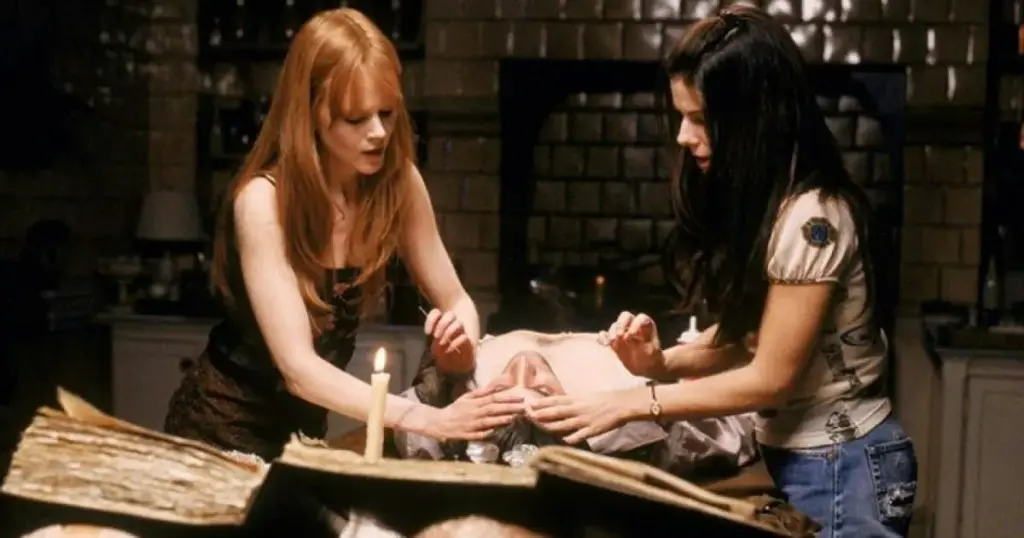
For fans of witchcraft, romance, and enduring cinematic sisterhood, few titles hold the cultural staying power of the 1998 classic Practical Magic. Starring Sandra Bullock and Nicole Kidman as the bewitching Owens sisters, the film has cemented its place over the decades as a definitive cinematic staple for both the Halloween season and the romance genre at large. For audiences seeking an alternative to the traditional slasher flicks that dominate autumn schedules, the film offers a comforting blend of the supernatural, sisterly devotion, and romantic heartbreak—complemented memorably by Aidan Quinn’s piercing gaze. Long before streaming services made perpetual rewatching effortless, Practical Magic was a film enthusiasts could return to endlessly, regardless of the month on the calendar.
Now, more than two decades after audiences first fell under the spell of the Owens family, the iconic sister witches have returned to the big screen. Practical Magic 2 officially debuted in theaters this month, bringing back Sandra Bullock and Nicole Kidman to reprise their roles as Sally and Gillian Owens. They are joined by returning fan-favorites Stockard Channing and Dianne Wiest as the eccentric, beloved aunts, alongside a new generation of Owens women portrayed by Joey King and Maisie Williams.
Directed by Susanne Bier and written by Akiva Goldsman—who also co-wrote the original screenplay—the sequel wasted little time asserting its dominance, capturing the top spot at the box office upon its release. Much like its predecessor, the film has already weathered a mixed reception from professional critics, drawing comparisons to the lukewarm reviews the original 1998 release initially received before it achieved legendary status among fans. Embraced warmly by audiences, the sequel secured a 91 percent approval rating on Rotten Tomatoes, reinforcing the enduring disconnect between contemporary critics and devoted viewers when it comes to the cherished franchise.
The arrival of the sequel has predictably triggered a widespread resurgence of interest in the magical lore, aesthetic, and emotional warmth of the original film. As Sally Owens famously advised in the first installment, audiences are reminded to throw spilled salt over their left shoulders, keep rosemary by the garden gate, plant lavender for luck, and fall in love whenever possible. For cinephiles, that philosophy extends naturally to their viewing habits, sparking a broader cultural appetite for supernatural romance, nostalgic aesthetics, and tales of powerful women navigating life and love.
To satisfy that post-viewing craving, audiences are returning to familiar cinematic comfort zones, diving into a curated selection of films that capture shades of the fantastical energy, witchcraft, romance, and distinct nineties feel of Practical Magic.
Naturally, leading the contemporary watchlist is Practical Magic 2. For viewers who have yet to experience the sequel on the big screen, the theatrical run offers the immediate chance to witness the return of Sally and Gillian, the signature coastal house, and a fresh plot driven by a new generation of spellcasters grappling with family curses. Naturally, screenings and rewatches call for a customary round of midnight margaritas.
For those seeking other modern supernatural returns, Hocus Pocus 2 (2022) offers a similar legacy-sequel experience. Reuniting Bette Midler, Kathy Najimy, and Sarah Jessica Parker nearly thirty years after the original Halloween classic, the sequel delivers the same comforting blend of whimsical witchcraft and comedic chaos that defined the original generation of fans.
Meanwhile, musicals offer a slightly different melodic flavor while retaining core thematic elements of female companionship and societal outsider status. Wicked (2024), starring Cynthia Erivo as Elphaba and Ariana Grande as Glinda, explores the profound bond between two women who see each other clearly in a world that does not. The cinematic adaptation serves as a grand theatrical companion piece to stories of misunderstood magic, with audiences able to follow up the experience with Wicked: For Good (2025).
For fans of darker, more contemporary takes on witchcraft, The Craft: Legacy (2020) provides a softer, earnest reboot of the 1996 teen coven classic. The film follows a new group of teenage witches navigating the dangerous and unpredictable boundaries of their burgeoning powers, appealing directly to fans of the original film’s teenage outsider archetypes.
Beyond recent releases, the broader cinematic landscape offers a rich catalog of feel-good witchy films that mirror the emotional core of Practical Magic. The original Hocus Pocus (1993) remains an unshakeable cornerstone of nostalgic supernatural comedy, chronicling the chaotic antics of the Sanderson sisters in a small New England town. Similarly, The Witches of Eastwick (1987) brings together an iconic trio of powerful stars—Cher, Susan Sarandon, and Michelle Pfeiffer—as grieving friends who inadvertently discover they possess formidable, untapped magical abilities while attempting to rebuild their lives.
Nicole Kidman’s cinematic exploration of witchcraft extends beyond the Owens family into other iconic projects, such as the 2005 romantic comedy Bewitched. Based on the classic television series, the film features Kidman as a literal witch attempting to live a normal life, starring opposite Will Ferrell as an out-of-work actor completely unaware of his co-star’s supernatural identity. Going further back into cinema history, Bell, Book and Candle (1958) stands as a foundational ancestor to modern witch romances. Starring Kim Novak as a witch who casts a love spell on her neighbor, played by Jimmy Stewart, the film establishes the timeless trope of a practitioner of magic who commits the ultimate transgression of falling genuinely in love, risking her powers in the process.
Sisterhood and generational bonds also drive non-magical dramas that share the emotional DNA of the Owens family saga. The Divine Secrets of the Ya-Ya Sisterhood (2002), another cinematic vehicle starring Sandra Bullock, explores the complex, deeply emotional bonds of female friendship and family lore set against the atmospheric backdrop of the American South. Similarly, teen comedies from previous decades have played with the concept of sudden supernatural awakening, such as Teen Witch (1989), which stars Robyn Lively as a high school student who discovers magical abilities on her sixteenth birthday, only to learn that absolute power complicates social reality.
The darker, more intense side of nineties witchcraft is represented by the original The Craft (1996), which follows a group of teenage outcasts—played by Neve Campbell, Robin Tunney, Fairuza Balk, and Rachel True—as they harness witchcraft for retribution, only to face severe moral and supernatural consequences. Anchored by a celebrated nineties alternative soundtrack, the film shares the atmospheric edge that made Practical Magic a lasting cultural touchstone.
Other supernatural narratives lean away from witchcraft entirely while capturing the same thematic intersection of romance, grief, and the otherworldly. The 1990 blockbuster Ghost trades spellcasting for the spirit realm, pairing Patrick Swayze and Demi Moore in a supernatural romance defined by high stakes and emotional resonance. Dark comedy finds a unique expression in Death Becomes Her (1992), which stars Meryl Streep and Goldie Hawn as longtime rivals who consume a potion promising eternal youth, resulting in macabre and enduring physical consequences.
Sandra Bullock’s filmography provides further exploration of supernatural romance in The Lake House (2006). Reuniting Bullock with Keanu Reeves, the film weaves a supernatural romance across a temporal divide facilitated by a magical lake house. For fans of early nineties supernatural heroism, Buffy the Vampire Slayer (1992) established the cinematic blueprint for adolescent female empowerment, featuring Kristy Swanson as the iconic high school student destined to battle the forces of darkness.
Finally, whimsical fantasy tales like Tim Burton’s Edward Scissorhands (1990) bridge the gap between suburban reality and fairy-tale melancholy. Featuring Practical Magic aunt Dianne Wiest as the suburban Avon lady who takes in Johnny Depp’s gentle, scissor-handed outcast, the film offers a bittersweet exploration of acceptance, community, and unconventional romance that resonates with fans of eccentric cinematic worlds.