

Taking risks is vitally important in the modern camera industry. Consumers increasingly look for a unique shooting experience, and they are often more than willing to accept compromises on technical specifications if the overall payoff is pure fun. Fujifilm’s latest offering attempts to lean directly into this philosophy, blending a playful hardware design with seamless digital connectivity and the undeniable charm of physical print sharing.
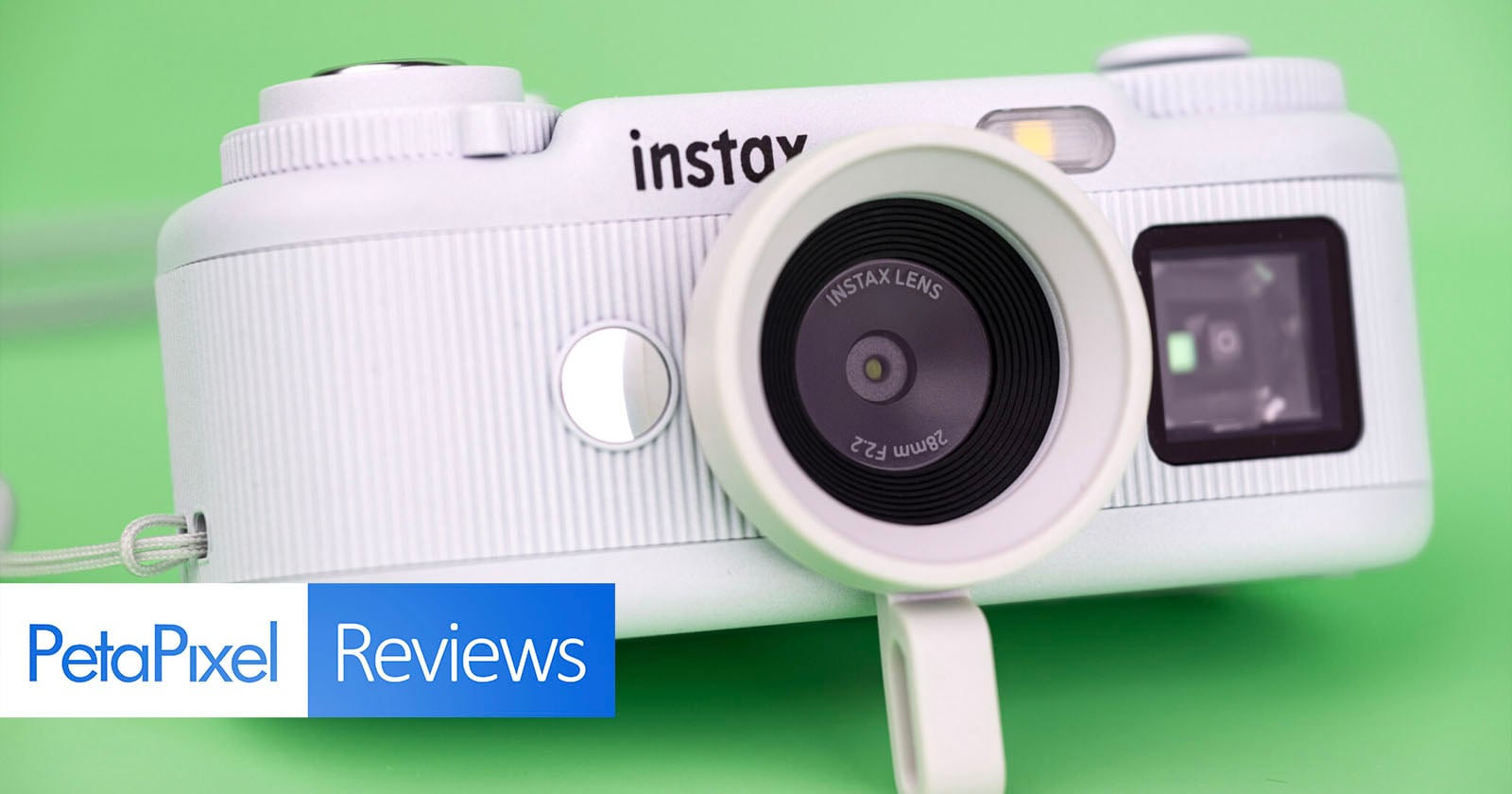
Priced at $169, the Fujifilm Instax Pal 2 sure looks like a fun time, but it certainly is not what most would call an “affordable” toy camera. In recent years, the market has seen devices like the Fujifilm X-Half, which brought a lot of style and a unique—if somewhat extraneous—way of taking pictures, yet ultimately struggled to justify its high price tag. Similarly, the Pal 2 is banking on the ongoing success of products like the Reto Charmera and the inherent risk-taking strategy of its predecessors. However, diving into what the Pal 2 offers reveals a device that can sometimes feel like an exercise in frustration just as much as a joyful creative outlet.

How It Feels to Use the Fujifilm Instax Pal 2
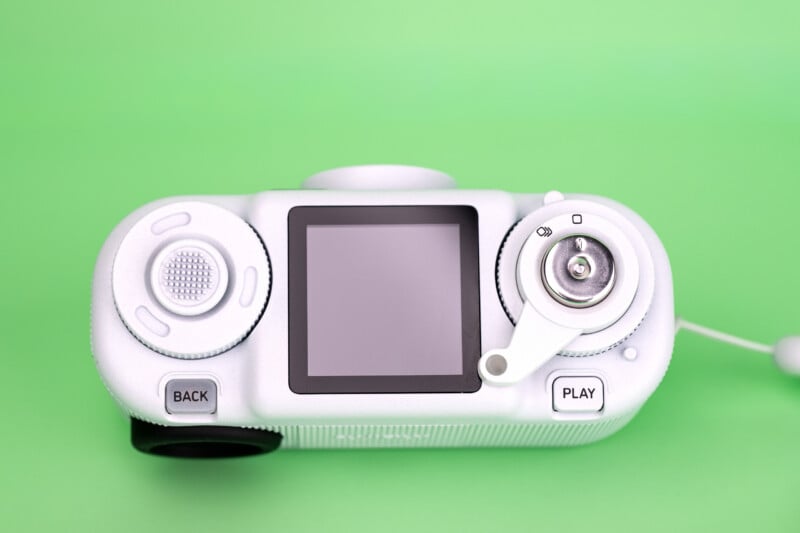
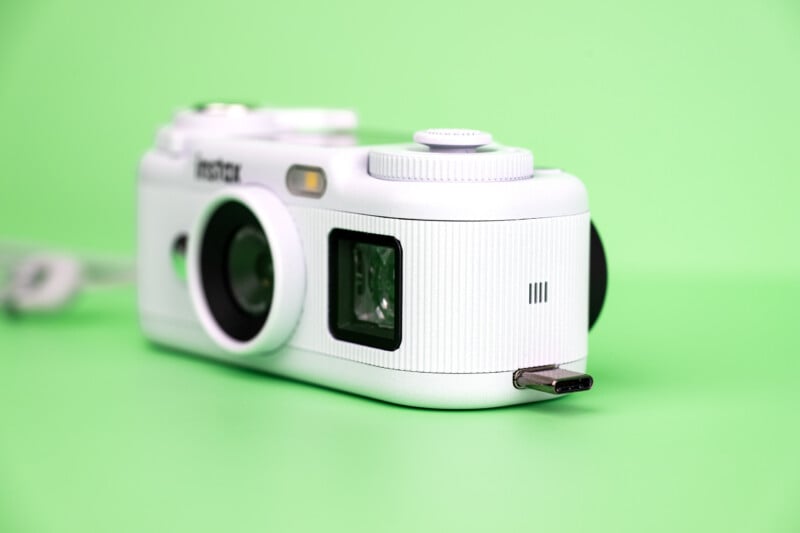
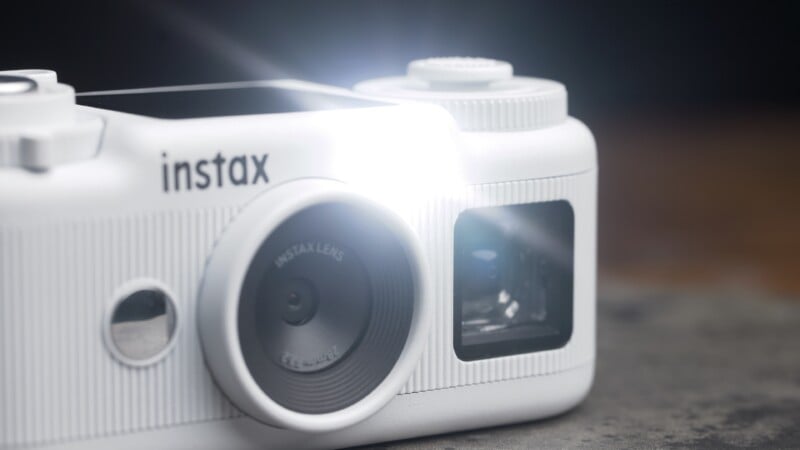
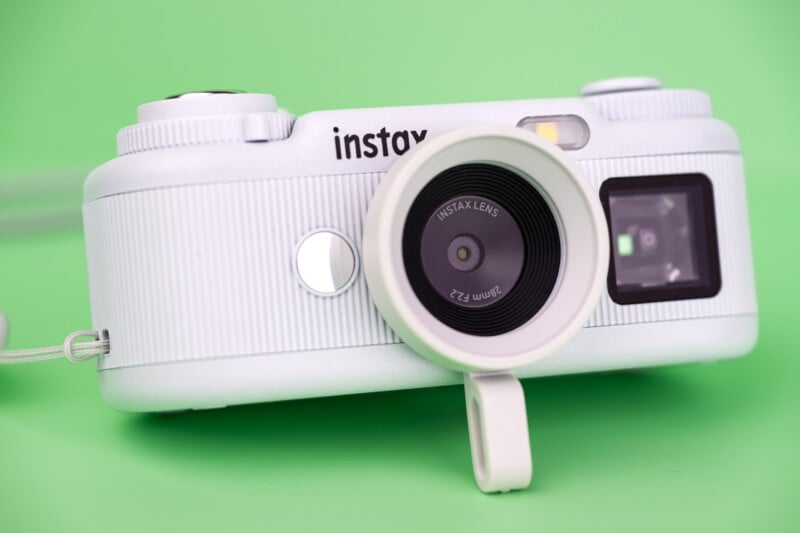
Holding the Instax Pal 2 immediately brings to mind a fidget spinner of cameras, providing plenty of tactile elements to flick, wind, and adjust. The inclusion of a joystick control for menu navigation is a welcome addition, and the physical controls are generally easy to use and locate on the small body. Onboard, users will find a rather rudimentary LED-based flash system alongside some exposure control options, though these exposure settings are buried quite deep within the internal software menu.
Focusing the camera is handled through a half-press of the shutter button, which automatically scans for faces or defaults to the center of the image if no faces are detected. Having a true focusing system rather than the zone-focus setups typically found on other dedicated Instax cameras is a genuinely appreciated upgrade.
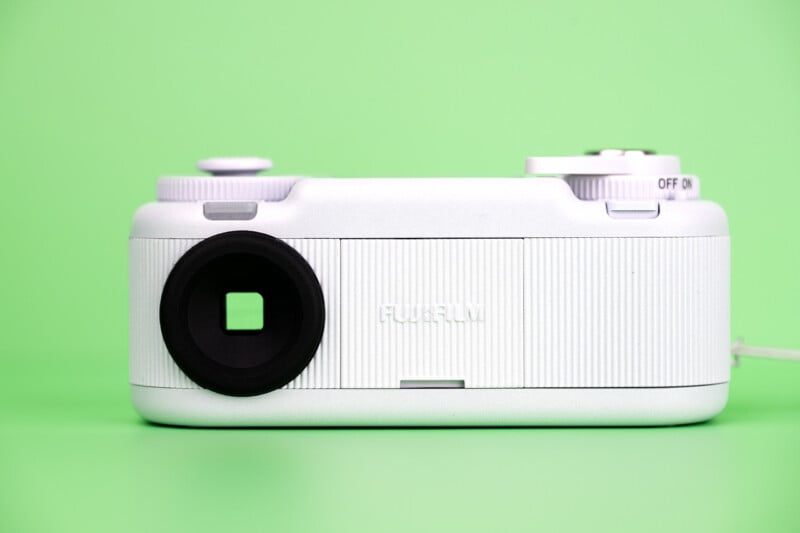
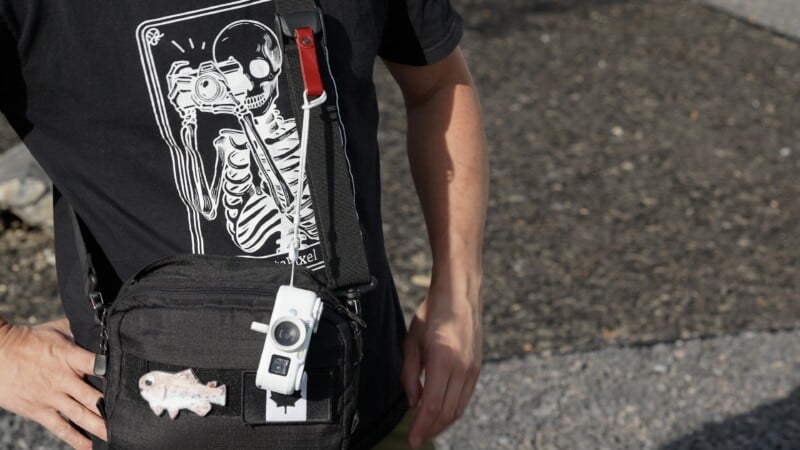
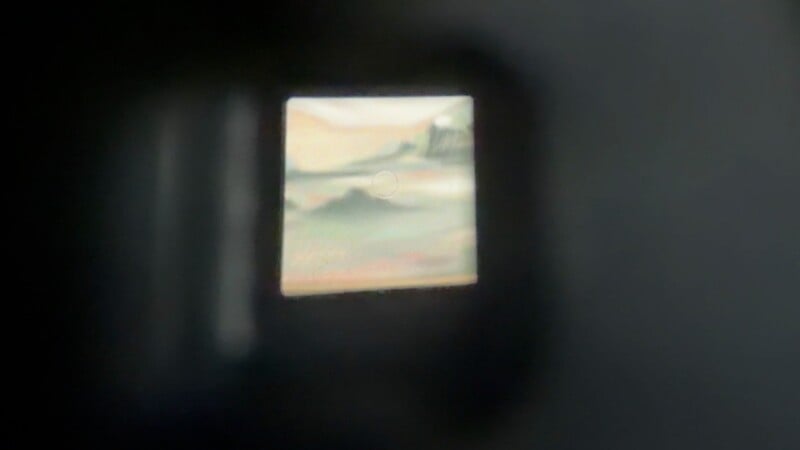
Weighing roughly three ounces, or about 80 grams, the camera is exceptionally lightweight. Users will hardly notice carrying it around during a casual walk, and its strap design allows it to be easily dangled from a camera bag or backpack so that it is always within arm’s reach. Furthermore, the device features a surprisingly functional optical viewfinder. While it offers no sensory feedback—meaning there is no indication of focus confirmation or whether a shot was successfully taken, short of listening for a very subtle digital shutter sound—shooting through the waist-level or direct viewfinder setup provides a fun, retro-styled way to compose images.
Amazingly, the tiny body even features a standard tripod mounting thread on the bottom, a rounded mirror specifically for framing selfies, and a rubber lens collar that allows the camera to be propped up securely on flat surfaces.
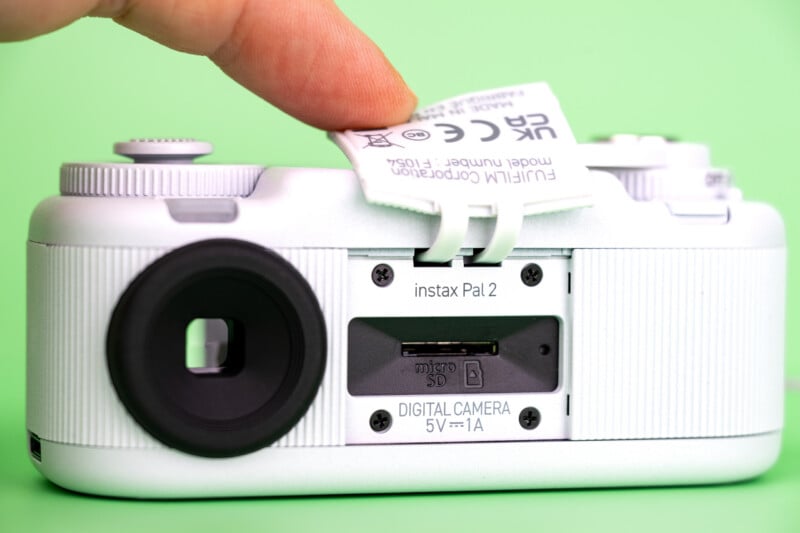
When it comes to power and storage, the Pal 2 relies on a rechargeable battery that is permanently fixed inside the camera body. While this design choice is common in modern compact electronics, it means the battery cannot be replaced and will eventually degrade over time. On the bright side, the battery life is rated for an impressive 500 shots on a full charge, which is a very respectable metric by any standard. For storage, the camera provides enough onboard memory for about 100 images—a massive step up from the meager three or four photos that typically fit on standard novelty toy cameras. For those needing more breathing room, a microSD card slot is tucked away behind a protective rubber flap, offering the convenience of removable media.
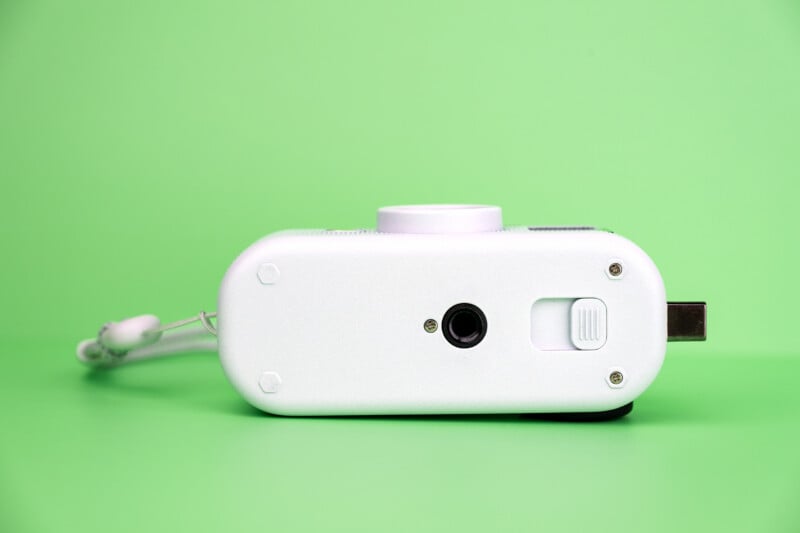
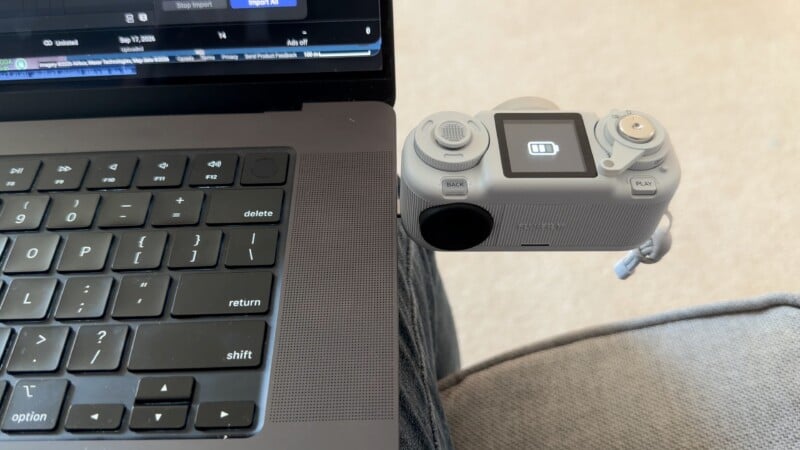
Connecting and charging the camera is handled via a USB-C port, though Fujifilm takes an unusual approach by featuring a male connector that extends directly from the side of the camera body. This design allows the Pal 2 to be plugged straight into a compatible smartphone or laptop, but it also means users will likely need a male-to-female extension cable for convenient image transfers or charging from wall bricks. While plugging the camera directly into a computer or power block is convenient, the physical vulnerability of the protruding port raises valid questions about long-term durability.
How the Instax Pal 2 Shoots in Practice
The integration of a new 10-megapixel sensor delivers notably higher resolution than the original Pal and surpasses many of the digital hybrid cameras currently available on the market. In theory, this should position the Pal 2 as an ideal walk-around device that you can keep with you at all times. In practice, however, the dynamic range remains quite limited, which is hardly surprising given the extremely small physical size of the Type 1/3.05-inch sensor.
Shooting in challenging lighting conditions frequently leads to overexposed highlights, deeply crushed shadows, and noticeable image noise. Furthermore, the camera’s built-in color filters tend to discard a significant amount of fine detail in an aggressive pursuit of character. Consequently, images lean heavily toward an overly stylized aesthetic rather than a realistic rendering of a scene.
Operating the camera in its full 10-megapixel mode is a relatively slow affair. There is a noticeable delay from the moment the shutter is pressed to when the camera actually focuses and captures the image, followed by another brief processing delay before the next shot can be taken. Switching between various color filtering modes is similarly unhurried; turning the physical selection dial too quickly can easily confuse the internal processing software and slow down operation even further.
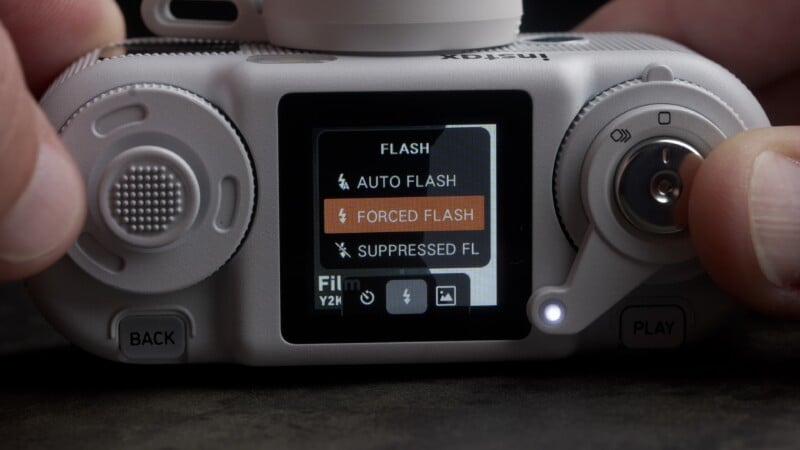
Despite these processing hurdles, the overall variety of looks provided by the filters is genuinely enjoyable. Users can curate a custom selection of six distinct visual profiles and upload them to the camera using the companion smartphone app. Interestingly, digital overlay effects such as light leaks or lens flares appear to shift at random for each exposure, introducing a delightful element of surprise and encouraging spontaneous experimentation.
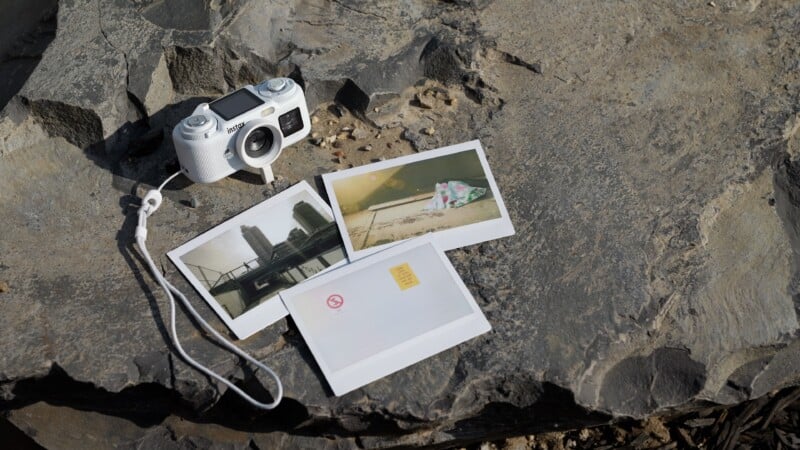
A physical thumb-winder mechanism on the top of the camera allows users to quickly cycle through different aspect ratios, transitioning from the native 4:3 frame to classic Instax formats like Mini, Square, and Wide. Selecting these formats applies a corresponding digital Instax print border directly to the image file. Additionally, an animation mode acts as a burst feature, capturing up to ten sequential 1-megapixel frames that can be viewed as a flipbook-style animation either on the device or inside the Pal app.
A Curious Camera With a Focus on Connectivity
Although marketed under the Instax banner, the Pal 2 functions primarily as a standalone digital image-capture device rather than an instant printer. Fujifilm has made it exceptionally easy to pair the camera with portable Instax printers and hybrid devices to produce physical copies, but this connectivity is largely an extension of Fujifilm’s broader ecosystem. The real heart of the Pal experience lies within the companion smartphone app, which handles image downloads, firmware management, and the uploading of custom color profiles.
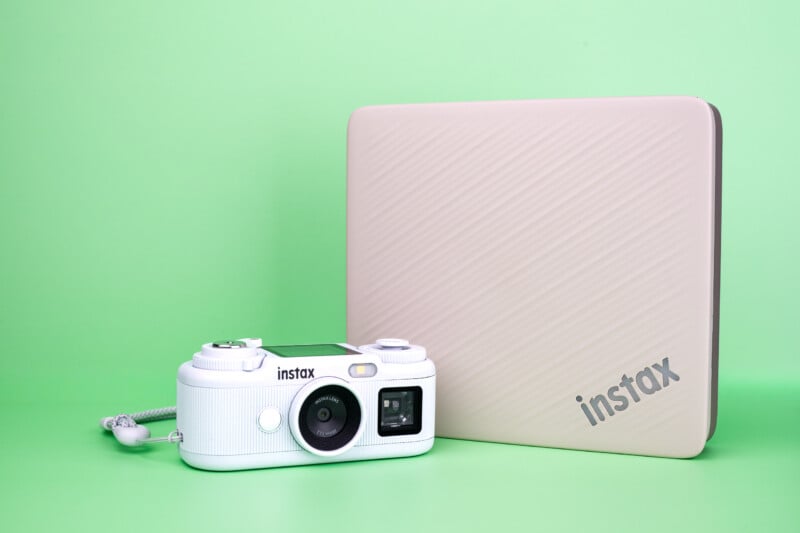
The app also provides a robust editing suite where users can crop files, rotate orientations, adjust contrast and exposure, and apply playful stickers, emojis, or date stamps before sharing creations online or printing them out on analog film. Fujifilm clearly understands how to make device connectivity engaging, and the Pal 2 serves as a prime example of this engineering focus.
However, this seamless software connection contrasts sharply with the physical capture process, which remains unhurried and deliberate. For prospective buyers, the Pal 2 is best viewed as a significantly more capable, higher-resolution evolution of the popular Kodak Charmera. It offers better image quality, more versatile handling, advanced color modes, and the enduring charm of a pocketable, lanyard-friendly design, albeit at a much steeper $169 price point.

For those who already own a device like the Charmera but wish for superior picture quality and full integration with the Instax printing lineup, the Pal 2 offers plenty of appeal. Conversely, buyers seeking a straightforward, high-performance point-and-shoot camera will likely find better value elsewhere.