



The core philosophy of Financial Independence, Retire Early (FIRE) faces renewed scrutiny as a new generation of prospective retirees grapples with a dramatically transformed economic landscape. A recent critique shared on a prominent financial independence platform highlights a growing sentiment among younger and middle-income earners: the perception that the path to financial freedom has narrowed significantly due to soaring housing costs, elevated interest rates, and the prohibitive expense of homeownership in modern metropolitan centers.
The reader’s commentary points to a broader frustration felt by those who missed the window of lower property values and tech-boom salaries that defined the previous decade. According to the reader, standard financial independence advice—such as house hacking, purchasing fixer-uppers, or dividing properties into accessory dwelling units—frequently clashes with modern municipal zoning laws, inflated real estate prices, and borrowing costs. For individuals entering the workforce or seeking to build wealth in the post-pandemic era, these traditional strategies can feel completely out of reach.
Financial independence advocates, however, argue that while economic conditions evolve, the fundamental principles of the movement remain resilient. Rather than rendering the philosophy obsolete, current market dynamics require a shift away from perceived limitations and toward data-driven decision-making, spending efficiency, and geographic flexibility.

Evaluating the Economic Realities of Modern Housing
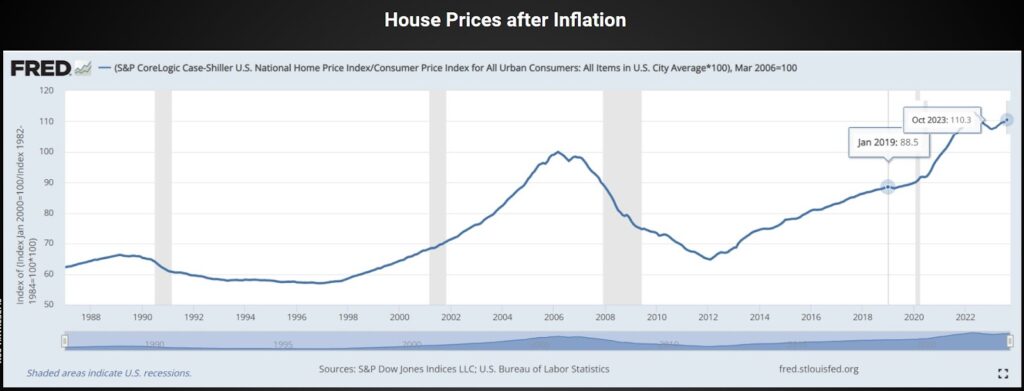
To determine whether the traditional path to financial independence remains viable, experts suggest examining macroeconomic data rather than relying solely on anecdotal impressions. Federal Reserve economic data indicates that nationwide housing prices, when adjusted for inflation, have risen by approximately 25 percent relative to average salaries and general consumer goods since the beginning of 2019. While this increase represents a notable hurdle for buyers, it places current valuations roughly 10 percent above the previous market peak recorded in early 2006, nearly two decades ago.
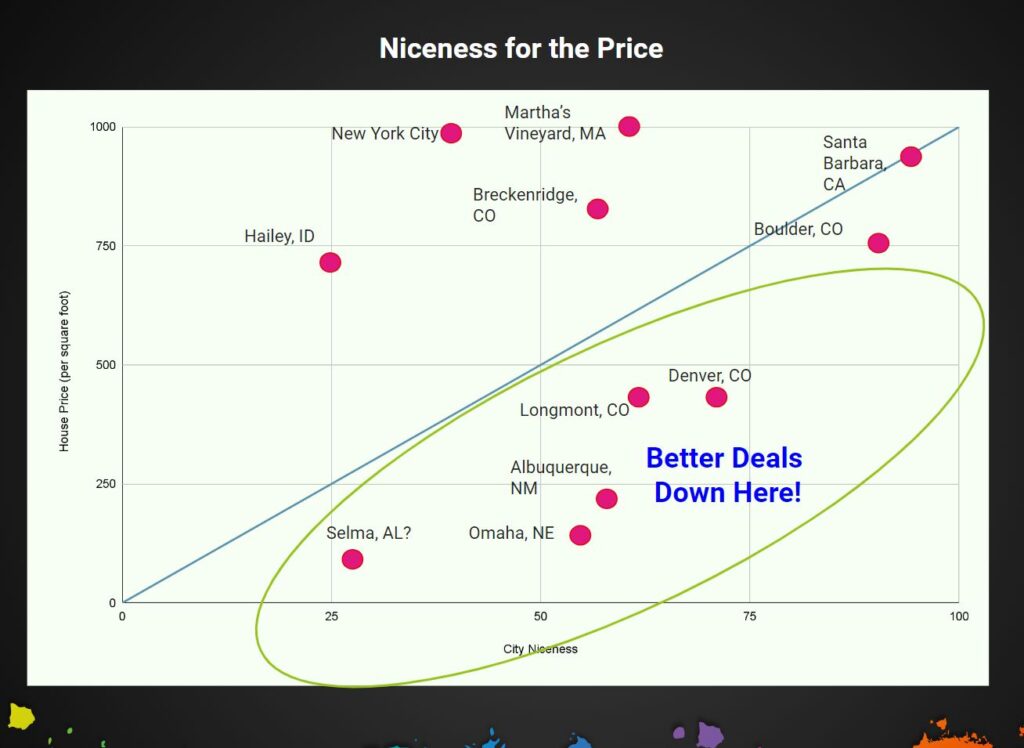
This nationwide perspective, however, obscures significant regional disparities. In many popular mid-sized cities and technology hubs, housing costs have surged far beyond the national average. For instance, in areas like Longmont, Colorado, median home prices have tripled since the early 2010s, vastly outpacing local wage growth and making standard real estate acquisition nearly impossible for the average earner.
Financial independence strategists argue that overcoming these localized barriers requires dismantling the assumption that individuals are permanently tethered to their birthplace or current place of residence. Just as consumers do not expect to effortlessly afford luxury consumer goods in high-cost enclaves simply because they happen to live there, housing must be evaluated as a mobile commodity subject to regional supply and demand. When local markets become disconnected from reasonable value, the most effective financial response involves exploring alternative geographic regions where housing costs align more closely with income levels.
Leveraging Data to Find Value in Housing Markets
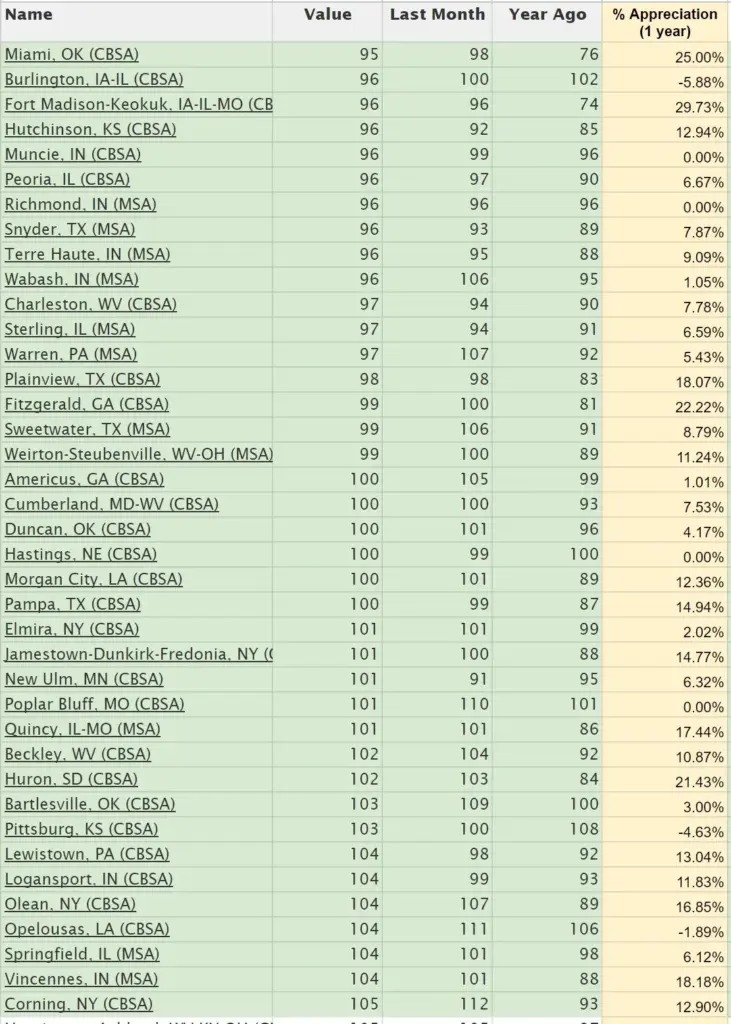
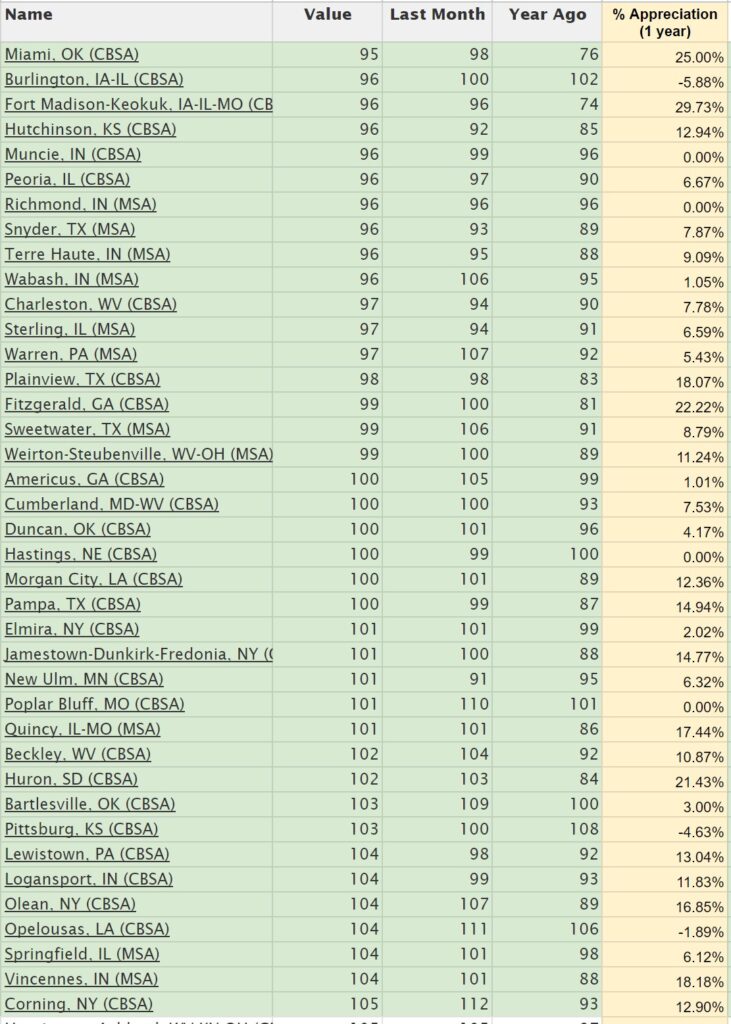
Analyzing housing costs on a square-foot basis reveals significant opportunities across various metropolitan areas. Federal economic datasets tracking the price per square foot across hundreds of metro regions demonstrate a wide spectrum of affordability, separating high-cost regions from communities where housing remains accessible.
For individuals willing to look beyond high-demand coastal or mountain enclaves, numerous mid-sized metropolitan areas offer stable economies, favorable climates, and housing inventory priced around one hundred dollars per square foot. This disparity allows individuals and families to optimize their living standards while drastically reducing their primary monthly expense. Because housing typically constitutes the largest expenditure for most households, even minor shifts in geographic positioning can yield substantial long-term savings, accelerating the timeline toward financial independence.
Furthermore, digital resource tools created within the financial independence community allow prospective retirees to model their living expenses globally. By factoring in specific criteria such as desired family size, climate preferences, and monthly budgets, individuals can evaluate potential relocation options ranging from emerging regional hubs in North America to international destinations in South America.
While international relocation introduces logistical challenges—such as navigating new legal frameworks, obtaining residency permits, and adjusting to unfamiliar cultural traditions—advocates emphasize that these hurdles are manageable administrative tasks rather than insurmountable barriers. Successfully managing these transitions often provides the exact financial leverage required to bypass years of additional labor in a high-cost domestic market.
Shifting Focus from Income to Waste Reduction
Beyond geographic flexibility, financial independence practitioners emphasize that excessive spending remains a primary obstacle to wealth accumulation, regardless of overall income level. Historical observations indicate that high earners, including medical professionals and software engineers, frequently experience financial stress not due to insufficient compensation, but because their consumption scales directly with their earnings. Maintaining high expenditures over decades makes it mathematically difficult to build substantial savings, proving that income magnitude alone does not guarantee financial security.
Consequently, modern financial independence strategies continue to prioritize spending efficiency and the elimination of financial waste over chasing perpetually higher salaries. By streamlining expenses and focusing on purposeful consumption, individuals across all income brackets can preserve capital without sacrificing their overall quality of life.
Ultimately, navigating the post-pandemic economic environment requires individuals to reclaim agency over their living arrangements and consumption habits. Whether through local neighborhood adjustments, domestic relocation to more balanced housing markets, or international exploration, the foundational tenets of financial independence remain centered on thoughtful choices, disciplined data analysis, and the willingness to challenge conventional lifestyle assumptions.