
This article is sponsored by JustFoodForDogs. Vetstreet maintains editorial control and may earn a commission from qualifying purchases, at no extra cost to you.
The modern pet food aisle presents dog owners with an unprecedented array of choices. Where pet stores once offered a simple choice between bags of dry kibble and cans of wet food, today’s market features an intricate landscape of fresh cooked meals, raw diets, freeze-dried nuggets, and dehydrated formulas.
This vast selection can easily lead to confusion. The physical format of a dog food—whether it is crunchy, moist, frozen, or powdered—does not, on its own, indicate its nutritional value. None of these formatting names guarantee that a diet is nutritionally complete or appropriate for a specific dog.
To make an informed decision, pet owners must look beyond marketing buzzwords and evaluate dog food through three fundamental questions: Is the food cooked? How is it preserved? Is it formulated to serve as the dog’s primary, daily diet? By answering these questions, households can match a suitable recipe to their dog’s specific biological needs and their own daily routines, without mistakenly treating a food’s physical texture as a measure of its quality.
Redefining the Categories: A Modern Map of Dog Food Formats
Historically, industry discussions categorized pet food into three broad groups based primarily on moisture content: dry, semi-moist, and wet. While this classic three-part division remains a useful way to discuss water content, it fails to capture the complexity of today’s retail environment. Modern soft dog foods, for instance, can encompass entirely different preparation styles with vastly different nutritional profiles and intended purposes.
Today, a practical evaluation of the market reveals six distinct, overlapping categories: traditional dry kibble, wet canned or pouched food, cooked fresh meals, raw diets, freeze-dried options, and dehydrated or air-dried foods.
Understanding how these categories differ requires examining their preparation and storage demands. Dry kibble consists of shelf-stable, dry pieces that are commonly shaped through a manufacturing process called extrusion. Wet food, by contrast, is a high-moisture option typically preserved in sterile cans, trays, or pouches. Cooked fresh meals are moist, gently prepared options that require cold storage, such as refrigeration or freezing, to remain safe.
Raw diets utilize uncooked animal ingredients and demand rigorous safety checks due to potential pathogen exposure. Freeze-dried foods are prepared by removing water from frozen ingredients under reduced pressure, preserving the food’s structure while rendering it shelf-stable. Finally, dehydrated and air-dried foods rely on warm air currents to slowly evaporate moisture, resulting in concentrated, lightweight pieces that sometimes require rehydration before serving.
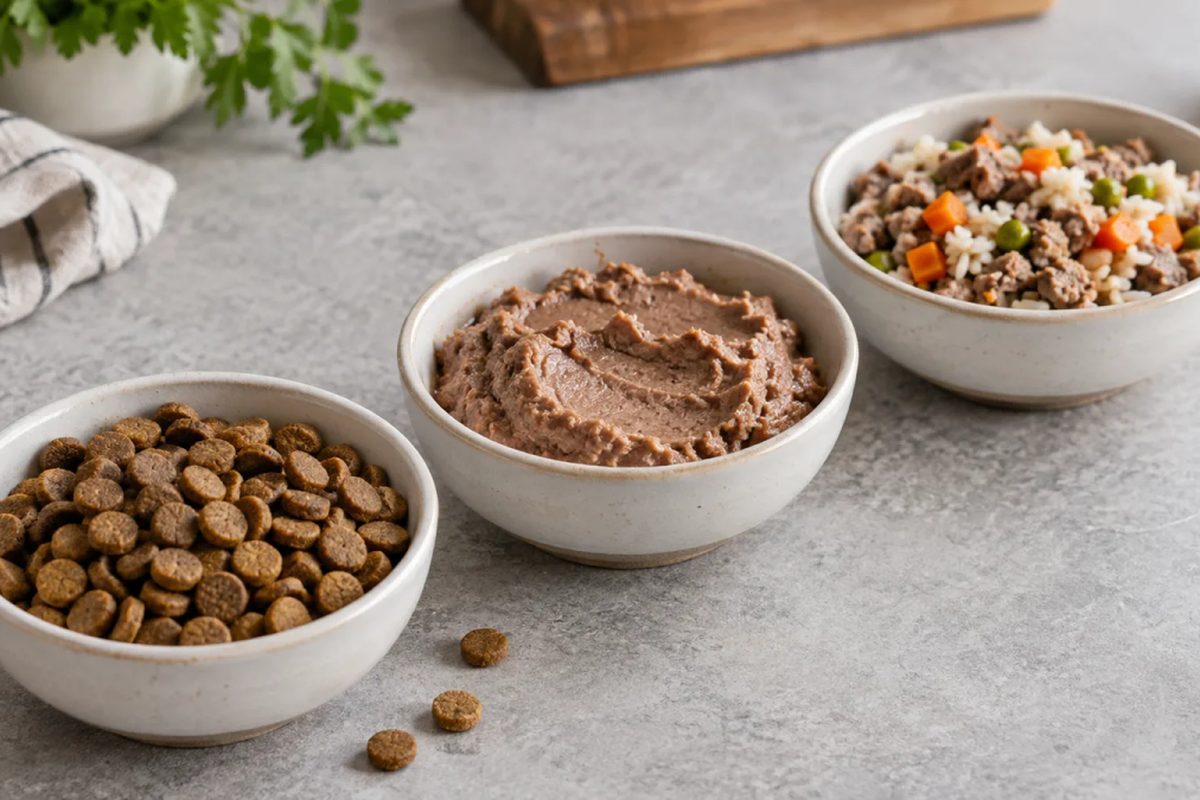
The boundaries between these categories are highly fluid. A raw product can be sold frozen in a roll or freeze-dried in a resealable bag. A cooked meal can arrive frozen at a pet owner’s door or sit shelf-stable in a specially designed pantry pouch. Because of these overlapping characteristics, simply looking at where a product is displayed in a store—whether in a freezer chest or on a dry shelf—will not reveal the full story of how it was manufactured or what nutritional role it is designed to play.
The Staples of Pet Nutrition: Analyzing Dry Kibble and Wet Food
For decades, dry kibble and wet canned food have served as the foundational pillars of pet nutrition. Both formats are capable of providing excellent, complete daily nutrition, provided the specific recipe carries an official adequacy statement confirming it meets recognized nutritional standards. However, their physical differences significantly impact daily feeding routines, caloric density, and storage logistics.
Dry kibble remains popular due to its convenience and shelf stability. Yet, different types of dry dog food can vary dramatically in kibble size, shape, manufacturing methods, and ingredient quality. Some dry recipes are formulated for general adult maintenance, while others are precisely tailored for puppy growth or veterinarian-directed therapeutic needs. Because of this variation, pet owners should not treat dry foods as interchangeable.
When feeding kibble, portion control is critical. Different recipes have different caloric densities; a single measuring cup of one brand may contain significantly more or fewer calories than the same volume of another. Measuring portions based on the manufacturer’s specific guidelines—and adjusting for the individual dog’s target weight—is much safer than relying on a generic scoop.
Wet dog food, which includes textures ranging from smooth pâtés to chunky stews and gravies, offers a highly palatable, moisture-rich alternative. The packaging—whether a metal can, a plastic tray, or a flexible pouch—does not dictate the quality of the contents.
A common pitfall for pet owners is assuming that every canned product is designed to be a complete meal. Many wet foods, such as broths, gravies, and pure meat tins, are formulated only for intermittent or supplemental feeding. It is vital to read the nutritional adequacy statement on the label rather than assuming a can represents a balanced diet.
Furthermore, comparing wet and dry foods requires looking at caloric density rather than package weight. Because wet food has a high water content, a large can may provide fewer total calories than a much smaller, concentrated portion of dry kibble. This difference in moisture also affects storage. While dry kibble can be stored in a cool, dry place after opening, wet food must be refrigerated immediately once opened and consumed within a strict timeframe to prevent spoilage.
Texture changes can also serve as an important indicator of a dog’s health. If a dog who normally enjoys crunchy kibble suddenly avoids hard food and prefers soft textures, this behavior should not simply be addressed by switching formats. A sudden reluctance to chew hard food can be a sign of underlying dental disease, oral pain, or other systemic medical issues. Pet owners should consult a veterinarian to diagnose the root cause of any sudden dietary preference changes, rather than assuming a softer food format is a simple cure.
The Rise of Fresh and Gently Cooked Formats
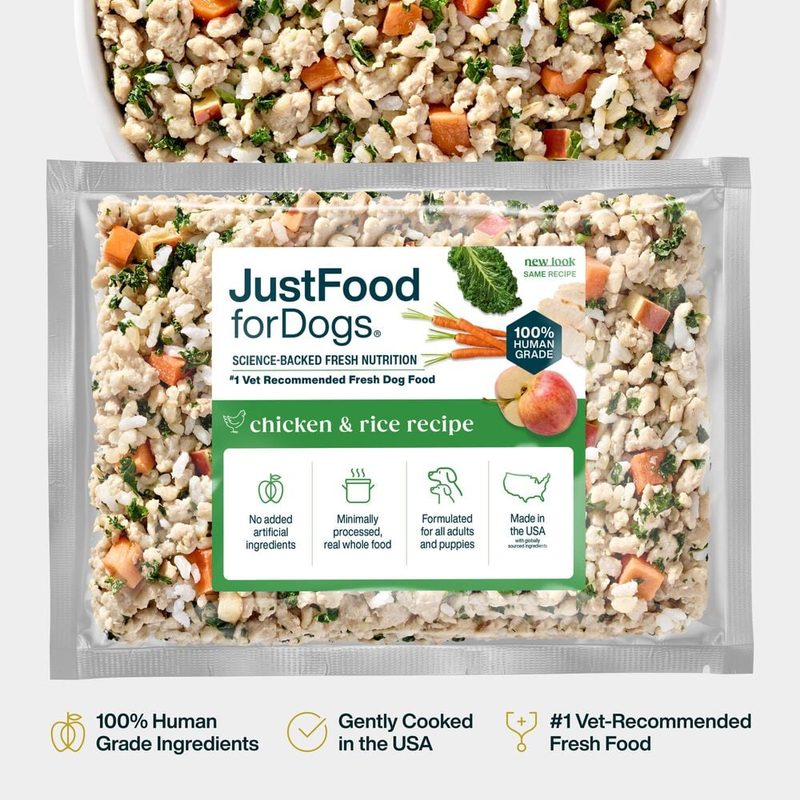
In recent years, fresh and gently cooked pet foods have emerged as a prominent category, appealing to owners who prefer a diet that closely resembles whole-food ingredients. These meals typically retain a high moisture content, featuring visible pieces of meats, grains, and vegetables. They are generally distributed through cold chains and sold refrigerated or frozen.
It is important to clarify that "fresh" does not mean "raw." A cooked fresh meal has undergone a thermal processing step to eliminate harmful bacteria while preserving texture and moisture. Freezing a raw meal, conversely, does not make it a cooked food.
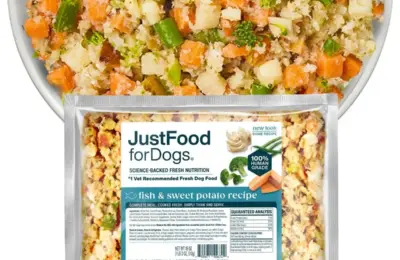
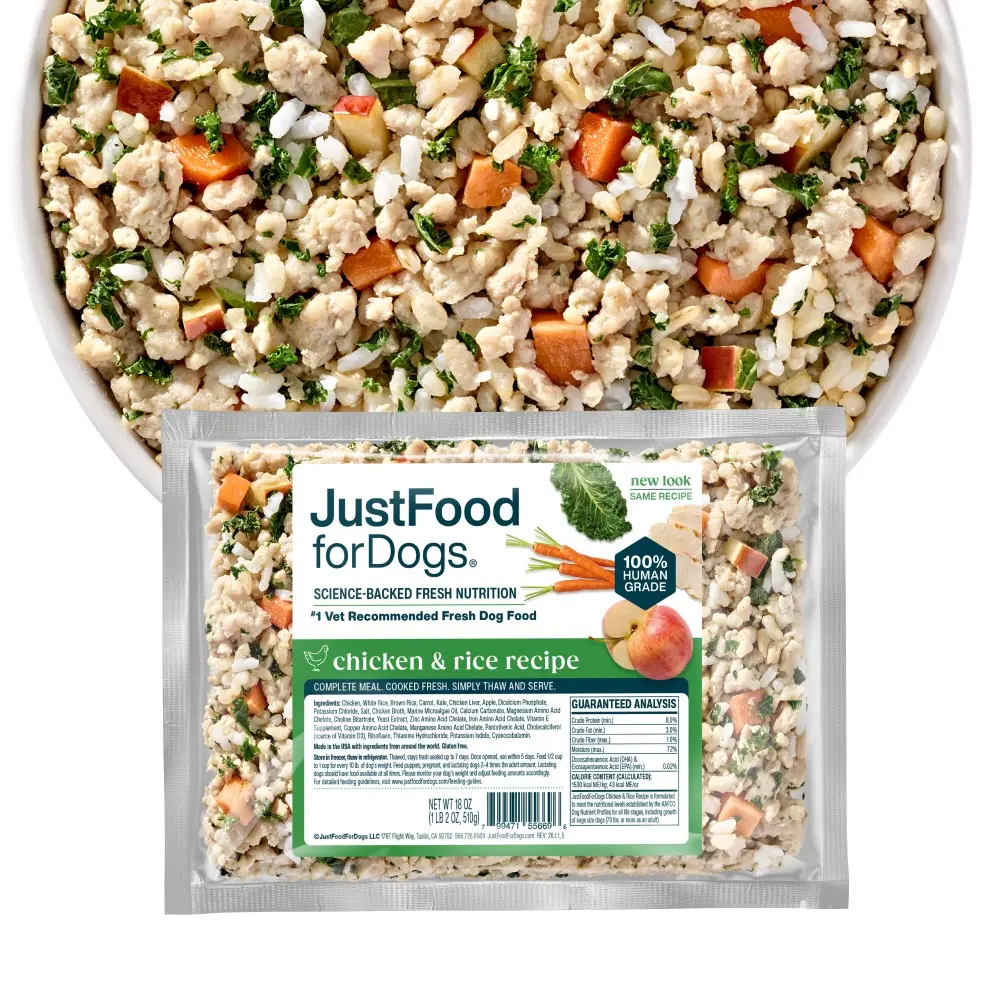
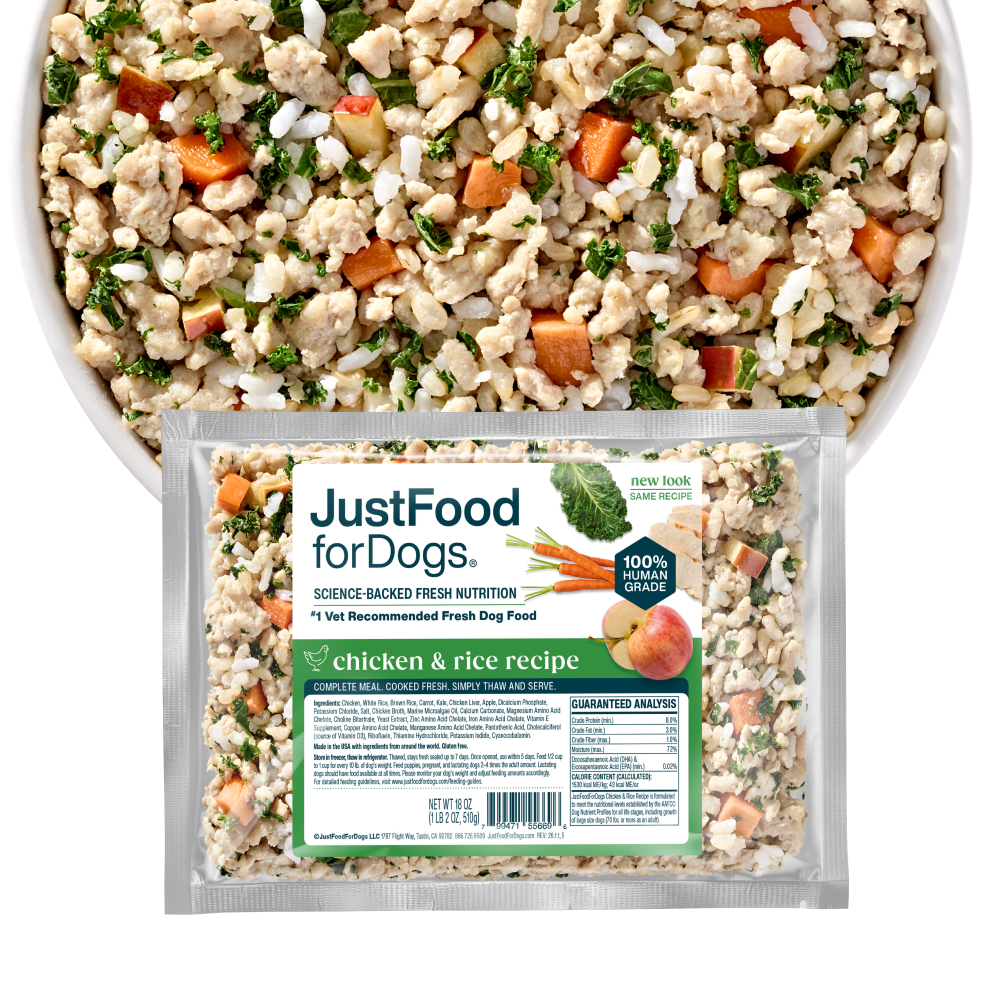
For pet owners seeking a fresh-style diet without the biological risks associated with raw meats, commercially prepared fresh cooked meals offer a practical solution. For example, products like JustFoodForDogs Fresh Frozen meals combine the nutritional profile of gently cooked ingredients with the natural preservation of freezing.
However, there is a profound difference between purchasing a commercially formulated, complete fresh diet and preparing a home-cooked meal. Simply cooking ground meat, rice, and vegetables in a home kitchen does not guarantee a balanced diet. Without precise recipe formulation and appropriate vitamin and mineral supplementation, home-prepared diets often lack critical nutrients, which can lead to severe nutritional deficiencies or toxicities over time.
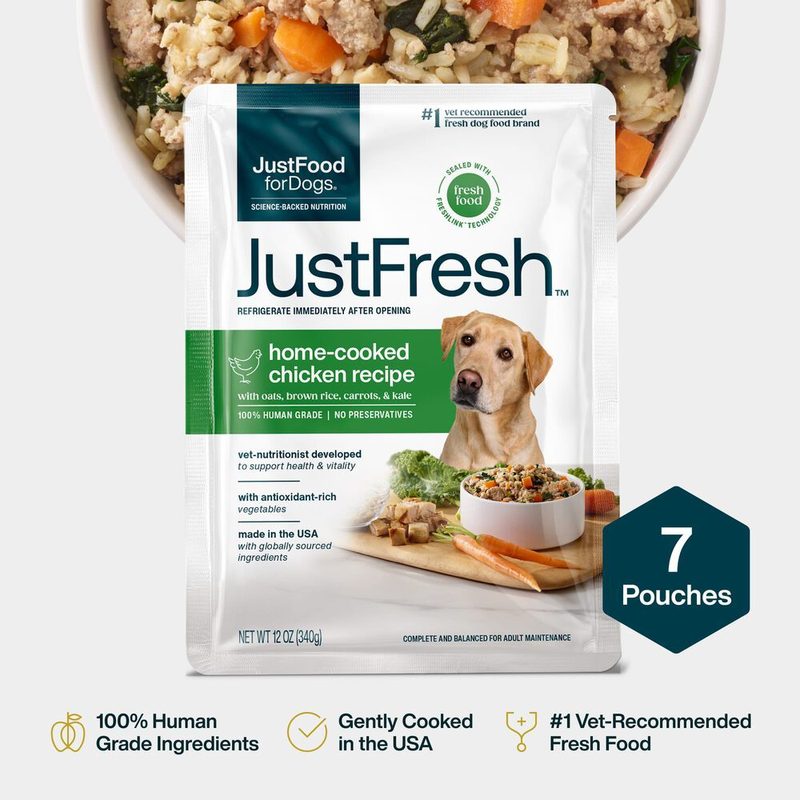
Commercial fresh food manufacturers employ veterinary nutritionists to ensure their recipes meet strict nutritional profiles. For households with limited freezer space, frozen fresh meals can present storage challenges. In response, the pet food industry has introduced alternative fresh formats, such as JustFoodForDogs JustFresh Chicken, which utilizes specialized, shelf-stable packaging to deliver a cooked, fresh-style meal that can be stored in a pantry until opened.
Navigating Raw, Freeze-Dried, Air-Dried, and Dehydrated Options
The categories of raw, freeze-dried, air-dried, and dehydrated foods are frequently conflated because some terms describe cooking status while others describe moisture removal. Raw food contains entirely uncooked animal ingredients, which can be sold frozen, refrigerated, or dried. Dehydration, air-drying, and freeze-drying are preservation techniques that can be applied to either raw or cooked ingredients.
Freeze-drying is a process that removes water from frozen ingredients through sublimation under reduced pressure. This technique preserves the food’s cellular structure and nutritional integrity while making it highly shelf-stable.
Some freeze-dried foods are designed to be rehydrated with water before serving, while others can be fed dry. Adding water changes the physical weight and volume of the food in the bowl, but it does not add calories or alter the raw status of the ingredients. Owners must measure freeze-dried portions carefully based on the manufacturer’s dry weight instructions to avoid overfeeding.
Dehydrated and air-dried foods rely on different drying mechanisms, typically using gentle heat and air circulation to evaporate moisture. Because processing temperatures and sequences vary widely among manufacturers, pet owners should not assume that all dehydrated foods are raw, nor should they assume that air-dried products are automatically cooked and free of pathogens. It is always best to contact the manufacturer directly to clarify the cooking status of a specific dried food.
The safety of raw diets remains a subject of significant public health discussion. The Centers for Disease Control and Prevention (CDC) and the U.S. Food and Drug Administration (FDA) have issued clear guidance advising against feeding raw pet foods. These agencies emphasize that uncooked animal ingredients carry a high risk of contamination with dangerous pathogens, such as Salmonella and Listeria monocytogenes.
These bacteria pose health risks not only to the pets consuming the food but also to the humans in the household who handle the food, wash the bowls, or come into contact with the pet’s saliva and feces. Importantly, processing methods like freezing, freeze-drying, or dehydration do not reliably eliminate these microbial hazards from raw ingredients. If an owner chooses to feed a raw format, they must implement strict hygiene protocols to mitigate these food-safety risks.
Understanding Product Roles: Complete Diets, Toppers, and Therapeutic Foods
A dog food’s physical format is entirely separate from its intended nutritional role. A fresh meal, a dry nugget, or a canned pâté can each be formulated to perform very different nutritional tasks.
To determine what job a specific product is designed to do, pet owners must look for the Association of American Feed Control Officials (AAFCO) adequacy statement on the packaging. This statement clearly identifies whether a food is formulated as a complete and balanced daily diet, a supplemental topper, or a therapeutic formula.
A complete and balanced diet contains all the essential nutrients a dog requires daily in the correct proportions. Conversely, products labeled for "intermittent or supplemental use," often marketed as mixers, toppers, or broths, are designed to add flavor or variety to an existing diet. They do not contain the full spectrum of necessary vitamins and minerals.
If an owner repeatedly adds large amounts of a supplemental topper to a dog’s bowl, they risk diluting the overall nutrient intake of the dog’s primary diet. As a general rule, supplemental foods and treats should not exceed ten percent of a dog’s daily caloric intake.
Life stage qualifications are equally critical, particularly when feeding growing puppies. Puppies require precise ratios of calcium, phosphorus, and energy to support healthy skeletal and muscular development.
A complete adult maintenance diet does not provide the appropriate nutrition for a puppy, regardless of how soft or easy to chew the food might be. For large-breed puppies, the food must also carry a specific qualification indicating it has been formulated to support their rapid growth rates.
Therapeutic diets represent another specialized category. These formulas are developed to support the management of specific medical conditions, such as kidney disease, urinary issues, or food allergies. Whether a therapeutic diet is delivered as a dry kibble or a moist canned food is secondary to its precise nutrient profile.
Pet owners should never alter a prescribed therapeutic diet, add supplemental toppers, or mix it with other foods without consulting their veterinarian, as doing so can disrupt the therapeutic balance and compromise the dog’s medical management.
Establishing a Safe Feeding Routine and Transitioning Successfully
Selecting the ideal dog food format requires balancing the biological needs of the dog with the practical realities of the household. The best format is one that the owner can store safely, portion accurately, and afford consistently over the long term.
For households with limited cold storage, a shelf-stable cooked food or a high-quality dry kibble may be more practical than a frozen fresh diet. Frequent travelers may prioritize the lightweight portability of dehydrated or freeze-dried options.
When establishing a daily feeding routine, tools like the JustFoodForDogs feeding calculator can help owners estimate appropriate starting portions. However, these calculators provide estimates rather than absolute rules. Owners must monitor their dog’s body condition, weight, and energy levels, adjusting portions as necessary to maintain an ideal body condition.
Any transition to a new dog food format should occur gradually over a period of seven to ten days. Introducing a new food too quickly can cause gastrointestinal upset, including vomiting, diarrhea, or decreased appetite.
To transition safely, owners should gradually mix increasing amounts of the new food with decreasing amounts of the old food. Throughout this period, close attention should be paid to the dog’s stool quality, appetite, and general behavior. If digestive issues persist, pet owners should seek veterinary advice rather than assuming a different physical format will automatically resolve the issue.

Ultimately, navigating the diverse world of dog food formats is simplified when owners focus on the core principles of pet nutrition. By understanding how a food is prepared, how it is preserved, and the nutritional role it is designed to perform, owners can confidently choose a diet that supports their dog’s lifelong health and fits seamlessly into their daily lives.
Frequently Asked Questions
What is the healthiest type of dog food?
There is no single "healthiest" format of dog food. A dog’s individual nutritional needs—determined by life stage, activity level, health status, and food tolerances—matter far more than whether the food is dry, wet, or fresh. High-quality, complete, and balanced recipes can be found across dry, wet, and cooked fresh formats. Because raw foods carry documented safety risks for pets and families, choosing the healthiest option involves evaluating the specific recipe’s formulation, quality controls, and suitability for your household routine.
What are the different categories of dog food?
Dog food categories are defined by moisture levels, processing methods, and nutritional roles, and these groupings often overlap. Based on water content, foods are classified as dry, semi-moist, or wet. Based on preparation, they can be categorized as cooked, raw, freeze-dried, or dehydrated. From a functional perspective, products are divided into complete daily diets, supplemental toppers, or veterinary-directed therapeutic formulas. A single product will often belong to multiple categories simultaneously.
What are the different types of fresh dog food?
Fresh dog food typically refers to gently cooked meals made with whole-food ingredients. These are available in three main formats: refrigerated, frozen, or shelf-stable pouches that do not require refrigeration until opened. While home-cooked diets are also a form of fresh food, they must follow a professionally formulated recipe to ensure long-term nutritional balance. Fresh cooked foods should not be confused with raw diets, which do not undergo a cooking step.
Are dehydrated dog foods always raw?
No, dehydrated dog foods are not always raw. Dehydration simply refers to the process of removing moisture using warm air. Some manufacturers cook the ingredients before or during the dehydration process, while others dehydrate raw ingredients. Because terminology and processing standards vary, you should consult the manufacturer’s product details to verify the cooking status of a specific dehydrated food.
Can a topper replace a complete dog food?
No, a product formulated as a topper or mixer is designed for supplemental feeding only and cannot replace a complete and balanced daily diet. Toppers lack the essential vitamins, minerals, and amino acids required to support a dog’s long-term health. To prevent nutritional imbalances, ensure that toppers and other treats make up no more than ten percent of your dog’s daily caloric intake.