


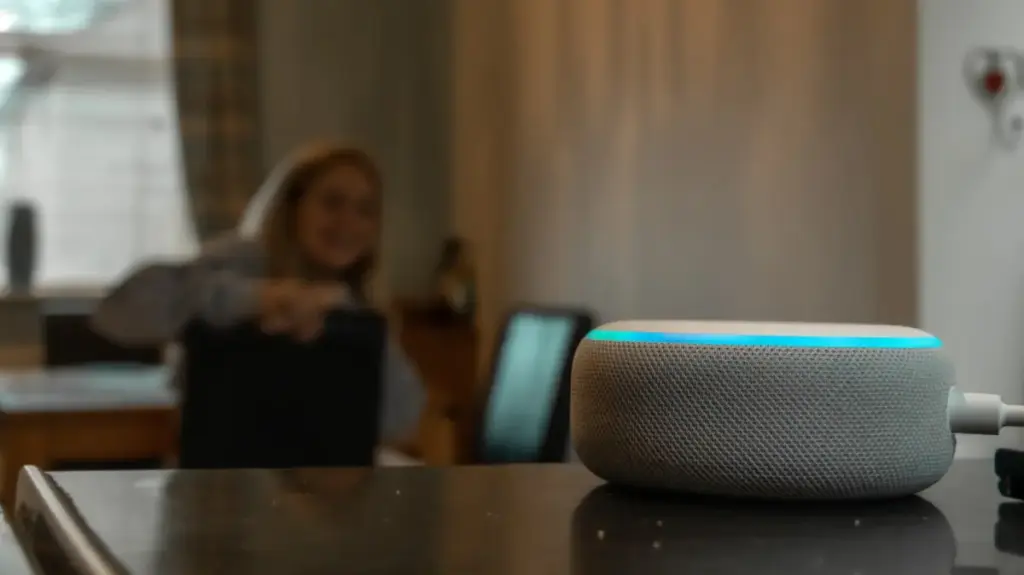
The presence of Amazon Alexa in modern households has expanded rapidly since its initial commercial introduction, cementing smart speakers and displays as everyday consumer electronics. With more than 600 million Alexa-enabled devices purchased worldwide, the voice assistant ecosystem has transformed how people interact with technology in domestic spaces. While this sales figure does not translate directly to a static number of active, daily users, it represents an impressive proliferation of voice-activated hardware. This footprint is poised to grow even larger following recent product announcements from Amazon, which introduced a fresh wave of hardware, including new iterations of Alexa-integrated tablets, smart displays, and security integration devices like Ring locks.
Placing a microphone-centric device in nearly every room of a home naturally evokes comparisons to surveillance culture, particularly as consumers build interconnected smart home ecosystems capable of controlling lighting, security, entertainment, and climate systems. The integration of advanced features such as the ongoing rollout of Alexa+, an AI-driven assistant designed for more sophisticated, real-world utility, further deepens the connection between domestic life and cloud-connected hardware. This growing capability raises a persistent question among privacy-conscious consumers: Is Alexa constantly eavesdropping on private conversations? According to technical experts and Amazon’s operational disclosures, the reality is more nuanced and depends entirely on how the concept of "listening" is defined.
Why Your Alexa Is Always Listening
In a strict technical sense, Amazon maintains that an Alexa-enabled device is not recording, streaming, or listening verbatim to every conversation held within its earshot. Instead, the hardware operates in a continuous state of passive audio processing, scanning the ambient soundscape for specific acoustic patterns that match its designated wake word. This mechanism functions similarly to hearing a familiar voice in a noisy room while wearing earplugs; the exact words and context of the surrounding chatter remain unintelligible, but a distinct, recognizable acoustic trigger will immediately catch attention because it matches a deeply familiar pattern.
Once an Echo speaker, smart display, or tablet recognizes its wake word, it transitions out of this localized, passive state into active listening. Only at that exact moment does the device begin recording the subsequent request, packaging the audio file, and transmitting it to Amazon cloud servers for processing and execution.
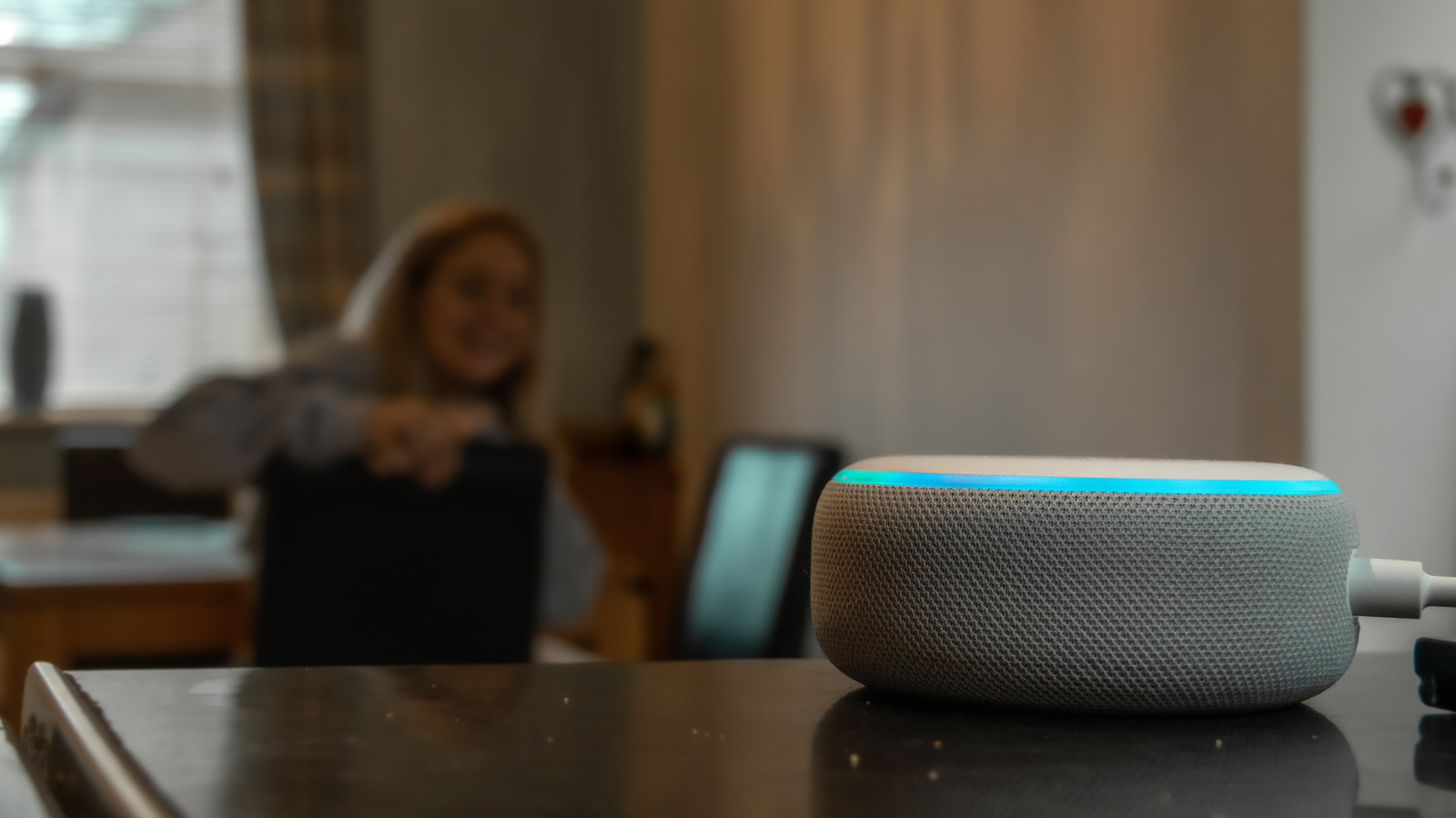
This technical architecture represents the compromise engineers engineered between user privacy and conversational functionality. For a voice assistant to fulfill its primary purpose of responding to natural language commands, some level of continuous environmental monitoring is unavoidable. Without an active sensor checking for a wake word, the device would have no mechanism to know when a user is addressing it.
To mitigate privacy concerns, Amazon has designed these hardware units to minimize the retention of extraneous audio. The system is programmed to save only direct interactions initiated by the wake word, rather than continuously archiving background dialogue. Furthermore, the company provides hardware controls and software dashboard settings that allow users to modify how their data is handled, offering a layer of customization for those uncomfortable with passive ambient monitoring.
How to Improve Privacy with Alexa
Consumers seeking to eliminate any possibility of passive audio monitoring have direct physical options available. The most absolute method for silencing an Alexa device is to manually mute the microphone using the physical hardware switch built into the unit. On nearly all Amazon-manufactured Echo devices, this control is located on the top casing and is marked with a microphone icon intersected by a diagonal slash. Activating this switch physically disconnects the microphone circuit, a state confirmed visually by a glowing red light ring on the device. While this manual approach requires users to press the button each time they wish to issue a voice command, thereby altering the seamless convenience the system is designed to provide, it completely resolves concerns regarding unintended listening.
For users who prefer to maintain voice activation without resorting to manual muting, Amazon provides software configurations within the Alexa companion application to manage data retention and bolster privacy protections. Within the account settings menu, users can navigate to privacy controls to determine how long voice recordings are stored in the cloud. The platform typically provides multiple retention tiers, ranging from storing recordings for specific durations such as three or 18 months, to retaining them until the user initiates a manual deletion, or opting out of cloud storage entirely.
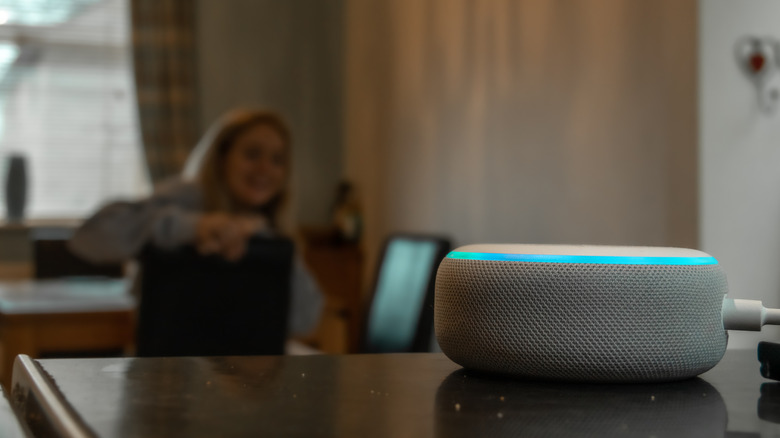
The same privacy management interface allows individuals to toggle settings regarding other forms of data collection, including smart home device histories and audio captured by ambient sound detection features. Depending on the specific hardware model, users can also enable voice-activated deletion permissions. This functionality permits commands such as instructing the assistant to delete all recordings from the current day or wiping an entire voice history archive simply by speaking the command aloud. However, these voice-deletion shortcuts are subject to certain limitations, as they may not function on devices operating under specialized frameworks like Alexa+ or Amazon Kids accounts.
These privacy controls apply specifically to Amazon’s proprietary cloud infrastructure. Households that integrate Alexa with third-party hardware, such as robotic vacuums, networked security cameras, or smart televisions manufactured by other companies, must account for the separate privacy policies of those external vendors, which may retain interaction histories independently. Additionally, users should consider that deleting voice recordings and disabling personalization features can impact the performance of the assistant, as the system relies on historical voice profiles to refine and customize its responses over time.