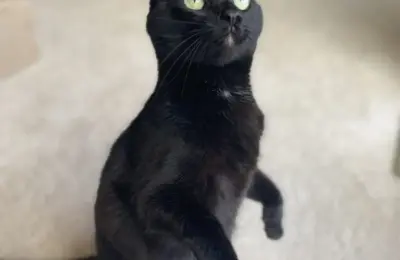


Advances in veterinary medicine, preventative diagnostics, and improved commercial nutrition have steadily lengthened the domestic feline lifespan, allowing cats to live well into their teens and beyond. Yet, alongside this longevity, veterinary behavior experts warn that many owners inadvertently miss key markers of discomfort and declining welfare. Because subtle changes in mobility and temperament are frequently dismissed as normal aspects of aging, vital opportunities to preserve comfort, reduce chronic pain, and stimulate mental sharpness in aging cats are routinely overlooked.
Renowned feline behaviorist and author Pam Johnson-Bennett notes that while some cats maintain an outward appearance of youth and vitality well into their golden years—with rare individuals surviving past two decades—many others slowly succumb to quiet discomfort. A senior cat that becomes increasingly withdrawn, stops jumping to favored perches, or shows disinterest in previously beloved routines is often not simply "slowing down." Instead, these behavioral shifts frequently mask unmanaged chronic pain, musculoskeletal deterioration, or sensory decline that can be effectively treated or managed through proper medical intervention and thoughtful environmental changes.
Veterinary professionals emphasize that aging cats require more frequent clinical monitoring rather than less. While transportation difficulties and carrier-related stress frequently lead pet owners to skip routine checkups during an animal’s younger adult years, geriatric cats benefit substantially from semi-annual examinations. Twice-yearly clinical visits provide veterinarians with the opportunity to detect chronic, progressive ailments at early stages, ensuring that conditions affecting vital organs, teeth, and joints are recognized before they cause severe discomfort or irreversible damage.

Beyond clinical care, behavioral specialists highlight three core aspects of daily management that are essential to preserving a high quality of life for aging felines.
Supporting Mental Stimulation and Cognitive Health
Physical deceleration does not mean a cat’s brain stops needing engagement. In aging animals, preserving cognitive function requires targeted daily enrichment that engages an animal’s natural predatory and problem-solving instincts. Without regular intellectual challenges, aging felines face increased risks of cognitive decline, mental lethargy, and behavioral detachment.
Interactive play sessions remain an effective way to stimulate an older cat’s brain. For felines, predatory behavior is as heavily rooted in sensory calculation and mental planning as it is in physical prowess. Stalking, assessing distance, and formulating an ambush challenge a cat’s mental faculties, offering brain exercise even when the animal moves at a much slower pace than in its youth.
Similarly, introducing puzzle feeders and foraging opportunities provides a manageable form of cognitive enrichment. Rather than presenting food solely in static dishes, puzzle feeders require animals to manipulate compartments, solve simple spatial puzzles, and work for their meals. Behavioral experts advise starting with the simplest difficulty level to ensure the cat experiences immediate success and remains motivated rather than frustrated. The goal of food enrichment is to evoke natural hunting curiosity, not to cause stress.

Gentle positive-reinforcement training, such as basic clicker exercises, can also be tailored to an older cat’s physical and mental capabilities. Sessions should remain brief, upbeat, and grounded in easy behaviors such as touching a nose to a target or offering a gentle paw touch. When paired with high-value rewards, these focused interactions bolster confidence, stimulate neurological pathways, and reinforce the human-animal bond during an animal’s twilight years.
Maintaining Gentle Physical Mobility
Closely tied to mental health is the preservation of mobility. While strenuous aerobic activity and athletic feats naturally diminish as joints age, maintaining regular, low-impact movement remains essential for joint health, muscle retention, and circulation.
Interactive play should not be discontinued simply because an older feline no longer leaps onto high surfaces or performs mid-air twists. Instead, owners can adjust the mechanics and tempo of playtime to match the animal’s physical limitations. Slow, deliberate movements still constitute valuable exercise.
Many senior cats experience a natural shift in predatory interest, moving away from high-flying aerial targets to ground-based prey simulations. Replacing feather wands that sweep through the air with toys that mimic ground-dwelling creatures—such as mice, insects, or snakes—allows cats to engage in ground hunting that exerts minimal strain on aging hips, spines, and knees. Short, low-intensity play sessions conducted once or twice a day encourage mobility without exhausting the animal or worsening underlying joint inflammation.

Adjusting the Home Environment for Changing Needs
As cats age, physical limitations often hinder their ability to navigate the household layout they mastered during youth. Proactive environmental modifications can remove barriers to everyday essentials and restore an older cat’s autonomy within the home.
Vertical space is a fundamental component of feline security and comfort, providing cats with vantage points to survey their surroundings and monitor outdoor wildlife. When arthritis makes leaping onto window sills or favorite furniture difficult, owners can install ramps or stepped platforms, allowing pets to access their preferred resting locations safely. Elevated food and water dishes are also recommended to reduce neck and spine strain during eating and drinking.
Scratching behaviors serve an essential dual purpose: they allow cats to shed outer nail sheaths and provide a full-body muscular stretch. Senior cats suffering from back or shoulder discomfort often find traditional, upright scratching posts difficult to use. Supplementing existing vertical posts with stable horizontal scratching pads ensures that older cats can still stretch their muscles and maintain nail health without bearing weight on painful joints.
Litter box accessibility represents another critical environmental consideration. Declining bladder control and reduced joint flexibility can turn standard litter boxes into obstacles. To accommodate physical limitations, households should increase the overall number of boxes and place them on every level of the home that the cat frequents. Boxes should feature low entry points so that animals with stiff hips do not need to step over high rims. High-sided storage bins with an entryway cut low to the floor can prevent accidents while offering ease of entry.

Sensory decline, particularly worsening vision, requires further home adjustments. Placing motion-activated nightlights in hallways, stairwells, and around resource stations helps visually impaired cats navigate during darker hours. If an older cat suffers significant or total vision loss, maintaining fixed furniture arrangements allows the animal to preserve an accurate internal mental map of its territory. Keeping floors free of stray personal items prevents accidental collisions. Textured mats placed near doorways or the top of staircases serve as tactile warnings of drop-offs, while physical safety gates can be installed to guard against dangerous falls down stairs.
Comprehensive Care for the Senior Years
Maintaining senior feline health also encompasses several foundational physical needs. Aging cats often require specialized dietary adjustments to support organ function, consistent administration of medications, and assistance with daily hygiene. Reduced mobility frequently impedes self-grooming, leading to matted coats, overgrown claws, and difficulty keeping clean after litter box use, all of which necessitate gentle human assistance through regular brushing and hygiene care. Furthermore, diminished thermoregulation makes older cats more vulnerable to temperature extremes, requiring owners to ensure warm, draft-free bedding in the winter and adequate cooling during warm summer months.
While the medical and physical requirements of an aging pet are broad, feline behaviorists emphasize that cognitive stimulation, low-impact exercise, and environmental accommodations represent the core foundation of daily comfort. Rather than accepting withdrawal and inactivity as inevitable outcomes of old age, addressing these aspects ensures that senior cats remain engaged, secure, and comfortable throughout their final years. Pet owners with specific questions regarding mobility changes, nutritional needs, or health shifts are encouraged to consult their veterinarians to establish personalized care plans for their pets.