



Baldur’s Gate 3 continues to command massive player counts and widespread critical acclaim years after its initial release, cementing its status as a modern masterpiece of the computer role-playing game genre. Yet, despite its enduring popularity and the sheer scale of its interactive storytelling, a compelling argument persists among veteran role-playing game enthusiasts: Larian Studios’ modern triumph may not actually be the greatest Baldur’s Gate game ever made. That title, according to a dedicated segment of the community, still belongs to a sprawling, twenty-year-old classic that laid the foundational groundwork for modern narrative design—Baldur’s Gate 2: Shadows of Amn.
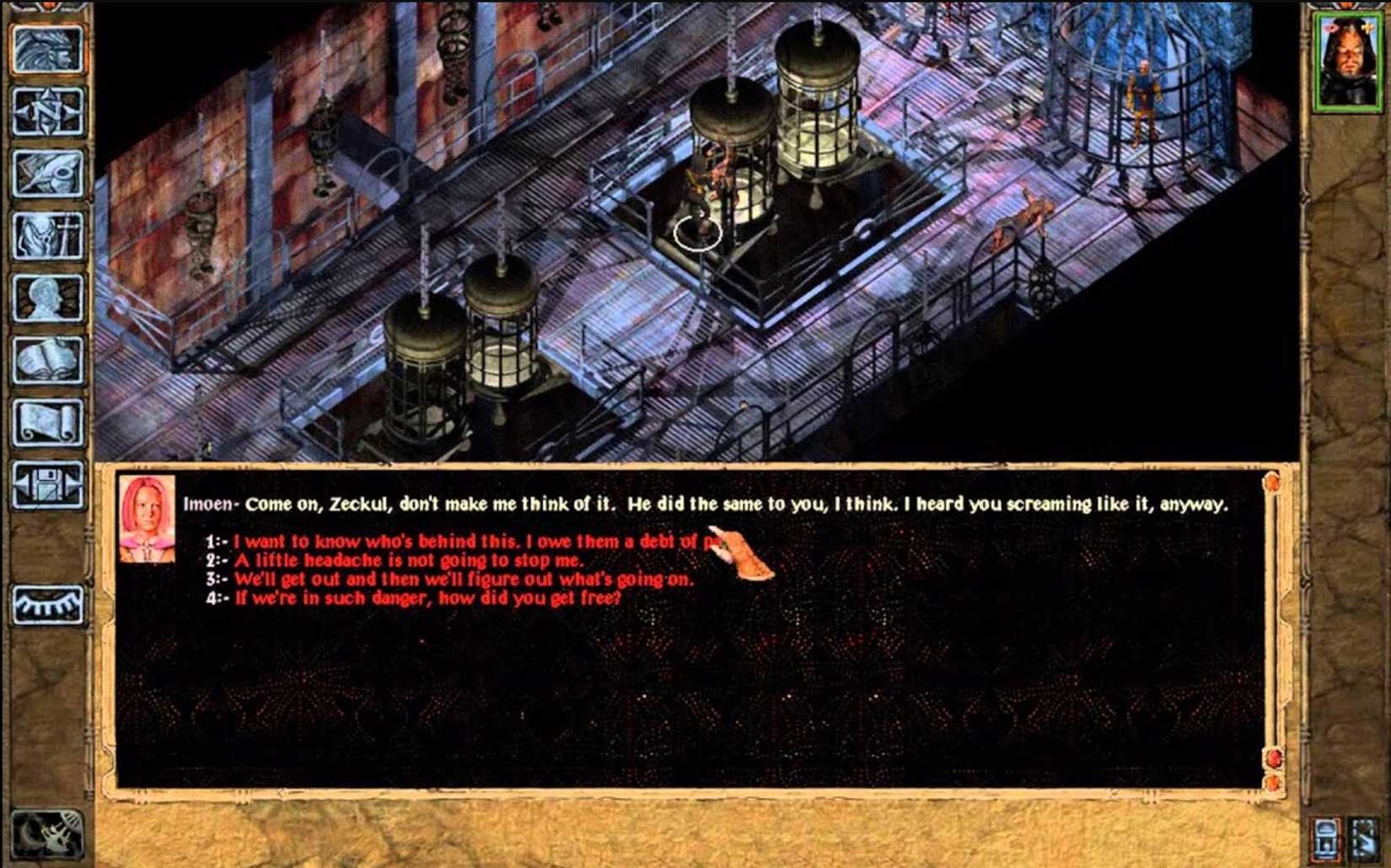
Set along the Sword Coast and playable on Windows PC, Baldur’s Gate 2 picks up directly after the events of the original 1970s-inspired adventure, though it functions seamlessly as a standalone experience. Players step into the shoes of a Bhaalspawn, one of many mortal offspring sired by Bhaal, the now-deceased god of murder. Across the realms, those carrying this divine spark in their blood are hunted relentlessly. The sequel opens with this brutal reality crashing down on the protagonist: you wake up chained inside a locked, subterranean cell beneath the bustling city of Athkatla. Nearby, your faithful companions from the previous journey are imprisoned in cages while a mysterious, cold-blooded wizard conducts horrific experiments on them one by one, leaving you entirely in the dark regarding his true intentions.
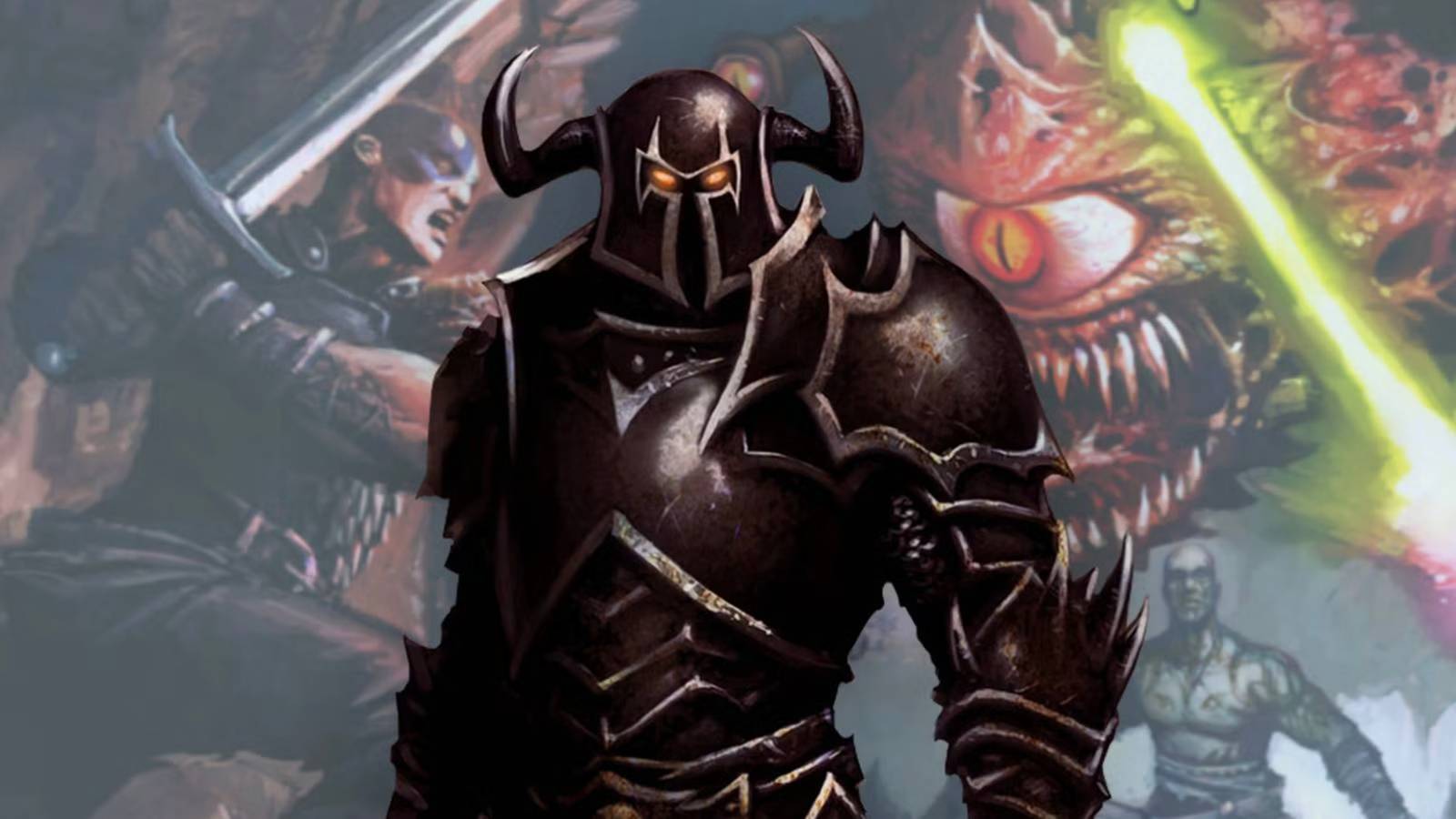
That captor is Jon Irenicus, a skin-crawling, thoroughly terrifying villain who stands as one of the most memorable antagonists in video game history. Once a respected elven mage, Irenicus was exiled by his own people for carrying out unspeakable experiments on living beings—a twisted hobby he has clearly not abandoned. Early in the journey, players stumble upon a grove of dryads that Irenicus has completely drained of life simply to test his arcane methods, reducing majestic tree spirits to withered, silent husks.
Faced with such overwhelming cruelty, the player is far from alone, though survival requires navigating the deep-seated trauma of a disparate group of companions. Each party member brings heavy emotional baggage and demands the player’s intervention. Series regular Jaheira begins the narrative mourning the tragic loss of her husband, forcing her to grapple with profound grief while fighting for survival. Aerie, a young elf who spent her life trapped as a mutilated circus performer with her wings clipped, faces a long and painful psychological journey toward healing. Anomen, an ambitious squire-in-training desperate to prove his worth as a knight, displays a reckless judgment that routinely puts innocent lives at risk, potentially including his own sister. Meanwhile, Viconia DeVir, a dark elf priestess, is cast out from the treacherous Underdark for the unpardonable crime of showing mercy—an act considered treasonous by the unforgiving deity she continues to serve.

As the campaign unfolds over roughly seventy hours, the narrative evolves dynamically in response to player agency. Choices dictate character development, determine whether companions find peace or meet grisly ends, and ultimately shape the geopolitical fate of the surrounding world. Long before the term "open world" became a ubiquitous marketing buzzword for game developers, Athkatla’s diverse districts—ranging from the bustling docks and the oppressive slums to the heavily guarded government center—were fully explorable the moment the player stepped foot into them. These areas were dense with side content that could be tackled in any order.
Crucially, Baldur’s Gate 2 implemented distinct, class-specific strongholds and questlines that drastically altered the gameplay experience based on character creation. A fighter might assume command and responsibility for a sprawling keep, a rogue could seize control of a shadow guild, and a cleric was tasked with restoring a desecrated temple to its former glory. These were not merely standardized side missions bolted onto a universal main plot; they were entirely separate narrative tracks gated behind the specific class and identity the player built. This design philosophy lent the title staggering replayability, with dedicated fans frequently spending years exploring every possible permutation. One devoted player famously did not finish their first full campaign until twelve years after purchasing the game, continually restarting as different classes to witness the world from fresh perspectives.
The overarching narrative forces players to grapple with their monstrous identity as a Bhaalspawn, complete with a terrifying Slayer form that threatens to break free from their skin. Over the course of the journey, as players uncover Irenicus’s grand, horrifying design, they are confronted with the ultimate philosophical and mechanical question: when absolute godhood is finally placed on the table, do you have the strength to ascend to Bhaal’s vacant throne, or will you simply perish as another failed vessel in a trail of divine debris?
Released in 2000, Baldur’s Gate 2 effectively established BioWare’s signature design blueprint, influencing a succession of legendary role-playing games over the following decade. 2003’s Star Wars: Knights of the Old Republic borrowed the studio’s nuanced alignment system and utilized a late-game companion twist heavily reminiscent of Baldur’s Gate 2. Later, Mass Effect in 2007 utilized loyalty missions that felt structurally akin to the stronghold missions of its predecessor, while 2009’s Dragon Age: Origins approached origin characters and their unique introductory narratives in a manner that felt deeply indebted to BioWare’s classic fantasy epic.

The DNA of Baldur’s Gate 2 even echoes clearly within Baldur’s Gate 3, from companions who scrutinize and judge the player’s every moral decision to the ultimate endgame dilemma of embracing or resisting a monstrous transformation to harness greater power.
While modern players continue to invest thousands of hours into Larian Studios’ contemporary masterpiece, the shadow of the 2000 classic looms large over the genre. For those seeking a fresh role-playing experience or wanting to trace the lineage of modern game design back to its source, revisiting the second chapter of the Bhaalspawn saga offers a stark reminder of why characters like Jon Irenicus still evoke genuine tension decades later.