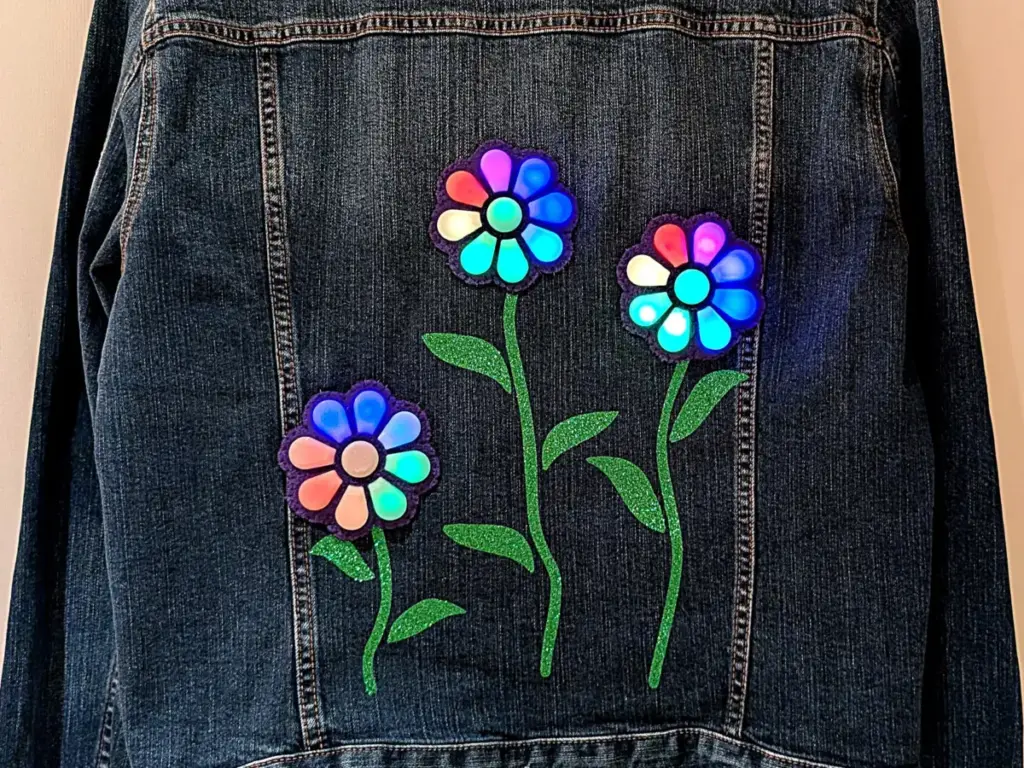
In the ever-evolving intersection of high fashion, DIY culture, and embedded electronics, maker and educator Debra Ansell has introduced a striking new project that merges classic streetwear with programmable illumination. Featured in Make: Volume 97, Ansell’s latest wearable innovation—the "BedazzLED" Jean Jacket—demonstrates how modern fabrication techniques like 3D printing and laser cutting can be leveraged to turn everyday garments into dynamic, programmable light displays without sacrificing everyday practicality.

The project highlights a growing trend among contemporary makers: embedding smart technology into durable, vintage, or thrifted apparel. Rather than relying on rigid circuit boards or delicate electronic components that degrade under normal wear, this approach utilizes flexible materials, clever mechanical interlocking, and diffuse lighting elements to create a garment that functions as both a subtle fashion piece and a vibrant canvas for custom animations.
Sourcing and Preparing the Canvas
The foundation of the project begins with something remarkably accessible: a standard denim jacket. Jean jackets have served as a staple of counterculture and personal customization for decades, valued for their rugged durability and timeless aesthetic. Because denim withstands wear exceptionally well, thrift stores and resale markets offer a sustainable and budget-friendly alternative to purchasing brand-new garments.
However, transforming a standard jacket into an illuminated canvas requires careful planning. Crucially, the chosen garment must provide enough unobstructed space on its rear panel to accommodate a cluster of glowing floral motifs.
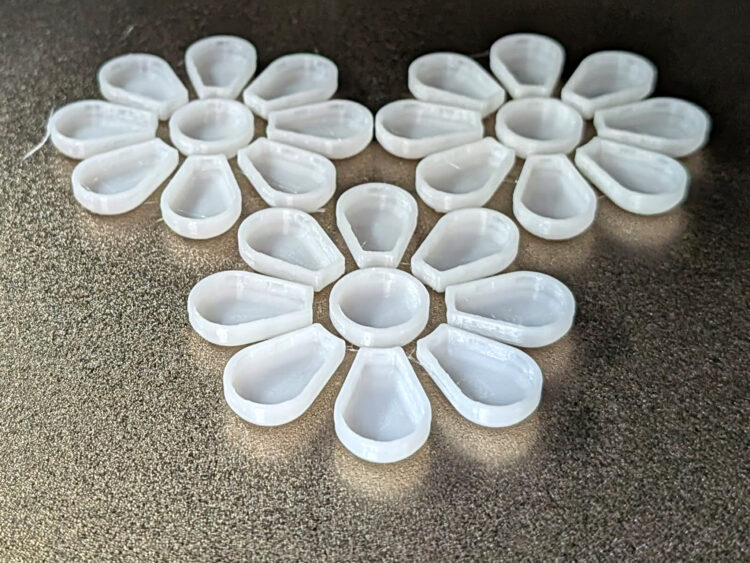
Once the jacket is secured, the process moves into the digital fabrication workshop. The illuminated elements of the jacket are built around custom 3D-printed flower components. Ansell specifies the use of translucent white PETG filament—specifically options like California Filament’s Cloudy White, which is engineered for printing lithophanes and excels at diffusing light evenly. While PLA plastic can be used, PETG provides superior durability for items subject to daily movement and environmental stressors.
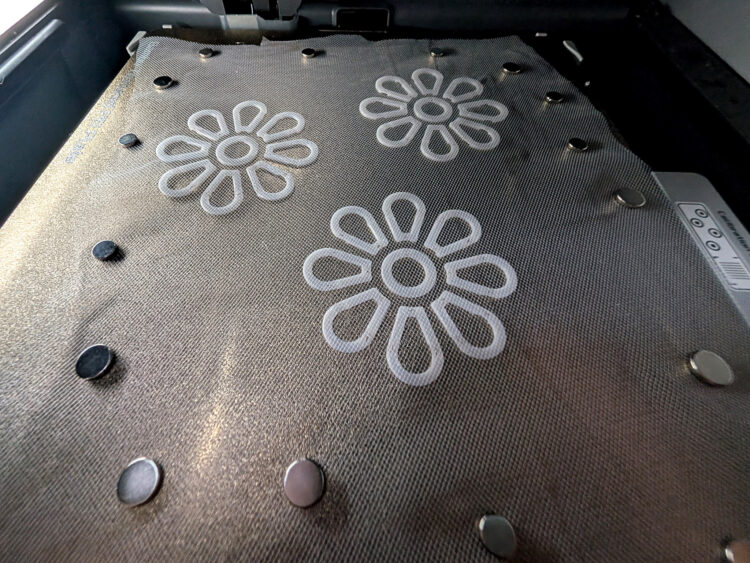
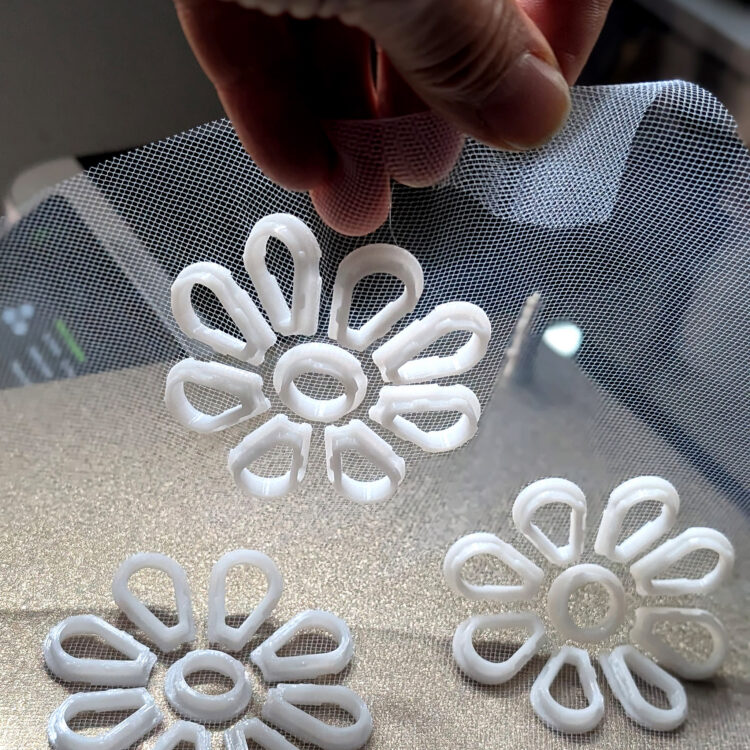
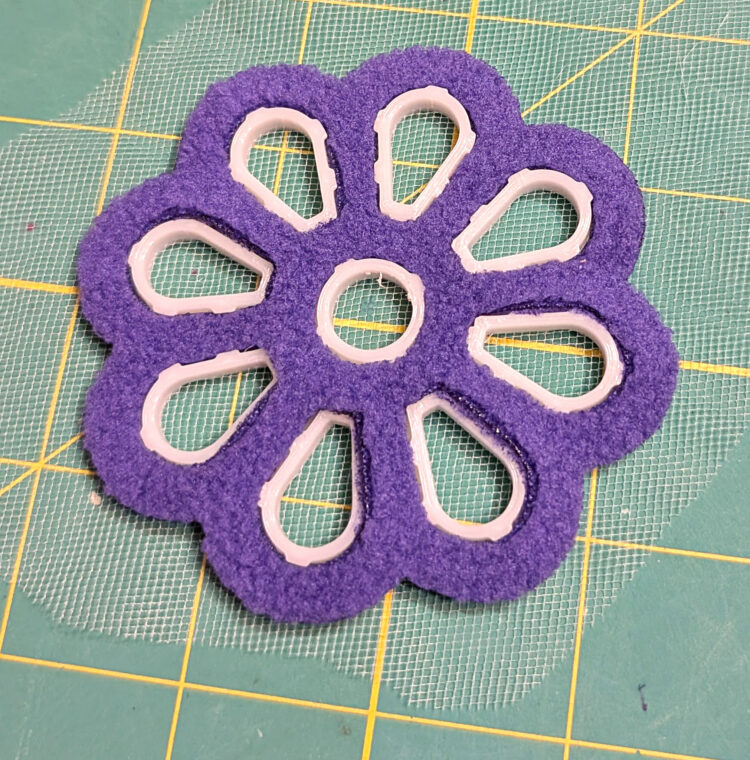
The fabrication of the flower base involves an ingenious technique that bridges digital manufacturing with traditional textiles. By pausing a 3D print mid-job, makers can lay a sheet of porous tulle fabric across the build plate and secure it gently with small neodymium magnets or Kapton tape. When the printer resumes, the molten PETG flows directly through the microscopic holes in the mesh, securely bonding the plastic to the fabric. This creates a flexible yet structurally sound base layer that allows the floral arrangement to bend naturally with the movement of the jacket while keeping individual components firmly aligned.
Integrating Textiles and Smart Lighting
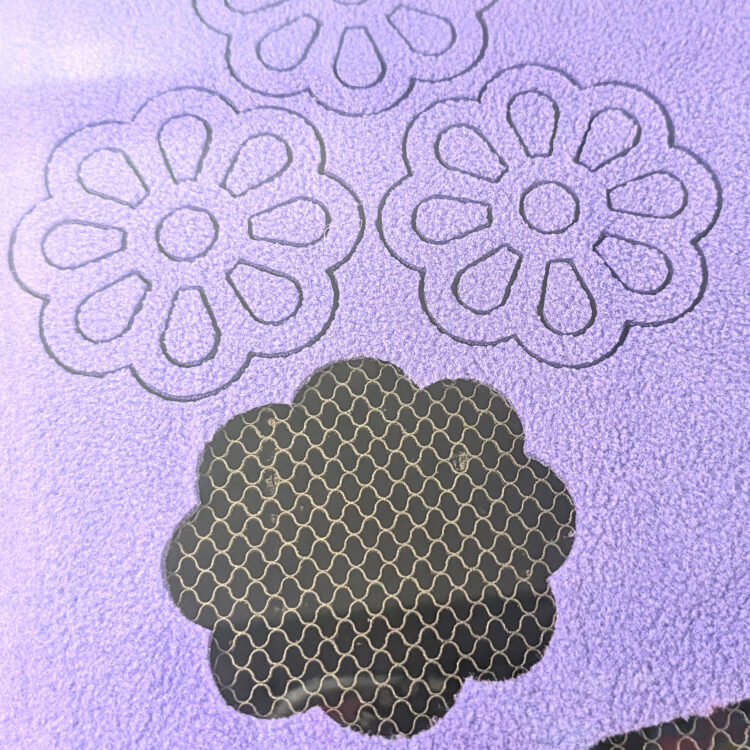
To achieve a professional aesthetic and provide a smooth visual transition between the rigid plastic flowers and the coarse texture of the denim, the design incorporates border elements cut from non-fraying fabrics such as fleece or PVC-free faux leather. Using vector files processed through a laser cutter—or carefully cut by hand for those with a steady hand—these fabric borders frame the flowers while concealing internal wiring. Faux leather offers a tougher finish complete with pre-scored perforations to guide hand-stitching, whereas fleece adds a softer, more tactile dimension.
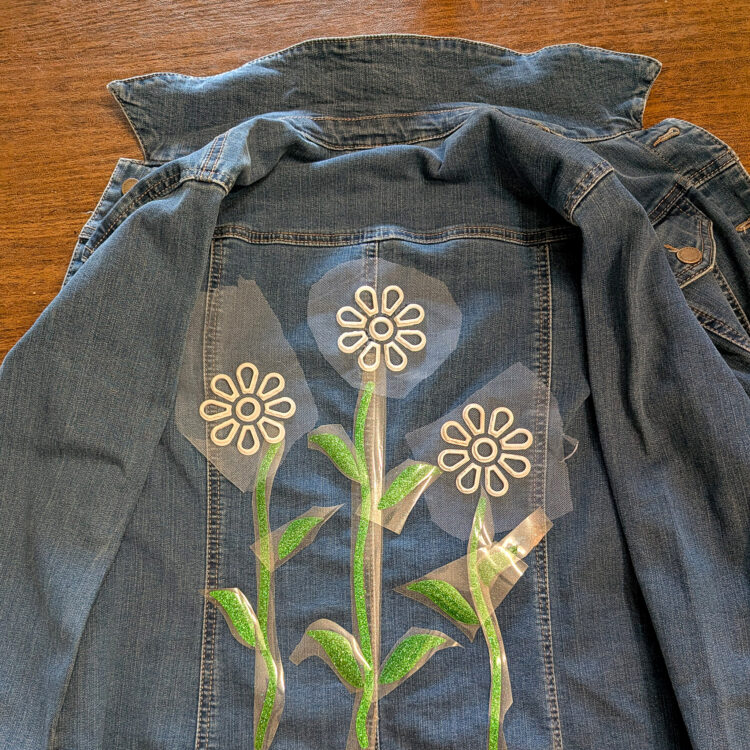
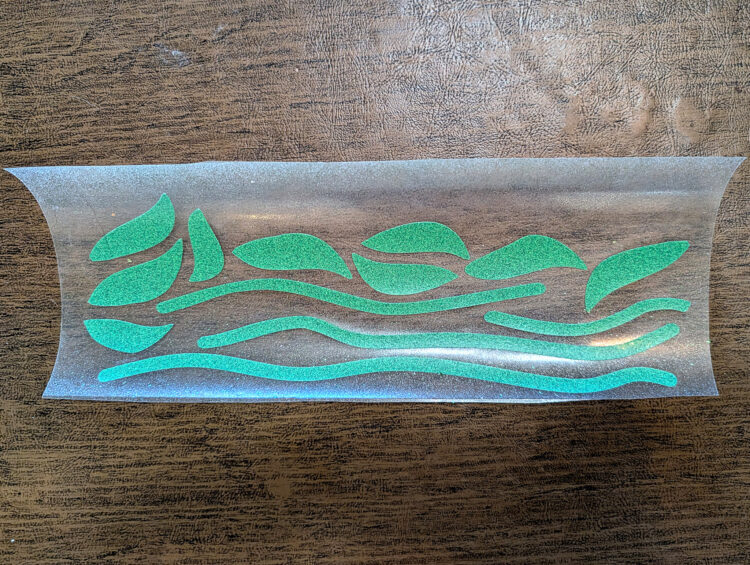
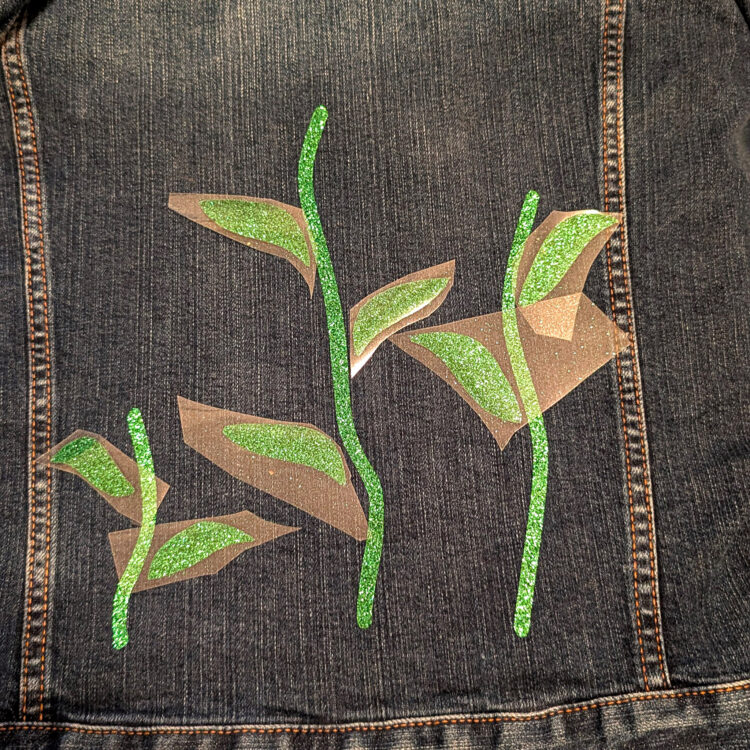
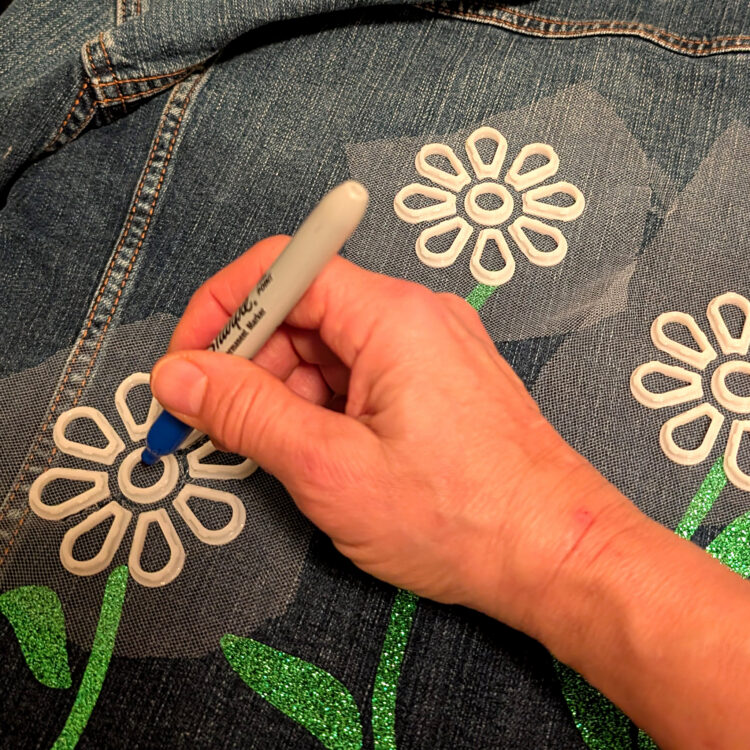
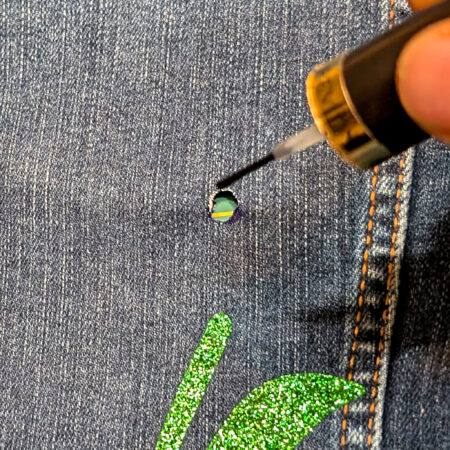
The botanical theme is further enhanced by iron-on heat-transfer vinyl (HTV) used to create custom stems and leaves. Once the overall floral composition is mapped out on the back of the jacket, the vinyl stems and leaves are permanently heat-pressed onto the denim. Small, meticulously measured holes are then cut through the back panel behind each flower location, treated with clear nail polish or craft glue to prevent fraying, and used as hidden conduits for the internal wiring harness.
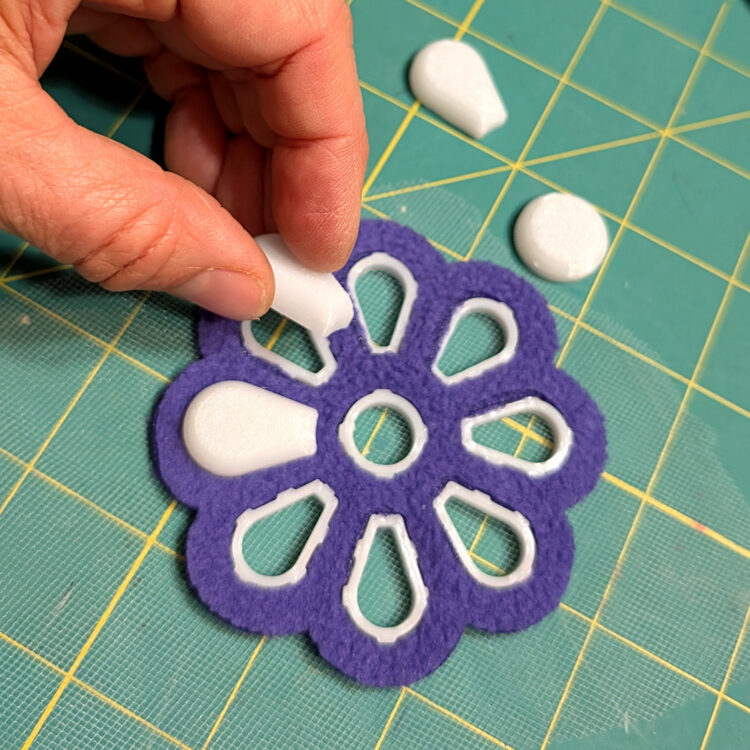
At the heart of the garment’s visual appeal is a string of individually addressable pebble-style LEDs. These waterproof LED strands are carefully cut, measured, and soldered together using flexible silicone-coated wire, ensuring a continuous data path from a hidden controller. The wiring is routed through the concealed holes in the denim and secured to the mesh backing of each 3D-printed flower using simple adhesive dots. Once the individual PETG petal covers and central domes are snapped securely into place over the bases, the entire assembly forms a cohesive, multi-part floral garden.
Assembly, Programming, and Everyday Utility
With the flowers fully assembled and the LED strings embedded within them, the entire floral arrangement is hand-sewn onto the exterior of the jacket using coordinating thread and traditional applique techniques. Great care is taken during this stage to stitch around the internal wiring without puncturing the silicone insulation. On the inside of the jacket, loose connecting wires are safely tacked down using iron-on fusible interfacing, completely concealing the electrical architecture from view and ensuring a comfortable fit for the wearer.
The brains of the operation consist of a compact, Wi-Fi-enabled microcontroller—such as a QuinLED or Athom WLED board—paired with a portable USB power bank. These components tuck neatly away into an interior jacket pocket. Running on the open-source WLED software platform, the controller grants access to an extensive library of pre-installed, highly customizable lighting patterns, color palettes, and animation speeds. Users can easily trigger dazzling light sequences or organize their favorite patterns into custom playlists directly from a smartphone or web interface.
Despite its sophisticated technological underpinnings, the jacket remains remarkably functional in daily life. Powered down, the translucent white PETG flowers and neutral fabric borders blend seamlessly into the aesthetic of standard streetwear, making the garment equally appropriate for a casual trip to the grocery store or a late-night music concert. Furthermore, because the embedded pebble lights and silicone wiring are fully waterproofed, the entire garment can even be hand-washed in cold water once the power bank and controller are safely detached.
By successfully bridging the gap between advanced digital fabrication and traditional garment customization, projects like the BedazzLED Jean Jacket illustrate the expanding potential of wearable technology. As makers continue to experiment with CAD modeling, accessible microcontrollers, and textile integration, personalized smart fashion is steadily moving out of specialized laboratories and into the mainstream maker community.