

The release of the Southern Islands collection was unusual from its inception. The set first materialized in Japan in 1999, arriving alongside the theatrical debut of the second Pokémon feature film. Its 18 cards were initially divided between two distinct, themed portfolios known as Tropical Island and Rainbow Island. Alongside these comprehensive collections, smaller three-card sets were made available to the public, with each miniature grouping focusing on a specific geographic zone within one of the two islands. When placed side by side, these individual cards formed a much larger, cohesive panoramic scene, bridging the artwork across multiple borders.
This interconnected artwork remains a cornerstone of the Southern Islands’ enduring appeal and collectibility. Prolific Pokémon TCG illustrator Naoyo Kimura lent his visionary talents to the Tropical Island scenes, while artist Keiko Fukuyama managed the vibrant Rainbow Island compositions. Each card effectively functioned as a single tile in a grander artistic mosaic. When Wizards of the Coast officially brought the collection to English-speaking markets in the spring of 2001, all 18 cards were packaged together inside a decorative collector’s folder, accompanied by custom postcards and three standard booster packs. Crucially, this western release preserved the highly unique island art style that made the Japanese debut so visually distinct.
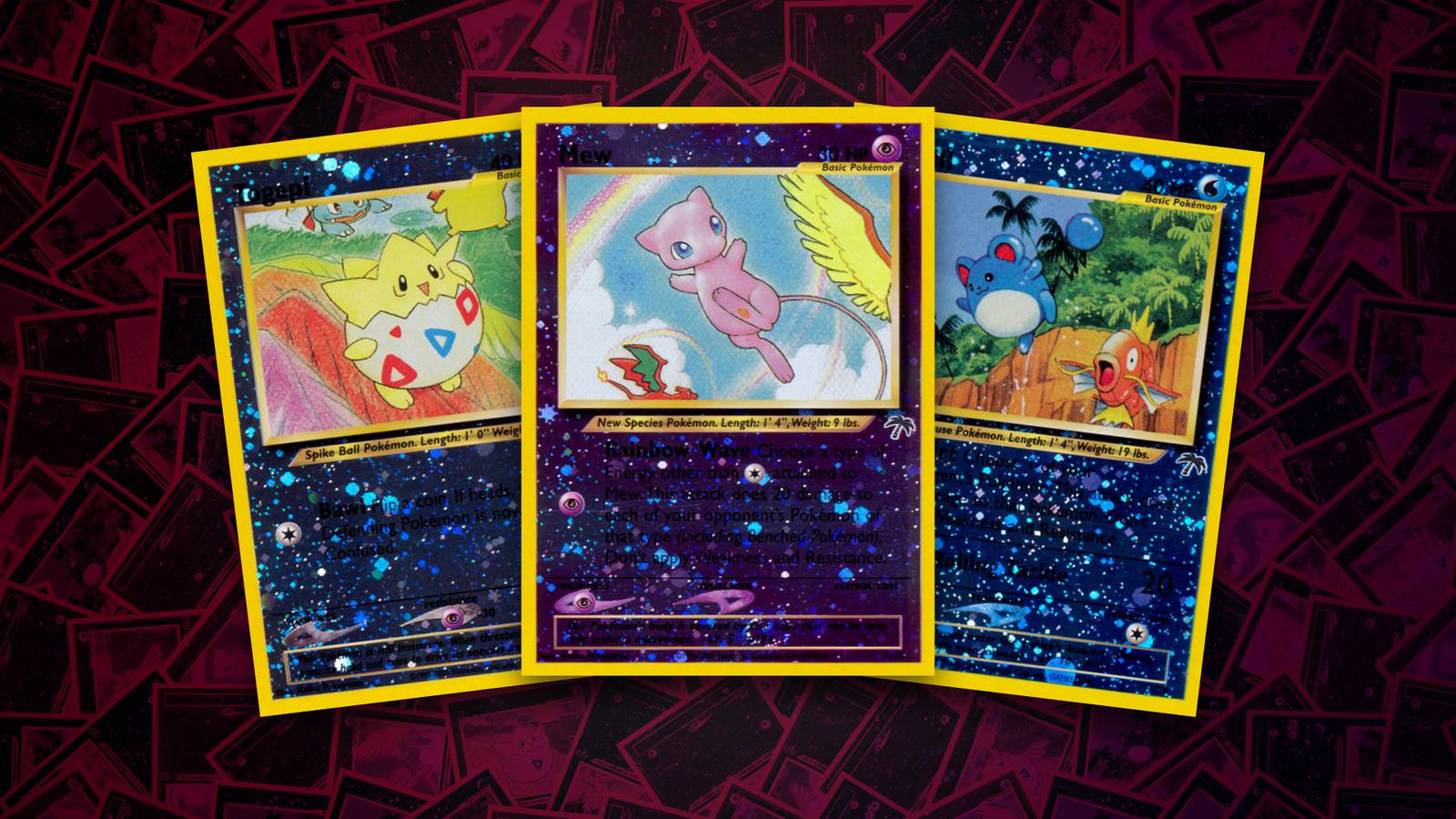
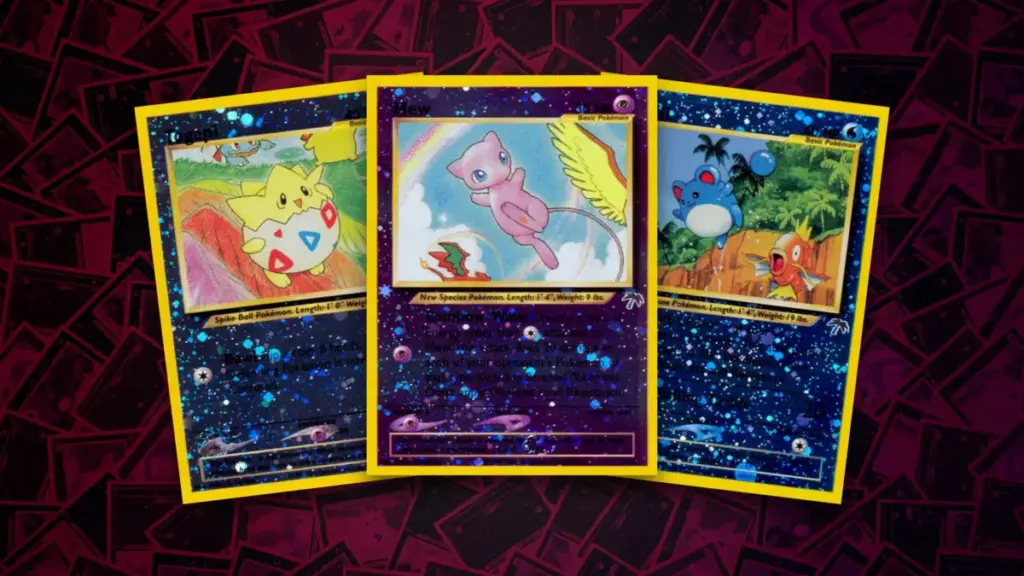
Furthermore, the holographic treatment applied to these cards is particularly striking, featuring shimmering swirls and sparkling dot patterns that blanket nearly the entire surface of the card rather than remaining restricted solely to the central artwork box. This unique foiling gives the already detailed illustrations an entirely different level of visual depth and impact.
The enduring strength of these design choices was recently underscored when three graded Southern Islands grails hammered down at auction, commanding a staggering combined total of nearly $1.2 million through Fanatics Collect.
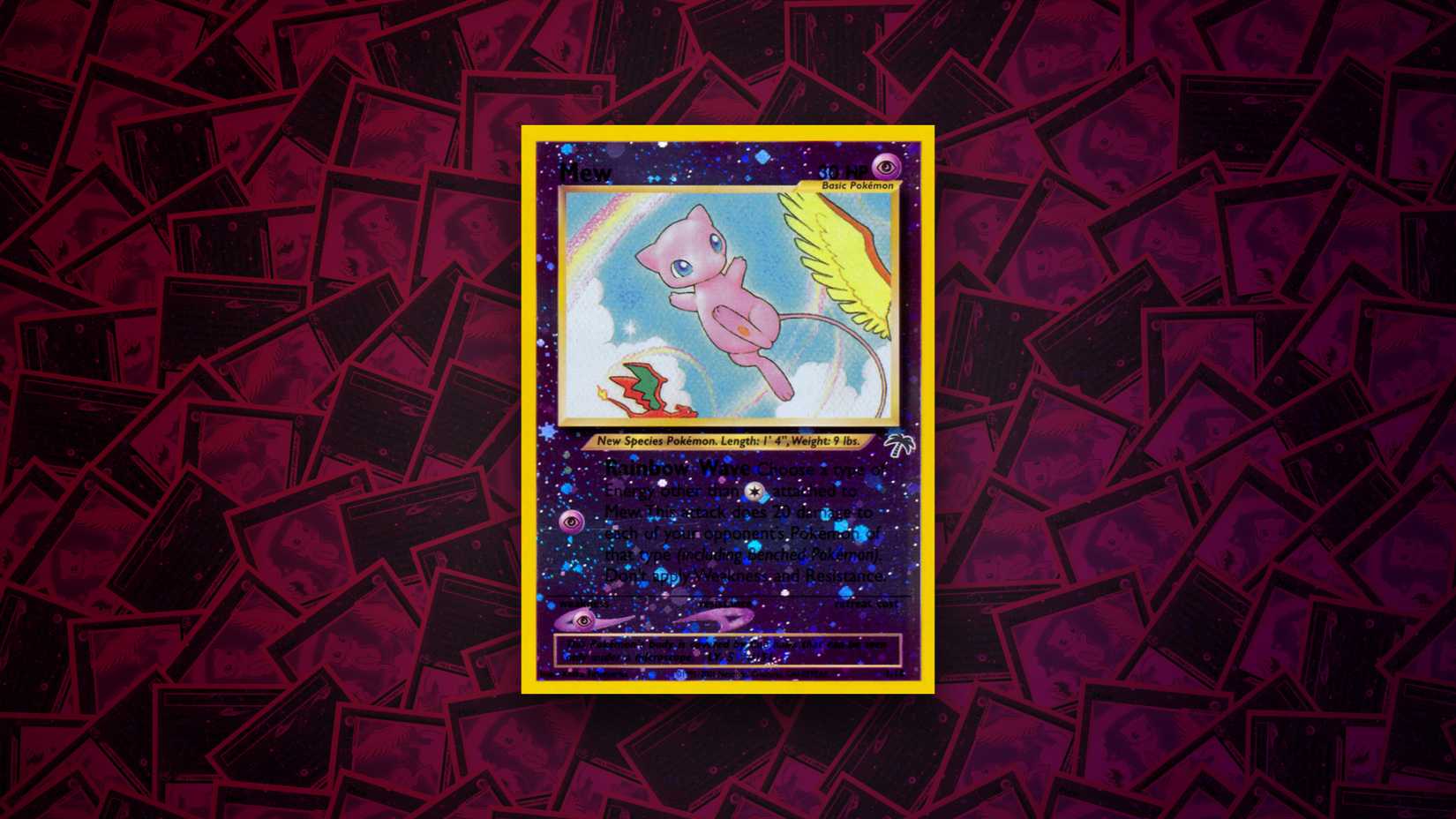
PSA 10 Southern Islands Holo Mew #1 — $840,000
Highlighting its supreme collectability and the widespread, unyielding devotion of the fandom, the Southern Islands Holo Mew sits comfortably atop the set as its most valuable and sought-after card. This dominance is punctuated by an astronomical $840,000 winning bid for a pristine PSA 10 Gem Mint slab.

While Naoyo Kimura boasts a far longer and more prolific career within the Pokémon Trading Card Game, Keiko Fukuyama’s contributions to the Southern Islands collection are arguably some of the most memorable in the franchise’s history. Fukuyama’s work on these cards leans into deeply saturated colors and a charmingly soft, almost chibi-like art style, which is immediately noticeable in details like Pidgeot’s softened facial features and dark eyeliner on neighboring cards. That distinct aesthetic style translates wonderfully to this highly coveted Mew grail, which also incorporates an appearance by the universally popular Charizard in the lower-left corner of the primary artwork window.
With official population reports indicating that only 20 PSA 10 copies of the Southern Islands Holo Mew exist worldwide, seeing a specimen command a high six-figure sum aligns with broader market trends. The secondary market has seen unprecedented enthusiasm, with everything from foundational vintage grails to modern chase cards drawing immense financial and collector attention.
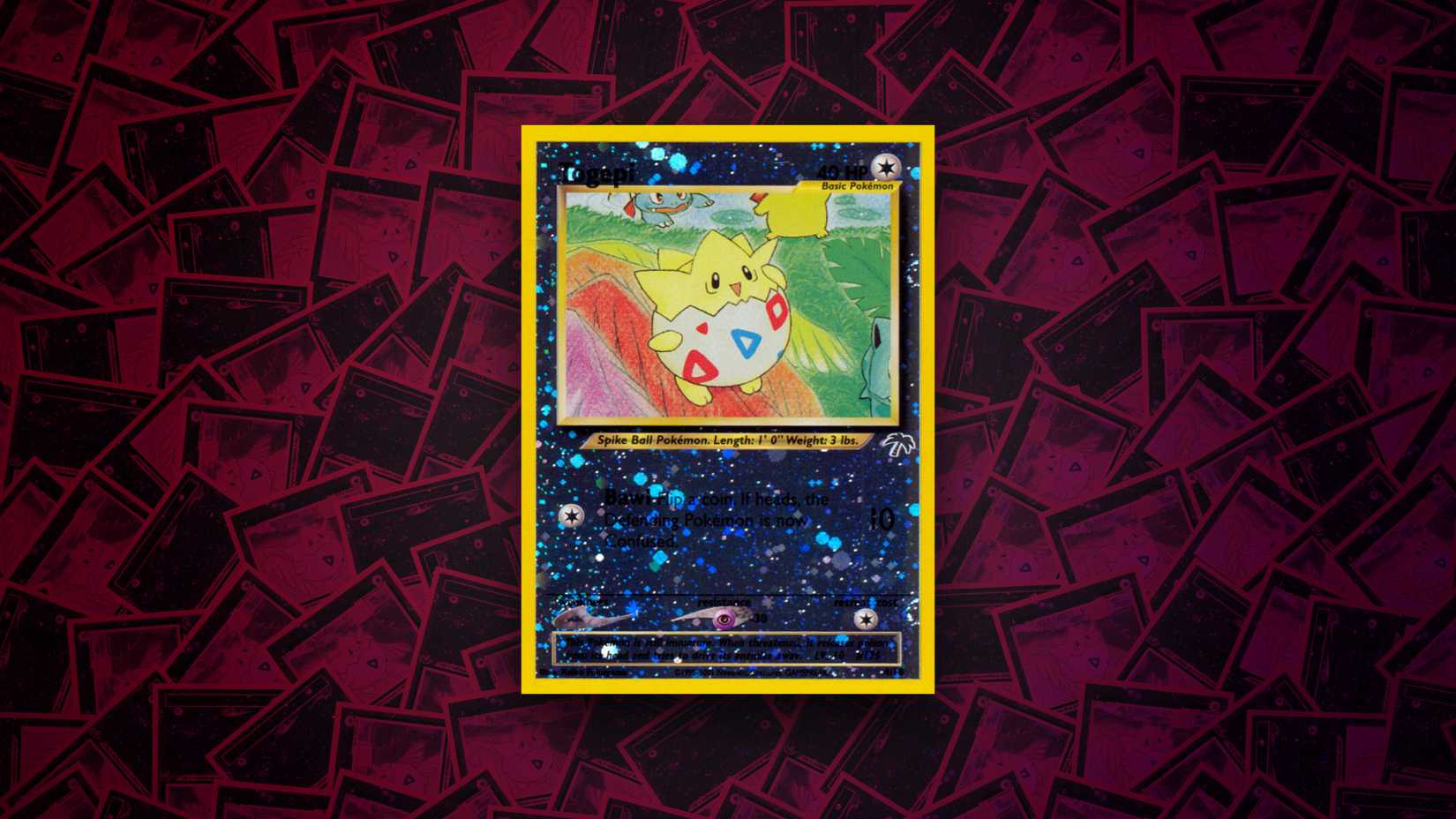
PSA 10 Southern Islands Holo Togepi #4 — $168,000
While a noticeable step down from the staggering heights scaled by the Mew, a $168,000 sale price for a Holo Togepi remains a monumental achievement in the vintage card space. Like its island counterpart, this card showcases the unmistakable artistry of Keiko Fukuyama, whose entire Pokémon TCG illustration catalog spans a mere 20 cards. Rainbow Island accounts for a notable portion of her total output, though Fukuyama also contributed several breathtaking pieces during the e-Reader era of the game, leaving her mark on deeply cherished expansion sets such as Expedition, Aquapolis, and Skyridge.
While this Togepi slab does not rival the multi-million-dollar sales historically commanded by ultra-rare tournament trophies or art contest prizes, securing $168,000 for a card featuring what was once considered a novelty Baby Pokémon demonstrates the immense depth of the high-end collector base.
PSA 10 Southern Islands Holo Marill #11 — $168,000
Before ravenous fans fully understood the ecological classification of the Johto region, this adorable Water-type was unofficially dubbed "Pikablu" due to its physical similarities to Pikachu, the franchise’s legendary electric mascot. In the decades since, the concept of the "electric rodent counterpart" has become a codified tradition within the Pokémon universe, expected as a staple feature of every subsequent generation of video games.
Matching the exact price point of its fellow island resident, this pristine PSA 10 Marill slab preserves the gorgeous reverse cosmos holographic foiling that characterizes the entire Southern Islands holo set. Notably, Marill stands as the only card among these three high-value highlights illustrated by Naoyo Kimura. Kimura’s footprint across the vintage landscape is massive, with his iconic artwork for the Aquapolis Lugia similarly propelling that card to a phenomenal $360,000 result during the very same auction event.
An Eminently Collectible Island Paradise
The Southern Islands collection has consistently occupied a fascinating, anomalous niche within the broader history of the Pokémon Trading Card Game. Eschewing the conventional booster-pack nostalgia associated with the iconic Base Set or the subsequent Neo-era expansions, the release carved out its identity through a small, predetermined roster, interconnected panoramic artwork, and a packaging presentation unlike anything else Wizards of the Coast produced during its foundational tenure. More than two decades after their initial release, those distinct design choices have aged remarkably well, transforming what was once a specialized promotional item into a premier asset class.
While the extraordinary $840,000 realized by the Holo Mew rightfully claims the lion’s share of the headlines, the robust $168,000 performances turned in by both Togepi and Marill speak volumes about the maturation of the hobby. When exceptional, distinct artwork, an intriguing historical backstory, and a dedicated cohort of deep-pocketed enthusiasts converge, a trio of quarter-century-old promotional items can command nearly $1.2 million at auction, cementing the Southern Islands as a crown jewel of vintage Pokémon collecting.