


When it comes to cardiovascular health, the medical consensus has long revolved around broad dietary guidelines: consume more fiber-rich vegetables, opt for healthy unsaturated fats, and keep a close eye on saturated fat intake. However, nutritional science is rapidly evolving, with researchers drilling down into the microscopic components of our diets to understand precisely which circulating nutrients matter most when it comes to safeguarding our arteries.
A comprehensive recent analysis of 27 observational studies has taken a fresh approach to this ongoing investigation. Rather than relying on traditional food questionnaires—which often suffer from recall bias and inaccuracies regarding what participants actually consumed—the research team evaluated direct blood nutrient levels. By measuring the concentration of various circulating biomarkers, the study explored how these internal nutrient profiles directly relate to the prevalence and development of coronary heart disease (CHD), a dangerous condition that occurs when the major blood vessels supplying the heart become narrowed or blocked.
The results of the large-scale data pooling process bring notable clarity to the field, highlighting a distinct set of five specific nutrients and mapping out how their presence or absence in the bloodstream correlates with an individual’s long-term risk of developing coronary heart disease.
Five Nutrients Stood Out in the Analysis
The systematic review and meta-analysis synthesized data from numerous observational studies that tracked participants over extended periods, pairing baseline blood draws with cardiovascular health outcomes. By focusing strictly on circulating blood levels rather than self-reported dietary habits, the researchers gained an objective snapshot of the biological environment within the human body.
The evaluation successfully isolated three specific nutrients whose elevated blood concentrations were associated with a notably lower risk of coronary heart disease, alongside two distinct circulating factors that demonstrated a clear link to an increased risk profile.
Navigating these findings, however, requires a nuanced understanding of human physiology. It is critical to recognize that these results reflect nutrient levels measured directly in the blood, rather than a simple metric of how much of each nutrient an individual ingested. The human body processes, absorbs, metabolizes, and stores nutrients through complex systemic pathways. Consequently, circulating blood levels do not always tell the full story of someone’s daily dietary intake, as genetic variations, metabolic efficiency, and underlying health conditions heavily influence how nutrients appear and persist in the bloodstream.
What These Findings Mean for Your Diet
Although the extensive data pooling uncovered clear statistical patterns across the analyzed cohorts, researchers emphasize a fundamental limitation of observational science: this type of study cannot definitively prove that actively altering your internal blood levels of these specific nutrients will directly lower your personal risk of heart disease. Cardiovascular health is multifactorial, meaning that overall dietary patterns, daily physical activity, genetic predispositions, and existing health conditions all interact in complex ways to shape long-term outcomes.
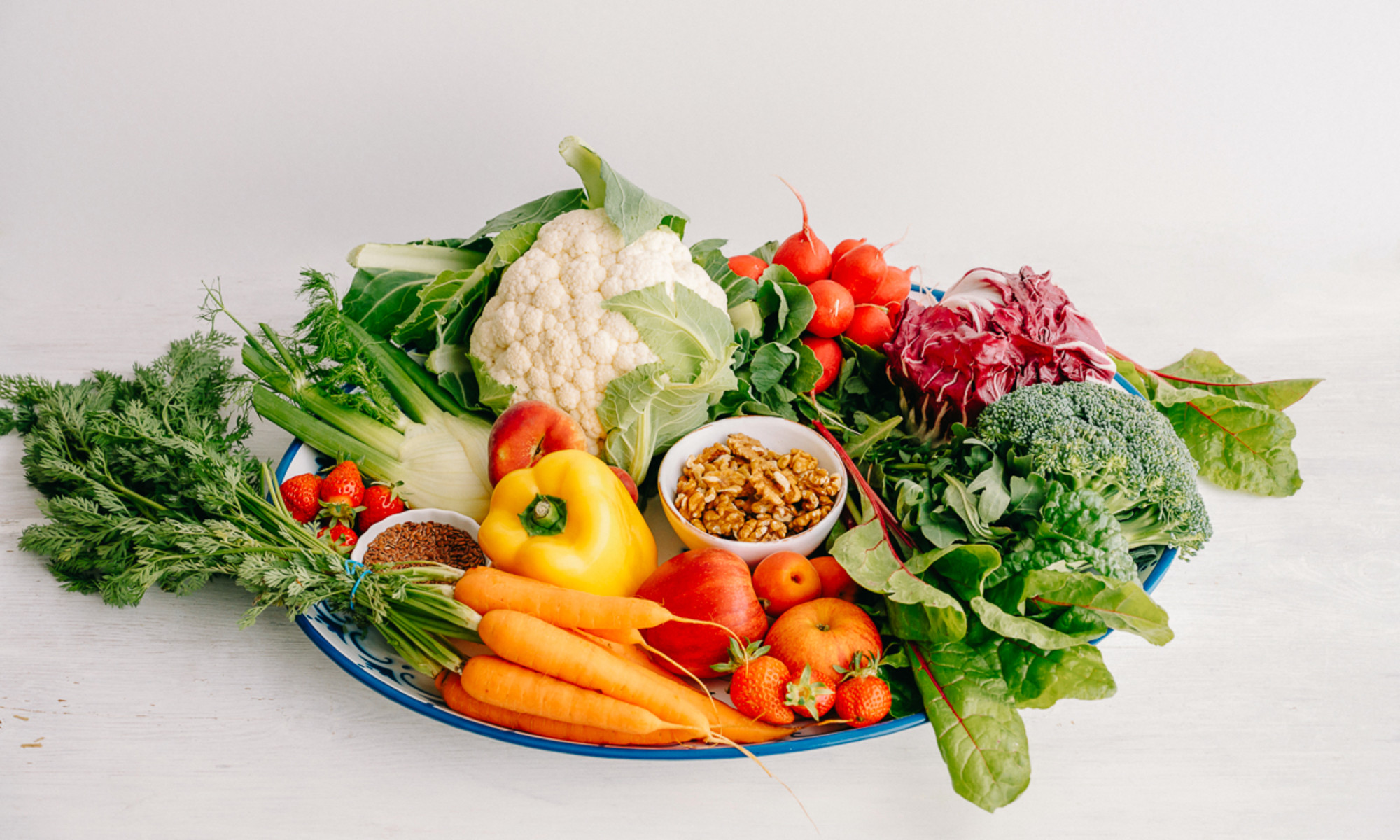
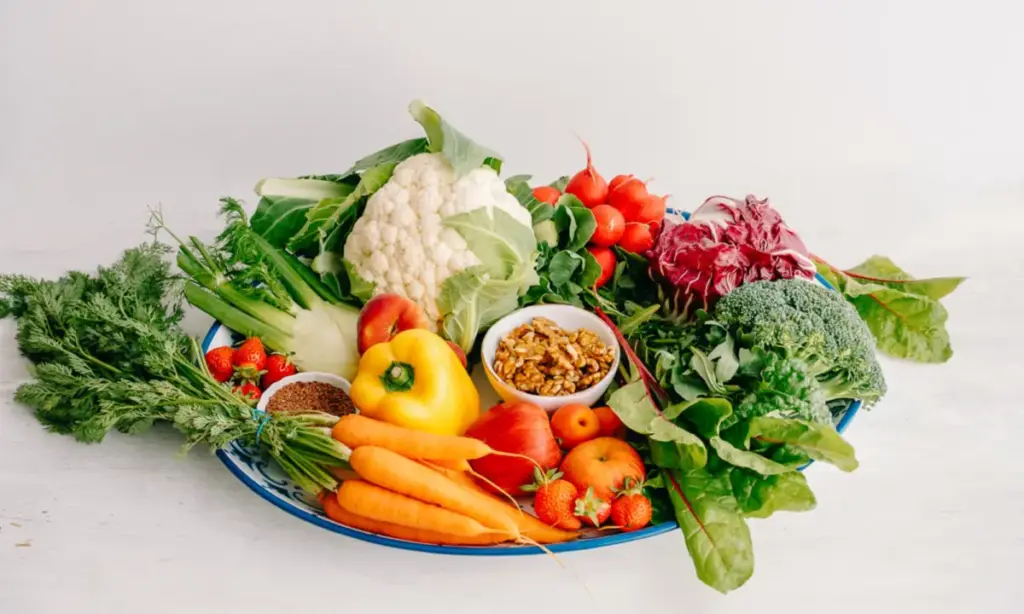
Still, the findings offer exceptionally useful clues regarding the biochemical pathways researchers are actively exploring in relation to cardiac wellness. Furthermore, they heavily reinforce the value of maintaining a varied, nutrient-dense diet that naturally incorporates a colorful array of fresh produce and high-quality sources of unsaturated fats.
At the same time, individual requirements for certain nutrients can vary dramatically from person to person. This is particularly true for complex biochemical factors such as vitamin D, which plays multifaceted roles throughout the body that extend far beyond skeletal health. Because individual status can fluctuate based on geography, sun exposure, and genetics, discussing dietary habits and potential supplement options with a qualified health professional remains a prudent approach for anyone looking to optimize their wellness plan.
How to Make Heart-Conscious Food Choices
Navigating the complexities of cardiovascular nutrition does not require individuals to constantly track their internal blood chemistry or obsess over microscopic biomarker panels. Instead, building a resilient, heart-conscious routine relies on a foundation of sensible, everyday food choices that have long been supported by broader epidemiological and clinical research.
Emphasizing whole, unprocessed foods allows the body to receive a synergistic mix of vitamins, minerals, and healthy fats in the forms that nature intended. Incorporating an abundance of colorful fruits and vegetables ensures a steady intake of powerful antioxidants and protective plant compounds. At the same time, choosing sources of healthy unsaturated fats—such as those found in fatty fish, raw nuts, and seeds—helps support healthy lipid profiles while reducing the reliance on heavy saturated fats found in butter, fatty cuts of red meat, and certain heavily processed oils.
While the recent blood-biomarker analysis did not explicitly test whether adopting these specific culinary habits actively alters the exact nutrient concentrations identified in the study, these wholesome dietary choices align seamlessly with decades of established heart-health literature.
The Takeaway
This extensive scientific analysis brings a new level of precision to the familiar playbook of heart-healthy eating, pointing toward individual circulating nutrients rather than broad, generalized food categories. By shifting the lens toward blood biomarkers, researchers are gaining a sharper view of the biological mechanisms that connect diet to arterial health.
Because observational research of this scale cannot establish definitive cause and effect, the smartest and most practical move for the general public is to maintain a steady, balanced dietary pattern. Emphasizing colorful produce, fatty fish, nuts, and seeds while keeping processed items and heavy saturated fats in check remains the cornerstone of long-term cardiovascular care.