



Beyond merely documenting an increase in longevity, the investigative team successfully identified the primary underlying biological mechanism responsible for this rejuvenating effect: the targeted suppression of ferroptosis, a specific form of regulated cell death driven by iron-dependent lipid peroxidation. The comprehensive findings from this pioneering study have been officially published in the academic journal Free Radical Biology and Medicine, marking a notable step forward in the intersection of microbiology, materials science, and aging research.
Magnetic Bacteria and Healthy Aging
As populations around the globe continue to age, the scientific community faces mounting pressure to understand the biological mechanisms that govern the gradual deterioration of normal physiological function. Aging remains the single greatest risk factor for a vast spectrum of chronic, debilitating diseases, ranging from neurodegenerative conditions to cardiovascular disorders. For decades, researchers have explored a wide array of pharmacological agents, dietary interventions, and genetic modifications as potential strategies to slow down the aging process and promote healthspan—the period of life spent free from serious disease and severe physical decline.
Despite notable theoretical breakthroughs in laboratories worldwide, translating these experimental anti-aging interventions into safe, practical, and clinically viable treatments for humans has proven exceptionally challenging. Concerns regarding toxicity, long-term side effects, precise delivery, and off-target biological consequences continue to complicate the clinical translation of many traditional anti-aging drugs. Consequently, scientists are increasingly looking toward unconventional biological avenues, seeking out nature-derived strategies that might offer superior biocompatibility and more nuanced, holistic regulatory effects within living systems.
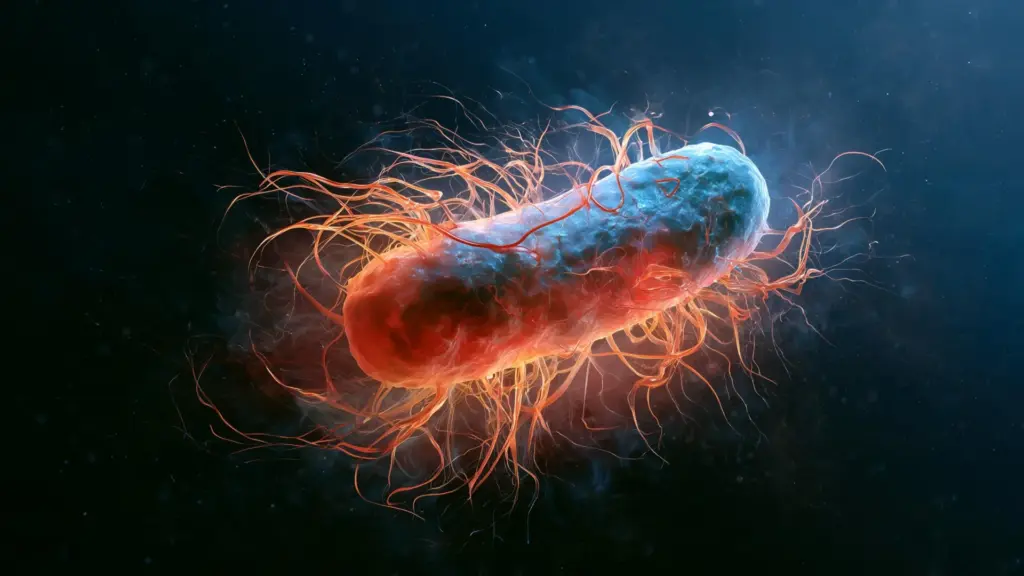
Magnetotactic bacteria represent a remarkably distinct approach within this broader search for therapeutic interventions. These unique microorganisms possess the fascinating natural ability to orient themselves along the geomagnetic field lines of the Earth. This remarkable navigation capability is made possible by specialized intracellular organelle-like structures known as magnetosomes, which consist of nanometer-sized crystals of magnetic iron minerals enclosed within a lipid bilayer membrane. Because of their inherent metallic cores and lipid envelopes, magnetotactic bacteria have already attracted considerable attention from the scientific and medical communities for potential high-tech applications, including targeted drug delivery systems, hyperthermia cancer treatments, and biomedical imaging enhancements.
However, despite their growing prominence in nanomedicine and targeted therapy, the potential physiological influence of magnetotactic bacteria on systemic aging and longevity has remained largely unexplored until now. Recognizing this significant gap in current scientific literature, Professor An Xu and his research colleagues at the Hefei Institutes of Physical Science sought to determine whether administering these unique microorganisms could alter the aging trajectory of a living host. To test this hypothesis, the team turned to Caenorhabditis elegans, a microscopic roundworm that serves as one of the most reliable, widely utilized, and thoroughly understood model organisms in modern aging and developmental biology research.
Lifespan Increased by More Than 43%
The experimental phase of the study yielded remarkable and immediate results regarding the longevity of the treated organisms. Caenorhabditis elegans specimens that were administered the Magnetospirillum magneticum AMB-1 strain demonstrated a profound and statistically significant increase in their overall duration of life. Specifically, the average lifespan of the worms treated with AMB-1 expanded by an impressive 43.39 percent compared to the control groups. This magnitude of lifespan extension is considered substantial within C. elegans longevity studies, signaling that the bacterial intervention was having a profound systemic effect rather than a marginal or superficial impact.
Furthermore, the benefits of the AMB-1 treatment extended well beyond simply delaying mortality. As these organisms aged, the researchers observed that the bacterial intervention played a crucial role in preserving critical physiological functions that typically degrade rapidly during old age. Notably, the treated worms maintained superior neurological function, exhibiting better movement and sensory responses compared to untreated control subjects of the same chronological age. Additionally, the intervention successfully preserved intestinal integrity—a vital health marker in C. elegans that reflects the overall structural and functional decay of the digestive tract as the organism grows older.
Intrigued by these robust healthspan and longevity benefits, the research team sought to determine whether the unique magnetic properties of the bacteria—specifically the production of magnetosomes—were essential for driving the observed effects. To isolate the role of these magnetic structures, the scientists compared the wild-type AMB-1 strain with genetically or phenotypically modified variants that possessed altered magnetotactic capabilities.
The subsequent experimental data revealed that the ability to produce functional magnetosomes played a decisive, major role in successfully extending the lifespan of the host organisms. The wild-type AMB-1 strain, which possesses fully functional magnetosome synthesis pathways, produced a markedly stronger longevity-promoting effect than the reversibly non-magnetotactic strain designated as RNM-AMB-1. In stark contrast, the fully non-magnetotactic mutant strain, known as NM-AMB-1, failed to extend the lifespan of the C. elegans subjects altogether. This comparative analysis provided compelling evidence that the specific structural and biochemical features associated with magnetotactic capability are directly linked to the health-promoting and anti-aging properties of the bacteria.
Blocking an Aging-Linked Form of Cell Death
To move beyond phenotypic observations and uncover the precise molecular pathways at play, Professor An Xu and his team conducted a series of in-depth biochemical and genetic analyses. These follow-up experiments provided crucial clues regarding the exact biological mechanisms through which AMB-1 exerts its protective, anti-aging effects within the host organism. The data revealed that the administration of the bacteria effectively mitigated iron accumulation within the tissues of the worms and substantially lowered levels of lipid peroxidation—a destructive chemical process where free radicals steal electrons from the lipids in cell membranes, causing severe cellular damage.
By reducing both excessive iron accumulation and harmful lipid peroxidation, the AMB-1 treatment successfully suppressed a specific, highly damaging form of cell death known as ferroptosis. Ferroptosis is a relatively recently characterized type of regulated cell death that is biochemically distinct from apoptosis and necrosis. It is fundamentally driven by iron-dependent accumulation of lethal lipid reactive oxygen species. In recent years, an increasing body of scientific evidence has linked the progressive, unchecked accumulation of ferroptotic damage to various pathological states, tissue degeneration, and the natural physiological decline associated with biological aging.
To confirm the involvement of ferroptosis suppression, the research team performed detailed genetic analyses on the treated model organisms. Their findings established that several key ferroptosis-related molecular pathways and genes were directly involved in the AMB-1-mediated regulation of lifespan. Specifically, the researchers identified genes such as ftn-1, bli-3, and ads-1 as critical components participating in the protective cascade triggered by the bacterial intervention. These genes play established roles in iron storage, oxidative stress response, and lipid metabolism within C. elegans, reinforcing the conclusion that the bacteria protect the host by fortifying cellular defense systems against iron-induced oxidative damage.
According to the research team, these collective findings establish an entirely novel microbial strategy for anti-aging intervention. By demonstrating that specialized bacteria can modulate fundamental cell death pathways like ferroptosis and significantly extend healthy lifespan in an animal model, the study provides a robust foundation of empirical evidence. This foundational data could eventually support the broader exploration and application of magnetotactic bacteria and similar engineered microorganisms in the field of geriatric medicine, opening new horizons for combating age-related physiological decline.